
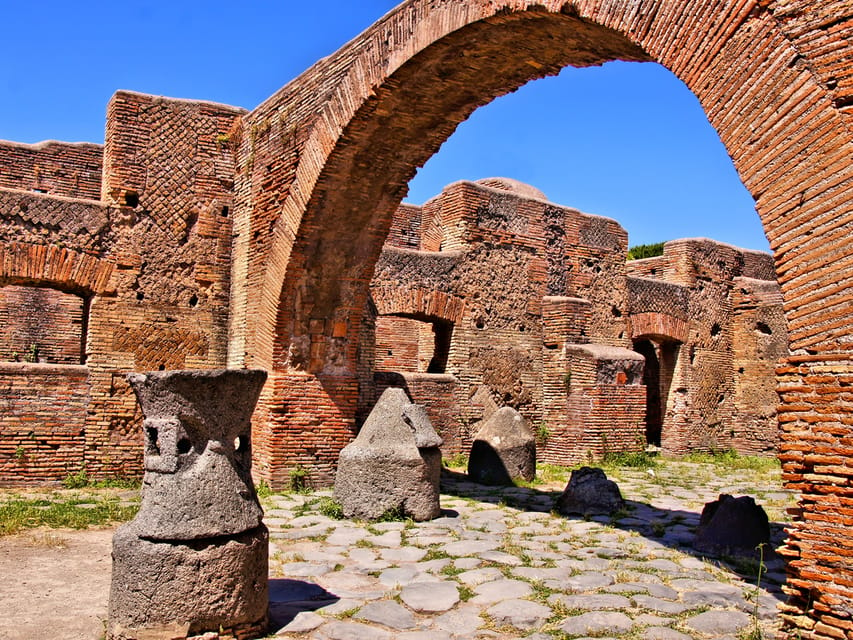
Tour review · TOUR REVIEWS
From Naples: Archeological day to Pompeii and Herculaneum
Pompeii and Herculaneum hit like a time machine. I like that this day trip keeps things simple: a roundtrip coach from Naples plus pre-arranged access so you spend your energy walking, not negotiating. The other big win is the skip-the-line setup for both sites, which helps when you only have a day. One thing to consider is that you are relying on an audio format, so if you want a live lecturer feeding context in real time, this may feel a bit flat.
You also get real flexibility inside the ruins, with about 2.5 hours in Herculaneum and 4 hours in Pompeii. That’s enough time to slow down for frescoes, layouts, and the dramatic ash-preserved details, without feeling like you’re sprinting. The main drawback I see is practical: one part of the experience depends on using the audio interface correctly and the on-site map may not be perfect for everyone.
Key takeaways before you go
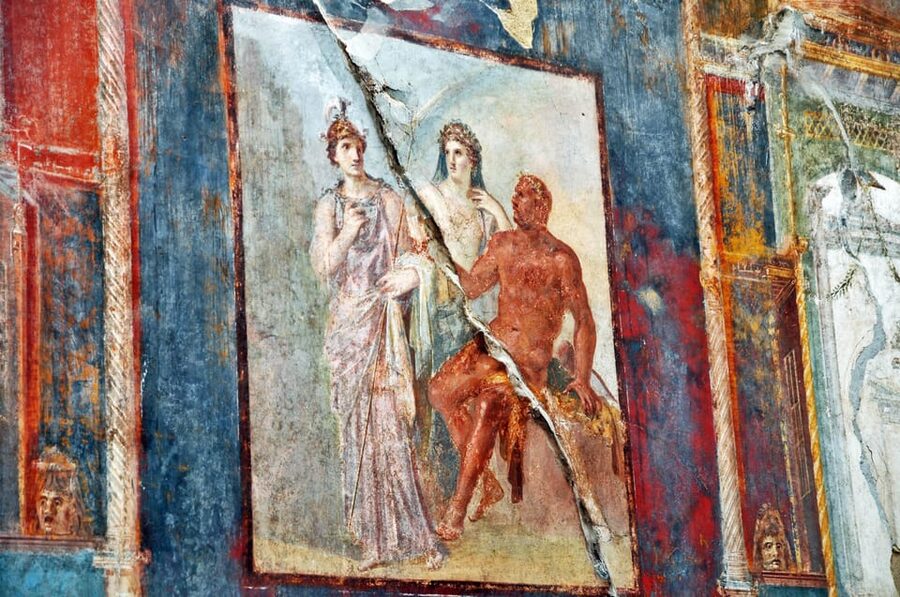
- Comfortable coach ride from Naples with a set start point and return to the same location (Via Galileo Ferraris, 40).
- Skip-the-line entry for both Herculaneum and Pompeii, so you start exploring sooner.
- Two different ruins, two different feels, with Herculaneum at 2.5 hours and Pompeii at 4 hours.
- Pompeii audio guide rental needs a valid ID, so bring your passport or other accepted document.
- Digital audio for Herculaneum plus a Pompeii map designed to help you navigate the site.
Why Pompeii and Herculaneum still feel close to Vesuvius
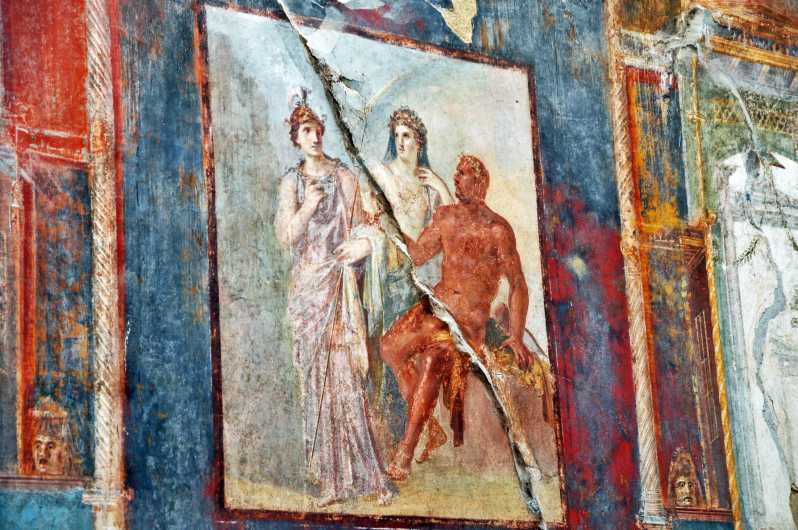
This is the kind of day trip where the destination does half the storytelling for you. In 79 AD, Vesuvius changed everything, and the ruins of Pompeii and Herculaneum preserve not just buildings, but everyday life frozen in ash. Walking among walls, doorways, and street grids makes the scale easier to grasp than photos ever do.
I like that this tour is built around two complementary places. Pompeii is the bigger, more sprawling site, where you can move through temples, homes, and public spaces and get a sense of a whole city at once. Herculaneum is different, smaller, and often feels more intimate, with ash preservation that can make details feel surprisingly close.
One more reason this day works well: the structure gives you enough time in both places to form your own mental map. You are not forced to rush through everything in a single highlight-only sweep.
You can also read our reviews of more tours and experiences in Naples.



Getting from Naples: the Around Vesuvio coach plan
The day starts at Via Galileo Ferraris, 40, using the bus with the logo Around Vesuvio. There is a set departure point, and you return to the same meeting location. That matters, because Naples can be chaotic if you are trying to coordinate trains and buses on your own.
You ride the coach for about 40 minutes to reach Ercolano (Herculaneum), then you get 30 minutes between Herculaneum and Pompeii, and 30 minutes back afterward. Those are short enough that the day still feels like a museum visit, not a long haul.
This is also where the value shows up. The price includes roundtrip transportation plus skip-the-line tickets and audio guides, so you are not budgeting extra for separate entrances and logistics. The one “heads up” I would give is based on typical city pickups: arrive early enough to find your exact bus spot without stressing. If the immediate pickup area feels odd, you still want to handle it calmly and get on the right coach.
Herculaneum stop: 2.5 hours of ash-preserved streets

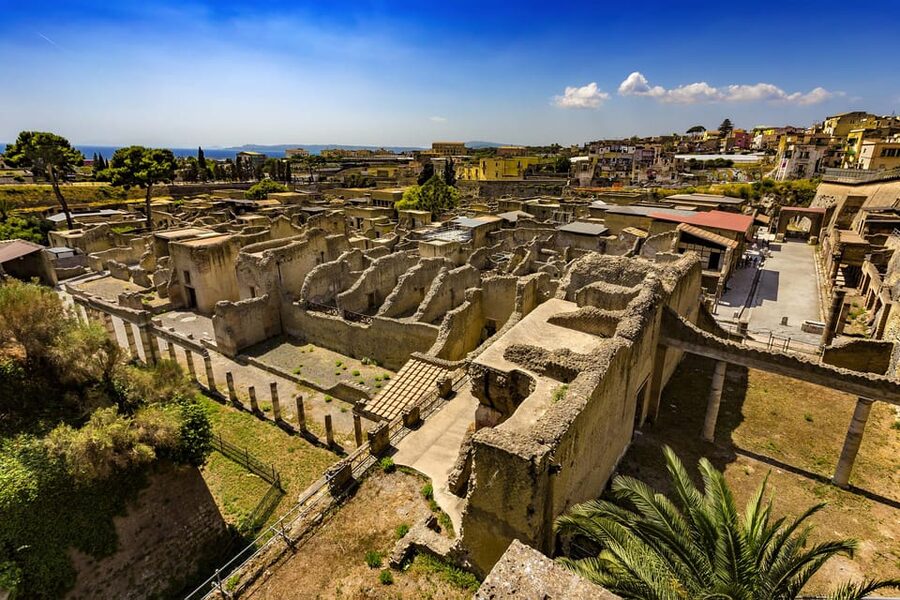
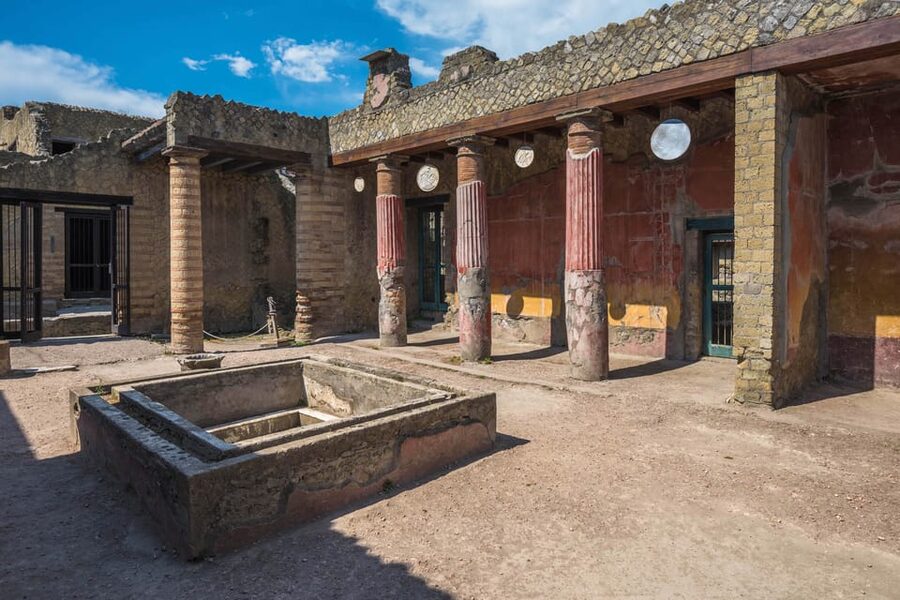
You get about 2.5 hours in Herculaneum, and that time is the right size for a place like this. Herculaneum tends to reward slower walking. You can notice how buildings sit along streets, and you can spot the preserved textures and shapes that make ash preservation so memorable.
What I like about Herculaneum on this kind of tour is that it’s a natural palate cleanser after leaving Naples. You trade the noise for an archaeological site that feels quieter, more “held” by time. The layout can be easier to follow than Pompeii for many people, which helps if you are trying to avoid getting turned around.
You also use a digital audioguide during the visit. The audio is meant to help you understand what you’re looking at, including how the eruption’s ash preserved homes, décor, and even food. That kind of detail changes how you interpret what you see. Instead of just thinking, Wow, there are ruins, you start asking, How did people live here?
A practical note: digital guides can vary in clarity from stop to stop. If your device or interface is confusing, you might lose time. Keep an eye on the audio controls early, so you are not stuck figuring it out halfway through.
Pompeii stop: 4 hours, skip-the-line access, and navigation reality

Pompeii gets 4 hours, which is a healthy amount if you want to do more than a quick loop. This is the big one, and it is easy to underestimate how much you can see in that space. With 4 hours, you can follow the guide’s flow for a while, then break off to focus on what grabs you most: frescoes, sculptures, and the outlines of everyday rooms.
The tour includes skip-the-line tickets for Pompeii, which is huge for reducing wasted time. Once you are inside, you also get an audio guide plus a detailed map designed to help you find major points.
Here’s the catch I would plan for: Pompeii is extensive, and street signs can make navigation feel less intuitive than you’d expect. I’d treat the included map as a helpful starter, not a miracle tool. Build your strategy around the zones and main streets rather than trying to micro-optimize every turn. If you use your senses too, you will get oriented faster.
Audio guide requirement is another key detail. For Pompeii, you must have a valid ID document to rent the audio guide. That means you should pack your passport or other approved ID before you leave your hotel, not the morning of the trip.
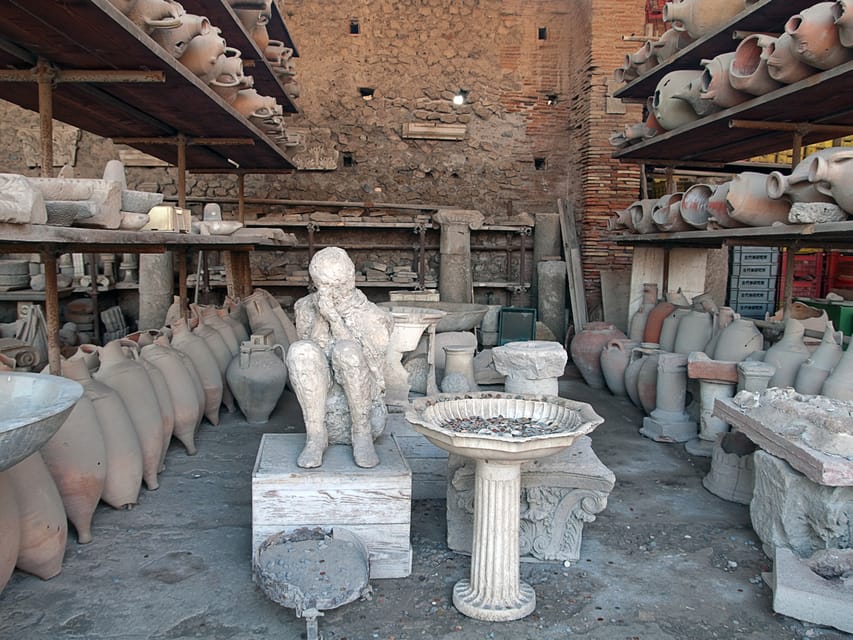
Inside, you’re meant to experience Pompeii in a way that connects the tragedy to architecture and art. You’ll be able to enter temples and houses, then move from area to area looking for the preservation details, including casts and skeletons of victims. Those moments can be emotionally intense, but they are also where the historical event stops being abstract.
Using the audio guides: how to make them work for you
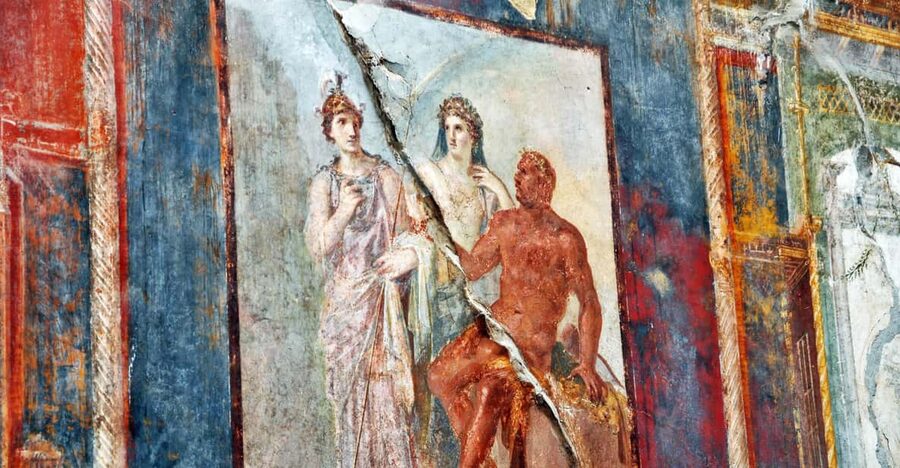
This tour’s learning tool is audio, not a live guide. I get why that’s appealing, because you can wander at your own pace and replay when you want. The other side of the coin is that audio only helps if you can operate it smoothly.
For Herculaneum, you use a digital audioguide. For Pompeii, you use an audio guide plus map. The audio is offered in multiple languages, including English and Italian, and it lists many other options as well. The big practical issue is device control, especially if the interface requires selecting numbers or specific tracks.
So here’s my best advice: test everything early. Before you get deep into the site, make sure you can start, pause, and find the next track without confusion. If you struggle to understand what to press, you’ll lose flow. You will still see plenty, but the experience is better when audio keeps you on track.
Also expect the audio to be informative but not lecture-like. Some explanations may feel brief, and you might want to add your own context by doing a tiny bit of reading before you go. Even one hour of prep online can turn the audio from “nice extras” into “this is exactly what I’m looking at.”


Time management: turning 8.5 hours into real understanding
The tour runs for about 8.5 hours total. You’re out long enough to do both cities, and the schedule gives you defined exploration blocks instead of endless wandering. That structure is a gift if you are short on time in Naples.
A smart way to use the day is to think in two modes.
In Herculaneum, aim for observational stops. Look at how streets relate to houses. Notice preserved elements and how the ash affected what survived. With 2.5 hours, you can pause more often without feeling behind.
In Pompeii, shift into exploration plus selective focus. With 4 hours, you can follow the audio for context and then spend extra minutes where you have strong interest. Pompeii is the place where you might lose time if you keep stopping for everything. So choose a theme, for example art in one area, then everyday life in another.
You also need to remember what is not included. Food and drinks are not part of the price. That means you should plan for your own break time. If you go into the day hungry, it will steal from your walking time. Bring simple snacks if that helps your energy.
Price and value: what you’re paying for
The price is $123.48 per person. At first glance, that sounds like a lot for a day trip. But it includes the pieces that usually add up when you travel independently: roundtrip transportation, skip-the-line admission for both sites, and audio guidance tools for learning.
You are also buying convenience. Two sites in one day is harder to DIY well, especially when you factor in timing and the need to keep transfers efficient. By including transport and ticket handling, you reduce decision fatigue.
The value is highest if you plan to actually use the audio guides. If you are the type who wants a lot of interpretation but prefers live commentary, you may feel the cost differently. That said, even audio-based tours can work well if you go in with realistic expectations and use the free time to focus on what interests you.
Who this tour suits best, and who might want a different format
This trip fits best if you have two priorities: seeing both Pompeii and Herculaneum and understanding the eruption enough to connect the ruins to the event.
If you are an archaeology lover, this is a strong pairing. You get time to walk through homes and temples, look at preserved details, and see the casts and victims’ remains described as part of the tour route.
If you are visiting specifically to understand the history of Vesuvius, the audio guidance and structured time blocks help you build a coherent story across both sites.
Who might consider something else? If you want a live guide who can answer questions on the spot or adjust pacing to your group’s interests, audio-only can feel limiting. Also, if you know you dislike managing audio controls at busy sites, you’ll want to plan extra attention at the beginning so the device doesn’t become a distraction.
Final verdict: should you book this Naples Pompeii and Herculaneum tour?

I think this is a good booking when you want an efficient day with real access and guided explanations, without having to wrestle logistics. The combination of skip-the-line tickets and roundtrip coach transport is the backbone of the value. The audio guides are the learning engine, and they can be great if you take a minute to get comfortable with the interface early.
I would book it if:
- You want to cover both cities in one day from Naples.
- You are happy with an audio format and want to wander at your own pace.
- You will bring your valid ID for the Pompeii audio guide rental.
I would hesitate if:
- You strongly prefer live interpretation over listening on your own.
- You know you struggle with digital controls and navigation on large sites.
If you line up your expectations and do a little audio testing at the start, this tour can turn one long day into a clear, memorable picture of how Pompeii and Herculaneum were changed forever.
FAQ
How long is the Pompeii and Herculaneum day trip from Naples?
The total duration is about 8.5 hours.
What are the two archaeological sites you visit?
You visit Herculaneum (Ercolano) and Pompeii (Pompei).
How much time do you get at each site?
You have 2.5 hours in Herculaneum and 4 hours in Pompeii.
Is food included in the price?
No. Food and drinks are not included.
Do I need an ID to get the audio guide?
Yes. You must have a valid ID document to rent the Pompeii audio guide.
What languages are available for the audio guide?
The audio guide is available in Chinese, English, French, German, Hebrew, Italian, Portuguese, Russian, and Spanish.
More Tour Reviews in Naples
Not for you? Here's more nearby things to do in Naples we have reviewed










Tour Reviews, compared.
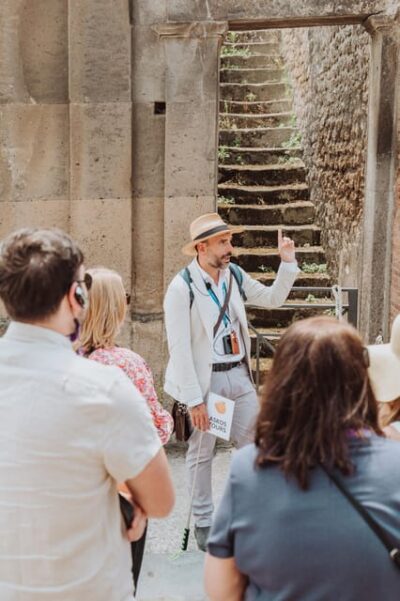 ★ 4.8Pompeii: Entry Ticket and Guided Tour with an ArchaeologistFrom $3519,459 reviews
 ★ 4.2Pompeii: Entry Ticket with Optional Audio GuideFrom $2612,360 reviews
 ★ 4.8Pompeii: Small Group Tour with an ArchaeologistFrom $4012,264 reviews
 ★ 4.3Pompeii Ruins & Mount Vesuvius Day TourFrom $12011,459 reviews
 ★ 4.6Sorrento, Positano and Amalfi Full-Day TourFrom $10710,988 reviews
 ★ 5.0Sorrento, Positano & Amalfi Coast – Small Group TourFrom $768,643 reviews
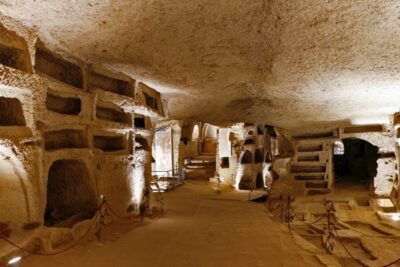 ★ 4.6Catacombs of San Gennaro Entry Ticket & Guided TourFrom $157,941 reviews
★ 5.0Pompeii Small Group Tour with an ArchaeologistFrom $356,593 reviews
★ 4.6Catacombs of San Gennaro Entry Ticket & Guided TourFrom $157,941 reviews
★ 5.0Pompeii Small Group Tour with an ArchaeologistFrom $356,593 reviews
Browse the lists this tour appears in