
Tour review · TOUR REVIEWS
Pompeii ruins and the city of Naples with private transportation
Pompeii and Naples, in one smooth day. This private tour pairs skip-the-line access to Pompeii with a guided, no-rush look at Naples landmarks by modern minivan, so you get two unforgettable places without doing logistics gymnastics yourself. What I like most is the personal guide attention that keeps Pompeii from feeling like a checklist, plus the smart flow from ruins to the historic center of Naples. The main drawback to keep in mind is the pace: many stops are short, so you will see a lot, but you will not linger long at any one spot.
You also get door-to-door help, with pickup arranged from your port, hotel, or other Campania accommodation, and drop-off handled again at the end. It is built for people with at least moderate walking comfort, especially in Pompeii where surfaces are uneven and the sun can be intense. If you want a slower, sit-down kind of day, this may feel packed, but if you want maximum payoff for your time, it is a strong option.
Key highlights worth your attention
- Skip-the-line Pompeii entry so you spend time looking at ruins, not waiting
- Porta Marina entry for an easy start and a natural route into the site
- A professional guide through the whole day, not just a quick Pompeii briefing
- Strategic Naples stops in Centro Storico, including Spaccanapoli and major churches
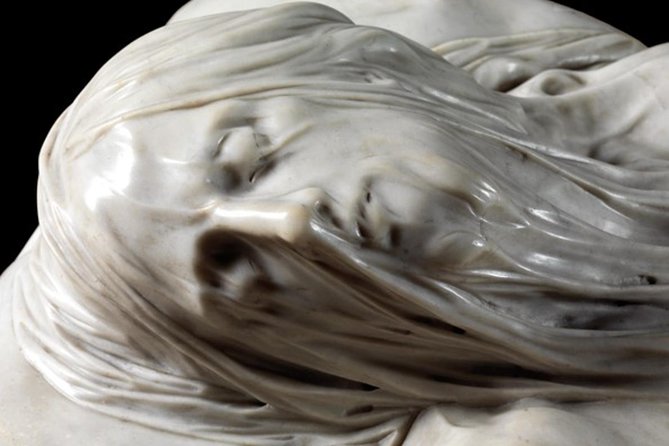
- Sansevero Chapel Museum visit, where the famous Veiled Christ is a must-see
- Modern minivan transport with pickup and drop-off across Campania
Why this Pompeii and Naples combo is such a good use of time
Pompeii is the headline, but Naples is the bonus most people underestimate. Doing them together makes sense because once you are already in Campania, you might as well spend your day on both the archaeology and the real living city around it. The structure here is practical: you get your Pompeii focus first, then you shift gears to Naples for panoramic views and a walk through the historic center.
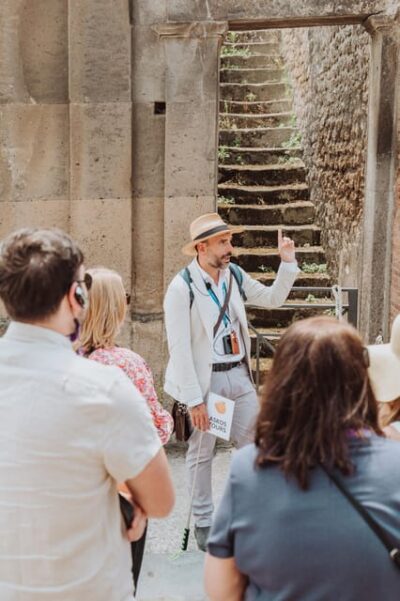
I also like the private format for this kind of trip. Pompeii can move fast when you are with a larger group, and you end up craning your neck just to keep up. With this tour, the guide can steer your attention, explain what matters, and adjust the rhythm to your group.
You can also read our reviews of more city tours in Naples


Porta Marina: starting Pompeii the efficient way
Your day begins with pickup arranged from your port in Campania, your hotel, or another accommodation. The driver meets you holding a sign with your name, which is a small detail, but it helps a lot if you are arriving by cruise or using public transport.
Then you transfer to Pompeii and enter from the main entrance called Porta Marina. This matters because it sets you up for a logical sightseeing route, instead of wandering around the perimeter and trying to invent your own plan. You also get skip-the-line admission, so your first hour is more about the ruins than queues.
One thing to sanity-check: Pompeii has strict visitor flows, and the site can feel crowded even when lines are shorter. Wear a hat if you are visiting in summer, and bring water. This is not the tour for people who want to shuffle at a snail pace, but it works well if you can handle repeated short walks.
Pompeii on foot: from the Basilica to the main square
Once inside, the stops are designed to build a picture of daily life in Pompeii, not just show you famous buildings. The schedule uses several quick checkpoints, so you are constantly moving between public spaces, homes, and sights tied to the eruption story.
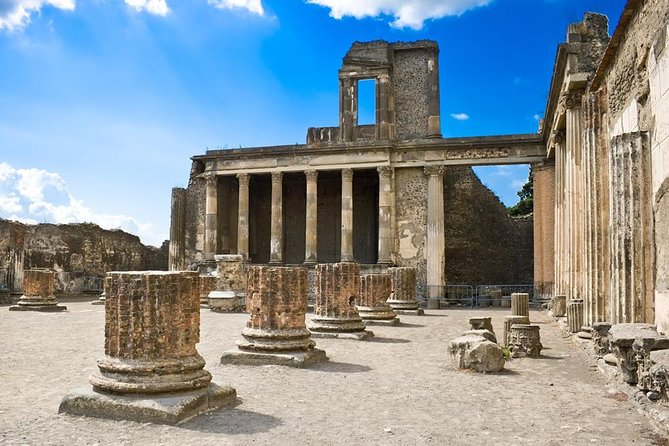
Stop 2: Basilica
This area was an open portico that offered shelter for merchants and other activities. Seeing it during your visit gives you a sense of how Pompeii functioned like a real commercial town, not a museum piece. This stop is brief, so focus on the concept: public architecture that shaped trade and movement.
Stop 3: Granai del Foro
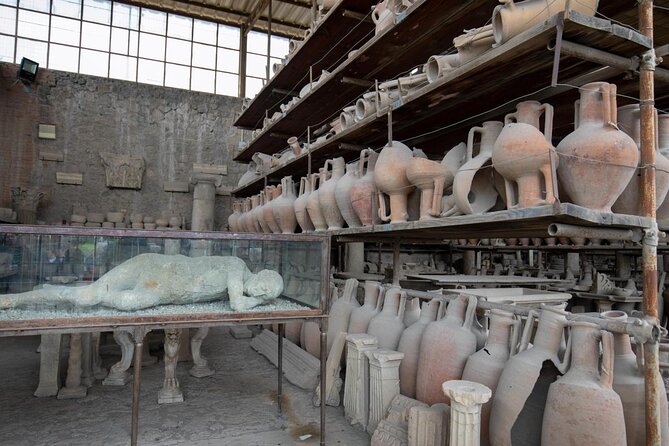
This granary area is fascinating for what it shows beyond walls and columns. You will see marble tables and baths used for fountains that adorned house entrances, plus casts associated with the eruption. The details are the point here: you are looking at practical infrastructure and also the human impact, which makes the whole site feel more personal.
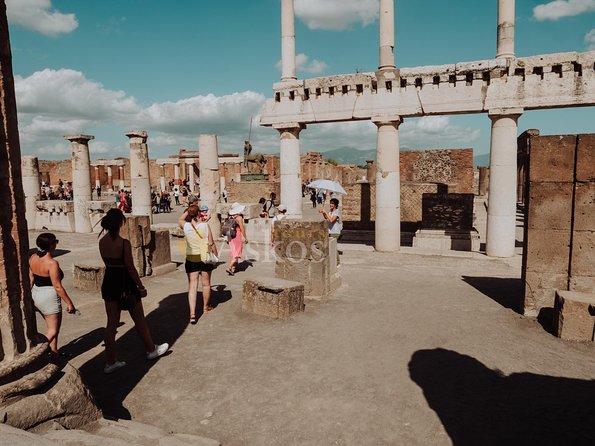
Stop 4: Foro de Pompeya
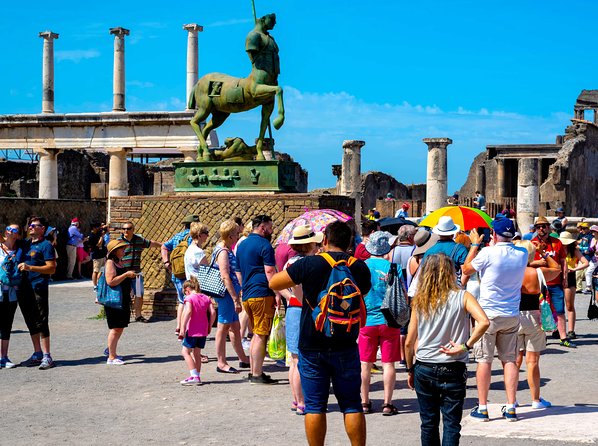
The Forum was the ancient main square, basically the social and civic hub. In a short time, you can understand why Pompeii was more than tragedy. It had a center where people gathered, discussed, bought, and lived.
Main street walk
After the Forum, the route moves into a walk through the main street. That stretch is one of those underrated moments because it helps you imagine the city layout in your head. When you get the street relationship right, the individual buildings start making more sense.
Baths, a famous brothel, and two major houses
This part of the tour is where Pompeii shifts from public life to private life and specialized spaces. The stops include thermal bathing areas, the Lupanar, and two standout homes. Even though each visit is short, the selection is smart because the buildings represent different sides of Pompeian culture.
Stop 5: Stabian Baths (Terme Stabiane)
The Stabian Baths cover a vast area and are described as the city’s oldest thermal complex. Baths in Rome and its cities were not just for hygiene, they were a social system. You can think of this stop as Pompeii showing you how people spent time, relaxed, and interacted.
Stop 6: Lupanar
The Lupanar is the famous brothel in the ruined Roman city. It is a sensitive subject, but it is also a key part of why Pompeii feels like a complete snapshot of ordinary life. If you are hoping for a purely uplifting experience, adjust your expectations. This stop is about authenticity, and it tends to be memorable.
Stop 7: Casa del Fauno
This is called the house of Faun and it is among the largest and most impressive private residences in Pompeii. It gives you a scale reference. In other words, you can see how wealth lived next to everyday streets.
Stop 8: Casa del Menandro
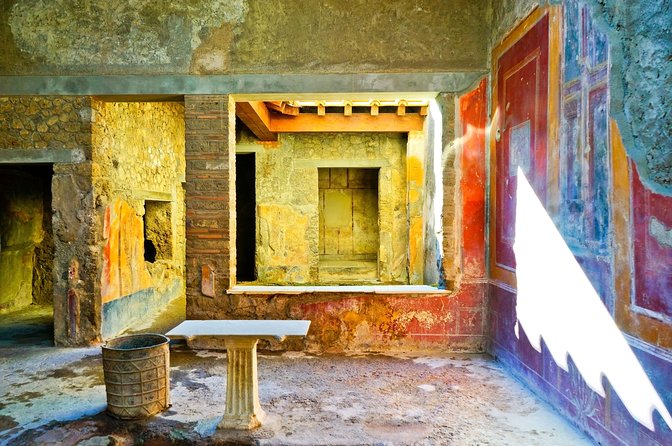
The House of Menander is described as one of Pompeii’s richest homes in terms of architecture, decoration, and contents. This is a stop where decoration cues you in to status and taste, and you get a sense of how homes functioned as identity statements.
If you want the homes to land emotionally, prioritize listening to the guide. The physical structures are important, but the explanations are what turn these rooms into lived spaces. I really like it when the guide frames what you see as social behavior, not just stone facts.
Theaters that show Pompeii’s public mood
Then the tour heads into Pompeii’s performance culture with the two theaters.
Teatro Piccolo
You get a look at the so-called Teatro Piccolo. Even if the time here feels brief, it is worth noticing the difference in scale compared with the larger theater. It helps you understand that Pompeii did not only have one kind of public gathering.
Teatro Grande
The Teatro Grande is the most important theater in Pompeii. The value of this stop is perspective. When you stand in a theater space (even a ruined one), you start imagining crowd density, noise levels, and how people used public buildings for entertainment.
These theater stops are also where your guide’s pacing really matters. If your group is getting tired, you might want the guide to slow down just for context, so you do not walk past the feeling of the place.
You can also read our reviews of more private tours in Naples





Naples transport and a panoramic handoff to the old center
After Pompeii, you transfer to Naples for a panoramic tour of the monumental quarter and the seaside. This is a smart timing move. You go from broken Roman streets to a modern city view, and that visual reset helps your brain stop comparing everything to the ruins.
Next comes a lunch pause in the historic center at a traditional pizzeria. The trip data lists lunch as not included, so treat this as your planned meal stop where you will pay locally, not a guaranteed prepaid lunch. The upside is convenience: you avoid hunting for food while trying to keep your day on schedule.
Centro Storico stops you can actually plan around

Naples has a way of pulling you in, but only if you know where you are heading. This tour gives you a sequence of specific sights, so you do not end up wandering with no landmarks to anchor your day.
Piazza del Gesu Nuovo
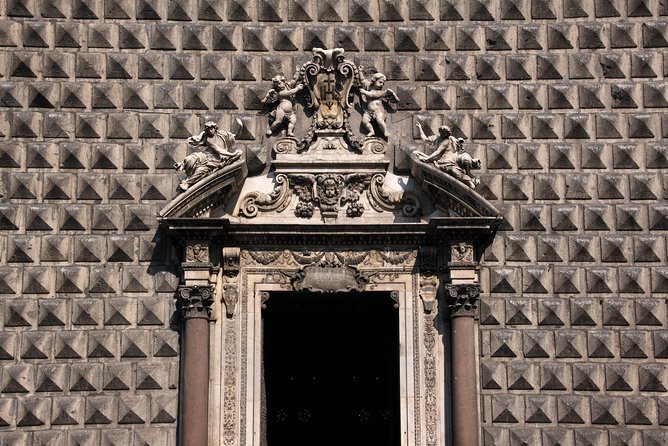
Here you see the church of Gesu Nuovo, noted for Baroque design, including a distinctive façade with diamond-shaped stonework and impressive interiors in marble. If you like churches for art and details, this is the kind of stop that pays off quickly because the styling is bold.
Complesso Monumentale di Santa Chiara
Santa Chiara is described as one of Naples’s beloved churches, in a walled, citadel-like complex. It is interesting because it is treated as an austere Gothic contrast to the more ornamented Baroque churches you will pass elsewhere. Think of this stop as a visual exhale.
Spaccanapoli
Spaccanapoli is the straight, narrow main street that slices through the old center. The name is a practical description: it feels like it divides the city from above. This is a good place to get your bearings fast, because it gives you a spine for understanding the neighborhood.
Duomo di Napoli
The Naples Cathedral is described as a 14th century French Gothic church built by the Angevins, and it is the seat of the Naples Archdiocese. It is also home to the crypt and a chapel tied to San Gennaro, with the famous blood liquefaction ceremony held three times a year. Even if you are not there on a festival day, the church is a real anchor of Naples identity.
Basilica di San Lorenzo Maggiore
This church near via San Gregorio Armeno is highlighted as fascinating, with a complex history. It is an example of why Naples rewards slow looking, but this tour keeps your time moving, so your best tool is the guide’s explanation.
Sansevero Chapel Museum: the Veiled Christ moment
The tour includes a visit to the Museo Cappella Sansevero, a major stop in the historic heart of Naples. You will come to see the famous Veiled Christ, listed among its masterpieces.
What makes this worth your time is the contrast. You have spent the morning inside a destroyed Roman city, and now you are in Naples looking at artistic craftsmanship designed to provoke awe. If you appreciate details in sculpture and the way light plays across surfaces, this is the kind of stop that can become the emotional peak of the day.
The time here is not long on paper, so go in with a simple plan: look at the figure first, then step back to see how the space and museum layout frame it.
How the pacing actually feels over 7 hours
This is an approx 7-hour day, and it uses a lot of short stops. That means you will hit many highlights, but you will not have hour-long museum style wandering at every stop. In practice, this tends to work best if you do two things:
1) wear comfortable shoes with solid grip
2) keep your expectations realistic about time spent in each location
The tour notes a moderate physical fitness level, and you will earn that rating in Pompeii where paths can be uneven. Also, Pompeii can feel hot, and the tour explicitly suggests bringing a hat, sunscreen, and water in summer. I would listen. Carrying water is one of the simplest ways to avoid turning a great day sour.
Price and value: what $605.07 buys you (and when it makes sense)
At $605.07 per person, this is not a budget add-on. So you want to know what you are paying for.
You are paying for:
- private transportation by a modern minivan with pickup and drop-off around Campania
- a driver and professional guide for the duration
- Pompeii skip-the-line admission
- admission fees for Pompeii as listed in the included items
- English-language guiding
- a full day that covers both Pompeii and a cluster of Naples historic sites
The best value usually comes when your group size makes the private format affordable per person, especially since group discounts are mentioned. If you travel as a couple, or as a small group of friends, the “cost per person” often feels more reasonable compared with piecing together separate tickets and transport on your own.
If you are solo and only want Pompeii, this might feel pricey for what is basically a set-route day. But if your time in Naples is short and you want the ruins plus Naples center without stress, it is easier to justify.
Who should book this private Pompeii and Naples day
This tour fits well if you:
- want skip-the-line Pompeii and a guide who helps you interpret what you see
- like city walking that includes churches and major streets like Spaccanapoli
- prefer private transport and pickup that saves you from transit puzzles
- have at least moderate walking comfort and can handle a packed schedule
It might not fit you as well if you:
- need long free time at one major site
- get overwhelmed by heat and uneven footing unless you can pause often
- want lunch included with no extra decisions, since lunch is listed as not included
And one more thing I appreciate from the guide stories shared: I like it when the guide brings real archaeology perspective. One example mentioned is Julia, described as an archaeologist who worked at the Pompeii site and has led tours for about a decade. When you get that kind of guide, Pompeii starts to feel like people with habits, not just artifacts.
Should you book this Pompeii and Naples tour?
If you want one day that hits Pompeii’s essentials and still delivers real Naples culture, I would book it. The mix of skip-the-line Pompeii, a guided route through key public and private spaces, and then a structured Naples day through Centro Storico is the right formula when your time is limited.
Just go in with the right mindset: it is a highlight tour, not a slow-study retreat. If that matches how you like to travel, you will likely come away feeling you got your money’s worth in both places.
FAQ
How long is the Pompeii and Naples private tour?
The duration is approximately 7 hours.
Is pickup available, and where does it start?
Pickup is offered from any port in Campania, your hotel, or other accommodation.
Is Pompeii admission included, and do you skip the lines?
Skip-the-line admission to Pompeii is part of the tour concept, and Pompeii admission fees are listed as included.
What language is the tour guide?
The tour is offered in English.
Is lunch included?
Lunch is listed as not included.
Is this tour private?
Yes. It is a private tour, and only your group participates.
What is the cancellation policy?
Free cancellation is available, and you can cancel up to 24 hours in advance for a full refund.
More Private Tours in Naples
More City Tours in Naples
More Tour Reviews in Naples



Not for you? Here's more nearby things to do in Naples we have reviewed







Tour Reviews, compared.
 ★ 4.8Pompeii: Entry Ticket and Guided Tour with an ArchaeologistFrom $3519,459 reviews
 ★ 4.2Pompeii: Entry Ticket with Optional Audio GuideFrom $2612,360 reviews
 ★ 4.8Pompeii: Small Group Tour with an ArchaeologistFrom $4012,264 reviews
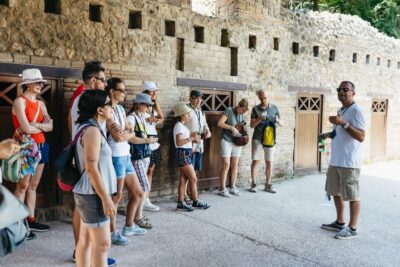 ★ 4.3Pompeii Ruins & Mount Vesuvius Day TourFrom $12011,459 reviews
 ★ 4.6Sorrento, Positano and Amalfi Full-Day TourFrom $10710,988 reviews
 ★ 5.0Sorrento, Positano & Amalfi Coast – Small Group TourFrom $768,643 reviews
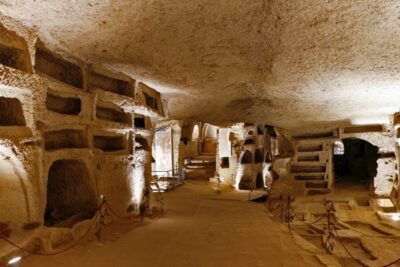 ★ 4.6Catacombs of San Gennaro Entry Ticket & Guided TourFrom $157,941 reviews
★ 5.0Pompeii Small Group Tour with an ArchaeologistFrom $356,593 reviews
★ 4.6Catacombs of San Gennaro Entry Ticket & Guided TourFrom $157,941 reviews
★ 5.0Pompeii Small Group Tour with an ArchaeologistFrom $356,593 reviews
Browse the lists this tour appears in