
Tour review · TOUR REVIEWS
From Naples: Pompeii & Herculaneum with Archaeologist Guide
Two towns tell the story fast.
I love how this day trip pairs Pompeii and Herculaneum so you see two different Roman towns, then feel how the eruption changed everything. Right away, you’re not stuck figuring out buses or directions, you get picked up at Starhotels Terminus and whisked out with a professional driver.
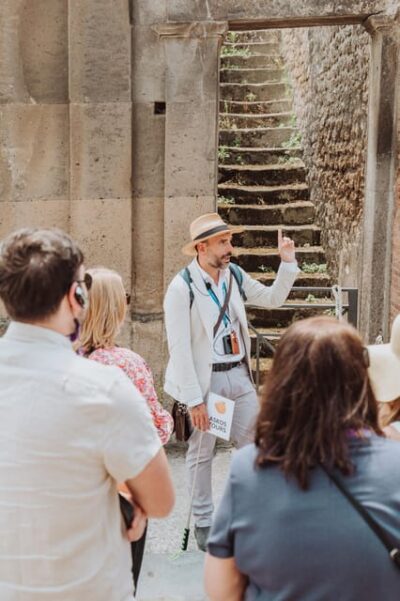
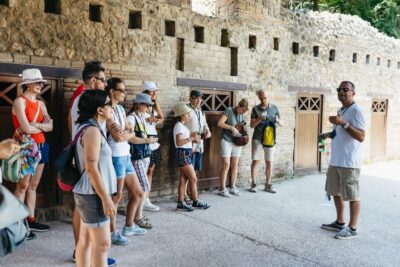
The biggest win for me is the archaeologist guide, the kind who explains what you’re seeing and why it matters, instead of just reciting dates. I also like that the group stays small, around 20 people, so stops like the Forum, bath areas, and house interiors actually make sense as a connected story.
One drawback to plan for: this tour is not for everyone on foot. There are stairs and grades at both sites, so if you have mobility limits, you may find it too taxing.
Key moments worth carving out your day
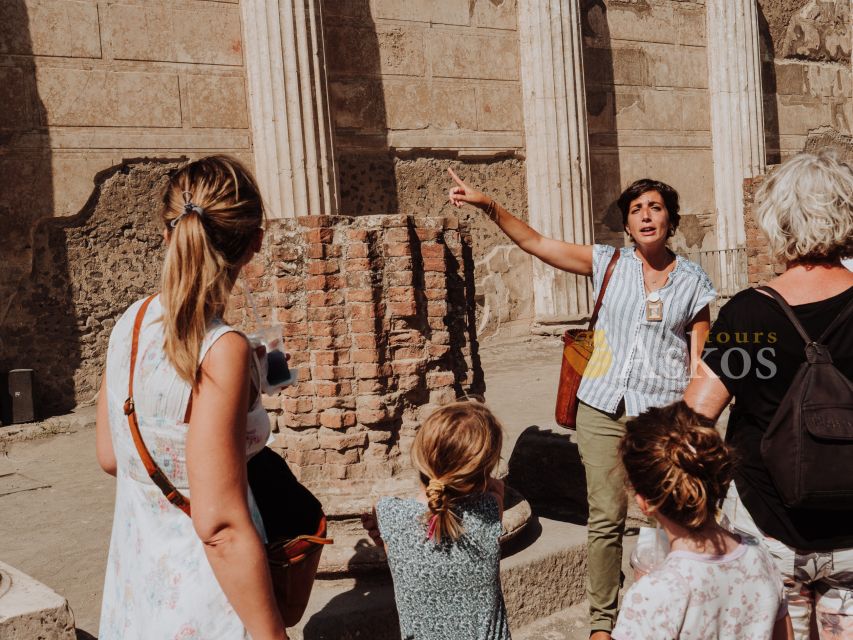
- Archaeologist-led, small-group pacing with a limit of about 20 people
- Skip-the-line entry at Pompeii and ticketed access to Herculaneum
- Herculaneum’s preservation in mud including carbonized wood, intact paintings, and mosaics
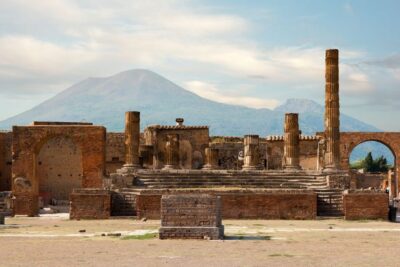
- Pompeii’s signature highlights like the Basilica, Forum, Lupanar, and House of Faun
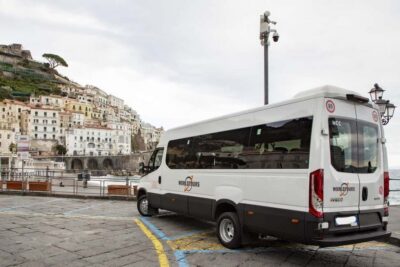
- Modern minibus transfer with an English-speaking driver from Naples
- A focused 2-hour visit at each site, plus a lunch break that keeps the day moving
Starting in Naples: Starhotels Terminus to your first dig site
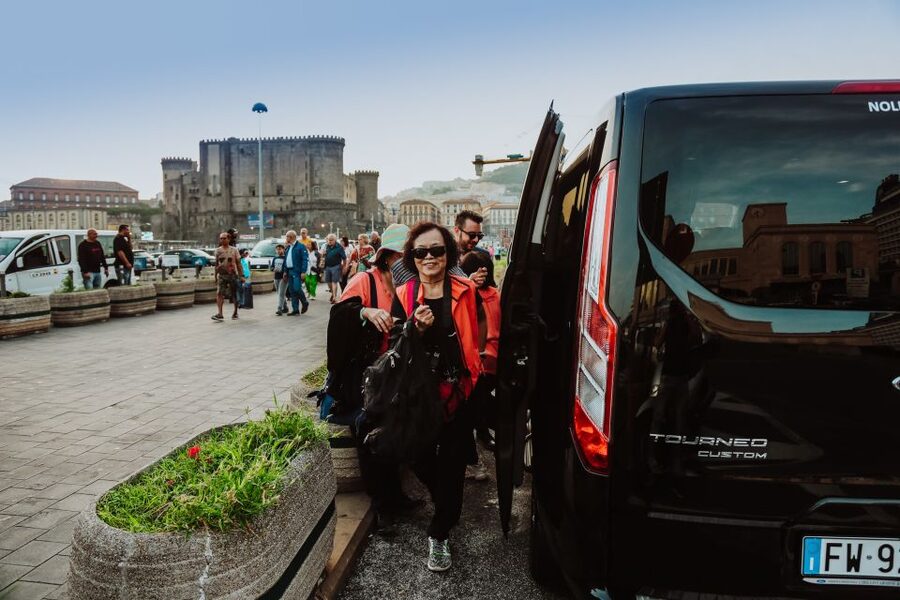
I like the start here because it cuts through Naples stress. You meet in front of Starhotels Terminus, opposite the station entrance, and look for the guide holding an ASKOS TOURS sign. From there, you board a modern minibus for the ride out, with a driver who handles the logistics so you can focus on what’s ahead.
The schedule is built for a full day without feeling like a sprint from one checkpoint to the next. In plain terms, you’re transferred to Herculaneum first, then you shift to Pompeii later, with bus rides timed in between. Even the total duration, around 7 hours, feels realistic for two major archaeological sites when you have guided time planned at both.
The one thing I’d flag early is luggage. Large bags are not allowed, so pack light. Also bring your passport or ID, since that’s explicitly required for entry. If you’re the type who hates being cold outdoors, bring a raincoat too, because the tour runs rain or shine.
You can also read our reviews of more guided tours in Naples

Herculaneum first: the preserved city under 20 meters of mud
If Pompeii is the postcard, Herculaneum is the close-up. This is one of the reasons I really like the order of this tour. You arrive at Herculaneum and go straight into the experience with skip-the-line entry, so you don’t burn the start of your day stuck in crowds.
What sets Herculaneum apart is the way it was buried. The site was covered by a landslide and about 20 meters of deep mud, which helped preserve items that are usually long gone at Pompeii. Your guide points out artifacts that can look unreal at first, like carbonized wooden objects, intact paintings, and mosaics that remain in surprisingly good condition.
And because the guide is an archaeologist, the explanations tend to stay grounded in how excavations work and what evidence means. Different guides are listed by name in the material you were given, including people like Raphael, Michele, and Roberta, and the common thread is the same: they connect building details with real life. You can almost hear the questions forming in your head, like how people used space or why certain rooms mattered.
Herculaneum highlights that make the stones feel human
Herculaneum’s major stops are not random stops. They’re chosen to show how the city functioned and who used it.
You’ll see the Temple of the Augustali, a nod to the religious and civic side of daily life. Then you move through the parts of town tied to leisure and routine, including the Thermal Baths and the Forum, where public business and social life would have mixed.
You’ll also get the wow factor that makes Herculaneum famous. One standout is the beach area where more than 300 skeletons were found. It’s heavy, but it’s also historically specific, and your guide helps you understand why this evidence matters rather than turning it into spectacle.
Other named points you should expect include the Samnite House, the Gymnasium, and the House of the Dears. Each stop is a chance to compare rooms, materials, and layout, and that’s what makes Herculaneum hit differently than just walking through ruins.
The rhythm of the guided walk (and why headsets matter)
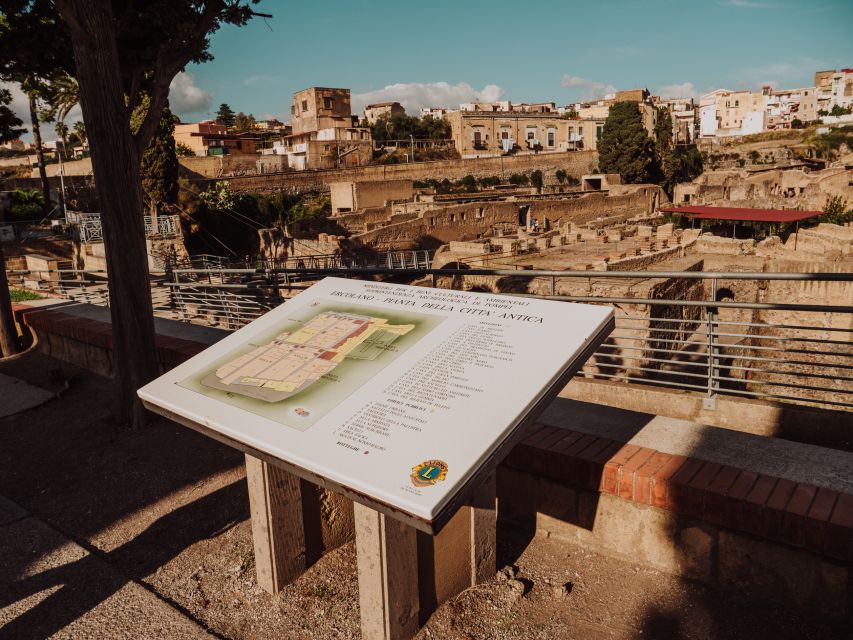
You have about 2 hours in Herculaneum on the guided portion, which is a sweet spot. Long enough to see the big areas, short enough that you don’t end up staring at the same wall for an hour. I like guided time here because Herculaneum rewards attention to small things, like where certain spaces were located and how decoration or wear patterns hint at how people lived.
In the feedback you provided, several people praised the pace and organization, and one detail that pops up is the use of headsets so you can hear the guide clearly. If your group has them, it’s a real help. It means you spend less time craning your neck and more time actually looking at what’s in front of you.
One practical note: the tour is not recommended for people with limited mobility. That includes the stairways and grades you’ll face. Even if you can manage stairs, bring good shoes and take your time. I’d rather you arrive at Pompeii feeling steady than rushed.
Transfer and lunch: how the day stays on track

After Herculaneum, you head back on the minibus. There’s a transfer segment planned, and then you reach Pompeii with time built in. This is not one of those tours that dumps you in Pompeii and says good luck.
You’ll have a break for lunch, about 40 minutes, with more time scheduled overall as part of the Pompeii segment. Meals are not included, so you’ll either grab something near the area or bring your own snack strategy. In the material you shared, a couple of comments point out that eating inside near Pompeii can add up, so if you want to control costs, pack a light option.
I also recommend using the lunch window to reset your eyes. After Herculaneum, Pompeii can feel bigger, noisier, and more exposed. A short refuel plus water keeps you from turning the “must-see highlights” into “I saw it, but I barely absorbed it.”




Pompeii with skip-the-line entry: 79 AD, explained by walkable landmarks
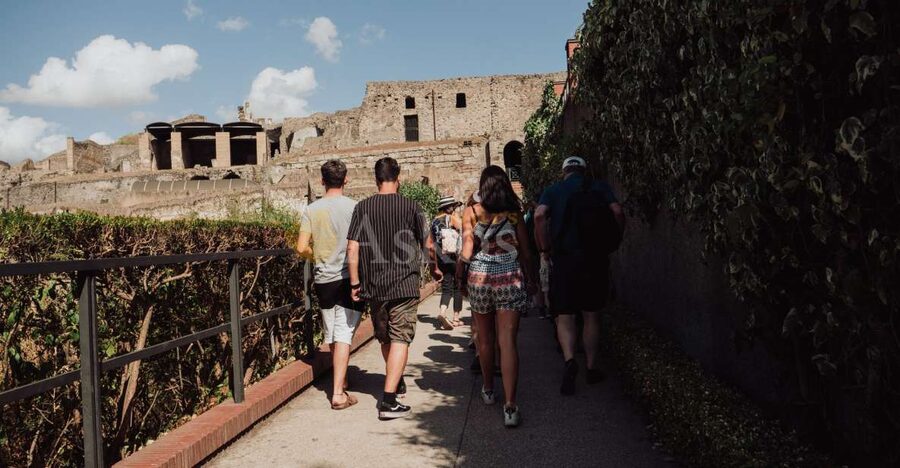
Pompeii is a different kind of challenge, and the guided format helps you handle it. You’ll enter with skip-the-line access, then get a guided walk of about 2 hours, plus time to wander around the big public zones.
Your guide frames Pompeii with the key idea that the city was buried by volcanic ashes from Mount Vesuvius in 79 AD. That context matters because you’re not just looking at ruins. You’re seeing the layout of a functioning Roman city stopped mid-routine.
Here are the Pompeii highlights you should expect, in the kind of order that helps you orient fast:
- Marina Gate, the first “gateway” feeling that Pompeii begins like a real town
- The Basilica, where civic and business life would have played out
- The Forum, Pompeii’s central public space
- Forum Baths, showing how daily routine and public space overlapped
- The Lupanar, the well-known brothel site, where your guide will likely explain what the layout signals
- The Bakery, for bread-making and everyday commerce
- House of Faun, a major household that helps you understand wealth and domestic design
- Termopolium Capuano, a food-and-drink stop that feels surprisingly relatable
- House of the Tragic Poet, with its famous wall art and room structure
- Plaster casts, which help fill in what time has erased
This mix is a smart way to cover both public and private life without turning the day into a checklist. I like that you don’t just get the postcard spots. You also get anchors that make the city’s social life feel coherent, like the Forum and baths, then contrast it with household luxury and street-level business.
Pace, shoes, and the small-group difference
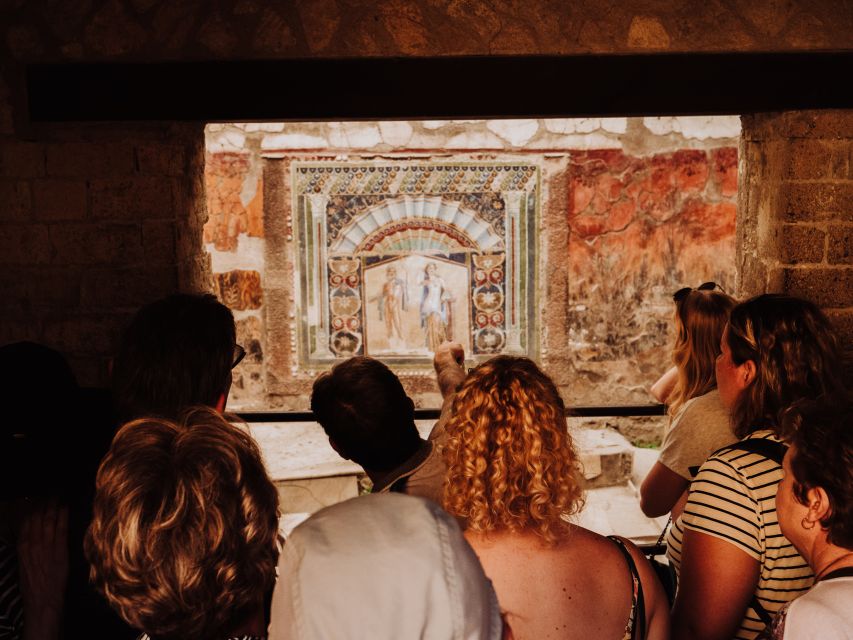
This tour runs on foot, and it makes a difference whether you feel like you’re “touring” or “traveling through a place.” The group size, limited to about 20, helps keep the pace manageable. People in the feedback you provided repeatedly praised the pacing and the fact that the day felt organized without being rushed.
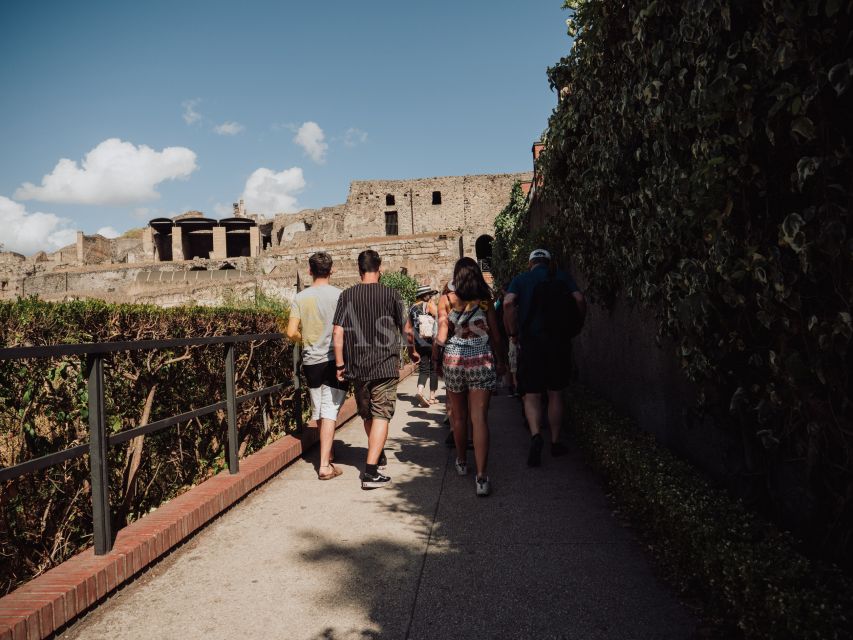
Still, don’t underestimate the physical part. Pompeii especially involves uneven ground, stairways, and changes in elevation. Wear comfortable walking shoes with solid grip. If rain shows up, keep moving but go slow on slick steps.
The bus ride format is also part of why the day feels smooth. You’re in a modern minibus with a driver who handles the road, and you’re not stuck waiting around for transfers. That means more of your energy goes into the ruins, where it should.
Value for money: what $168.79 buys you in real time
At around $168.79 per person, this isn’t a budget-only outing. But it has three practical value engines.
First, you’re paying for an archaeologist guide. That’s not just someone who can talk, it’s someone who can explain what excavations show, why certain objects survived, and how to read a site like evidence rather than decoration. People like Raphael, Michele, and Juliano are mentioned in the material you shared, and the consistent theme is strong explanations and good use of time.
Second, you’re buying time back with skip-the-line entry. Anyone who’s visited Pompeii knows queues can eat your day. Here, you focus on being inside the sites when your group has guided time scheduled.
Third, the price includes transportation, tickets, and costs you would otherwise pay separately, like tolls and parking. You also get a modern minibus transfer and a set plan: 2 hours Herculaneum, 40 minutes lunch break area, 2 hours Pompeii, then return to Naples.
The one cost you need to plan yourself is food. Since meals are not included, decide early if you want to buy on site, bring snacks, or do a mix.
Who this tour fits best (and who should rethink it)
I think this is a great match if you want the highlights, but with explanations that go beyond surface detail. If you like structured time, small groups, and guides who point out specifics such as the Augustali Temple, the skeleton beach area in Herculaneum, or Pompeii’s Basilica and Forum zones, you’ll likely enjoy it a lot.
It’s also a strong choice if you’re short on time in Naples. With both sites in one day and skip-the-line access, you get an efficient hit of two different burial stories.
But if you have mobility impairments or limited ability on stairways and grades, it’s explicitly not recommended. Even with a great guide, the physical reality of walking through both sites will be the bottleneck.
Should you book this Pompeii and Herculaneum day trip?
If your goal is a well-run, guided best-of day that connects Pompeii and Herculaneum into one storyline, I’d book it. The combination of small group size, an archaeologist guide, and skip-the-line entry is where your time and money actually pay off.
My advice before you go is simple:
- Wear sturdy shoes, and expect stairs.
- Bring a raincoat if the forecast is uncertain.
- Pack light, since large luggage is not allowed.
- Budget for food since meals are not included.
If those points work for you, this is a smart way to spend one intense Naples day.
FAQ
How long is the tour from Naples to Pompeii and Herculaneum?
The tour duration is about 7 hours.
Is this a small group tour?
Yes. The tour is described as a small group with a maximum of 20 participants.
What languages are available for the tour guide?
The live tour guide is available in English.
Where do I meet in Naples?
Meet in front of Starhotels Terminus entrance, located opposite the station. Look for the guide holding an ASKOS TOURS sign. The tour ends back at the same meeting point.
Are entrance tickets included, and do they include skip-the-line access?
Yes. You get skip-the-line entry, with the Pompei Express entrance ticket included and a Herculaneum entrance ticket included as well.
Is lunch included in the price?
No. Meals are not included. There is a lunch break during the Pompeii portion.
What should I bring, and is luggage allowed?
Bring a passport or ID card. Luggage or large bags are not allowed.
Does the tour run in bad weather, and is it suitable for wheelchair users?
It runs rain or shine. It is not suitable for wheelchair users and is not recommended for people with limited mobility.
Can I cancel and get a full refund?
Yes. You can cancel up to 24 hours in advance for a full refund.
What about a baby seat?
Baby seats are available upon request.
More Guided Tours in Naples


More Tour Reviews in Naples
Not for you? Here's more nearby things to do in Naples we have reviewed









Tour Reviews, compared.
 ★ 4.8Pompeii: Entry Ticket and Guided Tour with an ArchaeologistFrom $3519,459 reviews
 ★ 4.2Pompeii: Entry Ticket with Optional Audio GuideFrom $2612,360 reviews
 ★ 4.8Pompeii: Small Group Tour with an ArchaeologistFrom $4012,264 reviews
 ★ 4.3Pompeii Ruins & Mount Vesuvius Day TourFrom $12011,459 reviews
 ★ 4.6Sorrento, Positano and Amalfi Full-Day TourFrom $10710,988 reviews
 ★ 5.0Sorrento, Positano & Amalfi Coast – Small Group TourFrom $768,643 reviews
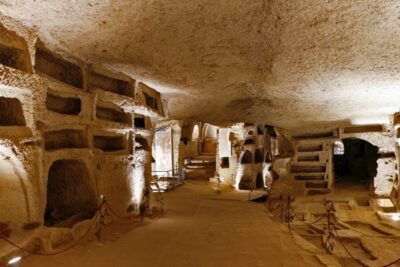 ★ 4.6Catacombs of San Gennaro Entry Ticket & Guided TourFrom $157,941 reviews
★ 5.0Pompeii Small Group Tour with an ArchaeologistFrom $356,593 reviews
★ 4.6Catacombs of San Gennaro Entry Ticket & Guided TourFrom $157,941 reviews
★ 5.0Pompeii Small Group Tour with an ArchaeologistFrom $356,593 reviews
Browse the lists this tour appears in