
Tour review · TOUR REVIEWS
Herculaneum: Tickets & Tour with a Local Archaeologist
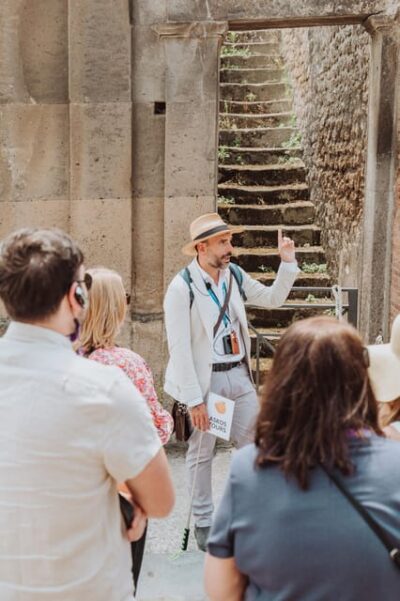
Herculaneum hits like a time machine. With skip-the-line entry and a licensed archaeologist leading the walk, you get past the setup fast and straight into rooms and streets that still feel shockingly real.
I love that the guide helps you read the site, not just look at it, and I also love how the place preserves both everyday objects and the human story of 79 AD. One possible drawback to plan for: the tour is only 2 hours, so the pace is brisk if you want to linger at every stop.
Key things to know before you go
- Skip-the-line access helps you spend time inside the ruins instead of waiting at the ticket counter
- Licensed archaeologist guide means you get context you cannot guess from stone and plaster
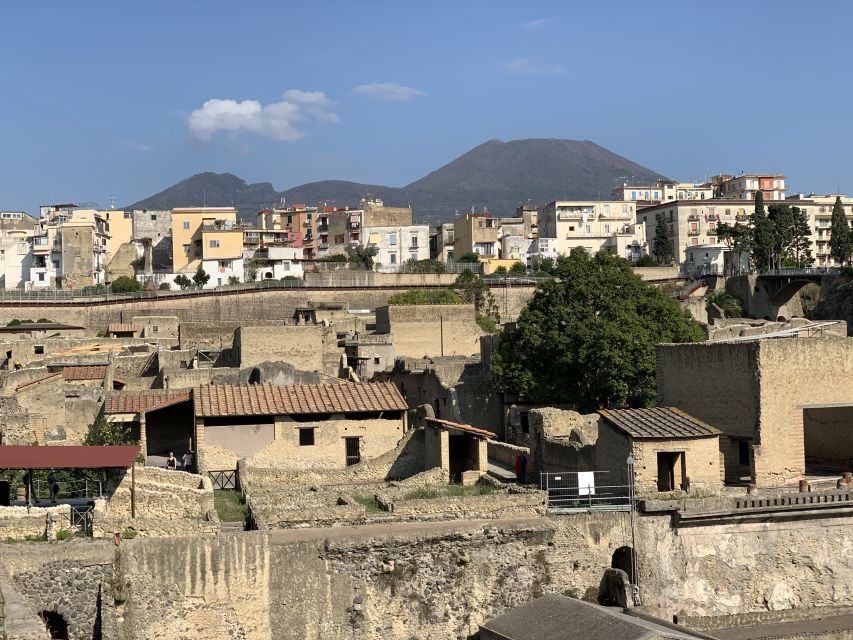
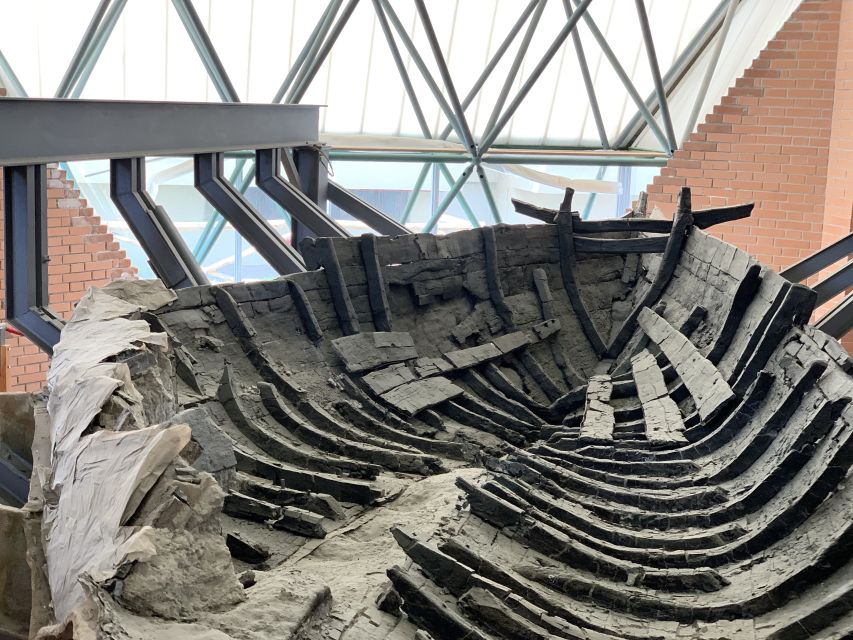
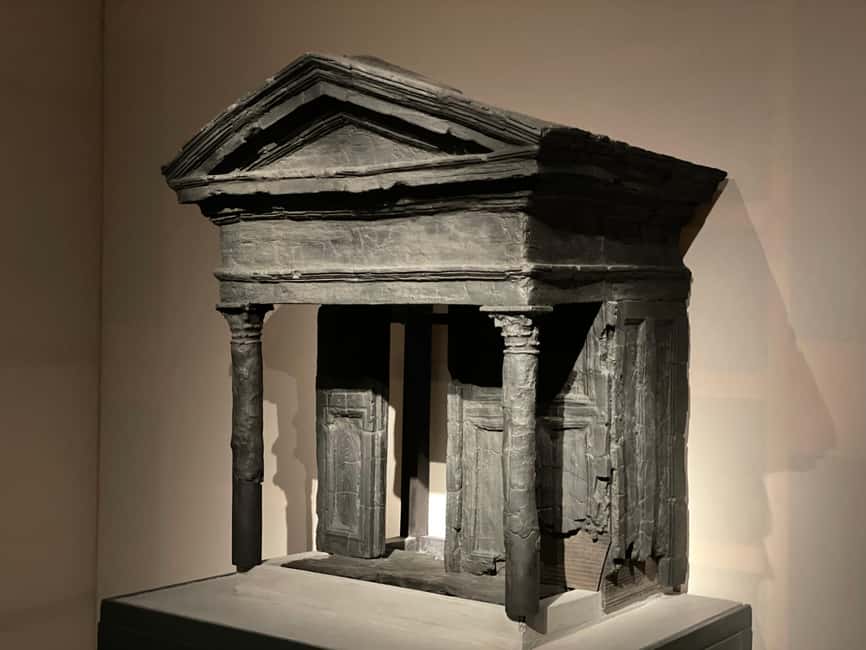
- Exceptional preservation lets you see villas, frescoes, mosaics, and even wooden items and carbonized food
- Original Roman streets and baths give you a clearer sense of how people actually moved through town
- House of Skeletons is emotionally intense, and a strong guide will help you handle it thoughtfully
Herculaneum feels human, not distant
Herculaneum is not just another pile of ruins. It is a Roman town that was sealed under volcanic material when Mount Vesuvius erupted in 79 AD, and the conditions were right for preserving far more than typical archaeological sites. You can see stone walls, yes, but you can also picture domestic life through details like wooden doors, beds, and furniture, plus carbonized food. That mix makes the whole place feel less like a museum and more like a world that paused.
What really makes Herculaneum worth your time is how it tells stories in layers. Pompeii is huge and loud. Herculaneum is smaller and more intimate. Here, you are walking streets and entering rooms where frescoes and mosaics still carry color and pattern. The difference matters because you start asking better questions, like what someone ate, how they cooled their home, and why certain spaces were designed for social life.
Start at Biglietteria Ercolano, then get straight to the good stuff
The tour starts at Biglietteria Ercolano. Plan to arrive about 10 minutes before the scheduled start so you can meet your guide calmly and not rush into the first rooms.
From there, the flow is straightforward: you move room to room and villa to villa, with guided stops that build a bigger picture as you go. It is not a quick drive-by. The structure is designed to help you notice relationships between spaces, like how a home connects to a public bath area, or how ritual spaces fit into a neighborhood’s rhythm.
One small planning note: this is a walk-through experience that covers several major points, so bring water and expect a bit of exertion. If you are sensitive to crowds, look for the smallest group option when available, since the tour includes headsets when groups are larger than 11.
Casa dei Cervi: where a villa shows you daily life
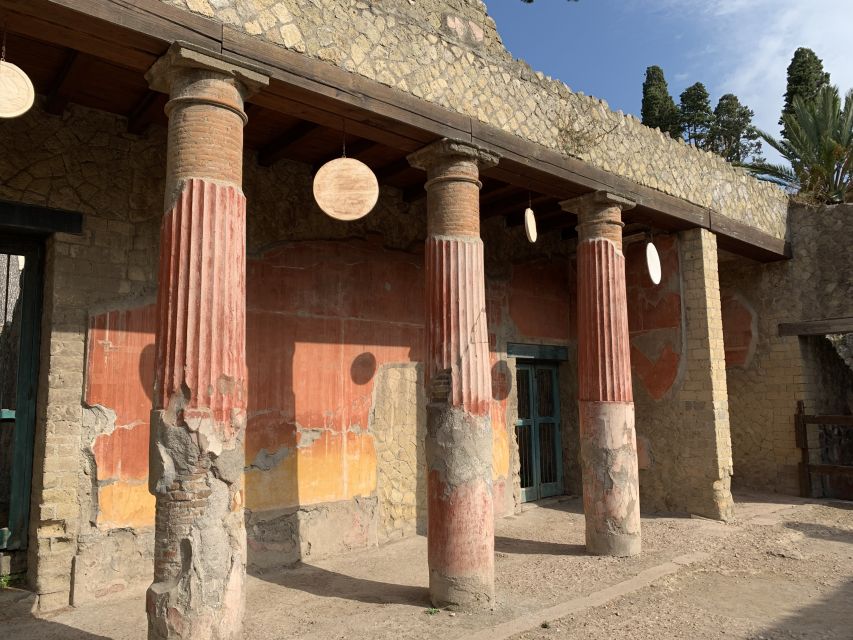
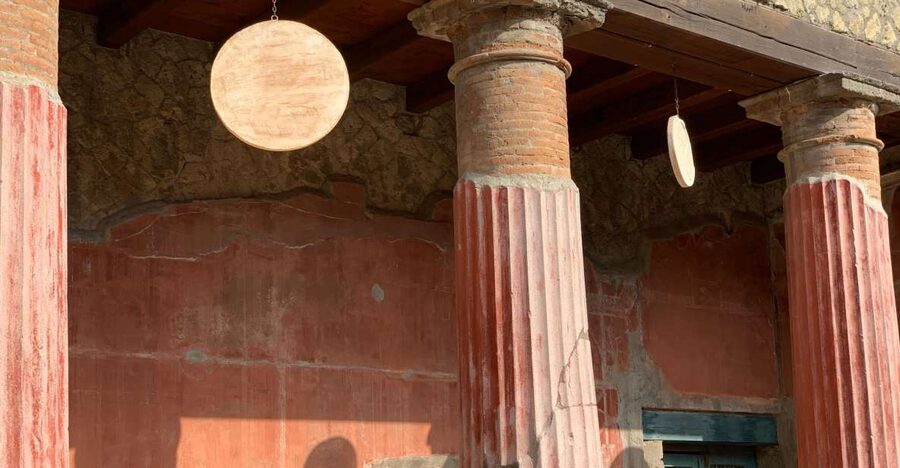
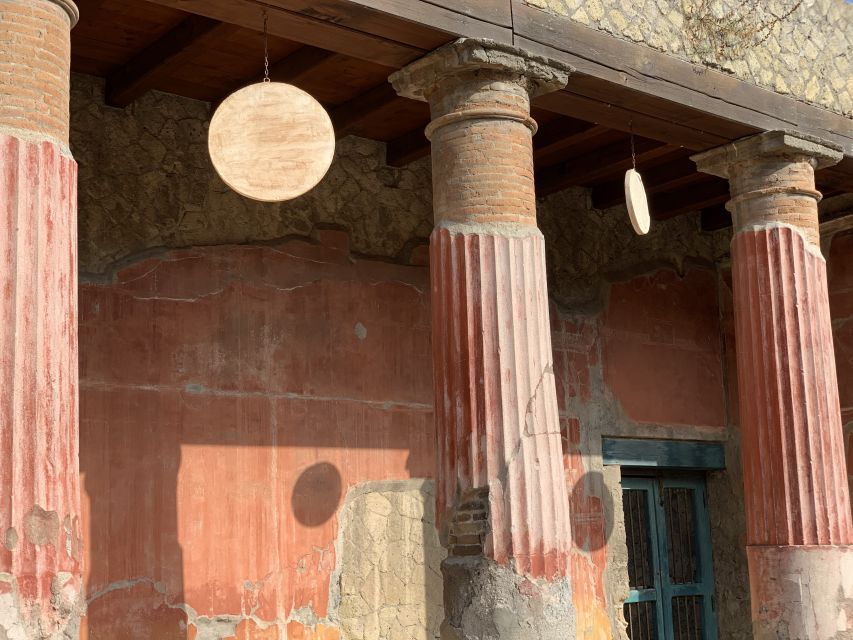
Casa dei Cervi (House of the Deer) is one of the villa stops that sets the tone for the whole visit. The name comes from imagery connected to the property, and the bigger value is what your archaeologist guide will help you notice.
In a villa like this, your goal is not to hunt for one perfect photo. Instead, listen for how the guide explains layout and function. Rooms are arranged for specific activities, and decoration is not random. Frescoes and mosaic details can hint at wealth, taste, and the way residents wanted to present themselves in public or semi-public areas.
A great guide will also help you connect art to real habits, like where people might gather, how light and movement work through the space, and how Roman homes blended comfort with display. That is the kind of explanation that turns a pretty ruin into a believable home.
Casa di Nettuno ed Anfitrite: mythology in plain sight
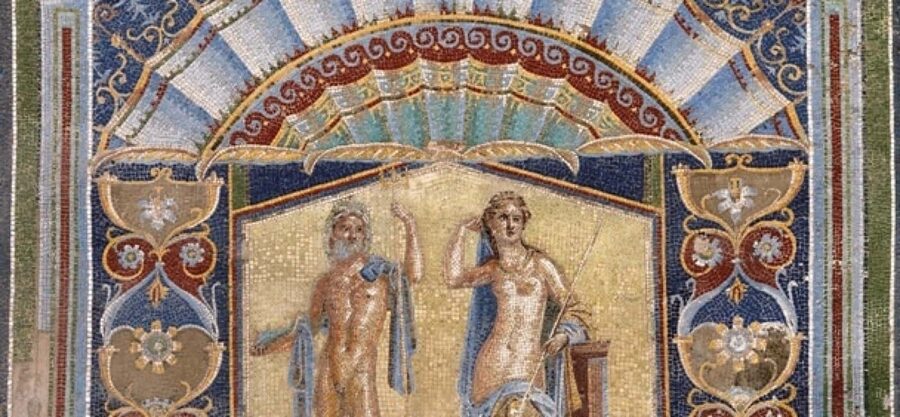
Next you step into Casa di Nettuno ed Anfitrite. The standout here is how myth and identity show up in everyday architecture. Neptune and Amphitrite are tied to water and sea power, and in Roman culture those themes could signal status and worldview.
What you want from this stop is interpretation. The guide should explain how the imagery relates to Roman beliefs and social signaling, not just what the scene depicts. When it clicks, the mosaics and frescoes stop being decoration and start working like a language.
You also benefit from the contrast between houses. Casa dei Cervi gives you one slice of elite domestic life, and Casa di Nettuno ed Anfitrite adds another. Together, they make it easier to see how wealthy Romans used art and space to create a private world inside a buried city.
Sacellum of the Augustales: religion, power, and community
Then comes the Sacellum of the Augustales. This is where the tour shifts from homes to a more communal, civic side of Herculaneum.
Even if you are not a history person, this stop matters because it helps you understand that Roman life was not only private. People belonged to organizations. They marked identity through worship and ceremony. A sacellum is a space set aside for ritual, and your guide can show you how that fits the social structure of the town.
A strong guide will connect what you see to why it mattered. You are not just looking at a room, you are seeing a setting where people likely gathered for meaning, status, and shared community. It is one of the most useful stops for building context across the rest of the walk.
House of Skeletons: the most difficult part, guided for a reason
The House of Skeletons is the emotional peak of the tour. The name is not subtle. You will learn about victims whose remains were found in the location, and the guide will explain what the final moments of 79 AD meant in human terms.
This is where an archaeologist guide is not just helpful, they are essential. A good guide knows how to keep the focus respectful and clear, and how to explain what you are seeing without turning it into spectacle. That approach shows up in the way guides handle contrast as well, since the wider region is known for different kinds of preserved bodies and the emotions they can trigger.
If you want a practical tip for how to experience this stop: slow down your mental pace. Let the guide’s explanation land, then look at the context around the remains. The surrounding rooms and pathways make the story more understandable, and they help you grasp how ordinary people ended up trapped in a terrifying event.
Also, this is exactly the kind of stop where you can feel the difference between a standard ruin walk and an expert-led one. The site alone tells part of the story. The guide connects the dots.
Casa dell’Albergo and the town feel you might miss otherwise
After the most intense stop, you move to Casa dell’Albergo, Herculaneum. This is where you get more of the sense of the town as a working place, not only as a collection of elite homes.
The value of this part of the walk is perspective. By now, you have seen homes and a ritual space. In Casa dell’Albergo, you get another lens on how buildings supported everyday life. A tour guided by experts is especially useful here because it helps you notice the small clues that would be easy to miss on your own, like how spaces might have served visitors, business needs, or communal routines.
And at this stage, your brain is also better calibrated. You start seeing patterns across the town, and you feel more connected to how the place functioned when it was alive, filled with movement, noise, conversations, and routine.
Original Roman streets and the public baths: where the city breathes
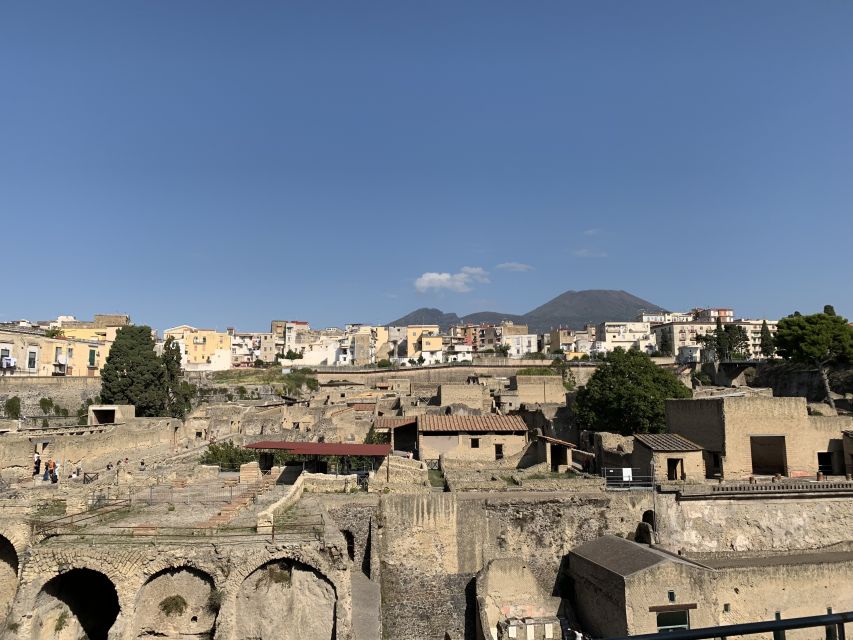
One of the best reasons to book a guided archaeologist tour is that you get to walk original Roman streets. That sounds simple, but it changes everything. The cobbled paths help you understand scale and movement. Instead of viewing rooms like isolated exhibits, you experience how people would have traveled from home to home, or from domestic areas to communal zones.
The public baths are another major highlight. Baths were social hubs and practical engineering projects at the same time. In Herculaneum, you can marvel at the clever water systems and how the town’s layout supported daily use.
This is also where your guide’s explanations pay off most. On your own, you might recognize the idea of baths. With an archaeologist, you start to see how the system worked and why it was built the way it was. You come away thinking about Roman engineering as something personal, not abstract.
If you love details like how cities handled water and temperature, this section can be the most satisfying part of the whole visit.
Your guide matters, and you can spot the difference fast
Many guides connected to this experience have strong academic credentials and a real talent for explanation. Names that have shown up in past tours include Enrica, Carlo, Giovanni, Livio, Riccardo, and Dr Rafaelle Romano, with praise for clarity, storytelling, and real passion for the site.
The big takeaway for you is what to listen for. A top guide makes you feel like you are understanding the site in real time. You hear why a space was arranged a certain way, you learn what details matter, and you leave with stories that stay in your head.
I also like that this tour can be narrated in Spanish, English, Italian, and French, which helps if you have a group where everyone needs to follow closely.
Photo stop, then a final guided pass through the archaeological site
The tour includes a photo stop and a final guided visit within the archaeological site. This is your chance to anchor the experience, not just document it. After you have seen the main points, you can take pictures with context, which makes your memories far more usable later.
If you are traveling with family or friends who want to stop for visuals, this built-in moment helps. It also keeps the tour from turning into a series of interrupted explanations.
Price and value: $58 for a real expert-led experience
At $58 per person, this tour costs less than many private-led add-ons you might book in Naples and the region. The value is in the combination: skip-the-line entrance tickets plus guided interpretation by a licensed archaeologist, with headsets included if the group exceeds 11.
That headset detail matters more than you might think. Ruins are noisy in a certain way, and a guide who uses a microphone effectively, paired with headsets, means you can actually hear the good parts of the explanation. If you care about understanding what you are seeing, that is where the money goes.
Also, think about opportunity cost. In two hours, you are hitting the major preserved areas that most people want to see. If you were to do it alone, you could still enjoy Herculaneum, but you would likely miss layers that make the site feel so alive.
Who should book this Herculaneum archaeologist tour
This tour is a strong fit if you want more than ruins in the background. I would book it if you care about Roman daily life, design, art, and the human side of 79 AD, especially the preserved evidence like frescoes, mosaics, wooden items, and the remains found at key spots.
It is also a good match if you have done Pompeii already or plan to do it later. Herculaneum is different in feel and preservation, and the guided interpretation makes that contrast easier to understand.
If your group is extremely time-limited, keep in mind the 2-hour duration. It is packed. It can feel fast, but it is also why you get to see the essentials without losing the thread.
Quick heads-up: pace, language, and what to bring
Bring passport or ID card and water. That matters because the tour focuses on moving through multiple spaces in a short timeframe.
For the “how it feels” part: the experience depends on the group size and the guide’s delivery. In smaller groups, you tend to get more room for questions and closer attention. In larger groups, the headset feature helps, but the pace still stays efficient.
One more consideration is emotional readiness. The House of Skeletons stop is intense, and it is meant to be handled with care. If you know your comfort level, plan accordingly.
Is it worth booking? My decision guide
Book this tour if you want Herculaneum to make sense. With skip-the-line entry and a licensed archaeologist guide, you get expert interpretation that turns preserved streets and rooms into a coherent story of Roman life and catastrophe. The $58 price makes sense when you compare it to the cost of entry plus the value of real on-site expertise.
Skip it only if you want total freedom to wander slowly without structured stops, or if your group is likely to struggle with a tighter schedule. For most people, though, this is one of the best ways to see Herculaneum for what it really is: preserved time, explained by someone who understands the evidence.
FAQ
Where is the meeting point for the tour?
The meeting point is at Biglietteria Ercolano.
How early should I arrive before the tour starts?
You should arrive about 10 minutes before the tour begins at the ticket office.
How long is the guided tour?
The tour duration is 2 hours.
Does this tour include skip-the-line access?
Yes. It includes skip-the-line entrance tickets to the archaeological site.
What is included with the tour price?
The tour includes a guided visit with a licensed guide, skip-the-line entrance tickets, and a headset if the group exceeds 11 people.
What languages are the guides available in?
The live tour guide is available in Spanish, English, Italian, and French.
Is there a headset if the group is large?
Yes. Headsets are included in case the group exceeds 11 people.
What should I bring?
Bring a passport or ID card and water.
Are food and drinks included?
No. Food and drinks are not included.
Is this tour wheelchair accessible?
It is not suitable for wheelchair users. Electric wheelchairs are not allowed.
Tour Reviews, compared.
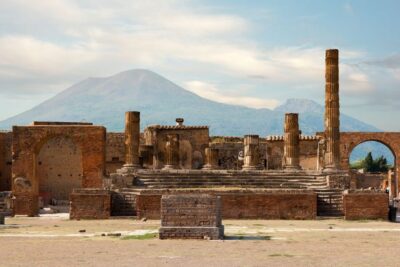
 ★ 4.8Pompeii: Entry Ticket and Guided Tour with an ArchaeologistFrom $3519,459 reviews
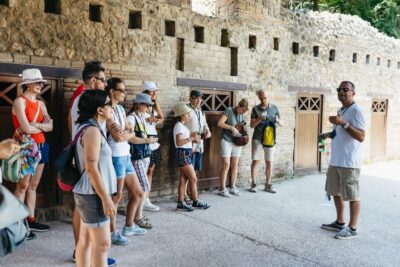
 ★ 4.2Pompeii: Entry Ticket with Optional Audio GuideFrom $2612,360 reviews
 ★ 4.8Pompeii: Small Group Tour with an ArchaeologistFrom $4012,264 reviews
 ★ 4.3Pompeii Ruins & Mount Vesuvius Day TourFrom $12011,459 reviews
 ★ 4.6Sorrento, Positano and Amalfi Full-Day TourFrom $10710,988 reviews
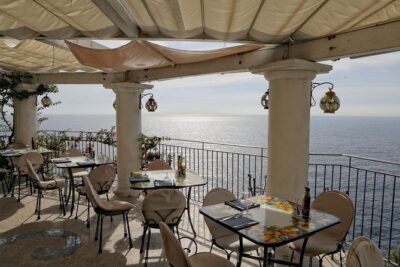 ★ 5.0Sorrento, Positano & Amalfi Coast – Small Group TourFrom $768,643 reviews
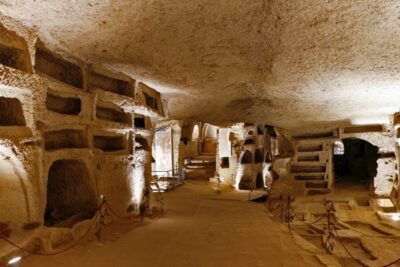 ★ 4.6Catacombs of San Gennaro Entry Ticket & Guided TourFrom $157,941 reviews
★ 5.0Pompeii Small Group Tour with an ArchaeologistFrom $356,593 reviews
★ 4.6Catacombs of San Gennaro Entry Ticket & Guided TourFrom $157,941 reviews
★ 5.0Pompeii Small Group Tour with an ArchaeologistFrom $356,593 reviews
Browse the lists this tour appears in