
Tour review · TOUR REVIEWS
Naples: Pompeii and Herculaneum Private Walking Tour
Vesuvius left a paper trail in stone. I love how Herculaneum feels intimate and remarkably intact, while Pompeii feels big and alive, even in ruins. The main drawback to plan for is the pace and walking time, plus the practical limits like no umbrellas or backpacks, and it is not set up for wheelchair users.
If you want the fastest way to make sense of 79 AD, this is a smart combo. You get a live guide for the two key sites, and you can ask questions in a long list of languages, including guides like Michele, Giulia, Jasmine, Maria Laura, Paulo, and Alexander, each with their own style of explanation.
Key Things That Make This Tour Worth Your Time
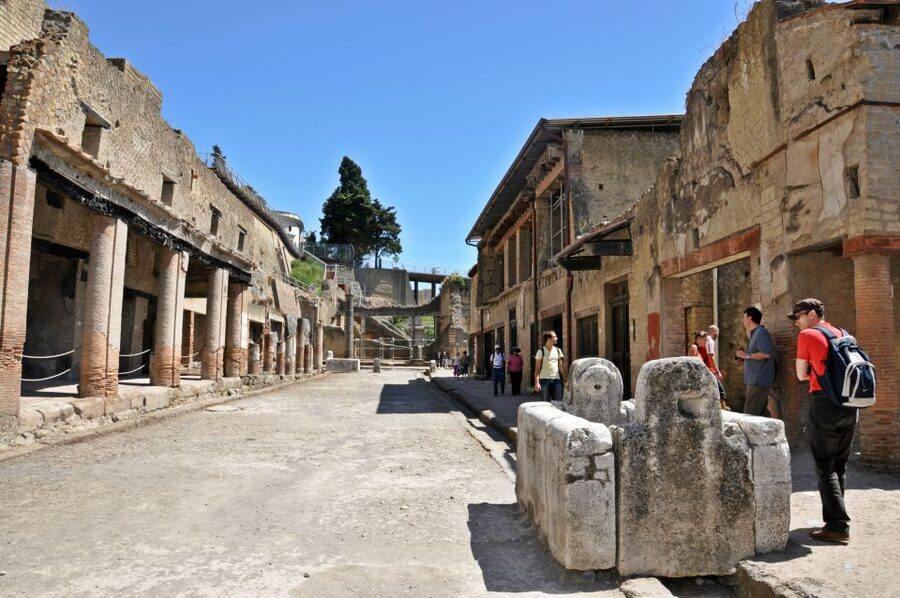
- Herculaneum’s preservation effect: second storeys, carbonized wooden items, intact wall paintings, and mosaics are still visible
- Pompeii’s western focus: a guided look at the most important public spaces plus homes and shops in the western part
- Skip-the-line handling: you are guided through entry so you waste less time at the gates
- Private format: your questions set the rhythm, not a fixed group script
- Clear comparison of two disasters: mud and ash create two very different kinds of “Roman day-to-day”
- Heat-tested itinerary: reviews repeatedly flag how hot it can get, so plan for sun and water
Why Herculaneum and Pompeii Belong Together
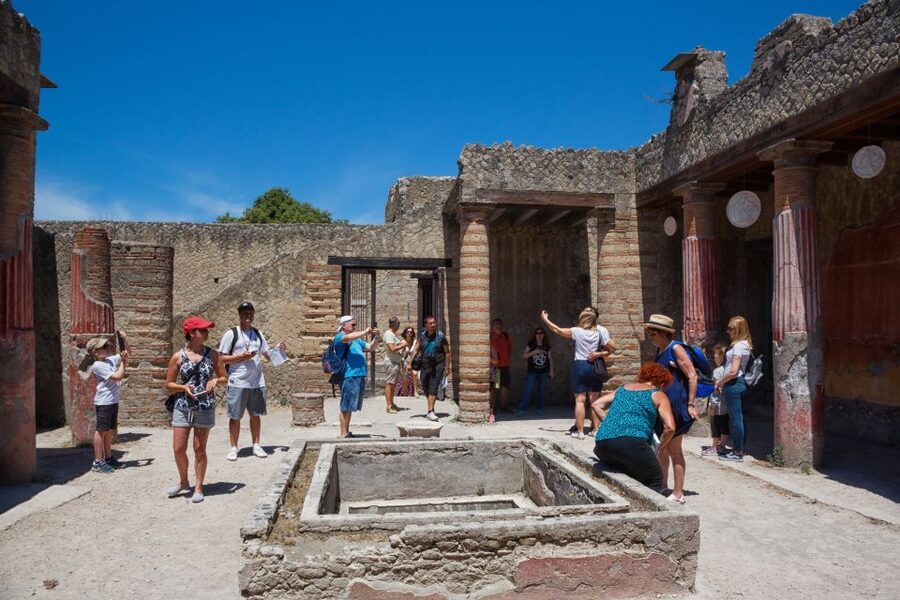
I like tours that answer a real question: what did Rome look like right before Vesuvius ended it? Put Herculaneum and Pompeii side by side and the story gets easier, because each site shows a different kind of survival.
Herculaneum is smaller and better preserved, so you can picture daily life in a very physical way. Pompeii is larger and reads more like a city, with bigger stretches of street, more public buildings, and a stronger sense of urban scale.
And you get both on one half-day. That matters because most people only have a limited Naples window, and trying to do this pair alone can turn into a messy day of timetables, maps, and guessing what you are actually seeing.
You can also read our reviews of more walking tours in Naples



Getting Oriented at Via dei Papiri Ercolanesi
Your tour starts at the ticket office of the Herculaneum ruins. The guide meets you at the entrance gate holding a sign with your name on it, which is genuinely helpful when you are doing this in a new place.
The starting address listed is Via dei Papiri Ercolanesi, so it is worth confirming the exact meeting point the day before you go. Then you are set up for an easy start instead of wandering around looking for the right gate, especially if you arrive with only a little time to spare.
This is also one of those tours where being ready with the right basics helps. Bring your passport or ID card, wear comfortable shoes, and plan for sun with a hat and water.
The 2-Hour Herculaneum Walk: Smaller City, Bigger Impact
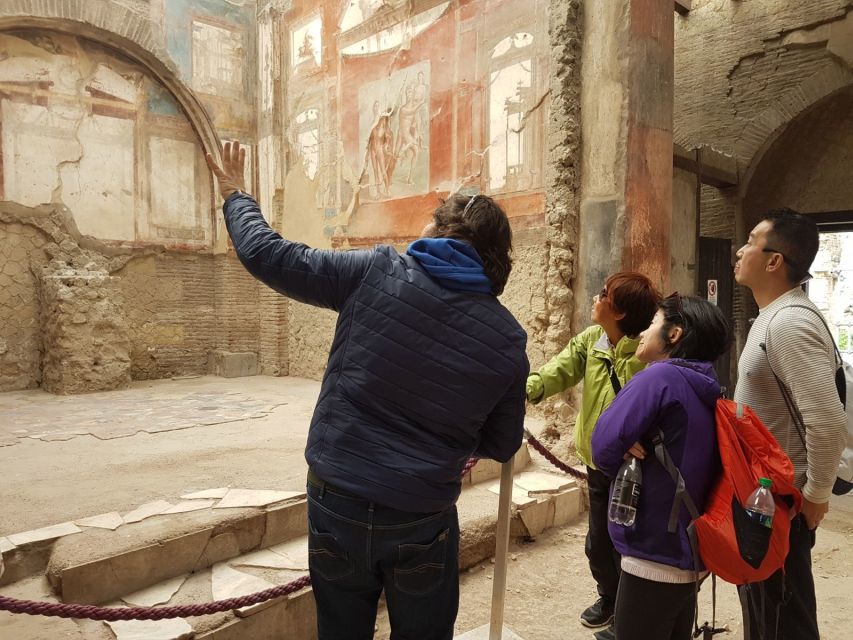
Your Herculaneum portion is guided for about two hours. This is the moment where the ruins stop being “cool photos” and start behaving like a real place.
Here is why Herculaneum hits: it was buried differently than Pompeii. Pompeii went under 4 to 5 meters of ash, but Herculaneum was buried under mud about 20 meters thick. That difference changes what you can still see.
Herculaneum often feels like you are walking through a Roman neighborhood with fewer gaps and more surfaces left behind. You are not just looking at ruins, you are seeing fragments of rooms that let your brain fill in the life.
What You Can Still See in Herculaneum, and Why It Matters
This is where a good guide earns their fee. A guide should help you notice details that your eyes might otherwise miss.
In Herculaneum, pay attention to the fact that you can see second storeys. That vertical survival makes the architecture feel closer to how people actually lived and moved inside their buildings. You also get to look for carbonized wooden objects, which is a haunting reminder that organic materials were there, even if you have to process what that means.
Another standout is the visibility of intact paintings and mosaics. Those are not just decoration. They reflect taste, status, and daily routines. When your guide connects the artwork and floor patterns to Roman household life, the site becomes a lesson, not a scavenger hunt.
The tone of the experience is often praised because it feels structured but not stiff. Guides like Giulia and Jasmine are described as engaging, with humor or detailed answers that keep you from feeling lost in the sheer scale of the site.
Transfer Time: Train Between Sites
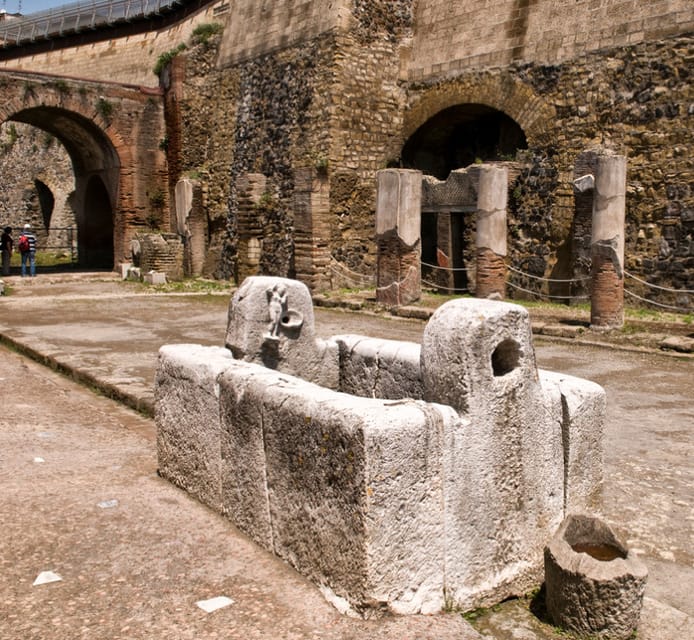
Between Herculaneum and Pompeii, the tour includes a train segment. The big practical point is that transportation is not included as a separate item in the tour price, so you should expect to handle the transfer arrangements.
Also, since both ruins involve walking, you will appreciate this pacing. It helps you avoid doing all the walking in one continuous block, which matters if you are sensitive to heat or tired feet.
You can also read our reviews of more private tours in Naples






Arriving in Pompeii: A 2-Hour Guided Focus on the Western Quarter
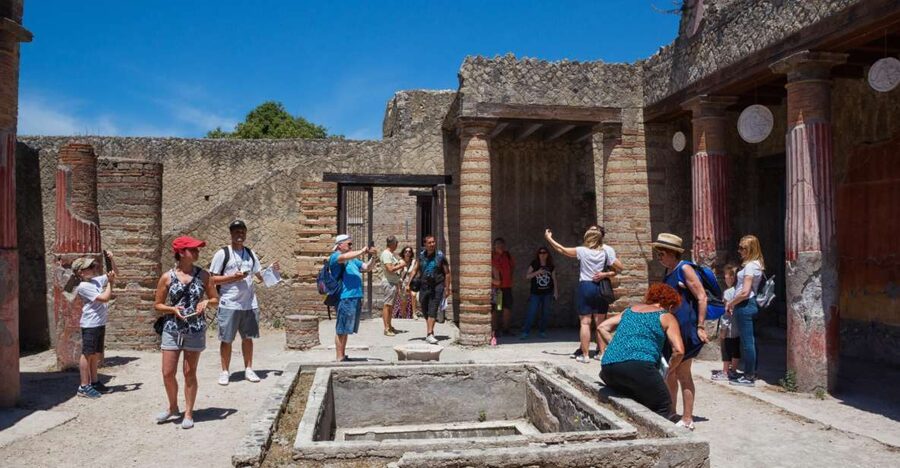
Pompeii is much larger, so your time needs a plan. The guided portion here lasts about two hours and focuses on the western part of the ancient city.
That western focus is useful because it concentrates on areas with the most important public buildings and a range of private spaces like homes and shops. In other words, you get both civic life and the “what did people do day to day” feel, rather than wandering randomly across the city grid.
If you are short on time, this is exactly the advantage of a guided structure. Your guide helps you connect what you see to how Romans actually lived, and that makes the ruins easier to understand when you are back on the street outside the gates.
Seeing Pompeii Like a Real City, Not Just Ruins
Pompeii can be overwhelming if you go in with no map of meaning. The streets are impressive, but the value comes when a guide gives you the reasons behind the layout.
Your Pompeii walk is designed to highlight how Romans lived alongside their public spaces. Think markets and shops, then step into the larger civic mood, and then move back toward household life.
One practical tip: pace yourself while you are walking. Pompeii is a bigger mental load than Herculaneum because there is more to compare, more to remember, and more decisions about which stops are worth lingering over.
From the guides mentioned in feedback, the tone is usually strong on questions. People describe Paulo as speaking very good English and making it easy to imagine life before the eruption. Alexander is also praised for explaining things well, with an honest note from one review that it was just really hot.
Private Guide Value: Why This Format Usually Pays Off
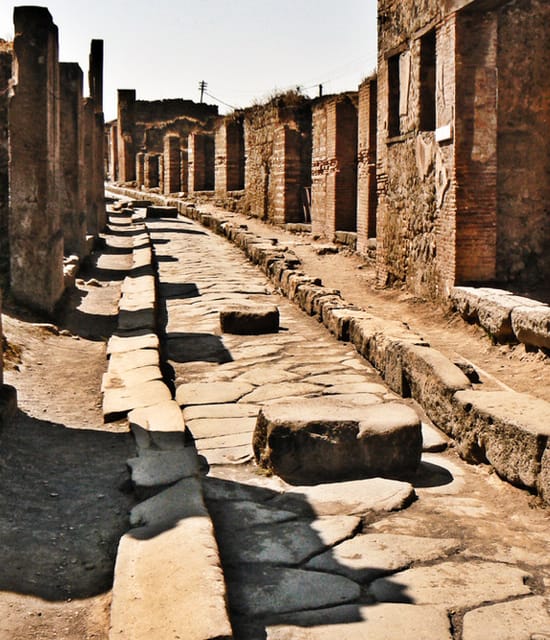
The biggest reason this tour feels different is the private group setup. That means you can ask follow-up questions without worrying about holding up a large crowd.
You also get a guide who can adjust the pace to your interests. Some people want more architecture. Others want daily life details. The private format makes that flexible.
Languages are another value point. The live guide can be English, Spanish, Italian, French, German, Russian, Chinese, Japanese, or Portuguese. That breadth matters if you want accurate explanations without translating your way through major ideas.
And yes, the ticket line is handled. You skip the line, which saves time and reduces stress, especially in busy seasons.
Timing and Pace: How to Avoid Feeling Rushed
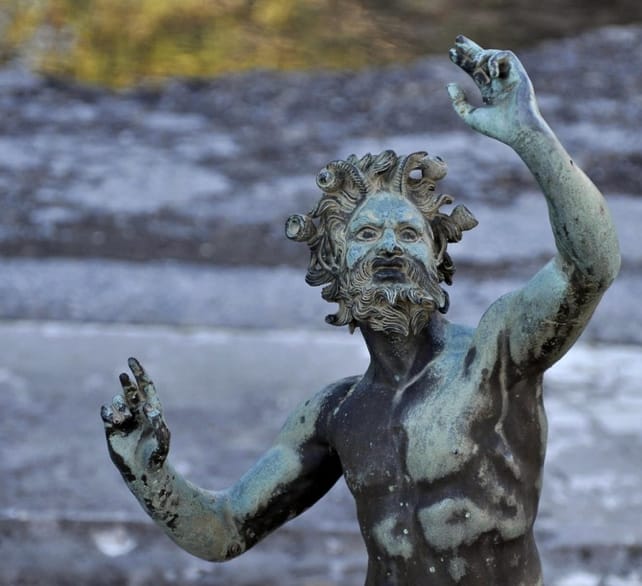
With a total duration of about 5.5 hours, you are moving through two sites without hours and hours of free time at each. That is not a flaw, it is the trade.
Your tour structure is built around two guided blocks, about two hours each for Herculaneum and Pompeii, which leaves the rest for travel and transitions. This is a great fit if you want a guided overview that still gives you real sightlines.
What could feel tight is if you are the type who wants to stop at every single corner for a long photo session. If that is you, consider going a little slower with photos in Pompeii, since Herculaneum often gives you the strongest “wow per minute” feel.
Also plan for heat. If you travel in warmer months, bring your water early and refill when you can. One review specifically called out how hot it got, so this is not something to ignore.
Practical Tips That Make the Day Easier
Here are the details that can quietly make or break your comfort.
Wear comfortable shoes. The ruins involve uneven stone, slopes, and lots of walking time. If your shoes are stiff or slick, you will feel it by the time you hit Pompeii.
Bring a sun hat and water. You are outside for much of the time, and the ruins do not offer constant shade.
Have your ID or passport ready. You will need it, and it helps to have it in a secure pocket.
Do not bring umbrellas or backpacks. The rules are explicit: umbrellas are not allowed, and backpacks are not allowed. If you travel with a daypack, you might need a different plan for storage.
Lastly, note that the tour is not suitable for wheelchair users, so if that is relevant, you should look for another format.
Price: Is $331.36 Per Person a Good Deal?
The headline price is $331.36 per person, and private tours can look expensive at first glance. Here is how I judge value on this one.
You get:
- a private guide
- entrance tickets to Herculaneum Ruins (16.00 euros each)
- Pompeii Express entrance tickets for Pompeii
- a guided experience at both sites, about two hours each
- skip-the-ticket-line support
What you do not get:
- transportation
- food and drinks
- personal expenses
So the value depends on what you would otherwise pay. If you are trying to do both sites independently, you would still pay for tickets and spend time figuring out what to prioritize. Here, you are paying for time saved and interpretation delivered, plus the peace of mind of someone meeting you and guiding you through.
If you are traveling as a pair or small group, this can feel more reasonable, because the guide cost is shared. If you are traveling solo, it is still a solid value if you truly want guided meaning in limited time.
One more smart note: on the first Sunday of each month, entrance is free of charge. Tickets cannot be reserved ahead of time, so entry is not guaranteed. That means you should not count on free entry unless your plan can handle a possible no-show at the gate.
Who This Tour Suits Best
This is a strong choice if you want:
- a guided comparison of Herculaneum vs Pompeii
- structure in a limited half-day
- time saved by skipping the ticket line
- a private setting where questions are welcome
- explanations in your preferred language
It is also a good fit if you like history that feels practical. Instead of only hearing about emperors and dates, you are led through how Romans lived and what survived when Vesuvius shut it all down.
If you want a fully self-paced day with lots of lounging and wandering, you may find the guided structure a bit strict. But if you want clarity and momentum, this tour has the right shape.
Should You Book This Pompeii and Herculaneum Private Walking Tour?
I would book it if you care about understanding what you are seeing and you only have about half a day to do it right. The combo is the point: Herculaneum gives you that astonishing preservation, while Pompeii gives you the city scale and the lived-in feeling of Roman streets.
You should think twice if you hate heat, if you need gear like an umbrella or backpack, or if you want wheelchair-friendly access. For everyone else, the format is hard to beat: a private guide, guided time at both sites, and real help making sense of ruins that are otherwise easy to view as just stone.
If you do book, go in with a simple mindset: in Herculaneum, look for what survived and why that changed what you can still see. In Pompeii, look for how the city functioned, then let your guide connect the public buildings and everyday spaces.
FAQ
How long is the Pompeii and Herculaneum private walking tour?
The total duration is 5.5 hours. Starting times depend on availability.
Where do I meet the guide?
The guide meets you at the ticket office of the Herculaneum ruins, at the entrance gate. They hold a sign with your name on it, and the tour ends back at the meeting point.
What is included in the tour price?
Inclusions include a private guide, entrance tickets for Herculaneum Ruins (16.00 euros each), and Pompeii Express entrance tickets to Pompeii. Skip the ticket line is also part of the experience.
What is not included?
Transportation, food and drinks, and personal expenses are not included.
What should I bring, and what is not allowed?
Bring your passport or ID card, comfortable shoes, a sun hat, and water. Umbrellas and backpacks are not allowed.
Is the tour suitable for wheelchair users?
No, this activity is listed as not suitable for wheelchair users.
More Walking Tours in Naples



More Tours in Naples




More Tour Reviews in Naples

Not for you? Here's more nearby things to do in Naples we have reviewed









Tour Reviews, compared.
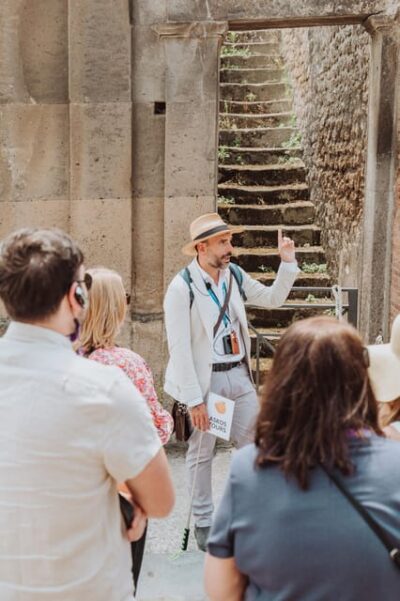 ★ 4.8Pompeii: Entry Ticket and Guided Tour with an ArchaeologistFrom $3519,459 reviews
 ★ 4.2Pompeii: Entry Ticket with Optional Audio GuideFrom $2612,360 reviews
 ★ 4.8Pompeii: Small Group Tour with an ArchaeologistFrom $4012,264 reviews
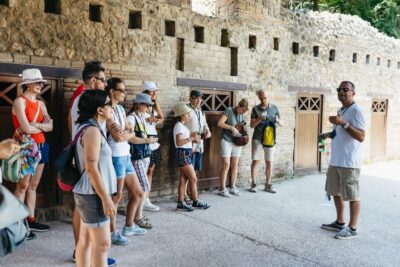 ★ 4.3Pompeii Ruins & Mount Vesuvius Day TourFrom $12011,459 reviews
 ★ 4.6Sorrento, Positano and Amalfi Full-Day TourFrom $10710,988 reviews
 ★ 5.0Sorrento, Positano & Amalfi Coast – Small Group TourFrom $768,643 reviews
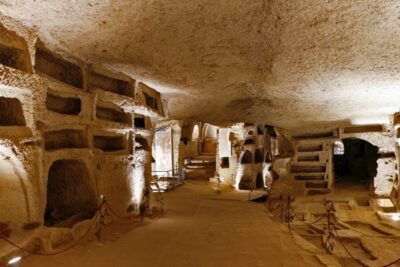 ★ 4.6Catacombs of San Gennaro Entry Ticket & Guided TourFrom $157,941 reviews
★ 5.0Pompeii Small Group Tour with an ArchaeologistFrom $356,593 reviews
★ 4.6Catacombs of San Gennaro Entry Ticket & Guided TourFrom $157,941 reviews
★ 5.0Pompeii Small Group Tour with an ArchaeologistFrom $356,593 reviews
Browse the lists this tour appears in