
Tour review · TOUR REVIEWS
Naples: Sansevero Chapel Ticket and Guided Tour
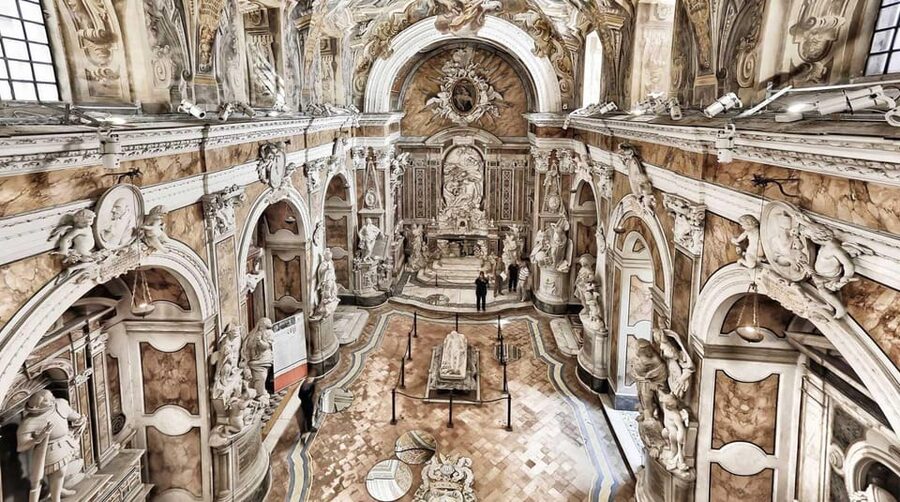
The Cappella Sansevero feels like a secret lab of art. You get guided entry to one of Naples’ most talked-about chapels, with the story of Prince Raimondo di Sangro stitched into what you see. Two words that keep coming up for this tour style: organized and interpretive, so you spend your limited time inside understanding why the artwork was made.
What I like most is how the guide makes the big masterpieces easier to process fast, especially the Veiled Christ and the chapel’s surreal anatomical sculptures. Second, I love that you’re not on your own trying to decode symbolism, because you hear the why behind the marble, not just what it looks like.
The main drawback to keep in mind is time pressure. The chapel is small, entry is strictly timed, and even with a guide you can feel the clock ticking, especially if it’s crowded or audio is hard to hear in spots.
Key things you’ll notice on this Sansevero Chapel tour
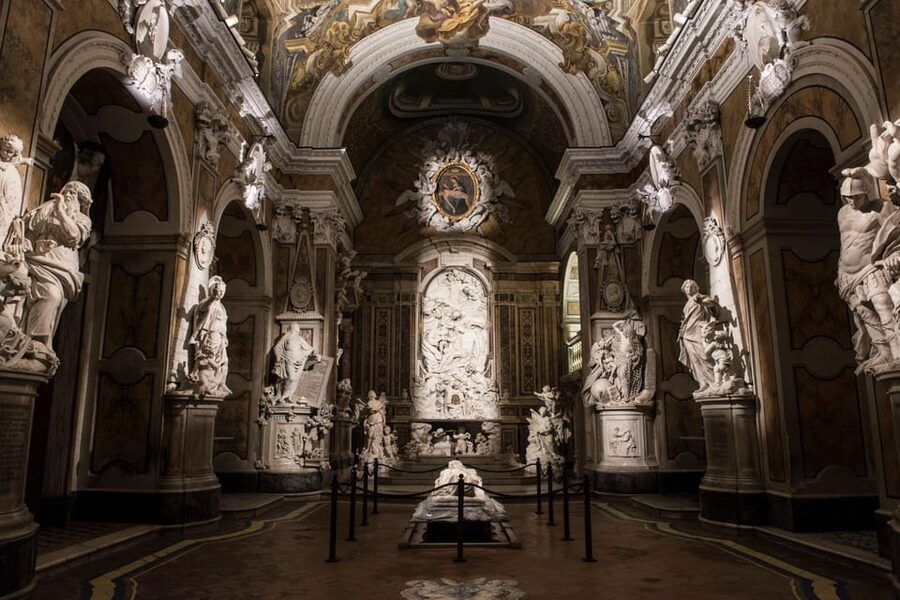
- Veiled Christ, explained in plain language, so you understand the technique and the drama of the effect
- Anatomical Machines and Prince Raimondo di Sangro, connected into one weird, fascinating story
- A guide-led route that helps you prioritize what to look at first when you have limited minutes
- Timed entry, so you should expect the chapel visit to be short once you’re inside
- No photography inside, which changes the way you experience the sculptures (you look longer with your eyes)
- Real-world pacing tips, including how groups move while waiting to enter
Cappella Sansevero: a chapel that feels like a science and art crossover
Cappella Sansevero is one of those rare places where art and ideas overlap in a big way. You’re not just walking past statues, you’re walking into a curated worldview tied to Prince Raimondo di Sangro, an eccentric figure whose interests are often described as a blend of art, science, and alchemy.
That matters because without context, you can admire the marble and still miss the point. With a guide, you start noticing patterns. What looks like pure miracle becomes a deliberate message, with symbolism you can actually track from one room element to the next.
More Naples tours, ruins, coast days, and city experiences to compare


Meeting points in Naples, and the timed entry reality
Your meeting point can vary depending on the option you book, with common start locations including Piazza Cardinale Sisto Riario Sforza and Duomo di Santa Maria Assunta. One listed meeting point is at Piazza San Domenico Maggiore, where the guide waits in front of the Palazzo Petrucci pizzeria.
Here’s the practical advice: arrive a few minutes early and confirm you’re at the right spot for your specific starting option. One thing to expect is that even when the tour helps with access, the chapel entry is still strictly timed. That means you might still line up before you’re escorted in, depending on the day.
The tour duration is listed as 35 minutes up to 2.5 hours, which usually means walking time, waiting time, and then a shorter in-chapel window. If you dislike waiting in tight places, plan to show up calm, not rushed. The guide’s job is partly to keep things moving and help you not lose your place.
Inside the chapel: how to make the most of a short visit

The chapel itself is compact. Once you’re inside, you don’t have time to wander slowly and read every surface like a book. In practice, the visit window can be around half an hour, so your experience comes down to focus.
With a guide, you get a route that helps you see the famous works first and understand the smaller details second. If you’re the type who loves a checklist, this is good news. If you hate being rushed, just mentally reset your expectation: treat it like a high-impact highlight reel, not a long museum stroll.
Two practical things that help:
- Put your phone away. Photography is not allowed inside, so you can stop trying to capture everything and just look.
- Listen for the guide’s signposting. When a guide tells you what to watch for, you start seeing the same sculpture in a completely different way.
The Veiled Christ: the point is not just the look
The Veiled Christ is the headline for a reason. You’ll see a figure that looks as if a veil of something delicate, like cloth made of mist, wraps around the body. Up close, the effect is what makes people pause and then lean in for another look.
What’s useful on a guided visit is that you don’t just stare, you learn what creates that optical illusion and how the sculpture is built to trick your eye. Your guide also handles the myths and lore around its creation, and that’s part of the magic. You’ll start to understand why the chapel became famous beyond Naples, even among people who don’t usually visit religious sites for art alone.
This is also the moment where you’ll feel the crowd. If the group gets a bit tight, follow your guide’s directions for where to stand for the best view. The guide is there to help you find the angles that show the “veil” effect most clearly.
Anatomical Machines and Prince Raimondo di Sangro: the story behind the weirdness
After the Veiled Christ, the tour shifts from breathtaking technique to unsettling curiosity. You’ll explore the Anatomical Machines, and your guide will connect them to Prince Raimondo di Sangro and his reputation as an unusual thinker.
Even if you’re not into science history, these pieces land because they create a specific emotional tone. The marble is both beautiful and uncanny, like someone turned anatomy into theatre. With a guide, you get the narrative thread, so the sculptures don’t feel random. You understand the ambition, and you understand why a chapel would contain objects that seem to belong in a laboratory.
If you love learning that goes beyond dates and names, this portion is for you. It turns Prince Raimondo into a character, not just a caption under a plaque.
You can also read our reviews of more guided tours in Naples
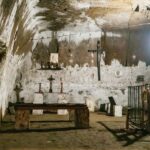




Frescoes and symbolic meanings: why the guide turns sight into understanding
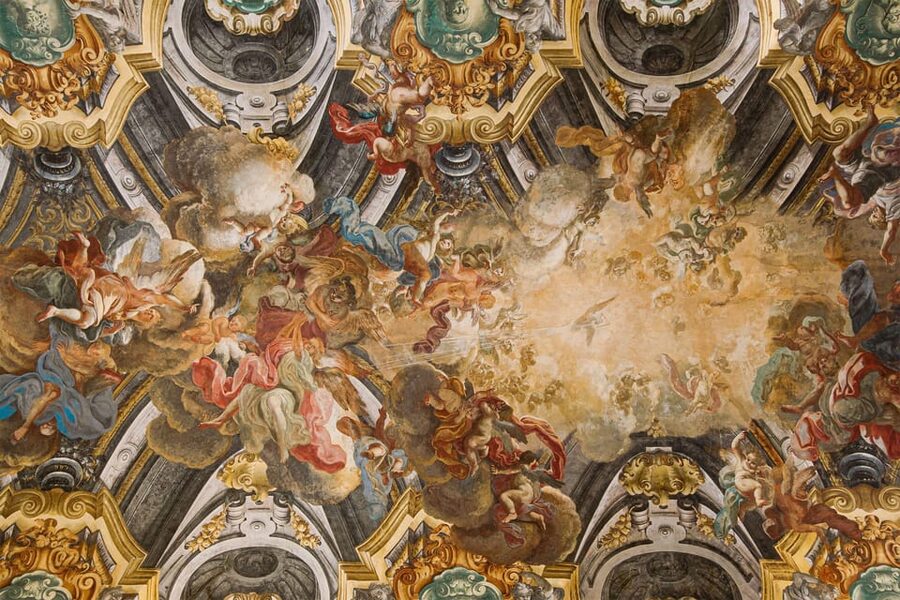
The chapel has more than sculpture. You’ll also see frescoes and intricate details, and the guide explains the esoteric and symbolic meanings tied to the artworks. That is the biggest difference between a self-paced visit and a guided one.
When you hear what to look for, you stop treating the chapel like a collection of pretty objects. You start reading it like a message system. That’s especially important here because several works are emotional, not purely decorative. The statue themes include ideas like virtue, temptation, and human transformation, and the symbolism is part of why people remember the chapel more than they expect to.
If you’re traveling with someone who’s less interested in art, this tour can still work because the guide’s explanations give the sculptures personality and motivation. You’re not asking your companion to care about marble. You’re showing them what the marble is trying to say.
Guide-led pacing, group size, and hearing the explanations
One of the highest praises for this tour is the guide style. People highlight guides such as Danilo for being passionate and engaging, giving details while walking and while waiting to enter. Another guide name that shows up is Michele, often described as friendly and professional, with structured explanations.
Still, there’s a practical sound issue to consider. The chapel can be crowded, and ambient noise can make it harder to hear. One person specifically noted that they struggled because they did not have earphones. That tells me you should come prepared to hear clearly, and if you know you have hearing trouble, consider bringing your own hearing aid settings or assistive device if you use one.
Pacing is also part of the value. A guide helps you absorb more in less time, and that’s exactly what you need in a small space where you’re limited by timed entry.
Rules to plan around: no photos inside
Photography is not allowed inside, and that rule shapes the experience. At first, it can feel like you’re missing an easy way to remember details. But after a few minutes, it often changes your behavior in a good way. You look longer. You stop trying to “catch” the shot and start studying the surface textures, the way light shifts over forms, and the visual rhythm across the room.
So yes, you’ll want pictures. But here, the better souvenir is the memory you build in your head.
Price and value: what $33 buys you in Naples time
At about $33 per person, this tour isn’t a bargain, but it also isn’t overpriced for what you’re getting. You receive a local guide, a guided visit, and entrance ticket coverage. You also get help with one of Naples’ most time-sensitive problems: timed access to a popular site.
Is it cheaper to book tickets yourself? Often, yes. But you’re paying for interpretation and for saving mental effort. In a chapel where time inside may be around 30 minutes and rules are strict, a guide can make those minutes count. You spend less time wondering what you’re looking at and more time understanding why it’s famous.
If you’re the kind of traveler who likes reading quietly in museums, you might prefer self-paced entry. If you like your “why” with your “wow,” the guide is the difference between seeing and understanding.
Who should book this Sansevero Chapel tour?
I think this tour is a strong fit if:
- You want the big masterpieces and the main story without piecing it together yourself
- You enjoy art that has layers, symbolism, and rumors attached
- You’re short on time in Naples and want a tight, efficient visit
- You like having a guide in your ear, especially where a place is small and timed
It might be less ideal if:
- You hate crowds and you want long, slow viewing time
- You need guaranteed clear audio in very noisy settings, since hearing can vary by day and setup
- You want unlimited time inside, because the visit window is limited by timed entry
Should you book this Sansevero Chapel tour?
If you’re visiting Naples and you care about seeing Cappella Sansevero in a way that sticks, I’d book it. The Veiled Christ is worth your attention, and the Anatomical Machines and Prince Raimondo di Sangro story are exactly the kind of material that benefits from a good local guide.
Book it especially if you’re the type who asks questions as you walk, because the guide approach here turns the chapel into a living explanation, not a rushed photo stop. If you do book, do two things: show up a little early for your meeting point option, and go in mentally ready for a short timed visit inside.
FAQ
Is photography allowed inside the Sansevero Chapel?
No. Photography inside the chapel is not allowed.
How long does the tour take?
The duration is listed as 35 minutes up to 2.5 hours, depending on starting time and timing of the visit.
Where is the meeting point?
The meeting point may vary by option. One listed meeting point is Piazza San Domenico Maggiore, in front of the Palazzo Petrucci pizzeria. Other starting locations include Duomo di Santa Maria Assunta and Piazza Cardinale Sisto Riario Sforza.
What languages are the guides?
The live tour guide is available in Italian, French, and English.
Is the tour wheelchair accessible?
Yes, the activity is listed as wheelchair accessible.
Can I cancel and get a refund?
Yes. Free cancellation is available up to 24 hours in advance for a full refund.
More Tickets in Naples
More Tours in Naples


More Tour Reviews in Naples

Not for you? Here's more nearby things to do in Naples we have reviewed










Tour Reviews, compared.
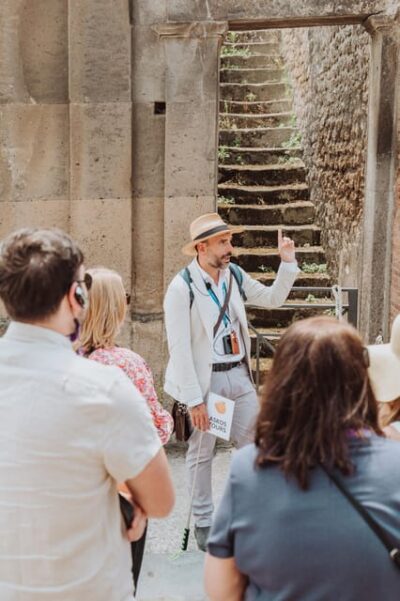 ★ 4.8Pompeii: Entry Ticket and Guided Tour with an ArchaeologistFrom $3519,459 reviews
 ★ 4.2Pompeii: Entry Ticket with Optional Audio GuideFrom $2612,360 reviews
 ★ 4.8Pompeii: Small Group Tour with an ArchaeologistFrom $4012,264 reviews
 ★ 4.3Pompeii Ruins & Mount Vesuvius Day TourFrom $12011,459 reviews
 ★ 4.6Sorrento, Positano and Amalfi Full-Day TourFrom $10710,988 reviews
 ★ 5.0Sorrento, Positano & Amalfi Coast – Small Group TourFrom $768,643 reviews
 ★ 4.6Catacombs of San Gennaro Entry Ticket & Guided TourFrom $157,941 reviews
★ 5.0Pompeii Small Group Tour with an ArchaeologistFrom $356,593 reviews
★ 4.6Catacombs of San Gennaro Entry Ticket & Guided TourFrom $157,941 reviews
★ 5.0Pompeii Small Group Tour with an ArchaeologistFrom $356,593 reviews
Browse the lists this tour appears in