
Tour review · TOUR REVIEWS
Herculaneum: Skip-the-Line Entry Ticket with Audio Guide
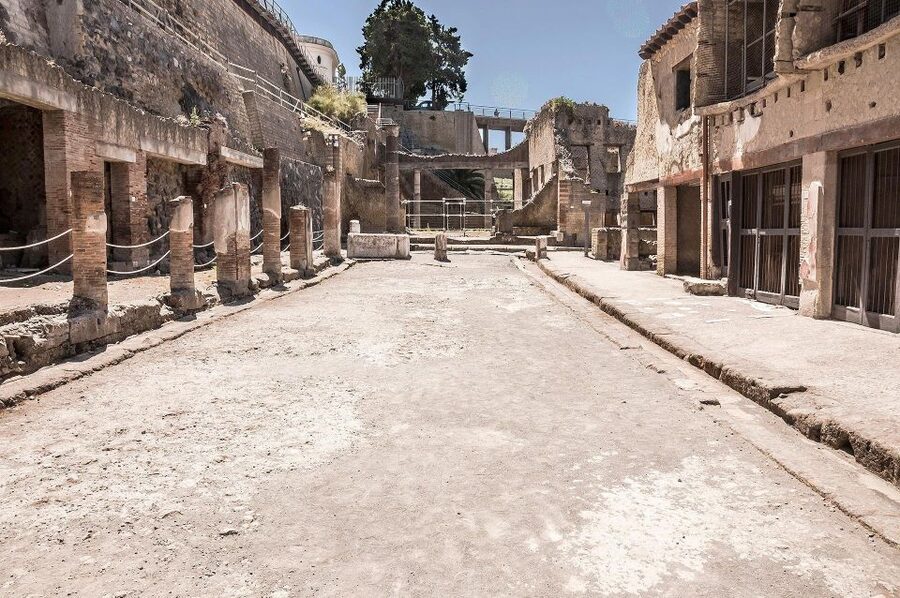
Herculaneum feels frozen in time. This skip-the-line ticket plus audio guide helps you walk the streets of a Roman town buried when Vesuvius erupted in 79 AD, with enough context to make every doorway and wall decoration mean something. Two things I really like: you get audio freedom (no rushing with a group), and the site is more compact than Pompeii, so you can actually absorb it in one visit.
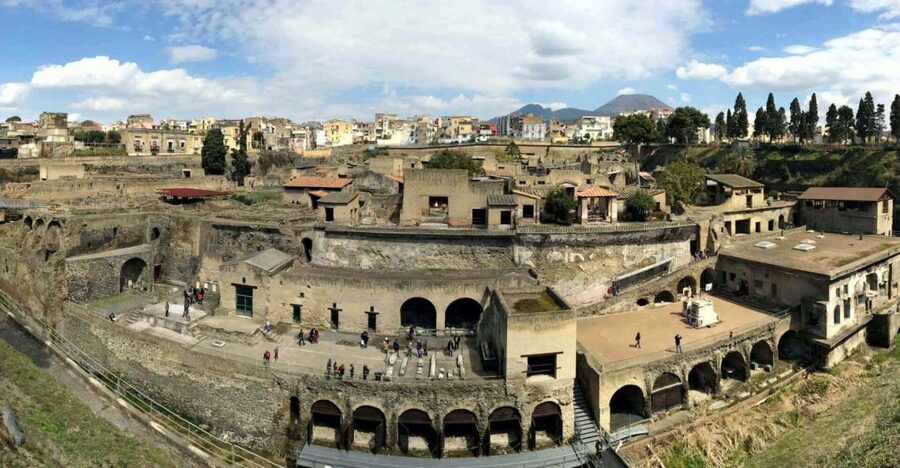
What you’ll see is the big draw. Herculaneum preserves houses, paintings, and wooden doors in a way that makes daily life feel close, not textbook. I also like that the included map helps you find major areas such as the market, public fountains, and theatre without playing a guessing game.
One consideration: the audio guide can be a little fussy. A few people reported the phone/app numbering and on-site markers not lining up perfectly, so you may need to orient yourself with the map at the start and occasionally use your eyes first, numbers second. Expect cobblestones and some steep steps too, so comfortable shoes are not optional.
Key highlights that make this ticket worth it
- Skip-the-line entry to get moving faster once you arrive at the site
- Audio guide in 5 languages (English, French, German, Italian, Spanish) for self-paced exploring
- Included map to navigate the market, fountains, and theatre
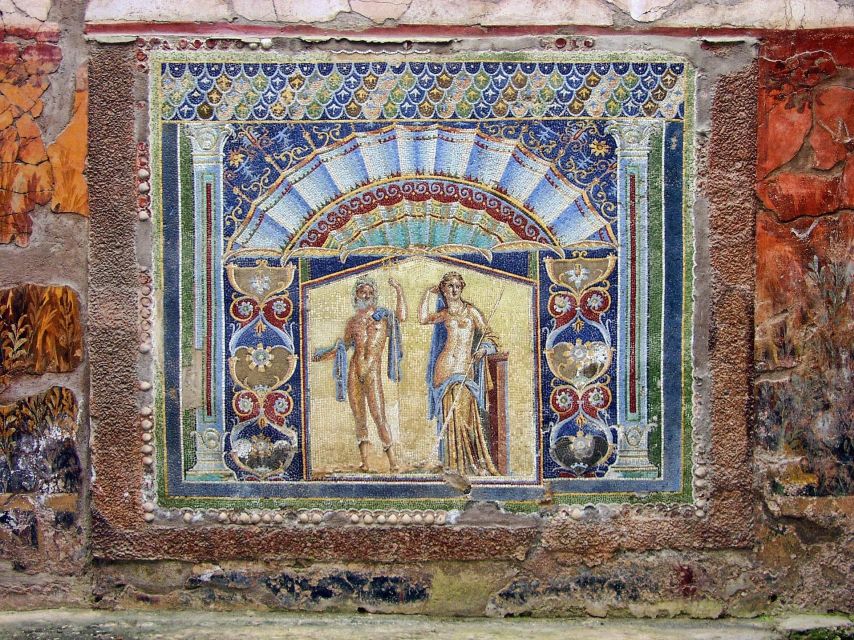
- Well-preserved frescoes and wooden doors that bring rooms to life
- A guided route through everyday contrasts, like slave housing versus rich Roman homes
- A somber ending at the skeletons and sea-rescue area, where the story hits hard
Herculaneum in one day, why it feels different from Pompeii
If you’ve been to Pompeii, Herculaneum will still surprise you. The town is smaller, quieter, and easier to take in without bouncing from one crowd magnet to the next. That matters, because Herculaneum is all about details: the way rooms were arranged, what people ate and sold, and the look of painted walls that survived when volcanic ash sealed everything in place.
The payoff is emotional as well as visual. You’re not just looking at ruins from a distance. You’re walking through areas connected to real events, including the day Vesuvius erupted in 79 AD and the people who perished while hoping for rescue from the sea (about 300, as described in the audio experience).
I also like that this visit naturally works as a companion to Pompeii. You can compare how a Roman town functioned, but without needing a second full day. If you only have one shot, Herculaneum is the kind of place where you’ll feel you got your money’s worth because the site is concentrated.
More Naples tours, ruins, coast days, and city experiences to compare


Entry logistics at the ticket office, what actually happens on arrival
Your starting point is straightforward: show your ticket at the Herculaneum ticket office. In theory, the skip-the-line part is about getting you into the site area faster. In practice, you should still plan a few minutes for setup, especially for the audio guide.
Here’s the practical rhythm I’d follow:
- Go to the ticket office first with your ticket ready.
- Then watch for the area where you collect the audio guide (some setups require leaving a passport or ID as security).
- Once you have the audio, you may be directed back toward the ticketing flow before entry, depending on how the site is managing lines that day.
A few visitors noted confusion about what “skip-the-line” meant when queues were set up in multiple steps. So bring patience, not panic. If you’re unsure where to stand, ask at the nearest desk. The staff is usually used to tourists who just want to do things in the correct order.
Also, arrive early if you can. When the crowds are lower, you can follow the audio track at a calm pace and actually stop to look at the paintings and doors instead of squeezing between people trying to photograph the same corner.
Using the map and audio guide numbers without getting frustrated
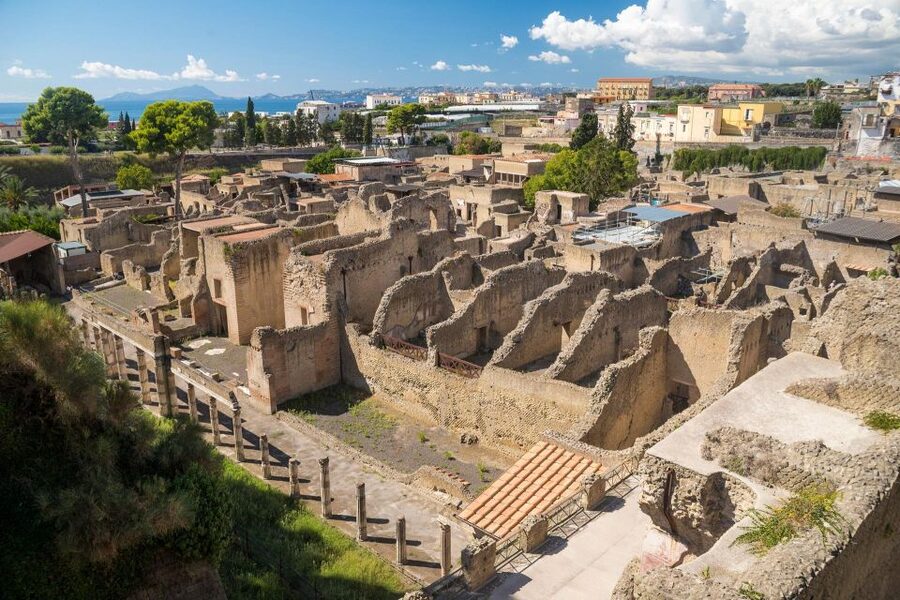
The audio guide experience is one of the main reasons to book this. You’re not stuck with vague labels like building A and building B. Instead, you get points of interest described in your language and a map that helps you navigate the park.
The best strategy:
- Start by getting oriented with the map right away.
- Use the audio guide’s point numbers as a guide, not a law.
- If you notice the numbering doesn’t seem to match the exact marker on the ground, stop, look around, and confirm you’re in the right area using the surrounding landmarks.
Some people found the audio directions slightly confusing at first, especially about where to look. The fix is simple: take 30 seconds to match the description to what you’re seeing, then listen and walk slowly. You’ll get the hang of it quickly.
One more tip: you’ll be on cobblestones. A lot of your listening will be while you’re standing still to take things in. Make sure your comfortable shoes have traction, and keep your phone secure if you’re using a smartphone app style audio guide. A couple of visitors also suggested Bluetooth would be nicer for earbuds, so if your device supports it, test your setup before you enter.
Villas under ash, frescoes, and wooden doors you can almost touch
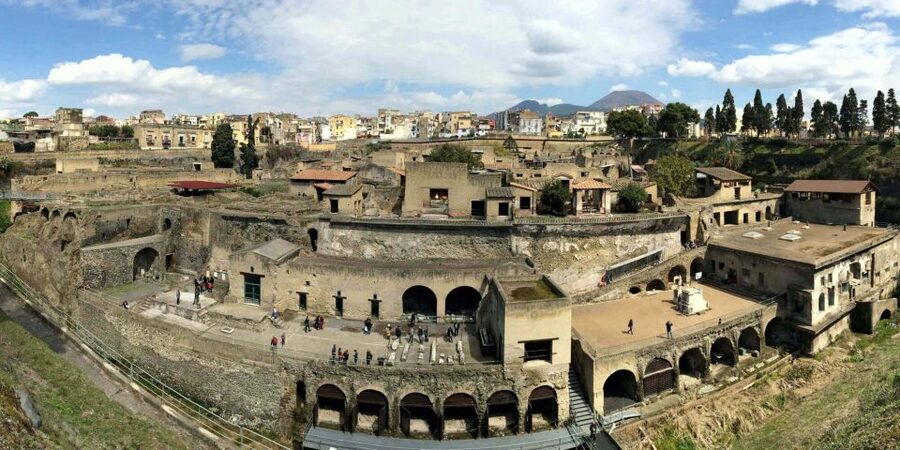
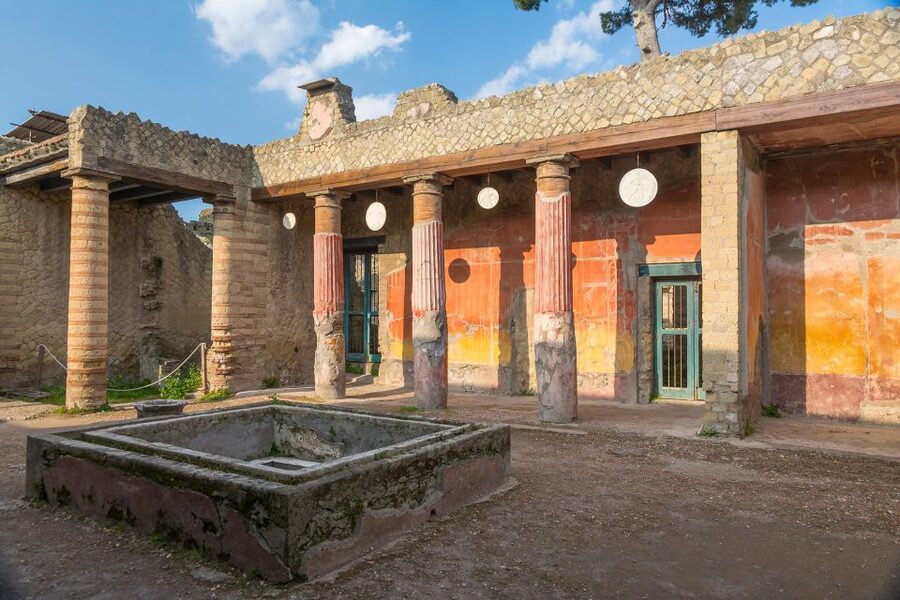
Herculaneum’s reputation is earned. Where Pompeii can feel like a museum of big ruins, Herculaneum can feel like rooms that were paused mid-day. The volcanic ash on the day Vesuvius erupted in 79 AD preserved spaces with surprising clarity, including paintings and even wooden elements that would normally be long gone.
In the houses and villas, focus on three things while the audio is talking:
- The layout of rooms, especially how people moved through space.
- Wall decorations, like fresco scenes that tell you how residents wanted their world to look.
- Doorways and built-in features that suggest everyday function, not just decoration.
The contrast between social classes is a standout theme. The audio experience compares how slaves were housed versus the more lavish living spaces of rich Romans. Even without an official guide, that commentary helps you interpret what you’re looking at. You stop seeing random stones and start seeing how the town worked.
And yes, the site has lots of places to sit and take a breath. After a few hours of walking, you’ll appreciate the moments where you can pause and look out over the vistas while the story keeps unfolding.
Market walk, fountains, and the theatre like a local route
One of the best ways to enjoy Herculaneum is to treat it like you’re doing errands, not sightseeing. The included map and audio guide help you move between major everyday zones, including an ancient market area, public fountains, and the theatre.
When you’re in the market stretch, slow down and imagine the rhythm:
- What would people buy?
- Where would they gather?
- How would noise and foot traffic move through the lanes?
The audio helps by connecting physical spaces to daily routines, so the market stops being just a diagram. It becomes a scene.
Public fountains matter too. They were practical, not dramatic, which makes them extra interesting. The more you look at the small infrastructure, the more you feel how lived-in the town was before the eruption.
Then there’s the theatre area. It’s one of the larger points of interest, and it gives you a feel for communal life, entertainment, and public gatherings. You’ll probably find it easier to enjoy if you start listening early, because you want that context while you’re looking at the space, not after you’ve already moved past it.
You can also read our reviews of more guided tours in Naples



Temples, gods, and the contrast between belief and daily life
Herculaneum wasn’t only about work and homes. The site includes temple areas and depictions of ancient gods, which add a different layer to what you’re seeing.
This part of the visit works well because it changes your pace. While you’re in the more domestic zones, your brain is focused on daily living. Then the audio shifts toward religious life, so you start asking different questions:
- Who would attend?
- What did these images communicate to residents?
- How did religion sit alongside ordinary routines?
If you enjoy symbolism and storytelling, this section pays off. And if you don’t, it’s still worth stopping because the Roman world was a full system, not separate topics in separate rooms.
Skeletons, caves, and the sea-rescue story that lands
Eventually, you’ll reach the section that many people remember most. The audio experience guides you to the area where about 300 people perished while hoping for rescue from the sea. Even if you read history before, this is different because you’re standing in the landscape where the event unfolded.
One visitor described it as poignant, and I can understand why. The mood shifts from “look at the architecture” to “this is what that moment meant for real people.” Don’t rush through it. If you only take one slow break in the whole day, make it here.
Some areas tie into the caves and the end-of-route exhibits. If you accidentally walk past things early and think you’ll come back later, don’t assume you can. Build extra time so you aren’t sprinting at the end.
The on-site museum, the boat display, and what to do with extra time
After you’ve walked the main ruins, plan for the areas near the exit and entrances that add context. There’s an on-site museum where you can see artifacts, plus furniture and other recovered pieces. That museum portion can be especially valuable if you like details you can’t fully appreciate at ground level in the ruins.
People also mention seeing a boat display and the Antiquarium. If that’s on your route, don’t treat it like optional trivia. It helps you connect what you saw in the town to how the region functioned, including transport and daily movement.
Time-wise, you should expect around 3 to 4 hours for a relaxed audio-guided visit. Some people took about that long without feeling rushed. If you’re a fast walker, you can do it quicker, but if you actually stop for frescoes and doors, give yourself more space.
And yes, you might be tempted to keep going because the site rewards patience. When you want a break, you can use the café/snack options at the site. A few people noted the toilets, so just be prepared, but the existence of a café makes it easier to stay comfortable.
Price and value, is $15 a fair deal for Herculaneum?
At $15 per person for a day, this ticket is good value for one big reason: you’re buying a self-guided experience that doesn’t leave you alone with only stones. The audio guide and map mean you’re not just “doing ruins,” you’re learning while you walk.
That value increases if:
- You want flexibility instead of a fixed group tour pace.
- You plan to spend time in the houses and painted areas, because the audio commentary adds meaning to those stops.
- You’re visiting along with Pompeii and want a second site that feels less overwhelming.
Could it feel not quite perfect? Yes. If the audio cue numbering doesn’t match your on-site markers, you lose some time figuring out where to listen. Still, most people report the audio is detailed and interesting once you orient yourself.
Overall, for a one-day visit, I think the price makes sense. It’s not a bargain that’s missing key pieces. You get entry, audio, and a map. That combination is what makes the visit click.
Who should book this audio ticket
This experience is best for you if you want:
- A self-paced way to explore Roman ruins.
- Clear guidance through key areas like the market, fountains, theatre, and temples.
- A quieter alternative to Pompeii where you can focus on preservation and daily life details.
It’s also a good fit if you’re traveling with family and want everyone to move at their own speed. Many visitors mention wandering without time pressure and spending a few calm hours.
If you hate walking on cobblestones or steep steps, you may want to adjust expectations. The site isn’t flat, so bring shoes that you trust.
And if you’re the type who loves a fully guided explanation, you might consider adding a guided upgrade if it’s offered on-site. Some people reported being offered a paid upgrade and praised guides such as Tony and Fabio.
Should you book this Herculaneum skip-the-line audio ticket?
I’d book it if you want a smart, low-stress way to experience Herculaneum in one day. The entry ticket plus audio guide and map give you exactly what you need to understand what you’re seeing, and the site size makes it realistic to finish without feeling like you need a full marathon.
I’d think twice if you know you get frustrated easily by app or numbering quirks, or if you want a guided narration that always tracks perfectly to every marker. In that case, you’ll still probably enjoy Herculaneum, but you may want to plan a bit more time and lean more heavily on the map to keep things smooth.
If you time it right and you walk slowly enough to notice the preserved details, this is one of those experiences where the ruins don’t just look old. They feel like a real place you can understand.
FAQ
What is included in the Herculaneum audio ticket?
You get the Herculaneum entry ticket, an audio guide, and a map. A guide (a live person) is not included.
Where do I meet to start the experience?
Show your ticket at the Herculaneum ticket office.
How long does the visit take?
It’s listed as 1 day. In practice, you can spend a few hours exploring at your own pace with the audio guide.
What languages is the audio guide available in?
The audio guide is available in English, French, German, Italian, and Spanish.
What should I bring?
Bring a passport or ID card and wear comfortable shoes.
Is there a cancellation option?
Yes. You can cancel up to 24 hours in advance for a full refund.
Is there a guide included?
No. This is self-guided with the audio guide.
More Guided Tours in Naples

More Tickets in Naples
More Tour Reviews in Naples



Not for you? Here's more nearby things to do in Naples we have reviewed










Tour Reviews, compared.
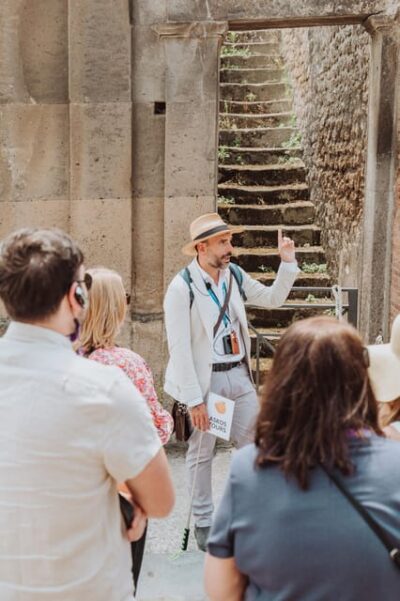 ★ 4.8Pompeii: Entry Ticket and Guided Tour with an ArchaeologistFrom $3519,459 reviews
 ★ 4.2Pompeii: Entry Ticket with Optional Audio GuideFrom $2612,360 reviews
 ★ 4.8Pompeii: Small Group Tour with an ArchaeologistFrom $4012,264 reviews
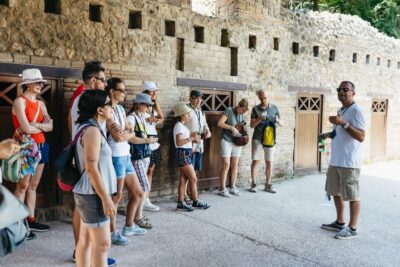 ★ 4.3Pompeii Ruins & Mount Vesuvius Day TourFrom $12011,459 reviews
 ★ 4.6Sorrento, Positano and Amalfi Full-Day TourFrom $10710,988 reviews
 ★ 5.0Sorrento, Positano & Amalfi Coast – Small Group TourFrom $768,643 reviews
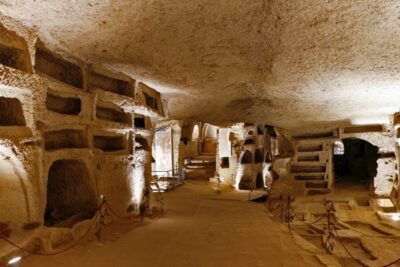 ★ 4.6Catacombs of San Gennaro Entry Ticket & Guided TourFrom $157,941 reviews
★ 5.0Pompeii Small Group Tour with an ArchaeologistFrom $356,593 reviews
★ 4.6Catacombs of San Gennaro Entry Ticket & Guided TourFrom $157,941 reviews
★ 5.0Pompeii Small Group Tour with an ArchaeologistFrom $356,593 reviews
Browse the lists this tour appears in