
Tour review · TOUR REVIEWS
Authentic Neapolitan Pizza Lesson
Campania pizza has a way of grabbing you fast. This hands-on lesson puts you face to face with a real pizzaiolo and a wood-fired oven. You’ll learn Neapolitan technique step by step, from dough to bake, in about 1.5 hours.
What I love most is the personal, practical coaching. You’ll knead, stretch the dough, add toppings, and bake your own pizza, not just watch from the sidelines. I also like that the experience is paired with a proper meal, plus a drink choice (water, wine, or soft drink).
One consideration: this is short on purpose. If you want more practice rounds, more time for questions, or extra baking chances, you may wish for a longer class. Also, the listing says transfers are not included, so you should plan your arrival carefully.
Key highlights that make this class worth your time
- Real pizzaiolo instruction focused on Neapolitan technique, not generic pizza talk
- Hands-on stretching and topping, so you leave with a repeatable process
- Wood-fired oven baking as the main act, where timing and heat really matter
- Food comes in waves, with samples and the chance to eat what you make
- Language support on the ground, including examples of translators like Franco
- Pickup and drop-off may be available, but transfers are not listed as included
Why a Neapolitan pizza lesson works so well in Campania
Naples pizza is not just food, it is craft. And a lesson is the quickest way to understand why Neapolitan pizza has its own rules: the dough handling, the thickness, the bake style, and the simple topping philosophy. In this class, you are learning those decisions at the same pace as the chef, so it clicks faster than reading a recipe at home.
What helps is that the teaching is tied to actual workflow. You start with the dough and move forward through stretching, topping, and baking, with a professional controlling the oven environment. In multiple examples, the chef was described as patient and skilled, and the overall vibe was friendly, with staff guiding you through what to do next.
Also, you are not doing this in a sterile classroom. The experience is structured like a real pizzeria moment, and that makes the details matter. When someone shows you how to avoid tearing the dough while stretching, you feel it in your hands right away. That is the difference between a cooking demo and learning a technique.
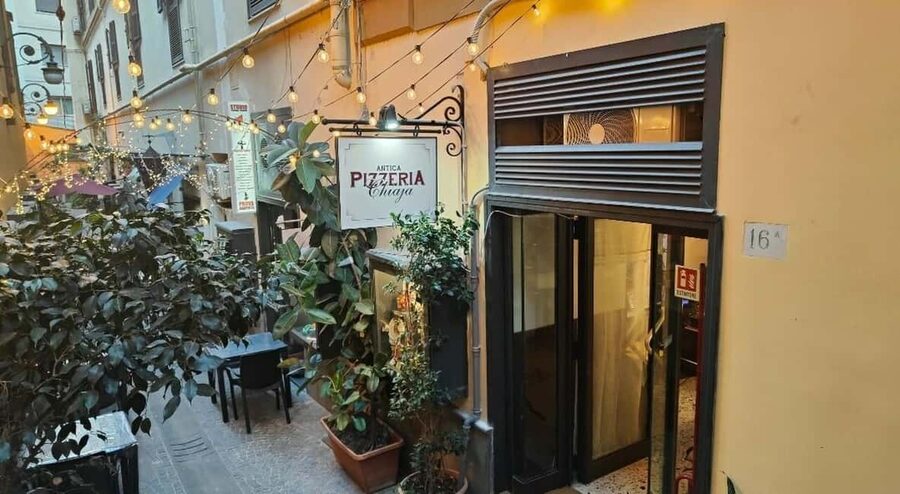
One more practical point: this is offered by NapoliCityVision, and the experience is built for international visitors. The format includes English support (either directly or through translation), so you are not stuck guessing what the chef means.
More Naples tours, ruins, coast days, and city experiences to compare
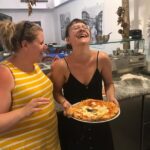

The 1.5 hour flow, from kneading to wood-fired baking
This class moves in a clear sequence, and that is a big plus when you only have 90 minutes. You get enough history to understand the why, then the session quickly shifts into hands-on practice.
1) Quick intro and Neapolitan pizza basics
You’ll begin with an introduction to Neapolitan pizza. Expect a short overview of techniques and the history behind traditional Neapolitan methods. The goal is not a long lecture. It is enough context so that when you start working the dough, you know what you are aiming for.
In real-world examples, instructors spent time making the lesson the right length, with an approach that was not too heavy and not too brief. That matters because too much talking can ruin the hands-on feel.
2) Dough work, kneading, then stretching
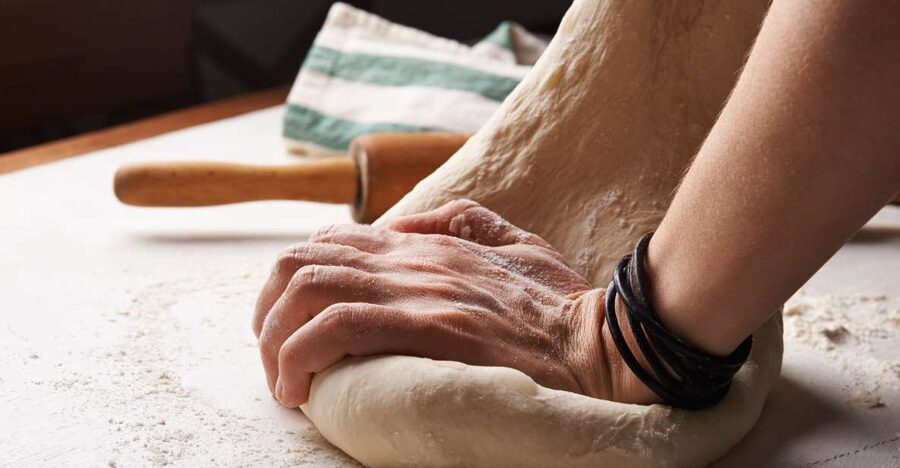
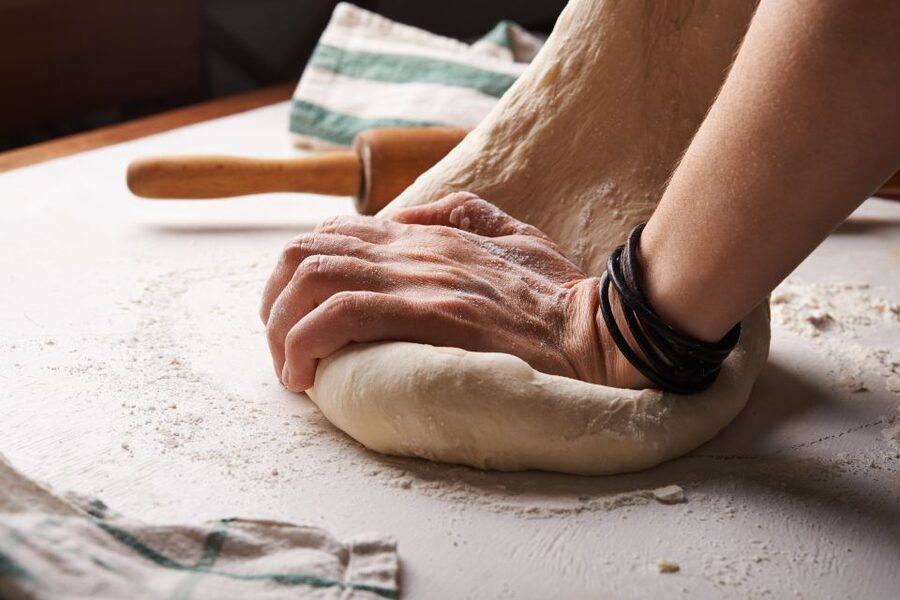
Then you get to work. You’ll knead and learn how the dough should feel, and the session includes stretching so your base reaches the right shape. Neapolitan stretching is where many home cooks struggle, so getting coached here is the whole point of the class.
People also noted that the chef hands-on coached them, with help when needed. That can be a comfort if you are a first-timer or traveling with someone who is less comfortable in the kitchen.
3) Toppings, with you making the choices
Next comes topping your pizza. The format includes using fresh, traditional ingredients, and you can add your favorite toppings as part of the practical session. Even if you stick to a classic, you still learn how to build toppings without ruining dough texture or bake timing.
Some sessions also included classic types like Margherita and Marinara as reference points, and you may get to sample the chef’s practice pizzas first. The practical value here is seeing how different choices change the final result.


4) Bake in a wood-fired oven
The oven is where Neapolitan pizza becomes real. You’ll bake your pizza in a traditional, wood-fired oven, the true heart of a classic pizzeria. You can understand dough all you want, but baking time and heat control are what make it turn out correctly.
In reviews, chefs used this oven approach in a way that made it feel like the true kitchen process, not a staged set-up. That also explains why the class feels fast. The oven is live heat, and you learn timing by doing.
5) Eat what you made, with a drink
Finally, you enjoy your creation. The lesson includes a pizza dinner component and a complimentary drink. Many classes also include extra bites and samples along the way, so by the time you sit down, you are usually ready to eat.
One practical tip: go hungry. Even if you do not eat every sample, the class includes enough food to make it a real meal.
The pizzaiolo factor, and how translation actually helps
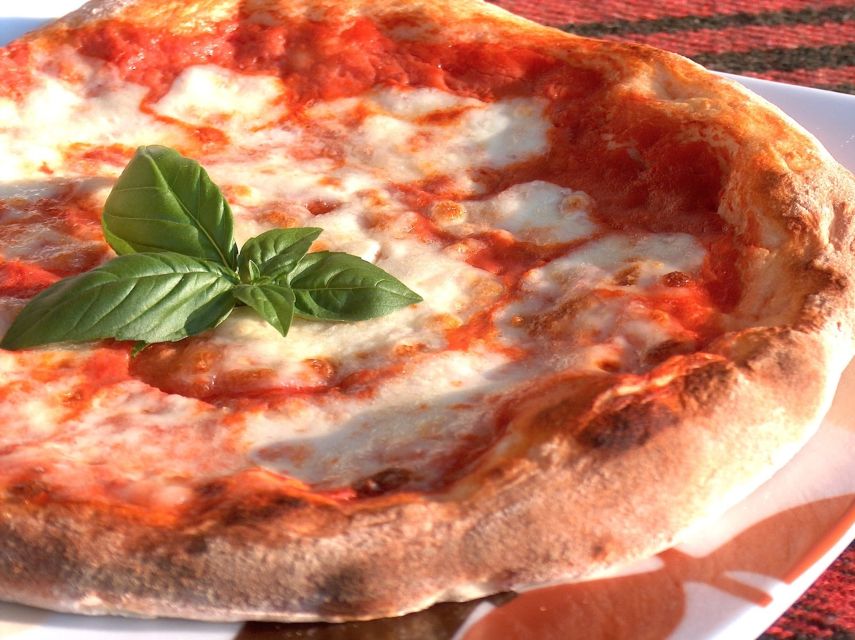
In Italy, pizza knowledge often lives in people who speak Italian first. This class is designed for English speakers too, and the setup usually includes an English guide or translator.
In multiple experiences, the chef spoke Italian while an interpreter helped bridge the details. Names like Franco showed up as a friendly driver and translator, and others mentioned interpreters like Fabio in the mix. What I found useful is that translation is not just a casual summary. It is tied to the teaching steps so you understand what matters, like how the dough should stretch, how toppings should be placed, and what the oven needs.
That approach makes a difference for beginners. You do not need to have pizza vocabulary. You need to hear what to do next and why. Translation helps you stay present during the hands-on parts instead of zoning out.
Also, the chefs were praised for patience and getting people involved. If you are nervous about cooking, that matters. The best pizza instruction is calm when you are messing up a little.
What you actually eat: samples, pizza dinner, and your drink choice
This is not a light snack class. The experience includes a pizza dinner, and your drink choice is part of the included package.
The drink is listed as one of the following:
- water
- a glass of wine
- a soft drink
Reviews also mention welcome drinks or nibbles while waiting, and that you may sample different pizzas made by the chef. Some classes went further and included dessert such as apple cake, and at least one example mentioned a starter like bruschetta. You should assume there will be more food than just your one pizza, because many people left stuffed, not merely satisfied.
That is part of the value equation. You pay for a lesson, but you also eat like it is a real meal. For your money, you get both the technique and the payoff.
Why the food format is a smart design
If a class only teaches and does not feed you, you lose something. Food is how you understand the result of the technique. With samples, you compare what different approaches look and taste like. Then you apply that understanding when you make your own pizza.
In other words, the eating is not an afterthought. It helps you learn.
Price and value: is $77 fair for a 90-minute class?
At $77 per person for about 1.5 hours, this sits in the midrange for hands-on food experiences in Italy. The question is not whether it is cheap. It is whether the package is fair for what you get.
Here’s what you are paying for, based on what is included:
- the pizza lesson
- pizza dinner
- a drink (water, wine, or soft drink)
Value comes from the combination. You are not just watching a chef. You are kneading, stretching, topping, and baking. Plus, you eat the results. When you factor in that the oven is wood-fired and the staff support includes English guidance, it starts to look like reasonable pricing for what is essentially a private-style teaching moment during a short time window.
What can lower value a bit: the session is brief. If you need more than one practice round to feel confident, you might not get enough repetition. One review did mention wanting another practice go. So if your goal is serious skill-building, treat this as an introduction and a confidence booster, not a full mastery course.
Still, the overall rating of 4.4 from 140 reviews suggests the majority feel it delivers. And the repeated praise for the chef and the fun, hands-on nature is usually where value is made.
Logistics that matter: transfers, meeting points, and getting there
The listing says transfer service is not included for a centrally located restaurant. That can sound like a deal-breaker, but real-world experiences described pickup from central Naples with return transport.
So what should you do? Confirm what is actually offered for your departure time. In at least a few cases, groups were collected from a meeting point and driven to the pizzeria, then returned after the lesson. One example described a short drive of about 10 minutes to the venue.
Practical advice:
- If you are staying in central Naples, ask the operator whether pickup is included for your slot, since some sessions seem to offer it.
- If not, plan a simple taxi or ride to the restaurant so you arrive calm and hungry.
- Build a little buffer. One person noted they learned the pickup timing only after contacting their hotel.
Timing inside the class is tight because of oven schedules. Getting there on time protects the hands-on portion.
Also note the instructor languages are listed as English and Italian. Even if the chef speaks Italian, translation is used in examples, so you should be covered.
Who should book this pizza lesson, and who might not
This class is a great fit for:
- Beginners who want real guidance while making pizza
- food lovers who care about craft, not just eating
- couples and small groups who want an activity that feels like a mini night out
- families, since multiple reviews mentioned doing it with kids and enjoying the pace
It may be less ideal for:
- people who want a very long class with heavy repetition
- diners who want only quiet sitting time, not hands-on work
- anyone who dislikes working with dough textures and the occasional flour mess
Wheelchair accessibility is listed as available, so it can work for travelers who use mobility aids. If you need specific accommodations, it is worth asking directly, since you will be moving between arrival points and a cooking space.
Should you book this Neapolitan pizza lesson?
If your goal is to leave Naples with a practical pizza technique and a memorable meal, I would say yes. The class is built around doing, not just listening. You get the key steps, guidance from a pizza professional, and a wood-fired bake that turns the lesson into something you can taste and remember.
I would only hesitate if you want more repetition than a 90-minute session can offer. In that case, look at this as your starting point. Take it to learn the rhythm and the feel. Then recreate your pizza at home, using what you practiced here as your template.
Also, if you are the type of traveler who likes meeting people and sharing food during the experience, this style of workshop tends to land well. The vibe described in examples is friendly, and the staff support seems to help you relax into the process.
FAQ
How long is the Neapolitan pizza lesson?
The experience lasts about 1.5 hours.
What is the price per person?
The price is listed as $77 per person.
What is included in the activity?
The included items are the pizza lesson and pizza dinner, plus a glass of wine, water, or soft drink.
Do I get to make my own pizza, or is it just a demonstration?
You’ll participate in the practical session, including kneading, stretching the dough, and adding toppings. You then bake and enjoy your own pizza.
What drink options are included?
You can choose one drink option among water, a glass of wine, or a soft drink.
What languages are supported during the lesson?
The instructor is listed as English and Italian. Translation support may be used if the chef primarily speaks Italian.
Is the experience wheelchair accessible?
Yes, the activity is listed as wheelchair accessible.
Is transportation to the restaurant included?
No. Transfer service for the centrally located restaurant is listed as not included.
Can I cancel for a full refund, and what about payment?
The experience offers free cancellation up to 24 hours in advance for a full refund, and it also uses a reserve now and pay later option, so you do not pay immediately.
More Workshops & Classes in Naples
More Tour Reviews in Naples
Not for you? Here's more nearby things to do in Naples we have reviewed







Tour Reviews, compared.
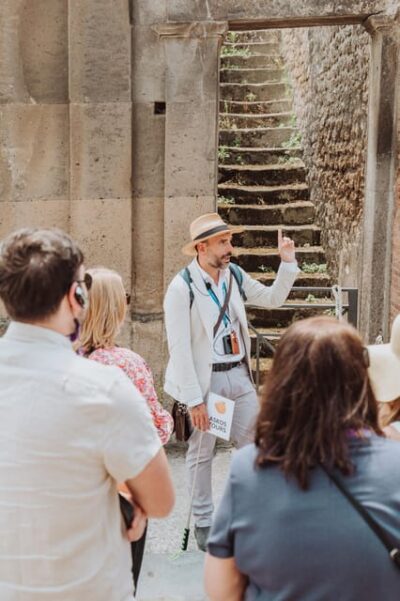 ★ 4.8Pompeii: Entry Ticket and Guided Tour with an ArchaeologistFrom $3519,459 reviews
 ★ 4.2Pompeii: Entry Ticket with Optional Audio GuideFrom $2612,360 reviews
 ★ 4.8Pompeii: Small Group Tour with an ArchaeologistFrom $4012,264 reviews
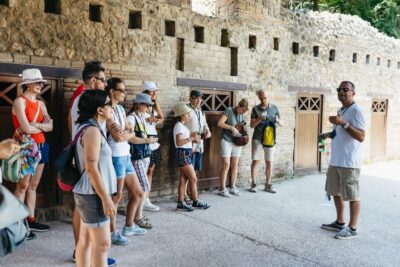 ★ 4.3Pompeii Ruins & Mount Vesuvius Day TourFrom $12011,459 reviews
 ★ 4.6Sorrento, Positano and Amalfi Full-Day TourFrom $10710,988 reviews
 ★ 5.0Sorrento, Positano & Amalfi Coast – Small Group TourFrom $768,643 reviews
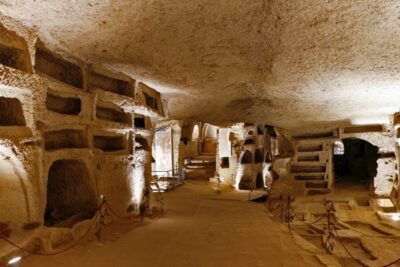 ★ 4.6Catacombs of San Gennaro Entry Ticket & Guided TourFrom $157,941 reviews
★ 5.0Pompeii Small Group Tour with an ArchaeologistFrom $356,593 reviews
★ 4.6Catacombs of San Gennaro Entry Ticket & Guided TourFrom $157,941 reviews
★ 5.0Pompeii Small Group Tour with an ArchaeologistFrom $356,593 reviews
Browse the lists this tour appears in