
Tour review · TOUR REVIEWS
Naples: National Archaeological Museum audio guide
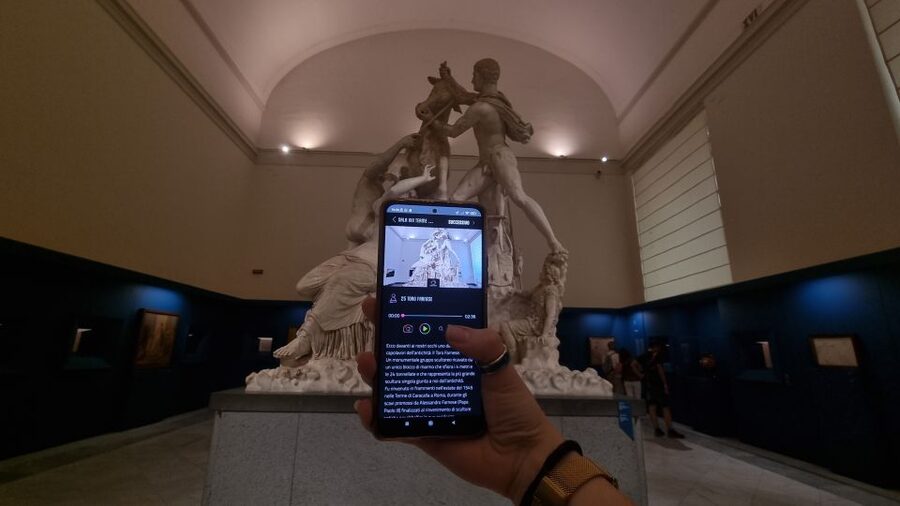
Naples’ biggest museum can feel like a maze. This self-guided National Archaeological Museum audio tour turns it into a series of clear stops, with an audio track built around the museum’s main collections. I like that you can start preparing before you even buy your bearings inside, and I love the focus on major works like the 3-meter Hercules and Venus Callipigia. One catch to plan for, the guide is smartphone-based and needs the content activated ahead of time.
For the price, it’s one of the smartest ways to get real meaning out of the museum fast. You’ll get a map plus photos and descriptions tied to specific points of interest, so you are not just wandering from caption to caption. Still, since it is self-guided, you will need to pay attention to the app’s sequence and to your phone battery, or the flow can break.
Key things I’d prioritize before you start
- Start before you enter so you walk in with a plan, not guesswork
- 85 point of interest audio stops with audio, photos, and hypertext
- Offline-ready once you download the contents with a good signal or Wi-Fi
- Works organized by collections so you move logically through the museum
- Multiple languages: Italian, English, French, German, Spanish
- Best-value audio compared to ticket-office options based on how detailed the track is
Before You Walk In: Activate the ITGUIDES app and prep your phone
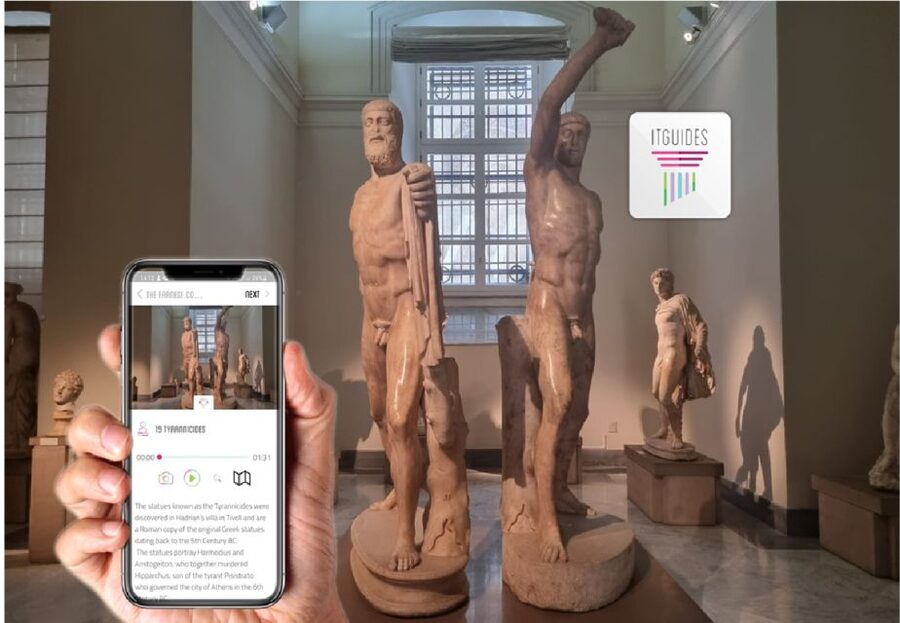
This experience is self-guided, so your first job is on your smartphone, not at a counter. The audio guide lives in the ITGUIDES app, and the big practical point is that it can only be activated online. That means you should do it before you head to the museum, since it is not the same thing as the standard audio guide you might see sold inside.
Here is the workflow that works best:
- Buy and activate the audio guide online ahead of time.
- Before you go, use a decent cellular signal or Wi-Fi to download all the contents so you can use it offline.
- Charge your phone fully, then bring a power bank if you can.
I also like that you can try a free demo in the app before you commit, which helps if you want to confirm the sound quality and navigation style first.
If you are the type who hates tech friction when you arrive somewhere new, do yourself a favor and download everything earlier in the day, ideally before you are tired or hungry. Once you are inside a huge museum, the last thing you want is to chase connectivity.
You can also read our reviews of more guided tours in Naples


The museum rhythm: How to pace a 3-hour self-guided route
You are looking at about 3 hours for the audio tour. That is not a strict rule, but it is a useful target if you want to hit the major highlights without running yourself into the ground. The museum itself is large, so the guide is designed to structure your time through key collections and famous works.
Think of the audio track as a playlist with chapters. It is built around 85 points of interest, and each one comes with audio plus supporting visuals like photos and descriptions. In practical terms, this helps you in two ways:
- You spend less time deciding what to see next.
- You spend more time actually looking, since the audio explains what you are staring at.
If you prefer to linger longer at a single room, you can do that too. Just expect your total visit time to stretch beyond the 3-hour estimate, especially around the galleries with dense displays.
Hercules, 3 meters tall: the stop that sets the tone
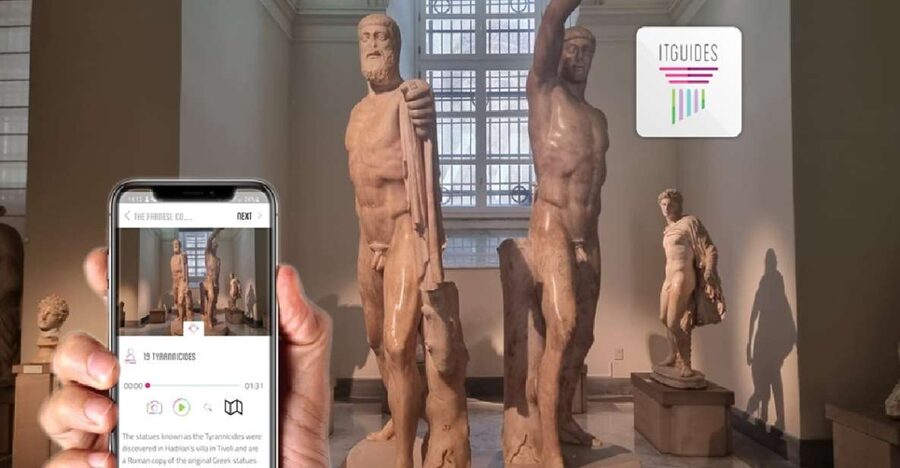
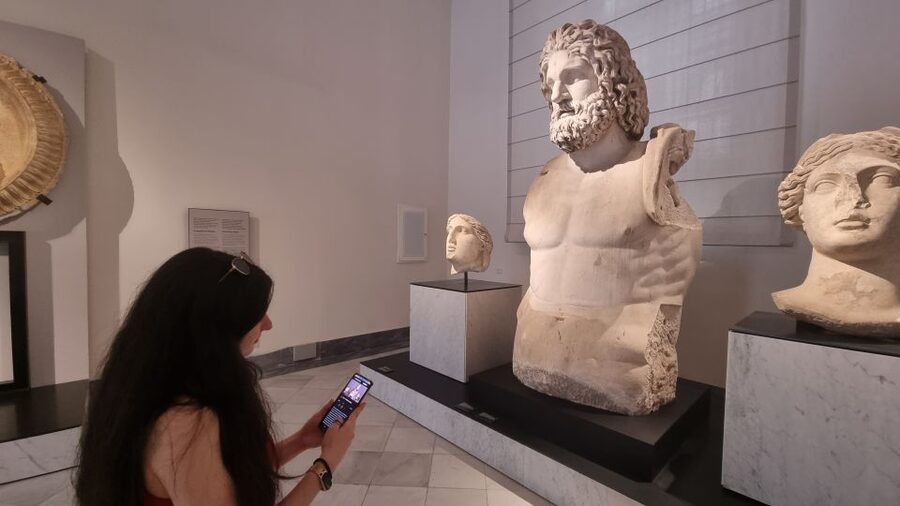
One reason this guide works so well is that it starts you off with the kind of artifact that immediately changes your pace. The audio highlights the resting Hercules, a statue about 3 meters tall. Even if you have seen photos before, being in front of this scale in person is a different experience.
What the audio format adds is context. Without much reliance on constant wall labels, you get a narrative flow right in your headphones. The result is that you are not just looking at muscle and stone. You start paying attention to pose, presence, and the story of why the work matters in a museum focused on classical collections.
This is also a good early anchor because it gives you a “North Star” moment. Once you see Hercules, you understand what to look for in the rest of the Greek and Roman material: form, drama, and craftsmanship.
Venus Callipigia: when beauty and subject matter collide
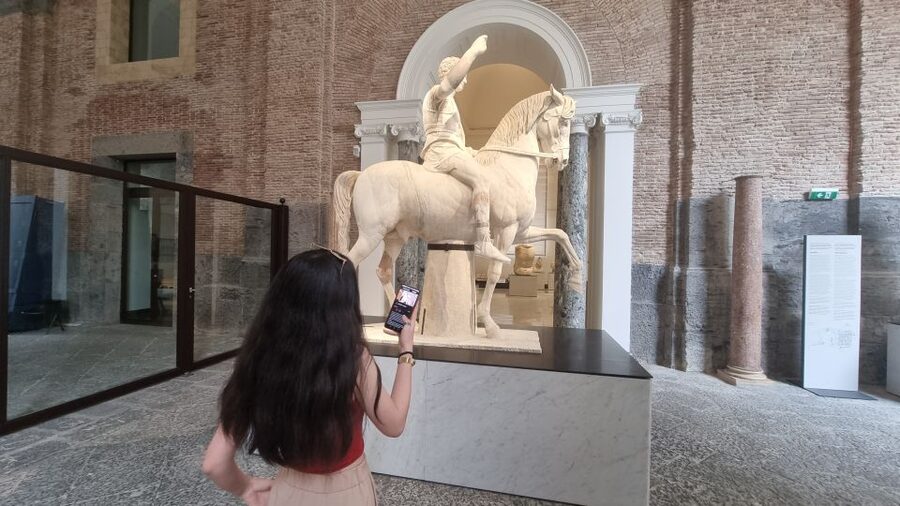
Another standout highlight is Venus Callipigia, described in the guide as having a graceful and erotic pose. This is the kind of statue that can get misunderstood if you only rely on brief captions or quick glances.
With the audio tour, you get more time to sit with the work while the explanation runs alongside what you see. That matters because museums can be quiet, and you might otherwise move on too quickly. The guide nudges you into noticing details you would likely miss in a first pass.
One practical note: the museum can feel light on text labels in some areas. That means the audio becomes your primary source of interpretation. If you want to leave with meaning, not just photos, this is one of the core reasons the guide gets strong ratings.
Roman mosaics: the House of Fauno through an image-first lens
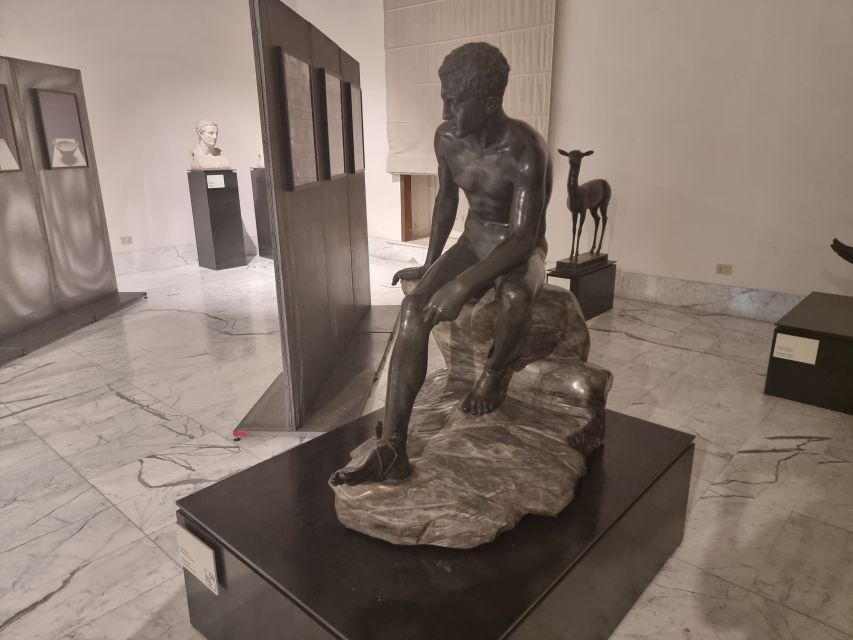
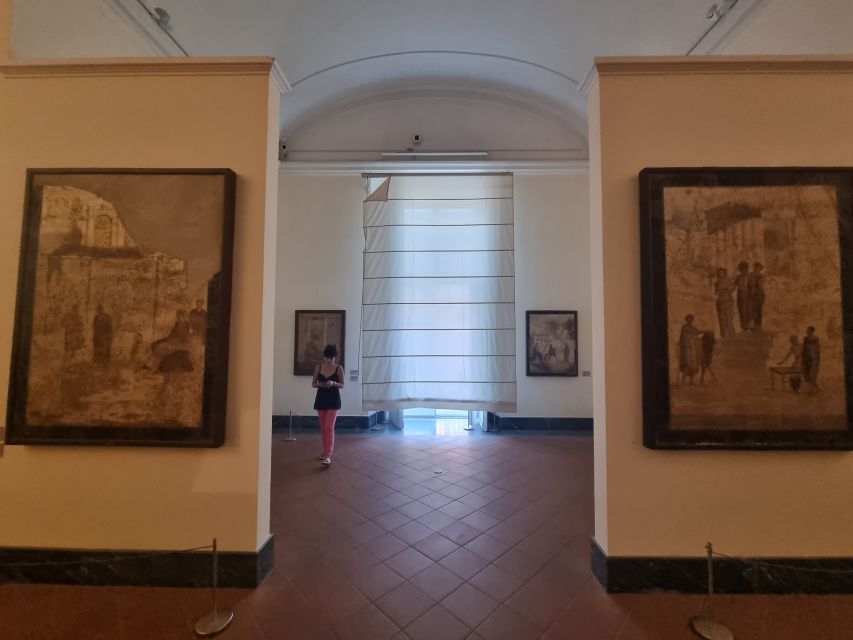
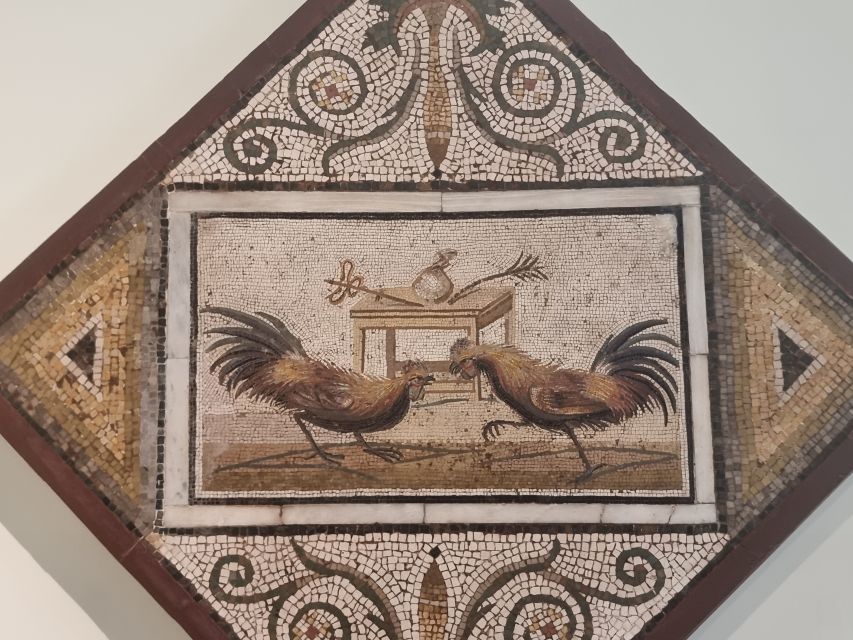
The audio tour also points you toward major Roman decorative art, including the Mosaics of the House of Fauno. Mosaics can be hard to appreciate on the spot if you do not know what you are looking at. Patterns are beautiful, but without context, they can also blur into “lots of little tiles.”
This is where the guide’s format helps. Each point of interest pairs audio with photos and descriptions, so you can connect a broader picture to the details in front of you. You start seeing how the mosaic is composed, what scenes or themes might be emphasized, and how it fits into the wider story of Roman domestic life.
If you like visual things explained in plain language, this section is likely a highlight. If you hate any stop where you have to concentrate, this may be slower than average, but it is worth it.
You can also read our reviews of more museum experiences in Naples





Alexander versus Persia: a battle you can actually follow
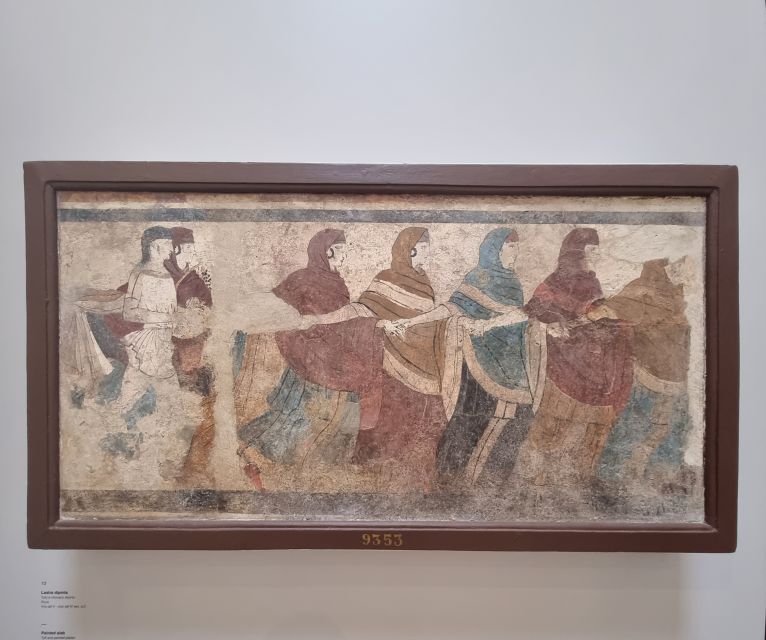
The guide doesn’t just focus on statues and decorative work. It also includes a big narrative moment: Alexander in battle against the Persian king. This kind of subject matter benefits from audio because it gives you a storyline while you view the artwork.
Instead of standing there trying to decipher what happened, you get a clearer sense of who is depicted and why the moment matters. That turns a potentially confusing display into a scene you can read.
This also helps with flow. Many people hit a wall when museums become too similar. A battle narrative breaks that pattern. It gives you a reason to slow down and focus.
Egypt and the Gabinetto segreto: plan for the museum’s edge
Naples’ archaeological museum is known for a strong Egyptian presence, and this audio tour includes the Egyptian collection. It also calls out the famous Gabinetto segreto.
Now, one practical consideration. The guide descriptions can only do so much for expectation setting. If you know this room style might not match your comfort level, be ready for the tone shift. The audio guide can still be useful, but treat these sections as optional moments in your overall route, not mandatory stops you have to push through.
Also, since the Egyptian area is called out as important, it is a place where the difference between audio guide versions shows. Several people note that audio versions available at the ticket office may not provide the same level of description coverage in every area. If Egypt and the Gabinetto segreto matter to you, this guide’s extra narration can be a big deal.
Campania Romana and Magna Grecia: extra chapters that add value
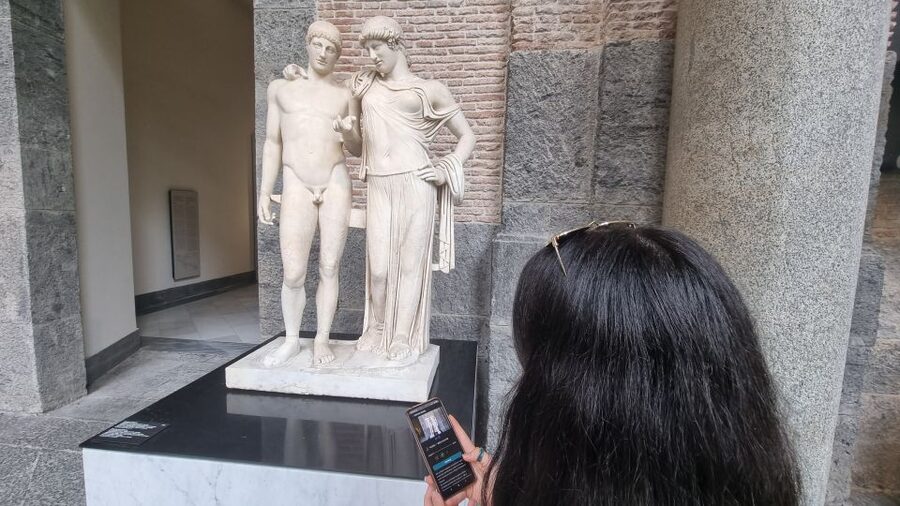
A big part of the “is this worth it” question is what you do not get with simpler audio tours. This ITGUIDES guide includes sections people mention as not always included in the ticket-office option, including Campania Romana and Magna Grecia.
Even if you are not a classics scholar, those sections can make the museum feel less like a random collection of objects and more like a map of how the region fits into wider history. You get the sense of Naples not as a stand-alone stop, but as a crossroads that shaped and was shaped by different cultures.
If you are hoping to come away with more than just two or three famous statues, this added breadth is a clear value point.
Navigation tips: map help, but follow the guide step-by-step
The guide includes a map, plus the app uses photos and descriptions to help you locate the works tied to the audio points of interest. In theory, this gives you a smooth experience across a large floor.
In practice, there are a couple of small issues to keep in mind:
- Some people find the navigation a bit tricky at first.
- It is not set up like a search tool where you jump by an exhibit number.
- You may need to follow the guide step-by-step, and you might rely on museum signage more than you expect.
So my advice is simple: do not treat the map like a GPS that instantly reroutes you. Use it to confirm you are moving the right way, then commit to the route the audio suggests.
If you want to save time, download everything and test the free demo before your visit. That reduces the chance of staring at a menu while standing in front of a room full of statues.
Headphones, battery life, and comfort: the unsexy part that decides the day
This is a smartphone-driven experience, so the logistics are part of the quality. Bring comfortable shoes. The museum floors add up, and you will be turning and stopping repeatedly to match the audio to the artwork.
Also, bring a plan for battery. Multiple people emphasize that you should keep your phone charged and, ideally, carry a power bank. The guide works best when you have fully downloaded content, so do not count on constant connectivity.
Bluetooth headphones can help too. One review notes using Bluetooth earbuds for two people at once, which is a neat way to share the audio without speakers.
Finally, give yourself permission to take small breaks. This museum is huge and the audio track encourages a lot of attention per minute. If your legs or focus start to dip, step out, reset, and then go back in.
Price and value: why $4.70 can beat buying the ticket-office audio
At $4.70 per person, this is priced like a budget add-on. But the value is not just that it is cheap, it is what you get for the money: an audio guide covering key works, a map, and multiple languages, plus the structured set of 85 points of interest with audio, photos, and descriptions.
Entry tickets are not included, so you still need to buy museum admission separately. But the audio part is the piece that makes the museum readable. When you cannot rely on lots of captions in every room, the audio guide becomes a practical tool, not a luxury.
Several people also describe this as more complete than some ticket-office audio options, especially because it is organized by collections and includes areas like Campania Romana and Magna Grecia that other audio tracks may not cover as thoroughly.
If you are cost-conscious but want a meaningful experience, this is the kind of upgrade that often pays off immediately in how you see the artworks.
Should you book this audio guide for Naples?
I think this audio guide is a smart booking choice if you want to:
- see major highlights without getting stuck reading tiny labels all day
- move through a huge museum with less decision fatigue
- focus on famous works like Hercules, Venus Callipigia, Roman mosaics, and key battle scenes
- use a structured guide in multiple languages
Skip it if you:
- hate smartphone-based self-guided experiences
- want an easy hands-free guide that works instantly without any pre-downloading
- are likely to wander off-route and hate the step-by-step feel
If you are willing to prep your phone and follow the route, this is excellent value. You will spend your time looking at the art, not trying to guess what you are looking at.
FAQ
Is the museum entry ticket included?
No. The audio guide is included, but the entry ticket to the National Archaeological Museum is not included.
How long is the audio guide?
The duration is about 3 hours.
Is there a meeting point?
No. It is a self-guided tour, so there is no meeting point.
What do I get for the $4.70 price?
You get the audio guide through the ITGUIDES app, plus a map. The guide is available in Italian, English, French, German, and Spanish.
Can I start using the audio guide before I enter the museum?
Yes. You can start using it before you come into the museum.
Does it work offline?
You can use it offline, as long as you download the contents with a good cellular signal or Wi-Fi.
What phone do I need, and what should I bring?
Bring a charged smartphone and plan for battery life. Comfortable shoes are also recommended, and a power bank can help.
Is this the same audio guide as the one sold at the ticket office?
No. This guide is only available through the ITGUIDES app, and it must be activated online before your visit. It is not the ticket office audio guide.
More Museum Experiences in Naples

More Guided Tours in Naples



More Tour Reviews in Naples





Not for you? Here's more nearby things to do in Naples we have reviewed










Tour Reviews, compared.
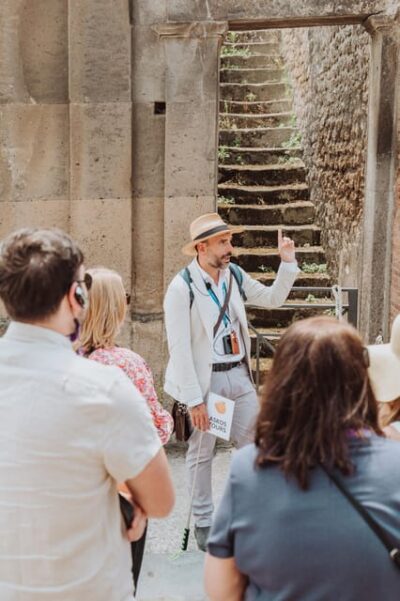 ★ 4.8Pompeii: Entry Ticket and Guided Tour with an ArchaeologistFrom $3519,459 reviews
 ★ 4.2Pompeii: Entry Ticket with Optional Audio GuideFrom $2612,360 reviews
 ★ 4.8Pompeii: Small Group Tour with an ArchaeologistFrom $4012,264 reviews
 ★ 4.3Pompeii Ruins & Mount Vesuvius Day TourFrom $12011,459 reviews
 ★ 4.6Sorrento, Positano and Amalfi Full-Day TourFrom $10710,988 reviews
 ★ 5.0Sorrento, Positano & Amalfi Coast – Small Group TourFrom $768,643 reviews
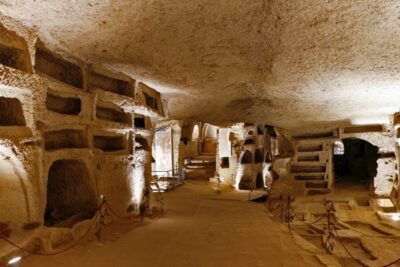 ★ 4.6Catacombs of San Gennaro Entry Ticket & Guided TourFrom $157,941 reviews
★ 5.0Pompeii Small Group Tour with an ArchaeologistFrom $356,593 reviews
★ 4.6Catacombs of San Gennaro Entry Ticket & Guided TourFrom $157,941 reviews
★ 5.0Pompeii Small Group Tour with an ArchaeologistFrom $356,593 reviews
Browse the lists this tour appears in