
Tour review · TOUR REVIEWS
Herculaneum: 2hour Shared Guided Tour + entry tickets
Herculaneum feels unreal up close. I like that this 2-hour shared guided tour is built for first-time visitors, with skip-the-line entry plus a live English guide to make the ruined streets make sense fast. You’re not just looking at stones, you’re walking through a Roman town that was preserved in the worst kind of disaster, then brought back to life with clear, practical storytelling.
The main catch is time. 2 hours can feel short if you want to slow down at the smallest details, including the areas that some people feel deserve a bit more attention.
Key things I’d focus on
- Skip-the-line entry so you lose less time at the ticket office and more time inside the archaeological park
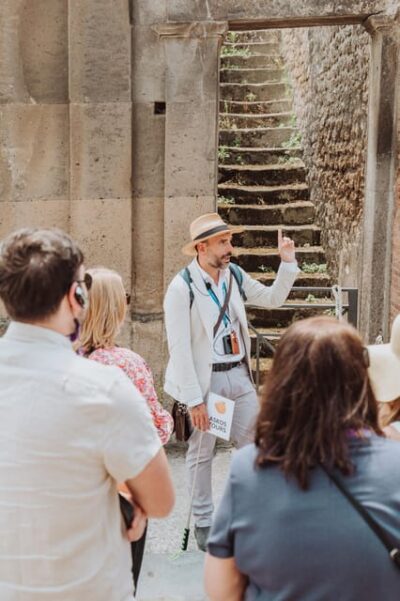
- A live English guide who ties together frescoes, doorways, and everyday objects into one clear picture
- Roman daily life in preserved spaces, including houses and household items sealed under volcanic material
- Headsets for larger groups, so you can actually hear the guide without craning your neck
- Included tickets, but not an audioguide or map, so you’ll rely on your guide for the narrative
Why Herculaneum Makes Roman Life Feel Personal
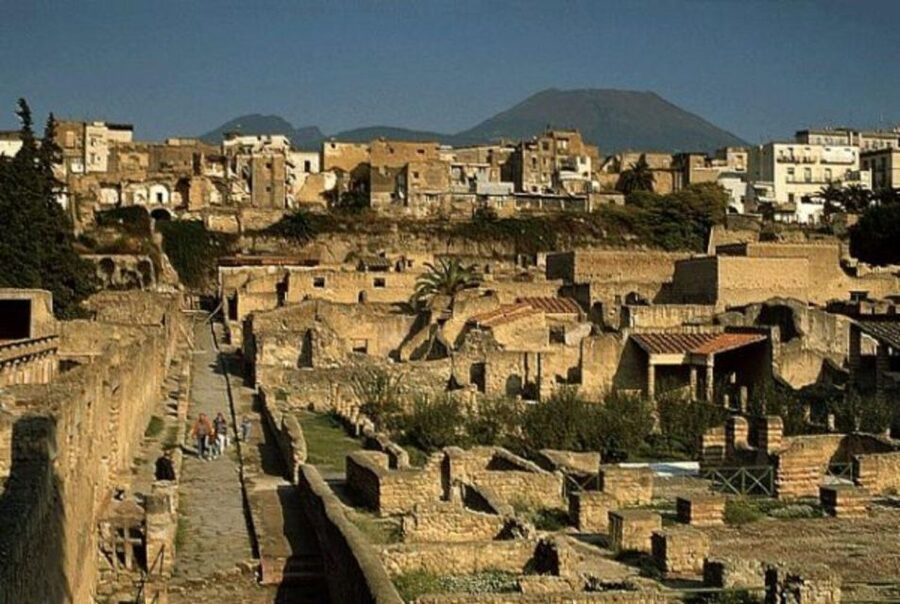
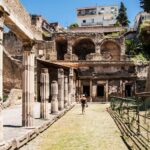
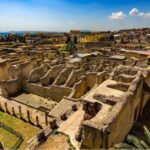
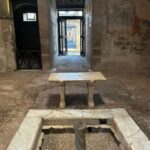
Herculaneum is Roman history with a pulse. What makes it stand out is preservation. When Mount Vesuvius erupted in 79 AD, Herculaneum was buried and sealed under pyroclastic material. The result is that you get much more than wall outlines. You can see evidence of houses, wooden structures, furniture, upper floors, and everyday objects, as if the town froze mid-routine.
That matters for how you experience the site. If you’ve only seen photos, you might expect ruins that feel distant or abstract. Here, the narrow streets, doorway openings, and building layouts help you picture how people moved through their day: arriving, cooking, washing, buying, working, and resting.
This tour is designed to hit the emotional and visual highlights without turning into a marathon. You get a guided route through the places most visitors find most meaningful, and you’ll leave with a stronger sense of how the town actually functioned.
More Naples tours, ruins, coast days, and city experiences to compare

Getting In Fast, From the Ticket Office to the Entrance
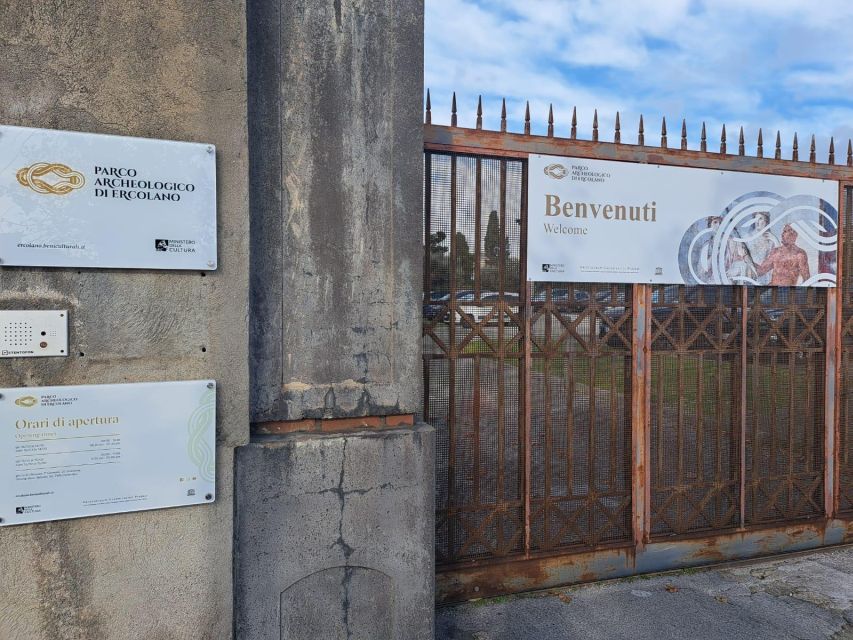
This tour keeps the first step simple. Meet at the ticket office of the Herculaneum archaeological park. The guide waits for you at the entrance, so you don’t have to hunt around or guess which staff member is yours.
The biggest practical win is the skip-the-line access. Even if the line seems manageable when you arrive, the time you save helps you start the visit with momentum instead of stress. With only a 2-hour window, that timing matters. You want your attention on the site, not on logistics.
Plan on arriving a touch early. Comfortable shoes and the ability to stand and walk at an archaeological pace matter more than anything else you bring.
What You’ll Actually See in a 2-Hour Guided Route
You’re signing up for an overview with smart pacing, not a slow, room-by-room excavation fantasy. The tour is built around a guided walk through Herculaneum’s most recognizable areas, with commentary meant to connect visual details to daily life.
Expect the guide to point out how the town was organized and what everyday spaces were used for. Along the route, you’ll move through standout categories of sites:
- frescoed villas and elegant homes
- bath complexes
- workshops and work areas
- storerooms and storage spaces
- street-level details that help you read the town layout
Even if you consider yourself a casual history fan, this format helps because it gives you a sequence. Roman architecture can feel confusing when it’s presented as disconnected fragments. Here, the guide’s narrative turns it into a story you can follow while walking.
Keep in mind that a shared tour means you travel at the group’s pace. If your goal is to linger forever over one area, this might not match your style. But if you want to see the core highlights, understand them, and move on, it’s a good fit.
Preserved Town Streets and the Feeling of Time Stopping
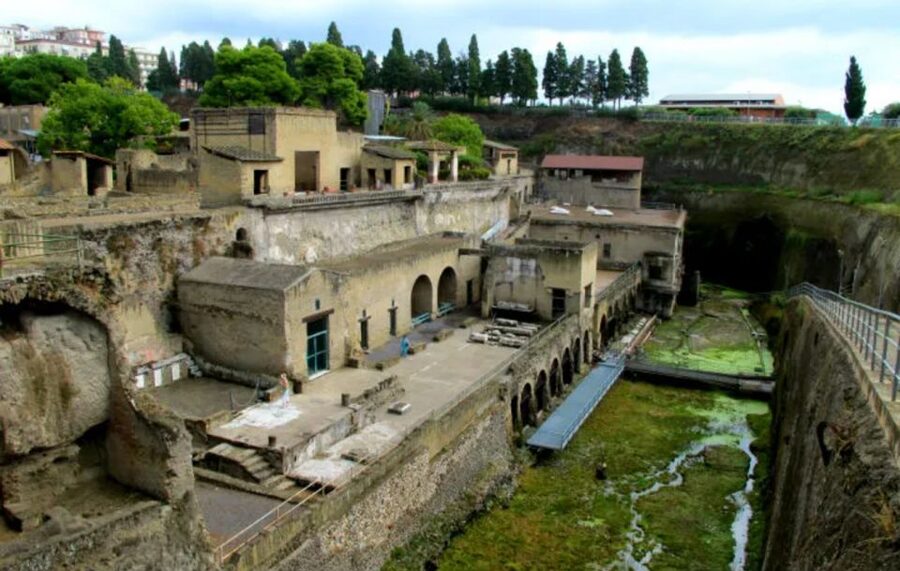
Walking the narrow streets is part of the emotional point of Herculaneum. You’re not just reading history on a sign. You’re standing in a space where the volcanic event sealed buildings and belongings in place.
The guide’s role here is to translate what you’re seeing. The streets become more than “pathways between ruins.” You start to notice doorways and street geometry as practical parts of everyday life. You also understand why Herculaneum feels more intimate than many other archaeological sites: the preservation keeps the scale personal.
I also like that the tour framing focuses on the rhythm of daily living. Roman towns weren’t only temples and statues. They were workplaces, bathrooms, storage areas, and homes with color on the walls. When a guide keeps bringing you back to those basics, you can actually picture what it meant to live there.
Frescoes, Villas, and Why the Walls Still Matter
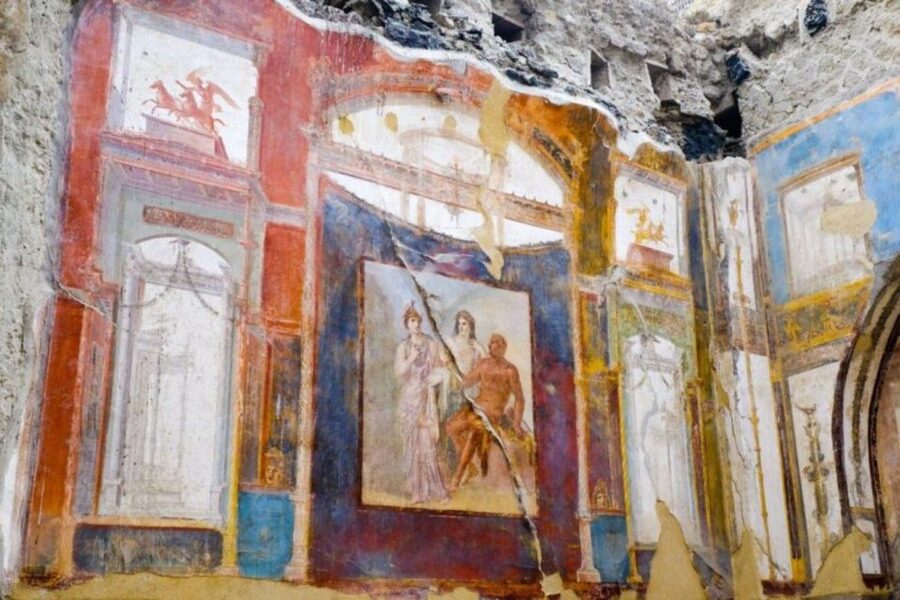
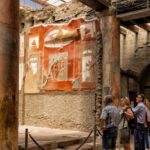
Frescoes are where Herculaneum often wins people over. The site includes vivid wall decoration, and when a guide points out what you’re looking at, the effect becomes way stronger than a quick glance.
In this tour, you’ll spend time around frescoed villas and more elegant home areas. The value is not only visual. Frescoes and decorative surfaces tell you about taste, wealth, and how people wanted rooms to feel.
What I like about having a live guide here is context. You can see pigment and patterns, sure. But the guide helps you connect those visuals to the rest of the home: what type of spaces they sit in, how rooms relate, and why the layout suggests how the house was used.
If you enjoy architecture and domestic life, this is often the highlight block. If you’re more interested in politics and big events, you’ll still get something out of it because daily-life details are part of how Roman society functioned.
You can also read our reviews of more guided tours in Ercolano
Baths, Workshops, and Storage Areas You Can Read
Not every great archaeological moment is a pretty wall. Some of the most useful parts of Herculaneum are functional spaces that explain how a town ran.
This guided walk includes bath complexes, which can be easier to interpret with a guide’s help. Seeing a bath area without context can make it feel like a puzzle of rooms. With a guide, you understand how these places supported everyday routine.
You’ll also move through workshops and storerooms. These are the spaces where you can understand the economy of the town. People needed supplies. They worked. They stored goods. Even if you don’t know the Latin terms, your guide can point out what each space likely supported based on layout and preserved features.
The big advantage of this guided format is that it reduces guessing. With only 2 hours, you want a route that hits the zones that answer the most questions quickly.
Hearing Your Guide Clearly: Headsets Make a Difference
Shared group tours can suffer from one common problem: noise. If people are clustered too widely, the guide becomes background chatter.
This tour helps with that. For larger groups (over 15 people), you get whispered audio, and real-world feedback highlights radio headphones and a microphone that make a big difference. That’s one of the most praised aspects because it directly affects your experience. You don’t have to strain to catch key points, and you can keep your attention on what you’re seeing.
If you’re the type who hates missing half the story, this is worth your attention. Being able to hear the guide changes how well you can follow the site.
Also, if you’ve used audioguides at other sites, you’ll likely notice the contrast. An audio track can be informative, but a live guide responds to what the group is focusing on in that moment.
Price, Value, and What You’re Paying For
At $46 per person for a 2-hour shared guided tour, the key question is whether you’re getting more than just a ticket.
Here’s what you do get:
- a professional guide for 2 hours
- entrance tickets included
- skip-the-line access
- live English narration
The hidden value is time and interpretation. Entrance tickets mean you’re not scrambling to match your schedule to the next available slot. Skip-the-line means you start the experience with less friction. And the guide means you spend less time trying to figure out what each area is while you’re standing there.
What you don’t get is also important. There’s no audioguide and no map included. If you rely heavily on self-guided, device-based guidance, you might feel under-equipped. If you’re comfortable using the guide as your main source, you’ll probably feel like the price is fair for the structure you’re getting.
Practical Tips That Keep the Walk Comfortable
This tour is only 2 hours, but it’s still a real walking visit. Wear comfortable shoes. Choose clothes you can move in. Archaeological surfaces can be uneven, and the “stuck in time” feeling comes from being close to the real layout, not from a smooth paved path.
Since transfers are not included, you’ll want to plan how you’re getting to the ticket office. Once you’re there, the tour itself is straightforward.
One more tip based on common expectations: if you’re hoping to spend extra time in specific lower areas, like parts associated with skeleton displays, keep your expectations realistic. With limited tour time, the guide may prioritize other highlights.
Who This Tour Suits Best
This shared guided tour is a strong match if you want:
- a clear overview of Herculaneum in a short time window
- a live English guide to explain what you see
- headsets or audio support for better listening
- a structured route through frescoed homes, baths, workshops, and storage areas
It may not be ideal if:
- you prefer long, quiet wandering with minimal guidance
- you want detailed time in every side area or lower-level section
- you strongly prefer to rely on your own map and audioguide (since those are not included)
Should You Book This Shared Guided Tour?
Book it if you want Herculaneum explained in a way that helps you actually understand daily Roman life while you walk through the preserved town layout. The included entrance ticket plus skip-the-line access makes it efficient, and the headsets for larger groups solve a common group-tour problem.
Skip it, or consider adding extra self-guided time on your own, if you tend to take your time at sites and hate feeling rushed. Two hours is a highlight-hunting window, not an everything-on-your-list, slow-study visit.
If your priority is a smooth, guided introduction that makes the site’s preservation and spaces click, this tour is a solid choice.
FAQ
How long is the Herculaneum shared guided tour?
The tour lasts 2 hours.
What is included in the tour price?
It includes a 2-hour shared guided tour, entrance tickets, and audio support for groups with more than 15 people.
Is the tour in English?
Yes, the live tour guide is English.
Do I get an audioguide or a map?
No, an audioguide and a map are not included.
Where do I meet the guide?
Meet at the ticket office of the Herculaneum archaeological park. The guide waits at the entrance.
Is skip-the-line entry included?
Yes, the tour includes skip-the-line ticket access.
Can I cancel for a refund?
Yes. Free cancellation is available up to 24 hours in advance for a full refund.
More Tickets in Ercolano


More Tours in Ercolano

More Tour Reviews in Ercolano
Not for you? Here's more nearby things to do in Ercolano we have reviewed



Tour Reviews, compared.
 ★ 4.8Pompeii: Entry Ticket and Guided Tour with an ArchaeologistFrom $3519,459 reviews
 ★ 4.2Pompeii: Entry Ticket with Optional Audio GuideFrom $2612,360 reviews
 ★ 4.8Pompeii: Small Group Tour with an ArchaeologistFrom $4012,264 reviews
 ★ 4.3Pompeii Ruins & Mount Vesuvius Day TourFrom $12011,459 reviews
 ★ 4.6Sorrento, Positano and Amalfi Full-Day TourFrom $10710,988 reviews
 ★ 5.0Sorrento, Positano & Amalfi Coast – Small Group TourFrom $768,643 reviews
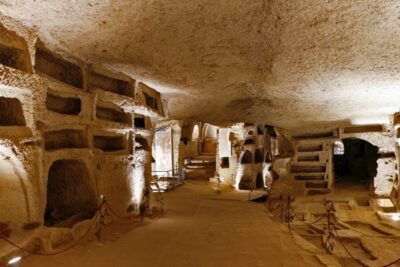 ★ 4.6Catacombs of San Gennaro Entry Ticket & Guided TourFrom $157,941 reviews
★ 5.0Pompeii Small Group Tour with an ArchaeologistFrom $356,593 reviews
★ 4.6Catacombs of San Gennaro Entry Ticket & Guided TourFrom $157,941 reviews
★ 5.0Pompeii Small Group Tour with an ArchaeologistFrom $356,593 reviews
Browse the lists this tour appears in