
Tour review · TOUR REVIEWS
Herculaneum – Small Group Tour (admission included)
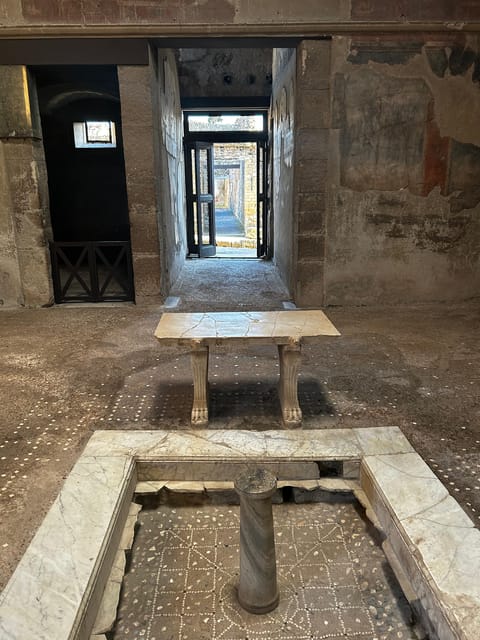
Herculaneum feels closer than Pompeii. This small-group tour turns the ruins into a clear, walkable story, starting with the eruption and ending with everyday Roman life you can actually picture in your head. The Archaeological Site is preserved under roughly 60 feet of cinder, so you do not just see walls, you see how people lived, where they moved, and what luxury looked like in a coastal Roman neighborhood.
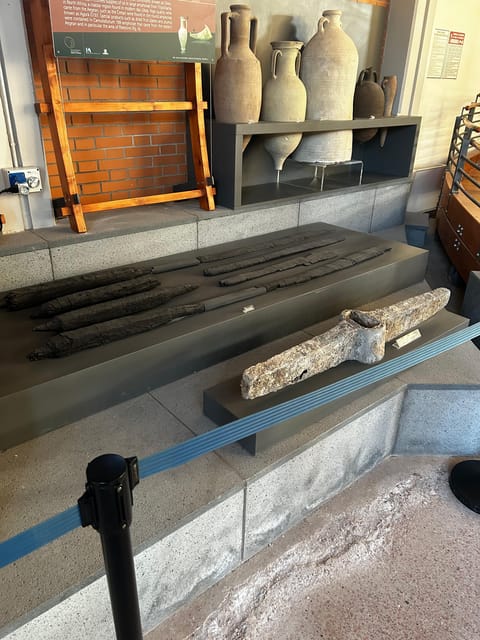
I especially liked two things. First, Herculaneum’s “wealthy homes, smaller city” feel gives you more detail per step, and the guide points out elegant home styles and decorations that can get lost when you rush. Second, the tour includes a stop for the boat museum, which helps you understand the site beyond the stone streets and into what the eruption and location did to real objects.
One thing to consider: at 2 hours, you will cover highlights rather than every corner of the site. If you like to linger for long stretches or want to read every inscription, you may wish you had more time after the tour.
Quick hits before you go
- Small group pace, built for questions rather than a sprint through the ruins
- Licensed guide (Regione Campania) who keeps the story tied to what you see
- Skip-the-line admission so you lose less time waiting at the entrance
- Eruption-first orientation that makes the preservation make sense quickly
- Boat museum visit to connect the site to the coast and surviving finds
- Roman daily life focus, especially for the wealthy residential feel of Herculaneum
Why Herculaneum hits different than Pompeii
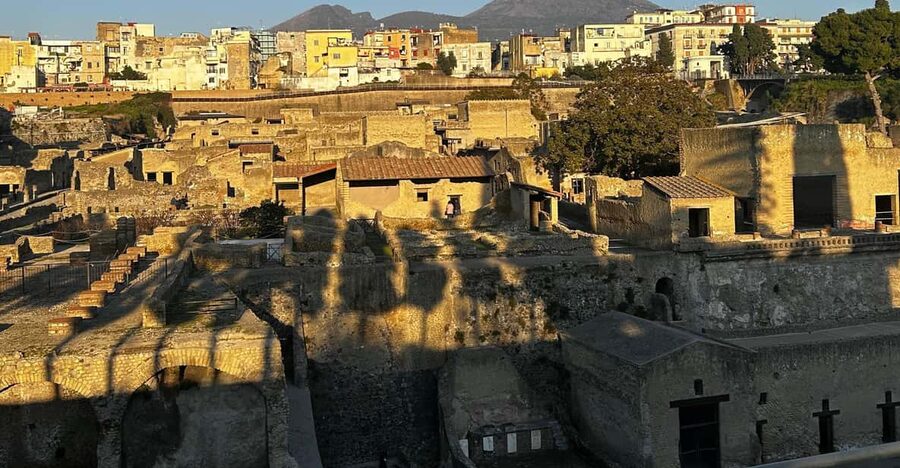
If Pompeii is the big, dramatic postcard, Herculaneum is the intimate one. This town was also buried by Mount Vesuvius in 79 A.D., but its preservation creates a different kind of “time travel” moment. In Herculaneum, the city was covered by scalding ashes and then packed under a literal mountain of cinders, which can preserve details that feel fragile at Pompeii.
I like that the result is more than pretty ruins. It gives you a sense of a lived-in place. Herculaneum was a residential area for the wealthy, described as smaller but richer than Pompeii. As you walk, you can shift from thinking in broad categories like forum and temples to details like home design, decoration style, and how daily routines might have looked in a coastal Roman setting.
That is also why this tour’s structure matters. It is not just a walk with dates. It is a guided explanation of the eruption and preservation, then a tour of the ruins as a functioning town.
You can also read our reviews of more tours and experiences in Ercolano.
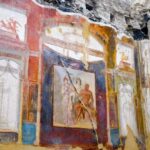

The eruption story you actually need to know
This tour starts by setting up the disaster in plain terms, because the preservation only makes sense with the right mental picture. You learn that Herculaneum was covered by pyroclastic flows, with scalding ashes pushing in and burying the city under about 60 feet of cinder. When you know that, you stop asking why the ruins look different and start understanding how the materials and the timing could keep certain elements intact.
The guide also contrasts the two cities. Both were destroyed by the same eruption, but the effects were not alike. That difference is key for your visit. Instead of treating Herculaneum as a smaller version of Pompeii, you learn to read it as its own outcome of the same catastrophe.
A practical benefit: once you understand the “how,” your eyes get better. You will likely catch more visual cues because you know what the preservation can realistically protect.
Meeting at Corso Resina, getting into the site fast
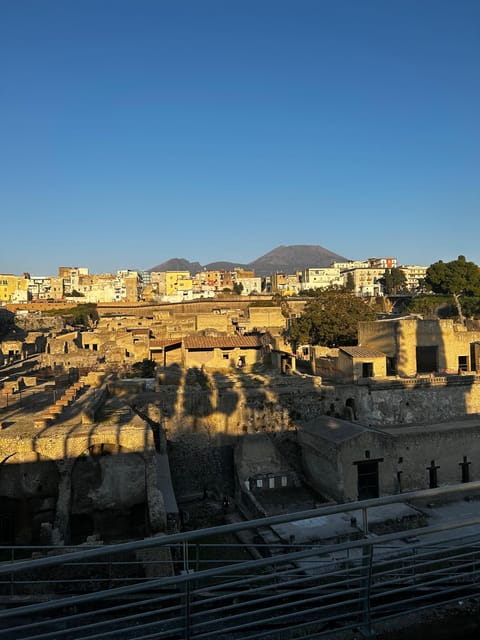
You meet at Corso Resina, 187, just outside the Herculaneum ticket office. That is convenient, and it reduces the chance of wandering around looking for your group. Since the tour includes skip-the-line admission, you typically spend less time stuck at the front of the building when you would rather be walking inside.
Because this is a small group, it also tends to feel less chaotic at the start. You can usually get oriented quickly, which matters at a site like this where direction and pacing affect what you notice.
If you arrive early, I’d use that time to plan your meeting point calmly. The meeting location is specific, so do not assume it is obvious from far away.
Guided ruins: the wealthy Roman town at human scale
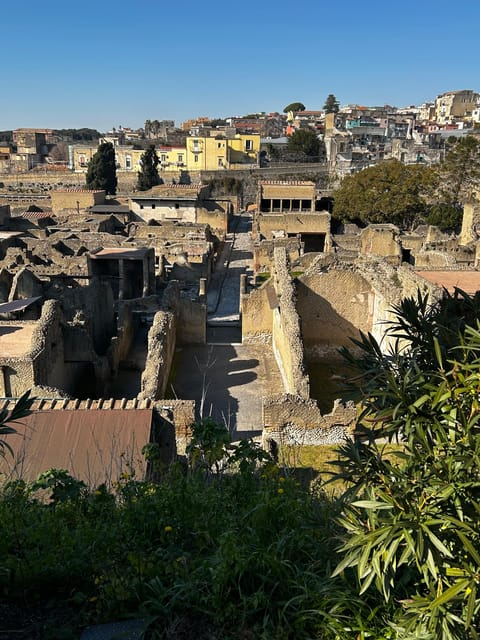
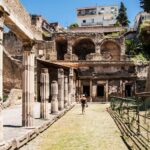
Once you are in, the tour turns into a focused walking route through the archaeological site. The tone stays on life in a Roman center, not just on architectural trivia. You are guided through the ruins with an emphasis on how the space worked for residents, especially in a town associated with wealth.
That “wealthy but smaller” aspect changes what you notice. You are not just scanning for major public buildings. You are more likely to think about private spaces, decoration choices, and how people might have moved through rooms and shared areas.
I like tours that keep you connected to the everyday. This one aims to do that: it takes the ruins and translates them into the rhythms of ancient living. You are not just looking at stone, you are building a picture of daily life.
How the preservation changes what you can see
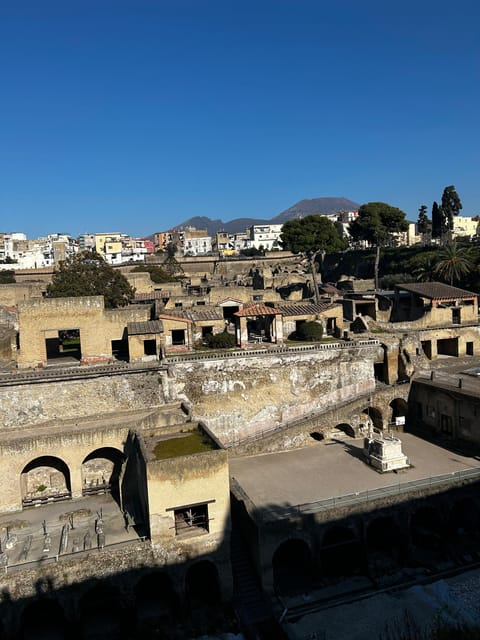
Herculaneum is famous for how well things survived, and your guide makes that practical. The key idea is that preservation is not one magic trick. The town’s condition is distinctive because the eruption affected it differently than Pompeii.
In the houses and surfaces you encounter, you get a chance to see the kinds of details that often vanish in other places. One of the most appreciated parts of this tour is how the guide explains why certain remnants look the way they do, so you can appreciate them as intentional design rather than accidental fragments.
You will also hear how the preservation lets you learn about Roman life more intimately. It is not just “there were buildings.” It is “this is what decoration looked like,” and “this is the kind of layout that hints at living patterns.”
This also helps if you have already visited Pompeii. Herculaneum becomes a contrast lesson. You can see the differences in preservation and focus, and it feels like you are learning something new rather than repeating a route.


Paintings and home decorations you will actually remember
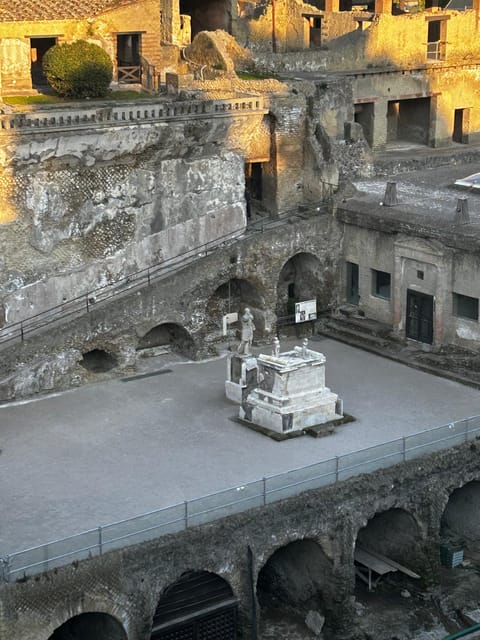
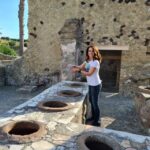
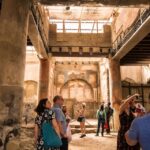
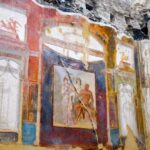
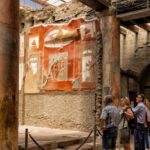
A standout theme is the visual side of Roman wealth. The tour highlights private houses and the elegant decorations still visible in the preserved fabric of the site. That matters because Herculaneum’s value is partly visual evidence, not just ruins in general.
If you enjoy details like walls, colors, and craftsmanship, you will likely find these parts especially satisfying. Several of the tour guides who lead in different languages are praised for explaining buildings and paintings clearly, and for balancing information with room for questions.
One small tip: when the guide points something out, take 10 to 20 seconds to look without scanning. Preservation can be subtle, and a quick glance can turn into missing the best part.
Boat Museum: the coast connection and surviving finds
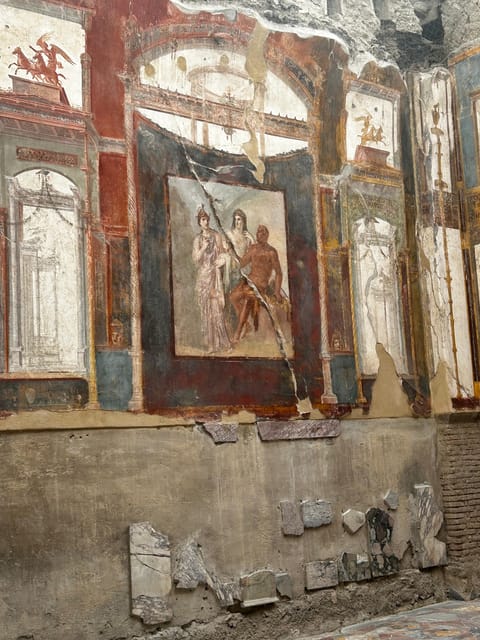
The tour includes a visit to the boat museum, and this is where the experience broadens. Ruins can easily feel like a closed world: stone, sand, silence. The boat museum adds a reminder that Herculaneum was coastal and connected to the wider movement of people and goods.
Even if you have no deep background in Roman maritime history, the museum stop helps you connect the eruption story to physical surviving evidence. You see how finds related to water and transport fit into the bigger picture of what the disaster did to the town.
If you like your history grounded in objects and real materials, you will probably enjoy this portion more than you expect. It turns the tour from purely architectural to evidence-based.
Typical life in an ancient Roman center, not just sightseeing
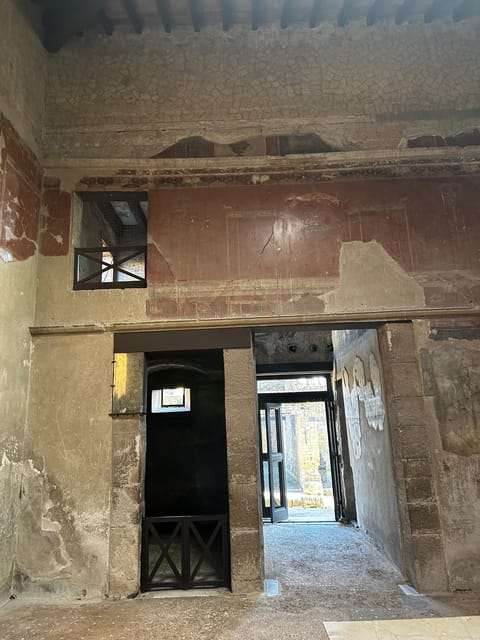
The tour’s emphasis is the typical life of an ancient Roman center. That might sound generic, but in practice it means your guide keeps bringing you back to how residents likely lived and used spaces. You get explanations tied to the ruins and the decoration, and the focus stays on what you can understand from what remains.
This is also where guide style makes a difference. In particular, guides such as Roberta, Marzia, and Gabriella have been highlighted for staying informative while still leaving space for questions. One guide was noted for adapting explanations to the curiosity of children, which tells me the narration can flex for different group needs.
That flexibility matters if you are traveling with mixed interests, like history-minded adults plus kids who need a story hook.
The pacing of a 2-hour visit, and when it is a perfect fit
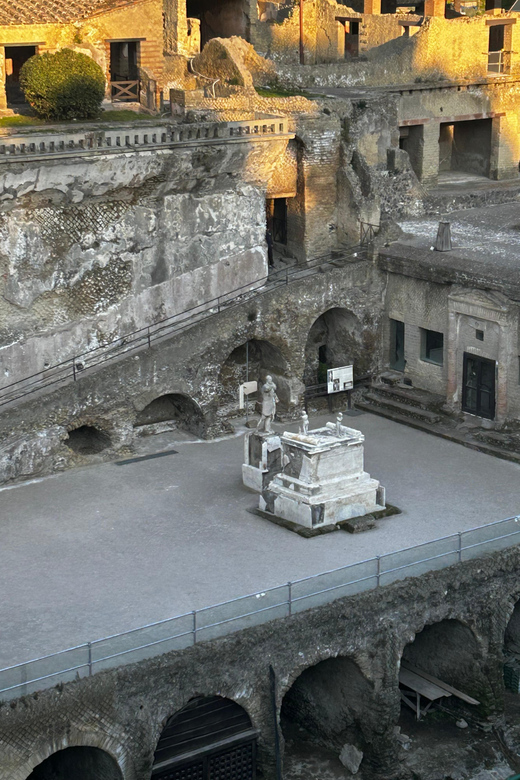
A 2-hour guided format is ideal if you want a concentrated introduction that does not eat your whole day. You get key context, a guided route, and the boat museum stop, all without feeling like you are trapped in a long lecture.
Here’s how to decide if this pacing works for you:
- If you want a structured overview plus time to wander after, this fits well.
- If you want to slow down at every building and read everything, you may feel slightly rushed.
Because it is a small group, you also get more conversational moments than on large tours. I like that for ruins, where the best learning comes from small questions, like why something survived or what a house layout suggests.
Price and value: $75 with admission and a licensed guide
At $75 per person for about two hours, this is not a bargain-style “quick stop” price. It is closer to a pay-for-quality model, and the included parts help justify it.
You are paying for:
- Skip-the-line admission, which can save real time at busy hours
- A licensed guide by Regione Campania, which usually means you get expert explanations rather than generic storytelling
- A focused, small-group route that concentrates on what matters at the site
For me, the value comes down to clarity. Herculaneum can be overwhelming if you simply walk in. The eruption context, the explanation of preservation differences from Pompeii, and the guided attention to houses and decoration make the visit more than a photo session.
If you are already planning a separate self-guided visit to Herculaneum, you might wonder if you can do it cheaper. But if you want to understand what you are seeing while you are seeing it, the guided format tends to pay off.
Should you book this Herculaneum small-group tour?
Book it if you want an efficient, guided way to learn why Herculaneum looks the way it does, and how Roman daily life worked in a wealthy residential town. This is especially good if Pompeii is already on your list or if you want something more intimate than the bigger sites.
I would also book it if you like your history with a clear structure: eruption first, preservation explained, then ruins and objects tied into real life. The boat museum stop is a bonus that adds depth beyond the streets and houses.
Skip it or pair it with extra time only if you are the type who needs long, quiet wandering. Since the tour is short, you will get strong highlights, but you might still want to come back or add independent time afterward to slow down.
FAQ
How long is the Herculaneum small group tour?
The tour lasts 2 hours.
How much does it cost?
It costs $75 per person.
Is admission included?
Yes. Skip-the-line admission is included in the tour.
Where do we meet?
You meet just outside the Herculaneum ticket office at Corso Resina, 187.
Is there a live guide?
Yes. You get a live tour guide licensed by the Regione Campania.
What languages are offered?
The tour is available in German, Italian, and English.
Is it a small group?
Yes, small group options are available.
Can I cancel if my plans change?
You can cancel up to 24 hours in advance for a full refund.
Is there a reserve-and-pay-later option?
Yes. You can reserve now and pay later.
More Tours in Ercolano
More Tour Reviews in Ercolano
Not for you? Here's more nearby things to do in Ercolano we have reviewed
Tour Reviews, compared.
 ★ 4.8Pompeii: Entry Ticket and Guided Tour with an ArchaeologistFrom $3519,459 reviews
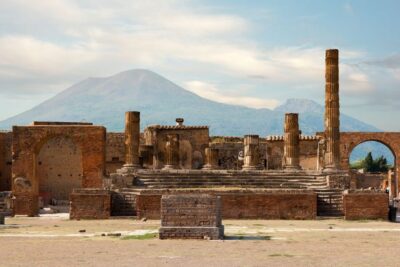 ★ 4.2Pompeii: Entry Ticket with Optional Audio GuideFrom $2612,360 reviews
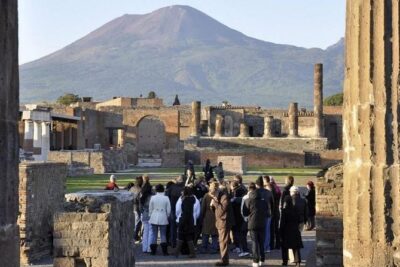 ★ 4.8Pompeii: Small Group Tour with an ArchaeologistFrom $4012,264 reviews
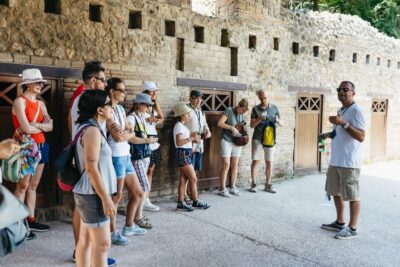 ★ 4.3Pompeii Ruins & Mount Vesuvius Day TourFrom $12011,459 reviews
 ★ 4.6Sorrento, Positano and Amalfi Full-Day TourFrom $10710,988 reviews
 ★ 5.0Sorrento, Positano & Amalfi Coast – Small Group TourFrom $768,643 reviews
 ★ 4.6Catacombs of San Gennaro Entry Ticket & Guided TourFrom $157,941 reviews
★ 5.0Pompeii Small Group Tour with an ArchaeologistFrom $356,593 reviews
★ 4.6Catacombs of San Gennaro Entry Ticket & Guided TourFrom $157,941 reviews
★ 5.0Pompeii Small Group Tour with an ArchaeologistFrom $356,593 reviews
Browse the lists this tour appears in