
Tour review · TOUR REVIEWS
Naples: Hands-On Pasta Class Making Gnocchi & Tagliatelle
Gnocchi by hand, in the heart of Naples. This 2-hour cooking class teaches you soft potato gnocchi from scratch and finishes with San Marzano DOP tomatoes in a homemade sauce. You get an apron, a chef’s hat, and a real reason to feel proud when you sit down to eat what you made.
One consideration: the class is not wheelchair accessible, so plan accordingly if mobility is an issue.
Key things I’d circle before you book
- Naplesbay Cooking Lab is in the historic center, a short walk from Duomo Cathedral
- Two pasta styles get hands-on attention, with the focus on gnocchi and tagliatelle
- Homemade tomato sauce uses San Marzano DOP tomatoes, extra virgin olive oil, basil, and a touch of sea salt
- You eat your own pasta after a mid-class appetizer and an included drink
- Chefs with personality show up in the teaching style, including humor and clear guidance
Meeting at Naplesbay Cooking Lab, near Duomo
This is the kind of Naples experience that starts easily. You meet at Naplesbay Cooking Lab in the historic center, just a short walk from Duomo Cathedral. That matters because you can pair it with other walkable old-town stops before or after, without needing a long transit plan.
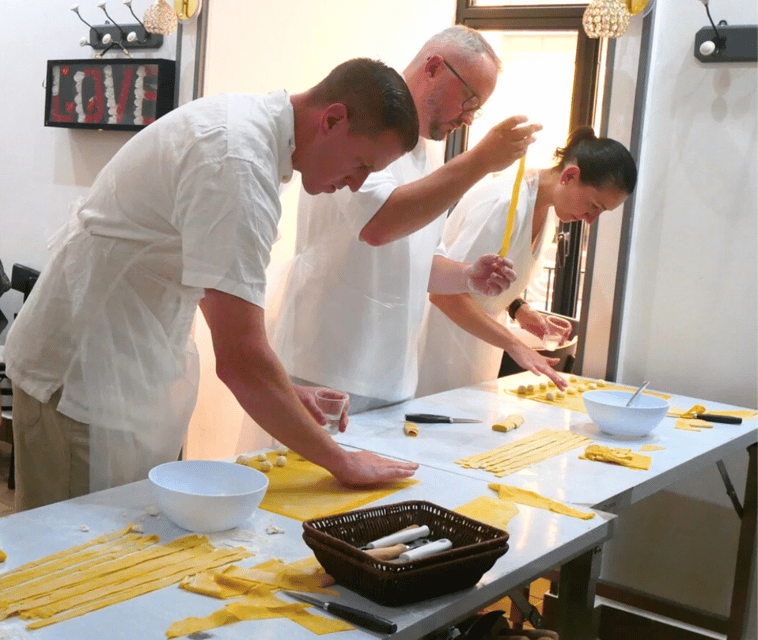
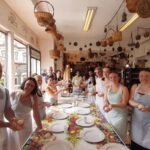
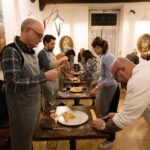
When you arrive, you’re set up for action, not observation. You’ll get the tools you need, plus an apron and a chef’s hat. In other words, it feels like you’re joining the kitchen rhythm right away, which is exactly what most people want from a hands-on pasta class.
More Naples tours, ruins, coast days, and city experiences to compare

What you make in 2 hours: gnocchi, tagliatelle, and more
The core theme is simple: make pasta by hand, then eat it while it’s still satisfying and fresh. The class highlights soft potato gnocchi and fresh tagliatelle, and the included description also references ravioli, so you can think of this as a “two pasta” experience with gnocchi and at least one other fresh pasta style.
Here’s the practical way to picture it. You’ll work through dough prep, shaping, and cutting, then the sauce part of the meal. By the time you sit down, you’re not just tasting Italian food, you’re tasting your own work.
I like this format for one big reason: it keeps your hands busy. Reviews praise how the class stays active, with you doing the cooking instead of watching for most of the time. If you’re the type who learns faster by making, you’ll probably feel right at home.
Soft potato gnocchi: aiming for light, tender results
Gnocchi sounds easy until you try it. That’s why this part is the headline. You learn how to make soft potato gnocchi from scratch with a local chef, and the goal is unmistakable: a texture that’s light and tender, and capable of holding sauce without turning heavy.
Your chef guides you through the process step by step, including the “why” behind the texture. You’ll hear traditional techniques and family-style know-how passed down over generations. Even if you’ve never shaped gnocchi before, you’ll get enough coaching to understand what the dough should feel like as it comes together and how to handle it to keep it delicate.
What this means for you: you leave with a mental model, not just a recipe. And that’s what helps when you try making gnocchi at home later, because you’ll know what “right” feels like.
Tagliatelle ribbons: cutting pasta the traditional way
After the gnocchi, you move to fresh tagliatelle. You’ll mix and knead the dough, then roll and cut it into long, silky ribbons using traditional tools and professional techniques.
If you’ve ever wondered why fresh pasta tastes different from boxed dried stuff, this is where you feel it. Kneading and rolling give the dough structure, and cutting shapes the final bite. It’s not complicated in theory, but it is tactile. Your hands get experience, and your brain gets a real sense of how pasta forms.
One nice payoff: reviews describe the class as upbeat and never dragging. One chef teaching style got called out for humor, which helps. Pasta can be fussy, but a relaxed kitchen makes it easier to focus on the real work.
Two sauces, plus the classic tomato plan
You’re promised two different pasta experiences paired with sauce, and one of them is a homemade tomato sauce made from quality ingredients. The sauce is built with San Marzano DOP tomatoes, extra virgin olive oil, basil, and sea salt.
Why this matters: tomato sauce in Naples is about balance. You’re not just pouring something on top. You’re cooking a sauce that smells like a real kitchen, and you’re tasting it with pasta you shaped yourself. That combination makes the flavors feel sharper and more memorable.
Also, the class experience is set up so you get to taste the results rather than just finishing the cooking and leaving. It’s a full circle moment, and it’s a big part of why the reviews rate this so highly.

Appetizer and a drink, right in the middle
Between the pasta-making steps, you break for a local appetizer and an included drink. This is a small thing on paper, but it changes the feel of the class.
With a pause in the middle, you can reset your focus without the class stretching into a long grind. And because you’ll be sharing tables with the group, it’s also when conversation naturally happens. In one review, people noted meeting others and learning more about Italian culinary traditions through the group energy and the chef’s storytelling.
If you’re traveling solo, this can turn a “food task” into a real social moment. If you’re traveling with friends or family, it becomes a shared activity you’ll talk about later.
Eating what you made: lunch or dinner, served warm
After the hands-on work and sauce, you sit down to eat your homemade gnocchi and tagliatelle served with warm tomato sauce. You’ll also have the included drink with the meal.
This is one of the strongest parts of the experience, because it protects the value of the class. You’re not paying for a cooking session only. You’re paying for the full experience, cooking plus tasting plus eating together.
A detail that stands out from the overall teaching style: you get clear explanations, but you also get time to work and laugh. One chef was described as attentive and easy to approach with questions. Another was praised for keeping the energy up so nothing feels too technical or boring. That’s a good sign for you if you worry you’ll be lost at some step.
Chef personality: when Lucas, Daniele, and Alex teach
One of my favorite “hidden” perks of cooking classes is the instructor tone. Here, the names that show up in the experience are Chef Lucas, Chef Daniele, and Chef Alex, and each one is mentioned for specific strengths.
- Chef Daniele was called out for humor and keeping things moving.
- Chef Lucas got high praise for being great with a family group and for sharing lots of tricks.
- Chef Alex was highlighted as attentive, answering questions and staying available.
That tells you something practical: you’re likely to get instruction that’s not just technical, it’s human. And in a hands-on class, that matters. If the chef is patient and engaged, you make fewer mistakes, you feel more confident, and you finish with pasta you actually want to eat.
Price and value: about $41 for 2 hours and a real meal
At $41 per person for a 2-hour class, the value comes from what’s included, not just the lesson itself. You’re getting:
- hands-on instruction
- kitchen tools, apron, and chef hat
- a chef diploma as a souvenir
- a local appetizer
- one alcoholic or non-alcoholic drink
- lunch or dinner featuring the pasta you prepared
- free luggage deposit
When you think of it that way, you’re essentially buying a chef-led meal experience plus a guided skills session. In a city where cooking experiences can be pricey, this price point can feel fair, especially if you’d otherwise spend similar money on a standard meal but without the hands-on education.
So for value, ask yourself this: would you pay $41 for a meal plus a meaningful activity? If yes, this fits your budget.
Who should book this Naples pasta class
This works best for you if:
- you want an actual skill, not just a food tour
- you enjoy getting your hands involved and learning by doing
- you like Neapolitan cooking and want to understand the texture and technique behind it
It also suits couples who want something different from restaurants, and families who want a shared activity. One review even mentioned booking with family and planning to return for a pizza course, which suggests the vibe is friendly and repeatable.
If you want a quiet, sit-and-watch experience, this probably won’t be your match. The class is structured around making pasta constantly. That’s usually the point, but it’s worth saying plainly.
Quick reality check: things to keep in mind
A few practical reminders before you go:
- The class is in the historic center, near Duomo, so you’ll be walking in older streets.
- It is not wheelchair accessible, so plan for that if needed.
- You’ll be working with dough and kitchen steps, so comfortable clothes help.
- The class includes alcohol options, but it also covers non-alcoholic drinks, so you can choose what fits you.
Also, languages offered include Italian, Spanish, French, and English through the instructor. That helps a lot if you’re not fluent in Italian. You should still expect an interactive class, so don’t be shy with questions.
Should you book this pasta class in Naples?
I think you should book it if you want a Naples food experience that’s active, teachable, and ends with a meal you genuinely earned. The combination of handmade gnocchi, fresh tagliatelle, a homemade tomato sauce built around San Marzano DOP tomatoes, and the fact that you eat your own work makes the $41 price feel grounded.
Skip it only if mobility is an issue or if you know you prefer to watch rather than cook. If those do not apply, this is the kind of class that leaves you with both memories and a skill you can use at home.
If you can, arrive hungry, bring your best curiosity, and give the chef your full attention. The best moments here are the ones where you realize you can actually shape pasta that holds together, and then you taste it warm, with sauce, right away.
FAQ
Where is the class meeting point?
You meet at Naplesbay Cooking Lab in Naples’ historic center, a short walk from Duomo Cathedral.
How long is the pasta class?
The class lasts 2 hours.
What pasta dishes do you learn to make?
The experience focuses on soft potato gnocchi and fresh tagliatelle. The included details also mention ravioli as part of the fresh pasta preparation.
What food and drink are included?
You get a local appetizer in the middle of the experience, plus one alcoholic or non-alcoholic drink. Then you have dinner or lunch with the pasta you prepared.
Are tools and aprons provided?
Yes. The class includes kitchen tools and an apron, and you also receive a chef’s hat.
Do you get a souvenir?
Yes, you receive a chef diploma as a souvenir.
What languages are available?
The instructor offers Italian, Spanish, French, and English.
Is the class wheelchair accessible?
No, this tour is not wheelchair accessible.
Can children or teens attend?
Participants under 18 must be accompanied by a parent or legal guardian.
More Workshops & Classes in Naples
More Tour Reviews in Naples
Not for you? Here's more nearby things to do in Naples we have reviewed


Tour Reviews, compared.
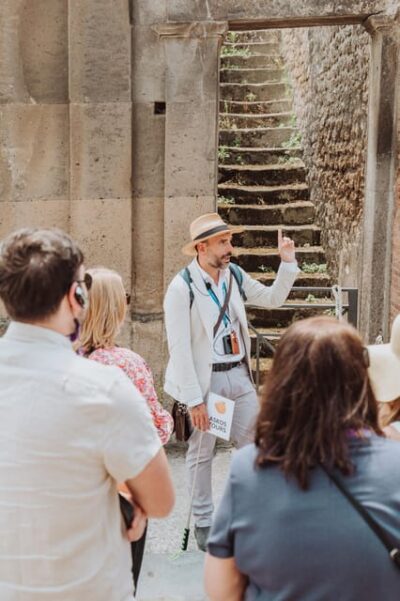 ★ 4.8Pompeii: Entry Ticket and Guided Tour with an ArchaeologistFrom $3519,459 reviews
 ★ 4.2Pompeii: Entry Ticket with Optional Audio GuideFrom $2612,360 reviews
 ★ 4.8Pompeii: Small Group Tour with an ArchaeologistFrom $4012,264 reviews
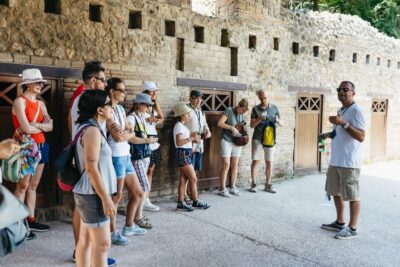 ★ 4.3Pompeii Ruins & Mount Vesuvius Day TourFrom $12011,459 reviews
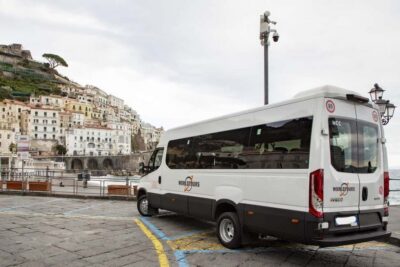 ★ 4.6Sorrento, Positano and Amalfi Full-Day TourFrom $10710,988 reviews
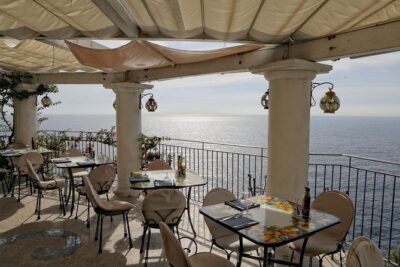 ★ 5.0Sorrento, Positano & Amalfi Coast – Small Group TourFrom $768,643 reviews
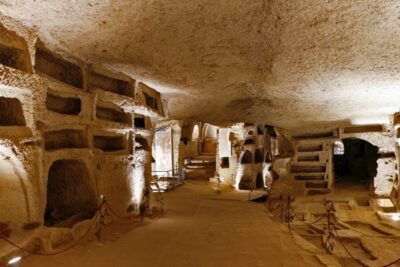 ★ 4.6Catacombs of San Gennaro Entry Ticket & Guided TourFrom $157,941 reviews
★ 5.0Pompeii Small Group Tour with an ArchaeologistFrom $356,593 reviews
★ 4.6Catacombs of San Gennaro Entry Ticket & Guided TourFrom $157,941 reviews
★ 5.0Pompeii Small Group Tour with an ArchaeologistFrom $356,593 reviews
Browse the lists this tour appears in