

Tour review · TOUR REVIEWS
Pompeii: Exclusive Tour with Archaeologist and Entry Tickets
Pompeii hits different when you skip the line. This 2-hour visit puts you into the ruins fast, led by a licensed archaeologist so the streets, buildings, and human stories feel real, not like a textbook. I especially like skip-the-line entry plus archaeologist-led storytelling, and you’ll move through the Forum, temples, baths, markets, and homes without wasting time. One consideration: expect a lot of walking on uneven ground, and it is not suitable for wheelchair users or people with mobility impairments.
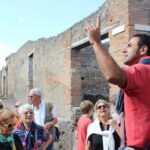
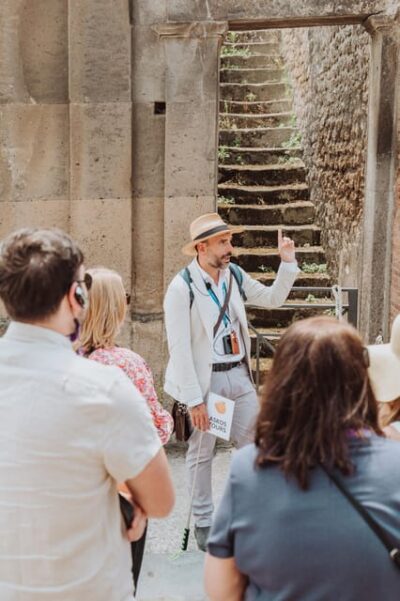
The meeting point is easy to find, just outside Pompeii’s Porta Marina entrance near the Pompei Scavi – Villa dei Misteri train station (Circumvesuviana). Your guide holds a sign reading Pompei VIP, and you’ll hear everything with a headset, which matters in a big, noisy site.
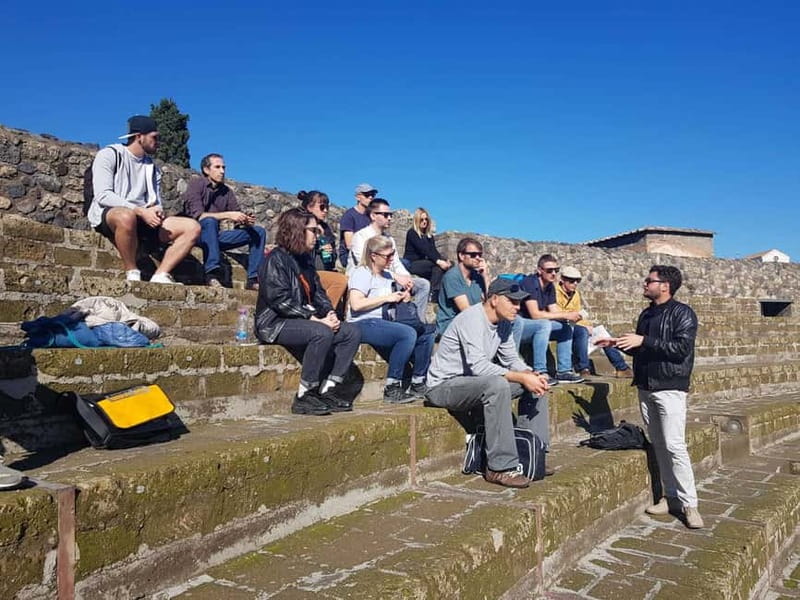
You can choose a sharing small group slot or book private. Either way, the goal is the same: see the key areas, learn from someone who has worked on site, then get direction on what to keep exploring after the tour.
Key things to know before you go
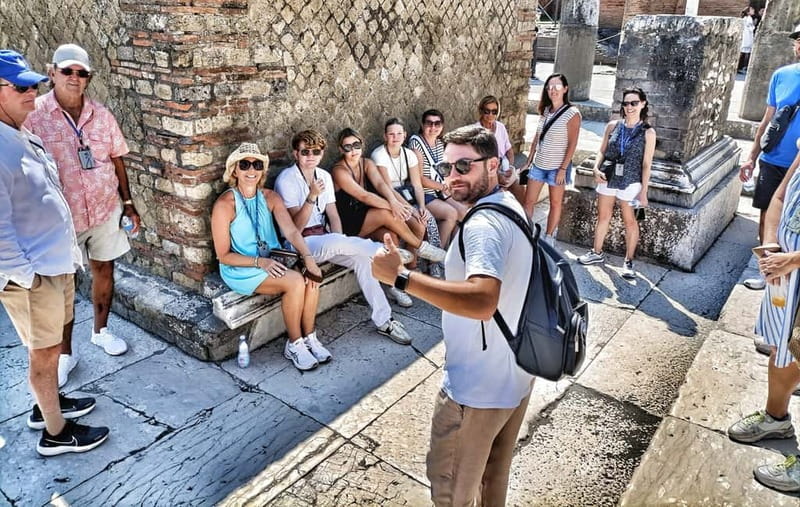
- Porta Marina start point, right by Circumvesuviana so you can get in quickly
- Skip-the-line Pompeii Express tickets included to avoid the worst queue time
- Licensed archaeologist guide plus headset audio for clear explanations
- A tight 2-hour route covering Forum, temples, baths, market casts, and major houses
- Stops chosen for story, not just photos including the Macellum and plaster casts
- Two possible drop-off areas (Pompeii Ruins or Piazza Esedra) after the walk
Skip-the-line entry through Porta Marina, so you start seeing fast
Pompeii can be slow, mostly because the site is huge and the crowds are real. The big practical win here is that your tickets are set up for express entry, so you do not burn your short time standing around. Since the tour is only 2 hours, saving even 20 to 40 minutes on the front end can change your whole experience.
You’ll start at Porta Marina entrance. That matters because it keeps you oriented from the first moment, rather than wandering and guessing where the main sights are. The meeting point is outside the entrance, in front of the train station Pompei Scavi – Villa dei Misteri (Circumvesuviana), and your guide will be holding a sign with the name of the tour, Pompei VIP. If you’re coming by train, also check the route carefully, because there are three stations at Pompei and it’s easy to end up at the wrong one.
Good to know: the tour route is designed to get you through the highest-impact areas without feeling like you rushed every step. You’ll still have time for photos, but the pacing stays focused so you don’t end up skimming everything.
More Naples tours, ruins, coast days, and city experiences to compare


Why a licensed archaeologist guide matters in Pompeii
Pompeii is not short on information online, but it is short on context when you wander alone. What I like about this format is that you’re not just getting facts, you’re getting the way archaeologists think about evidence. The tour is led by a licensed archaeologist and licensed guide, and the emphasis is on discoveries made during work on site, plus stories tied to what they’ve uncovered.
That show-up-and-say-the-same-thing style gets old fast at Pompeii. Here, the guides are consistently praised for making the ruins easier to follow and for adjusting pace to the group. For example, guides such as Livio and Antonio were called out for being funny, responsive, and professional, while Ricardo and Raffaele were praised for bringing daily life and the eruption story into focus without turning the tour into a lecture.
Even better, you get headsets. That sounds small until you’re standing in the thickest parts of Pompeii, where distance and noise can make it hard to hear. With the headset, you can keep walking and listening at the same time, which helps a lot during a compact tour.
The 2-hour route, stop by stop, and what to notice
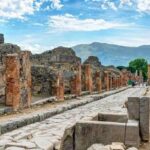
This is a highlights-driven walk. The stops are chosen because they explain how Pompeii worked as a city, not just because they look famous. Expect a steady rhythm: you’ll move from civic life to religion, then to markets, art-filled homes, and entertainment areas.
Porta Marina, the gate that starts the story
You begin at Porta Marina Superiore, described as an original Roman gate that still stands. Standing at a real entry point like this gives you a sense of arrival, like you’re stepping into the city rather than teleporting into a museum. It’s also a good moment to get your bearings before you’re surrounded by streets, signage, and other visitors.
Basilica and the Roman Forum area, where civic life happened
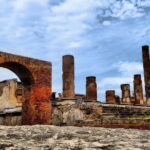
Next up is the Basilica and then the Foro Civile (Roman Forum). This is where Roman public life gathered, and the tour frames these spaces as the city’s civic engine. Even if you only remember one idea, try to remember this: you’re looking at architecture tied to how decisions were made and how people interacted day to day.
A practical tip: when you reach the Forum area, take a minute to look at the layout before you start snapping photos. It’s easy to photograph walls and columns without noticing the street-level flow that made these spaces function.

Temples to Jupiter, Apollo, and the idea of Roman belief
You’ll visit temples dedicated to Jupiter, Apollo, and other key Roman cults mentioned in the tour description. These stops shift the vibe from civic to religious. You’ll start seeing how public spaces were also places where belief was expressed in stone and ceremony.
Look for the relationship between temple sites and the wider route of the city. The guide is there to connect what you see to why Romans would place religion so visibly in the daily circulation of the city.
Forum Baths, because life was physical and social
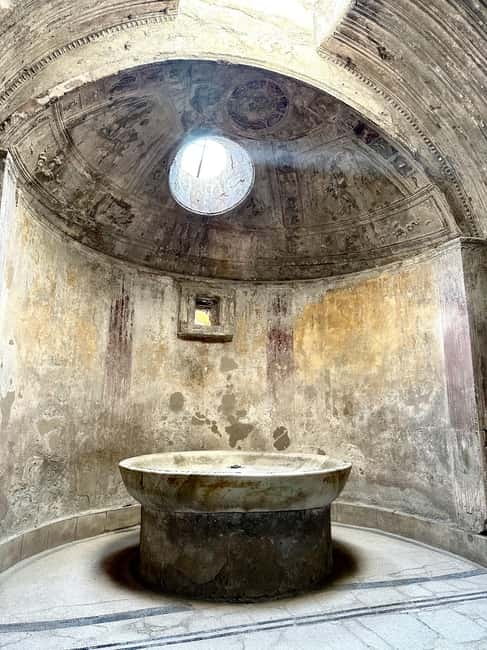
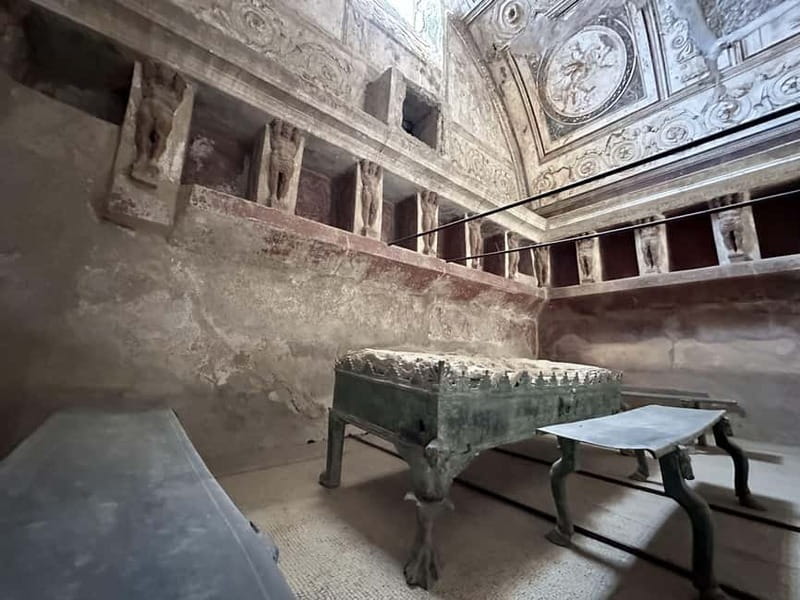
The Forum Baths are on the route, which is important because it keeps the tour grounded in routine. Baths were not only about cleanliness, they were social spaces in Roman life. The guide helps connect the building to how people spent time, not just what the rooms were called.
A drawback to be aware of: the tour is time-boxed, so you won’t linger for long. If you want a longer look at bath details, plan to return later on your own.
Macellum market, where the plaster casts hit hard
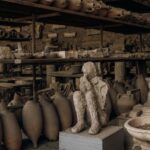
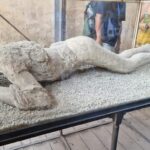
One of the most memorable stops is the Macellum market, which is highlighted here as home to plaster casts of eruption victims. This is where Pompeii stops being a beautiful ruin and becomes a human story. The tour’s job is to steer you through what you’re seeing with empathy and clarity, not sensationalism.
If you’re sensitive to heavy stories, that’s okay. Just know this stop carries emotional weight and tends to be the moment you talk about afterward. Bring water and take your time standing still for a minute before you continue.
House of the Tragic Poet, then the Vettii and House of the Faun
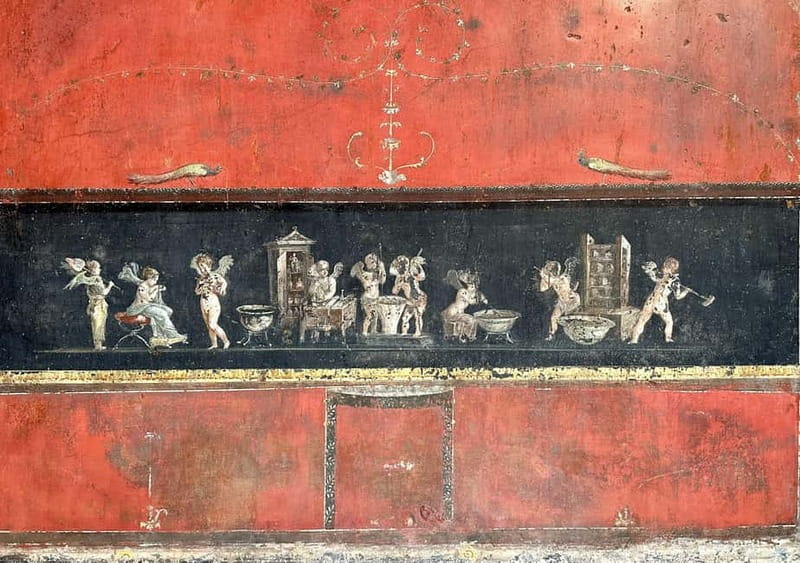
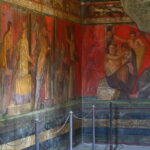
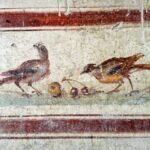
The tour moves into multiple homes, including the House of the Tragic Poet, the House of the Vettii, and the House of the Faun. The emphasis is on frescoes and mosaics, meaning you’re not just looking at rooms, you’re looking at how art lived inside everyday domestic spaces.
In these stops, I’d focus on two things: the layout, and how decoration shows status and taste. The guide’s explanations help you understand why certain rooms and artworks matter more than others.
Lupanare and the Theatre District area
You’ll also pass by the Lupanare and include the Large Theatre in the route, linking the experience to entertainment and city culture. The tour description frames this as part of the Theatre District zone, so you get the sense that Pompeii offered more than markets and religion.
If you’re the type who likes to understand how people spent their free time, these stops are worth paying attention to. If you are mostly there for art and architecture, you still get value here, because the tour connects entertainment spaces to street life.
Large Theatre, a final big landmark moment
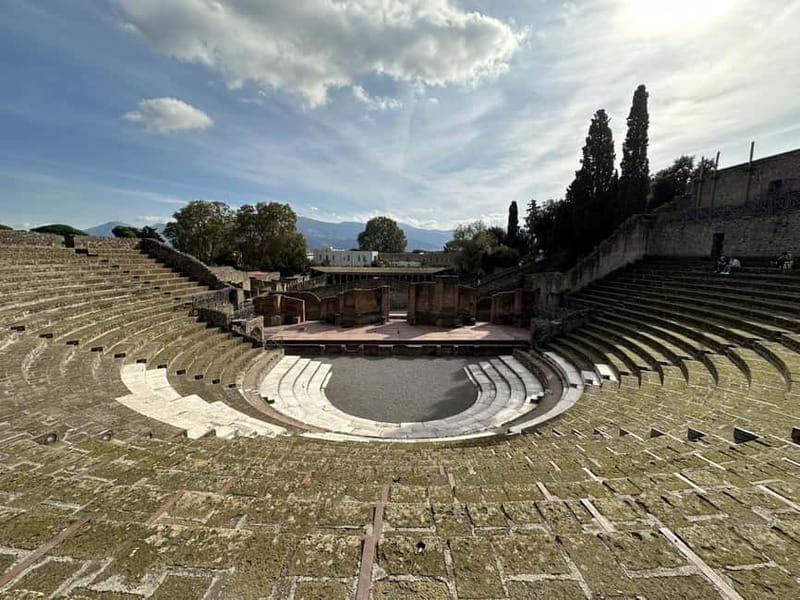
The Large Theatre is a strong finishing highlight. By the time you reach it, you’ve already seen the city’s civic, religious, domestic, and market sides, so the theatre feels like the last piece of how the city worked. The guide helps tie it together so it does not feel random.
Drop-off: Pompeii Ruins or Piazza Esedra
After the tour ends, there are two drop-off options: Pompeii Ruins and Piazza Esedra. That can be handy if you plan your next stop right away, whether you want to re-enter for more exploring or adjust your route for transportation.
Frescoes, mosaics, and plaster casts: what to look for on this tour
This tour has a smart mix of visual and emotional stops. On the visual side, you get stunning frescoes and mosaics at major homes like the House of the Vettii and the House of the Faun. On the emotional side, you get plaster casts at the Macellum that bring the eruption to a human scale.
Here’s how I’d approach the art stops so they are not just photo ops:
- Slow down for one decorated area in each home, so you can see the artwork style and where it sits in the room.
- Use the guide’s wording to orient yourself to what matters, because Pompeii houses have lots of nooks and it’s easy to lose the big picture.
- If you’re traveling with kids, the guide’s pacing is often praised as manageable for all ages, and these art stops naturally break up the heavier parts.
Also, the guide is likely to connect the 79 AD eruption context to what you can still see. Pompeii was buried under volcanic ash, and that preservation is why you can walk those streets today. Hearing that story while standing among the spaces makes the experience land in a different way than reading it.
Price and value: what $50 gets you (and why it can be worth it)
At $50 per person for a 2-hour archaeologist-led experience, the value depends on what you hate most when visiting Pompeii. If you hate queues, the math tilts in your favor. The tour includes skip-the-line entry tickets plus Pompeii’s admission Express ticket. That alone can be the difference between seeing key areas and spending your time in line.
You’re also paying for three things that are hard to DIY:
- A licensed archaeologist guide who can explain what you’re seeing and tie it to ongoing excavation work
- Headsets, which help you hear instructions even in crowded areas
- A focused route that hits the Forum, temples, baths, market, homes, and major theatre zone without requiring you to plan every turn
One more value point: you can choose a sharing small group or a private slot. For some groups, private is the better deal because it reduces waiting and makes the pace match your interests. For others, sharing keeps costs down while still giving you the guided structure.
If you’re trying to maximize Pompeii in a short window, this is one of the cleaner ways to do it. If you have multiple days and love slow wandering, you might prefer self-guided time later, using the tour to get your bearings first.
What could trip you up, from uneven ground to name-locked tickets
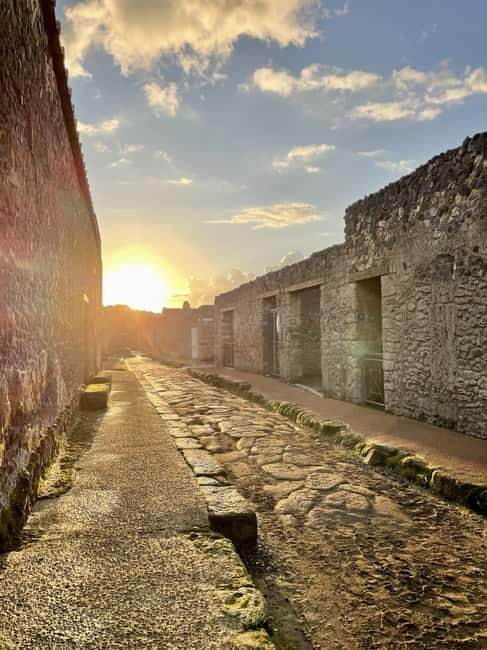
Pompeii tours are rarely painless, and this one is no exception. The route involves walking a lot on uneven, outdoor surfaces, and it’s not suitable for wheelchair users or people with mobility impairments. Comfortable shoes are not optional.
Two other practical notes are worth planning for:
- Tickets must include your full name and surname, plus ages for every participant. You need to send the list of participants through the provided messaging system so your name is added to the ticket, following new rules from November 15 intended to block illegal resellers.
- Bring your passport or ID card. A photo of the ID is said to be fine, but you still need the documentation with you.
Also follow the on-site rules: no pets, no alcohol or drugs, and no swimwear. Electric wheelchairs are listed as not allowed.
If you’re arriving by train, give yourself a buffer. One helpful tip from a solo visitor was that the team reached out in advance to make sure the meeting point was found easily. If you’re unsure about the exact station, message ahead rather than guessing.
Should you book this Pompeii VIP tour?
I’d book this if you want Pompeii to feel guided, focused, and easier to understand within a short visit. This is especially a strong choice if you care about context, want a licensed archaeologist leading you through Forum, temples, baths, market casts, and decorated homes, and you do not want to burn your time in lines.
I would skip it or consider alternatives if you need a low-walking experience or you use a wheelchair. Also, if you already plan to spend many hours inside Pompeii and want total freedom to wander slowly room by room, a short tour might feel too controlled.
If you book, here’s my best advice: treat the 2 hours as your orientation phase. After the tour, your guide will point out what to see next with the group, and that helps you turn your remaining time into a smart second pass instead of random wandering.
FAQ
How long is the Pompeii Exclusive Tour with Archaeologist and Entry Tickets?
The tour lasts 2 hours.
Where do I meet the guide?
Meet outside Pompeii’s Porta Marina entrance, in front of the train station Pompei Scavi – Villa dei Misteri (Circumvesuviana). The guide holds a sign for the tour name, Pompei VIP.
Is skip-the-line entry included?
Yes. Skip-the-line entry tickets are included, along with Pompeii’s admission Express ticket.
What’s included in the price?
Included are the skip-the-line tickets and Express admission, a small group size, the archaeologist and licensed guide, headsets, and an option for sharing or a private slot.
Is food or transportation included?
No. Food and drinks and transportation are not included.
What languages are available for the live guide?
The tour offers live guiding in English, Italian, French, and Spanish.
Can I choose a private group or do I share with others?
Yes. You can book either a small group sharing experience or a private booking.
What should I bring?
Bring passport or ID card, comfortable shoes, and water. Kids also need a passport or ID card.
Is this tour wheelchair accessible?
No. It is listed as not suitable for mobility impairments and wheelchair users, and electric wheelchairs are also noted as not allowed.
Can I cancel and get a full refund?
Yes, there is free cancellation up to 24 hours in advance for a full refund.
More Tickets in Pompeii Archaeological Site



More Tours in Pompeii Archaeological Site
More Tour Reviews in Pompeii Archaeological Site
Not for you? Here's more nearby things to do in Pompeii Archaeological Site we have reviewed


Tour Reviews, compared.
 ★ 4.8Pompeii: Entry Ticket and Guided Tour with an ArchaeologistFrom $3519,459 reviews
 ★ 4.2Pompeii: Entry Ticket with Optional Audio GuideFrom $2612,360 reviews
 ★ 4.8Pompeii: Small Group Tour with an ArchaeologistFrom $4012,264 reviews
 ★ 4.3Pompeii Ruins & Mount Vesuvius Day TourFrom $12011,459 reviews
 ★ 4.6Sorrento, Positano and Amalfi Full-Day TourFrom $10710,988 reviews
 ★ 5.0Sorrento, Positano & Amalfi Coast – Small Group TourFrom $768,643 reviews
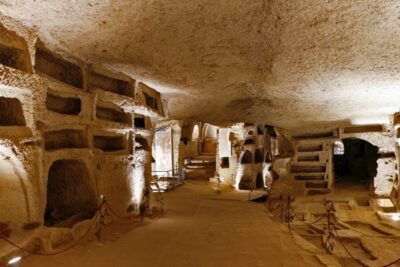 ★ 4.6Catacombs of San Gennaro Entry Ticket & Guided TourFrom $157,941 reviews
★ 5.0Pompeii Small Group Tour with an ArchaeologistFrom $356,593 reviews
★ 4.6Catacombs of San Gennaro Entry Ticket & Guided TourFrom $157,941 reviews
★ 5.0Pompeii Small Group Tour with an ArchaeologistFrom $356,593 reviews