
Tour review · TOUR REVIEWS
Pompeii: Tour for Children
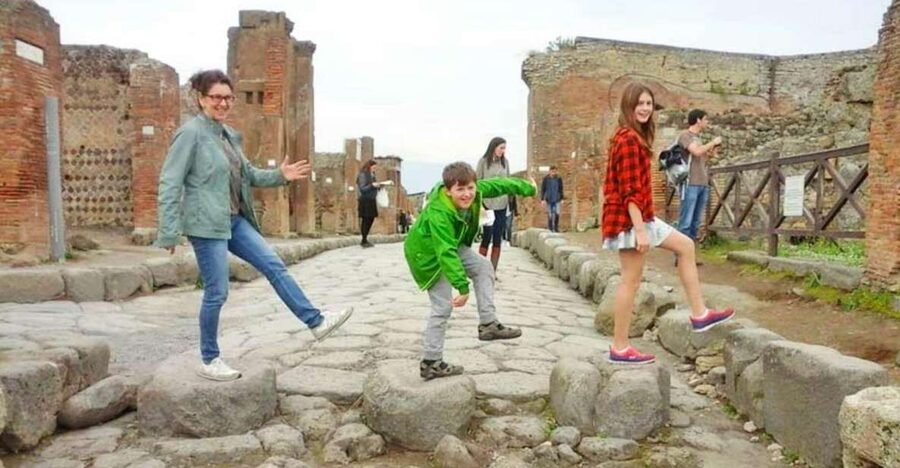
Pompeii can be a tough sell for kids. That is why I like this Pompeii tour for children, it brings you in with skip-the-line access and commentary aimed at younger imaginations.
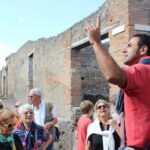
I also like the private group setup, because you are not stuck with a one-size-fits-all pace. Guides such as Daniela and Rosella often keep the tour moving with questions and interactive moments, while still showing key spots like the Roman baths and the forum.
One possible drawback: it is still a real walking tour through mostly open ruins. If you have heat-sensitive kids, plan for comfortable shoes, water breaks, and the fact that the 2 to 3 hour route can feel long on hot days.
Key highlights that make this Pompeii kids tour work
- Skip-the-line EXPRESS option helps families spend less time waiting and more time seeing Pompeii
- Private group up to 8 keeps the tour flexible for mixed ages, from young kids to teens
- Forum-first storytelling makes Roman daily life the main event, not just big stone monuments
- Kid-friendly trivia and participation keeps attention on task with simple games and questions
- Multiple departure times (09:00, 12:00, 14:00) let you match Pompeii to your family schedule
Why Pompeii feels easier when the tour is built for kids
Pompeii is one of those places where the ruins are impressive right away. But for many kids, history can feel like a wall of names and dates with no hook.
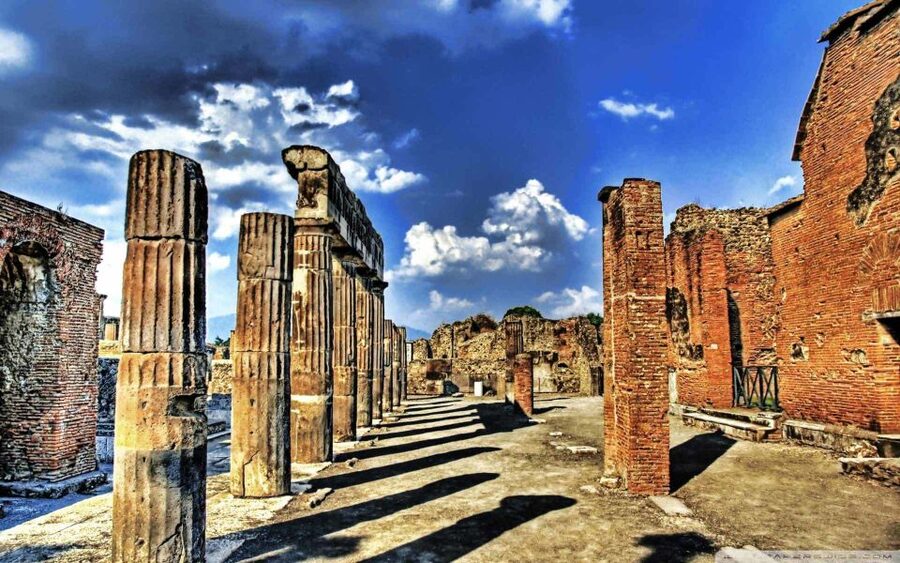
This tour is designed around that reality. Instead of turning Pompeii into a long lecture, you walk through the ancient city while your guide explains everyday Roman life in a way that kids can grab onto. You still get the big context, like the eruption that buried the city in 79 A.D., but you do it in short, story-driven pieces that make the site easier to follow.
And you do not waste time getting started. With skip-the-line access available (depending on the option you choose), you reduce one of the biggest kid problems on this kind of day trip: impatience before the fun even begins.
You can also read our reviews of more tours and experiences in Pompeii Archaeological Site.


Getting there: meeting at Pompeii’s entrance and starting on time
The plan is simple: you make your own way to the meeting point at Pompeii’s archaeological site entrance. The tour runs at set times, typically 09:00, 12:00, or 14:00, depending on your booking option.
Because the meeting point can vary by option, you will want to double-check the exact location for your departure time before you go. Also, build in a little buffer, because kids do not always follow the adult idea of what timely means, especially right before you head into a high-traffic site.
One small practical note: this is a walking experience. The tour is listed as 2 to 3 hours, so you are doing a concentrated visit, not a slow wander. That matters for families because it shapes what the guide can cover without rushing.
The walking route: from Pompeii’s ancient layers to 79 A.D.
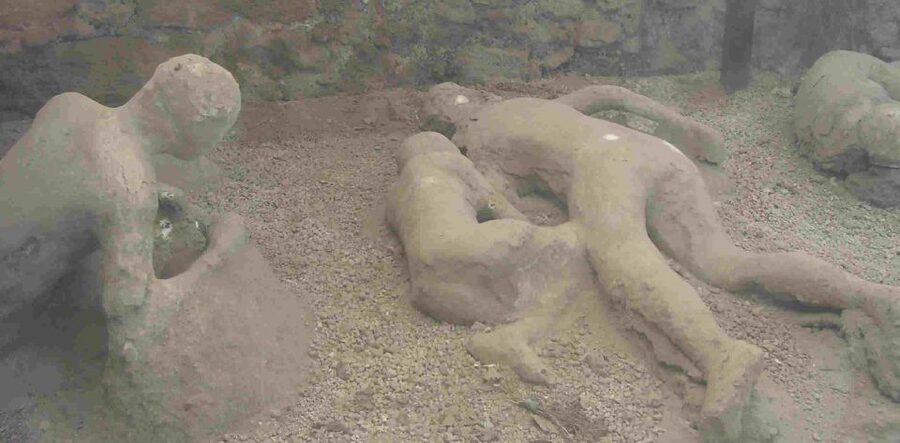
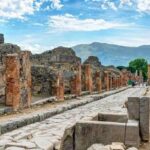
After you meet your guide, you start moving through Pompeii as a living city. You are not just looking at ruins, you are learning how the place worked, what people did, and what changed when Mount Vesuvius erupted.
You can expect your guide to connect a long timeline, including that the city dates back as early as the 7th century B.C. That is a huge time span, so the guide’s job is to keep it from becoming overwhelming. For kids, the tour tends to focus on the parts that feel like daily life, while still grounding everything in the bigger disaster story.
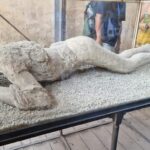
Then the 79 A.D. eruption becomes the turning point that explains the preservation. The ruins are remarkably preserved for a reason, and your guide will help you understand what it means to see a city frozen in time.
If your family likes cause-and-effect, this is a strong angle. It turns Pompeii from a vague past event into a clear story with a beginning (the city), a middle (the routines), and the sudden end (the eruption).
Pompeii forum moments: where Roman life becomes real
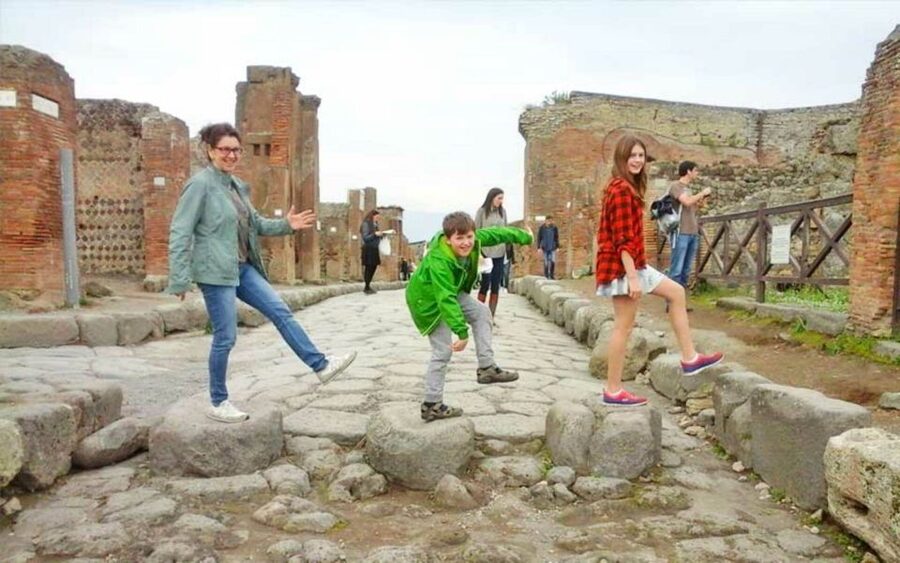
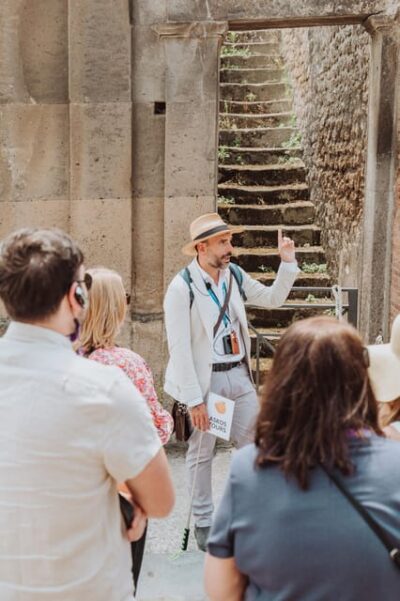
The forum is often the best place to start when you are touring with kids, and this tour leans on that idea. Your guide will tell stories of Roman life as you wander the forum, so the space feels purposeful instead of just impressive.
In plain terms, this is where you can learn how a city functioned. You are seeing the places tied to social life, movement, and public routines. For children, this kind of place is easier because you can picture it, even without knowing Latin or Roman politics.
Your guide also points out specific stops that help the forum feel tangible, not abstract. Among the highlights you may see are the Roman baths and the Termopolium Capuano, which is a type of Roman eatery.
The baths, in particular, can be a great family learning moment. Kids tend to understand the concept of shared public spaces fast, and it helps them connect the ruins to human habits, not just stone.
Roman baths, Termopolium Capuano, and the small places kids remember
Pompeii has big names and big buildings, but kids often remember the smaller, everyday details. That is where this tour can shine.
The Roman baths give you a chance to talk about routines and community. Even if you have never studied Roman hygiene, the idea of daily bathing and socializing makes sense fast, and your guide will use that familiarity to keep everyone engaged.
Then there is the Termopolium Capuano. A termopolium is essentially a quick-service food spot in Roman life, and it is the kind of detail that makes Pompeii feel less like a museum and more like a place with snacks, rumors, and errands.
If you have ever tried to keep a young child interested during a historic visit, you know what happens when the tour becomes too abstract. Stops like these give your guide hooks that work for different ages at the same time, including adults who want more than a photo stop checklist.



House of the Tragic Poet: domestic Pompeii without the overwhelm
One of the main household stops listed is the House of the Tragic Poet. This is the kind of place that can be a hit with kids, because it invites questions like: Who lived here? What did they eat? What did rooms feel like?
Your guide will help you read the space as a home, not just walls and floors. That is important, because households are where Pompeii becomes personal. Adults often find the domestic side more meaningful, and kids can enjoy it when the guide keeps it story-based and interactive.
That said, a household stop can also test attention. Rooms and details can sprawl, and kids may get antsy if they feel they are being dragged from one surface to another. The private group format helps here, because the guide can adjust pacing to your family.
If you want the best chance of everyone staying happy, keep an eye on your kids’ energy level in the open areas first, then be ready for the house visit as the part that needs a bit more focus.
Guides who keep the kids engaged, and the adults learning too
What makes this experience work in real life is the mix of storytelling plus smart pacing. Multiple family groups described guides who connected quickly with young children, kept a steady flow, and recognized when a group needed a reset.
I love that the tour is offered in multiple languages, including English, Italian, French, Spanish, and German. That gives your guide the ability to shape stories in a way that lands naturally, and not like a translated lecture.
A few of the guide names you may encounter include Daniela, Rosella, Anita, Giada, Emanuela, and Alessandra. The common thread in how they are described is practical engagement: using questions, giving Roman-style names to help kids role-play, and keeping the tour interactive rather than purely observational.
One detail that stands out for families with younger kids is the idea of visual help. Some guides use before-and-after style iPad pictures to show what you are seeing compared to what it would have looked like in the past. Even if you do not need it, it can reduce the cognitive load for kids who struggle with imagining ruined spaces.
If you have kids who get tired fast, this tour also appears designed to notice it. One family mentioned that the guide recognized their youngest were done after about an hour and a half. That is exactly what you want from a guide in Pompeii, where the site can feel relentless.
What to bring, and what can ruin your day at Pompeii
This is not a sit-down tour. You will be on your feet, so your list is short and practical.
Bring:
- Passport or ID card, especially since documents for kids to prove age at the ticket office are mentioned
- Comfortable shoes, because Pompeii surfaces are not always forgiving
Not allowed:
- Luggage or large bags
- Unaccompanied minors, since kids must be accompanied by parents at all times
Also, plan for heat and stamina. The tour runs 2 to 3 hours, and you are walking through outdoor ruins. Even when the guide does a great job, kids can still melt emotionally when the temperature climbs.
If you are visiting in peak summer or with very young children, I would plan the day so you are not trying to stack a second long activity right after. Let Pompeii be the main event.
Duration and pace: why 2 to 3 hours is the sweet spot
This tour is listed as 2 to 3 hours, and that duration is a big part of the family value. It gives enough time to see meaningful stops like the forum area and key sites such as the House of the Tragic Poet, while still keeping the day from turning into a long endurance contest.
A well-run kids tour is not just shorter. It is also structured to reduce boredom. You get commentary tailored to engage younger participants, and it is paced for a private group rather than a mass gathering.
If your kids are 5 to 9, this timing often fits better than standard adult tours that drag on far longer. If you have a teen, they can still enjoy the story angle and the interactive format, as long as the guide keeps them included rather than talking only to the youngest.
Price and value: what you are really paying for
The price is listed as $294.54 per group for up to 8 people. That number makes people ask a simple question: is it worth it?
Here is how I would think about value for this specific tour:
- You are buying a private guided experience, not just an entrance ticket
- You are paying for kid-focused commentary, which is the whole point of the tour
- You have the option to add a skip-the-line EXPRESS ticket, which can matter a lot with children
If your family is four or five people, private access often feels more reasonable than it sounds, because you are splitting the cost across people and not paying per person the way some attractions do.
The bigger win is time and attention. When you avoid long queues, your kids start the experience calmer. And when the guide keeps them involved, you get more learning out of the limited time you have on-site.
If you are traveling with a smaller group and want a standard adult-style visit instead, you might find cheaper options. But if your goal is a smoother, more engaging Pompeii visit for kids, this format is where the money tends to turn into real peace of mind.
After the tour: where you go next
At the end of the tour, your guide ends back at the meeting point. The guide is also happy to recommend nearby restaurants or assist with getting back to your hotel.
Transportation to and from the site is not included, so you will want a clear plan for how you will get there in the first place and how you will handle the return. For families, this is one of the best times to ask your guide for practical options, since they can often match recommendations to your group’s pace and hunger level.
If you have little kids, plan for food soon after. Pompeii works up an appetite, and kids tend to do best when you reward them with something simple and reliable.
Should you book Pompeii: Tour for Children?
I think you should book this tour if your family wants Pompeii to feel human and fun, not like a test of adult patience. The combo of private group, kid-tuned storytelling, and the chance for skip-the-line access makes it especially smart for families with young children who need movement and attention triggers.
I would skip it only if your group is totally comfortable doing a longer self-guided walk in the heat. If your kids are the type to wander off or tune out when the story is too abstract, this kind of guide-led structure is exactly what helps Pompeii land.
If you choose the time that best fits your energy level, wear good shoes, and show up ready to walk, this is a family-friendly way to see Pompeii that you will feel for days after.
FAQ
What time do Pompeii: Tour for Children departures run?
Tours meet at the entrance with starting times at 09:00, 12:00, or 14:00, depending on the tour option you choose.
How long is the Pompeii kids tour?
The tour lasts about 2 to 3 hours. The exact duration can vary, so check available starting times when you book.
Is skip-the-line access included?
Skip-the-line EXPRESS ticket access is included only if you select it as an extra option. The details depend on the choice you make at booking.
What language options are available for the guide?
The live tour guide is available in English, Italian, French, Spanish, and German.
Do you need ID for children?
Yes. You should bring passport or ID card, and documents for your kids to prove their age are mentioned for the ticket office.
Are kids allowed to attend without parents?
No. Children must be accompanied by their parents at all times, and unaccompanied minors are not allowed.
More Tours in Pompeii Archaeological Site
More Tour Reviews in Pompeii Archaeological Site
Not for you? Here's more nearby things to do in Pompeii Archaeological Site we have reviewed




Tour Reviews, compared.
 ★ 4.8Pompeii: Entry Ticket and Guided Tour with an ArchaeologistFrom $3519,459 reviews
 ★ 4.2Pompeii: Entry Ticket with Optional Audio GuideFrom $2612,360 reviews
 ★ 4.8Pompeii: Small Group Tour with an ArchaeologistFrom $4012,264 reviews
 ★ 4.3Pompeii Ruins & Mount Vesuvius Day TourFrom $12011,459 reviews
 ★ 4.6Sorrento, Positano and Amalfi Full-Day TourFrom $10710,988 reviews
 ★ 5.0Sorrento, Positano & Amalfi Coast – Small Group TourFrom $768,643 reviews
 ★ 4.6Catacombs of San Gennaro Entry Ticket & Guided TourFrom $157,941 reviews
★ 5.0Pompeii Small Group Tour with an ArchaeologistFrom $356,593 reviews
★ 4.6Catacombs of San Gennaro Entry Ticket & Guided TourFrom $157,941 reviews
★ 5.0Pompeii Small Group Tour with an ArchaeologistFrom $356,593 reviews