
Tour review · TOUR REVIEWS
From Herculaneum to Pompeii: Audioguides + Entrance Tickets
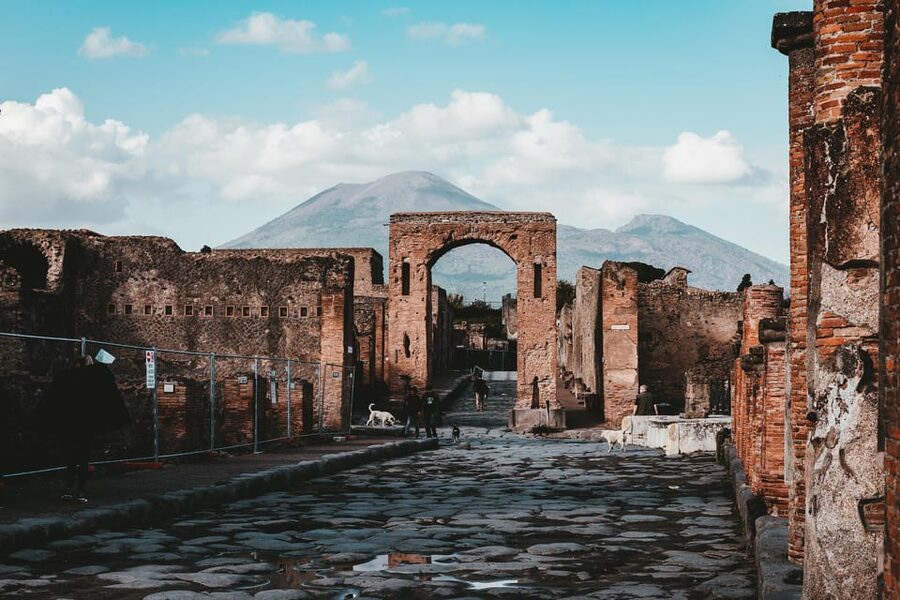
Two ancient cities, one ticket, one audio brain. You’ll see Herculaneum and Pompeii in a single 7-hour window, guided only by an included audio device, so you can move at your own pace. What makes it interesting is the mix of two different “fits” of Roman daily life, baked by the same eruption story but preserved in different ways.
I especially like that you get entrance tickets plus an audioguide device for both parks, along with a map. You’re not paying for a bus-and-stare experience. One consideration: it is self-guided, so you’ll rely on signage and timing yourself, and the audioguide pickup point at Pompeii can be harder to spot than the first one.
Key Things I’d Watch Before You Go
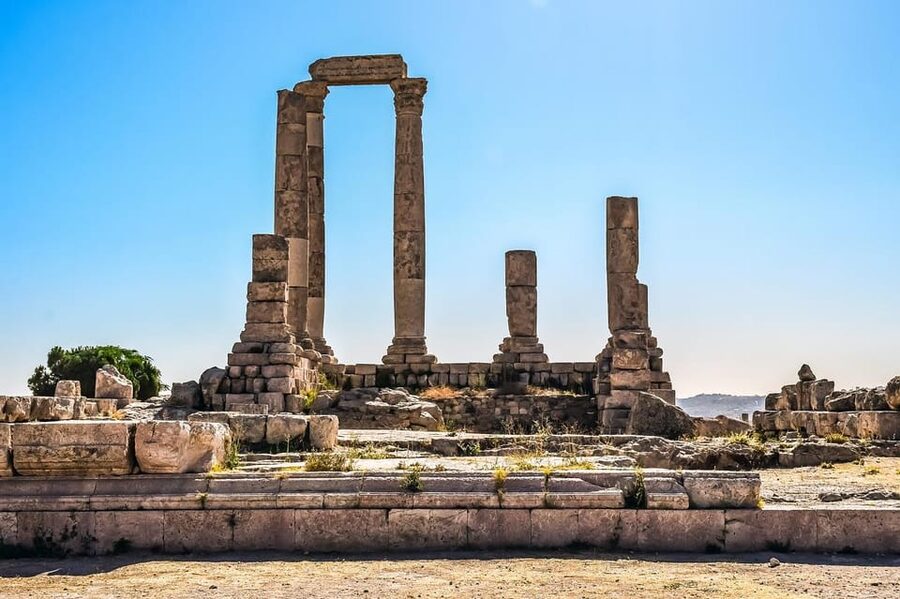
- Two sites, one day: Herculaneum first, then Pompeii, so you compare two preservation styles back-to-back.
- Skip-the-line access: you use a separate entrance rather than fighting the main queues.
- Audio plus map: the commentary is structured enough to keep you oriented without a live guide.
- Earphones not included: bring your own, or you’ll be stuck with whatever setup you can improvise.
- Villa dei Misteri is excluded: you won’t reach that specific area with this ticket.
- Pompeii desk may take a moment: plan a little buffer time to find the second audioguide pickup.
Entering Herculaneum And Pompeii On Your Own Time
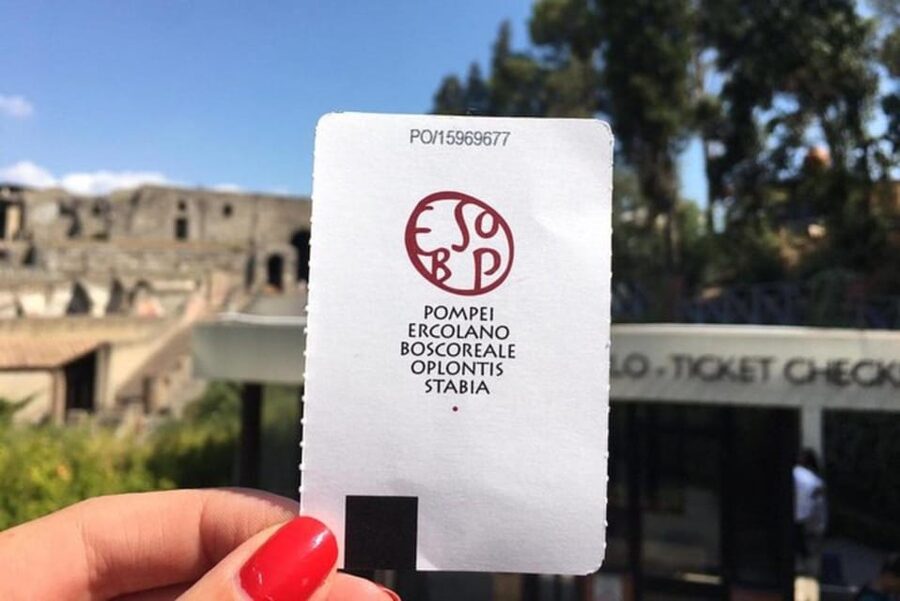
This is a self-visit format with audio guidance and tickets included. That matters because both sites are big and walking-heavy, and you probably don’t want to be herded. You start with Herculaneum, explore independently, then shift to Pompeii for round two.
The “best use” of this setup is simple. You can linger where the audio makes something click, then speed up through stretches that feel repetitive. It’s also great if you’re traveling with people who don’t all love the same pace, because you’re not trapped in a group schedule.
There is a catch, and it’s not minor. The experience depends on you finding the right Audioguide Desk points at both sites. Herculaneum is the easy first step. Pompeii is the step where you might lose a few minutes if the signage feels less obvious once you’re inside.
More Naples tours, ruins, coast days, and city experiences to compare


Herculaneum First, Where The Ruins Feel More Readable
Starting at Herculaneum is a smart move. Compared with Pompeii’s sprawl, Herculaneum tends to feel more “human scale,” even if you still have to walk. With the audio device, you’re not just wandering blind. The commentary helps you connect what you’re seeing to how the place worked.
You’ll start at the part of Herculaneum that the ticket experience refers to as the first discovered area. In practical terms, that’s useful because your brain learns the layout while the site is still manageable. Early on, you get your orientation and then you can follow the audio highlights rather than trying to guess what matters.
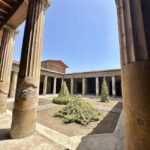
The audio is also doing something important for a self-guided day: it tries to introduce architecture and everyday features. If you’re comfortable with terms like atrium or other basic household vocabulary, you’ll likely enjoy the detail. If not, you’ll still get the story, but you may want to be patient with technical language.
Pompeii Next, A Bigger Place That Needs Good Direction
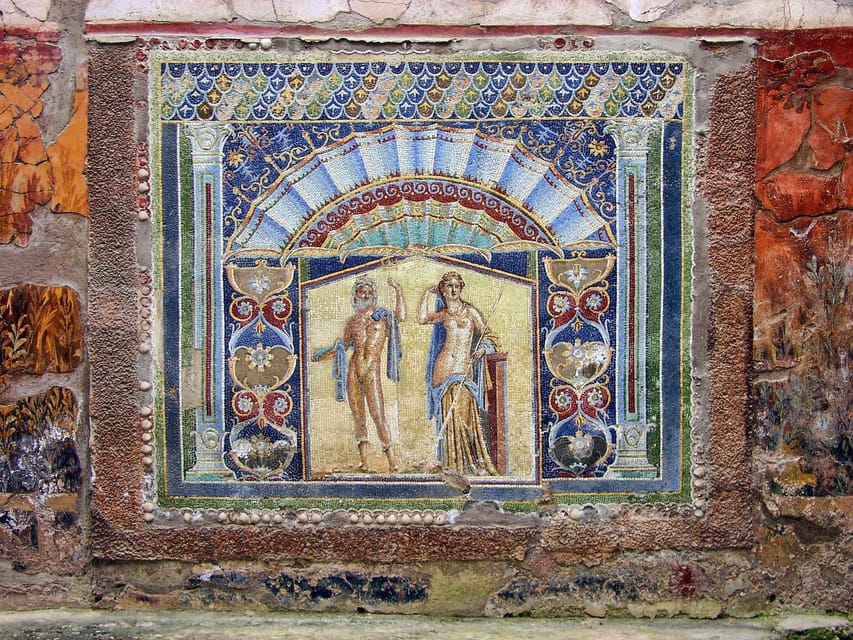
Then you head to Pompeii. This is where the “self-guided” part shows its power, but also its weak spot. Pompeii is huge, and once you’re inside, you’ll want momentum, not confusion.
Your audio guide continues at Pompeii, but you’ll need to locate the audioguide pickup for the second set of commentary. One issue to plan for: the pickup process at Pompeii can feel less clearly marked than at the first site. If you arrive with a tight schedule, you might end up spending time figuring it out instead of listening and walking.
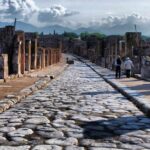
Once you have the device, the audio helps you keep track of highlights across a wide site. You can pace yourself through plazas, street layouts, and residential areas without needing a live guide. That flexibility is a big reason this experience works for many people.
One more thing to know. Some audio explanations refer to landmarks or barriers that may not match what you see in the moment. Conservation work changes the physical scene over time, so if something feels slightly different from what the audio suggests, that’s not you doing it wrong. It’s the site being cared for.
How The Audio Guides Actually Help (And Where They Can Frustrate)
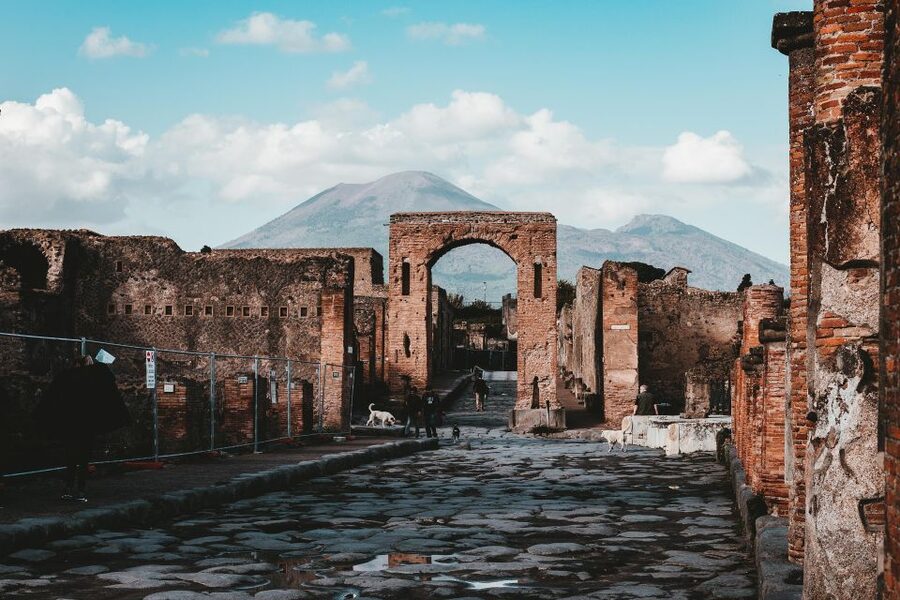
The audio experience is the heart of this trip. It’s provided on a device you pick up on-site, and it’s available in multiple languages: English, Italian, French, Spanish, and German.
When the audio is working well, it turns ruins into a story you can follow. Instead of looking at stones, you start seeing rhythms of daily life. That’s especially helpful in places like Roman neighborhoods, where the same basic elements repeat across blocks and you need prompts to understand what you’re looking at.
The potential frustration is mostly language and context. The commentary can include technical terms for household and building features without always simplifying them. For example, you might hear about an atrium without a quick plain-English explanation. If you’re a casual Roman-history fan, that might slow you down. If you love architecture terms, you’ll likely be delighted by the detail.
Also, audio does not know your exact footing or the exact restoration barriers you encounter. So if a landmark on the audio doesn’t line up with what you see, use your eyes first. The audio is still useful as a guide, but it’s not a perfect GPS.
Tickets, Maps, and Skip-The-Line Value
You’re paying a combined price that includes entrance tickets, plus an audioguide device and a map. That’s the value equation here: one payment that covers both parks without you having to separately manage ticket lines and ticket logistics.
The other strong point is the “skip the line” angle. You use a separate entrance, which matters because both sites can have bottlenecks at peak times. Even if you’re not rushing, fewer lines means more listening time. More listening time means you get more payoff from the audio.
The map is also practical. On a day like this, it helps you avoid the classic problem of self-guided visits: wandering until you accidentally cover the wrong distance. You might still deviate from the route, but at least you’ll have a tool to get back on track.



Getting From Herculaneum To Pompeii Without Overthinking It
The experience is structured as Herculaneum then Pompeii. The good news is that the corridor between them is well connected by rail. The information you’re given points to the Circumvesuviana line in the direction of Sorrento as an easy route to use for moving from Herculaneum to Pompeii.
Because the tour data doesn’t spell out transportation as a clearly included service, treat transit as “you handle it.” That’s not a problem, but it does change how you should plan your pacing. Your 7-hour total means you should avoid late starts, long bathroom breaks, or extended snack lines.
A smart habit for this kind of day: once you finish Herculaneum, decide your “minimum time buffer” for the train and for getting the second audioguide device in Pompeii. You want to arrive ready to explore, not already behind.
What To Pack and How To Pace a 7-Hour Day
This trip lasts about 7 hours. That’s enough time to enjoy both parks, but not enough time to treat it like a relaxed museum visit with short spurts of walking. You’ll be moving from stop to stop, and you’ll benefit from wearing comfortable shoes.
Bring your ID or passport. Also plan for ear comfort. Earphones are not included, so add this to your packing list early. If you forget, you’ll lose one of the main advantages of the whole day.
If you’re someone who likes to stop often for photos, you can still do it. But do it with intention. In ruins, where you’re looking at details and walking between viewpoints, photos can balloon into time. Instead, pick your “must capture” moments, then let the audio guide handle the rest.
Who This Is Best For
This experience tends to fit best if you want independence with structure. You’ll probably enjoy it if:
- You like self-paced travel more than a scheduled group tour.
- You want entrance tickets and audio bundled into one straightforward plan.
- You like the idea of comparing Herculaneum vs Pompeii on the same day.
- You can handle technical audio language without needing every term translated on the spot.
You may be less thrilled if:
- You want a fully guided explanation with live Q and A.
- You hate hunting for signage once you’re in a huge site.
- You were specifically hoping to see Villa dei Misteri. That area is not included.
Price and Value: Is $66.84 Worth It?
At $66.84 per person, the biggest value point is that this isn’t just an audio device. You’re also getting entrance tickets to both archaeological parks plus the audioguide set and map.
So the question becomes: do you value the ability to cover two major sites on one day, without paying separate ticket lines and without needing a live guide? For many travelers, the answer is yes, because the alternative usually means more coordination, more separate payments, and more time spent queuing.
The potential downside is that you’re not buying expert handling at every step. You’re buying tools and access. If you need a strong guide voice to keep you oriented and explain technical terms instantly, you might feel this is more work than expected. But if you’re comfortable using audio and maps, the cost feels pretty reasonable for two big UNESCO-scale stops.
One Practical Reality Check Before You Book
This is a good “two-ruins in one day” option, but it’s best with the right expectations. The audio is engaging enough to make you pay attention. The skip-the-line setup helps you gain time. And the combination of Herculaneum plus Pompeii gives you a powerful compare-and-contrast day.
At the same time, plan for the self-guided friction points. You might need time to locate the second audioguide desk in Pompeii. Audio explanations can use technical terms without full plain-English definitions. And conservation can shift what you see compared with what an audio track describes.
Should You Book This Herculaneum And Pompeii Audio Day?
If you want a structured self-guided day with tickets included and you’re okay steering yourself through a large archaeological park, I’d say yes. This is one of those bookings that pays off most when you arrive ready to walk, listen, and adjust as you go.
If you prefer a fully guided experience with constant orientation help, you may be happier with a guided tour instead. And if seeing the Villa dei Misteri area is a top priority, double-check alternatives, because this ticket experience does not include that area.
Bottom line: book it if you’re excited to explore both parks with audio and you don’t mind being your own navigator.
More Tickets in Pompei Campania

More Tour Reviews in Pompei Campania
Not for you? Here's more nearby things to do in Pompei Campania we have reviewed







Tour Reviews, compared.
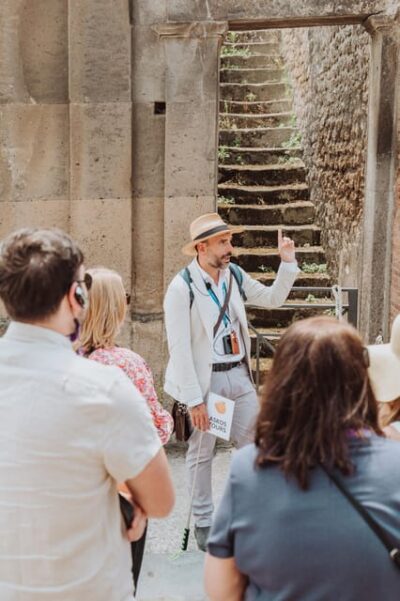 ★ 4.8Pompeii: Entry Ticket and Guided Tour with an ArchaeologistFrom $3519,459 reviews
 ★ 4.2Pompeii: Entry Ticket with Optional Audio GuideFrom $2612,360 reviews
 ★ 4.8Pompeii: Small Group Tour with an ArchaeologistFrom $4012,264 reviews
 ★ 4.3Pompeii Ruins & Mount Vesuvius Day TourFrom $12011,459 reviews
 ★ 4.6Sorrento, Positano and Amalfi Full-Day TourFrom $10710,988 reviews
 ★ 5.0Sorrento, Positano & Amalfi Coast – Small Group TourFrom $768,643 reviews
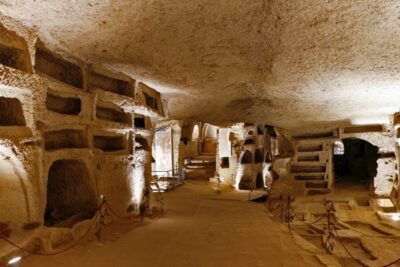 ★ 4.6Catacombs of San Gennaro Entry Ticket & Guided TourFrom $157,941 reviews
★ 5.0Pompeii Small Group Tour with an ArchaeologistFrom $356,593 reviews
★ 4.6Catacombs of San Gennaro Entry Ticket & Guided TourFrom $157,941 reviews
★ 5.0Pompeii Small Group Tour with an ArchaeologistFrom $356,593 reviews
Browse the lists this tour appears in