
Tour review · TOUR REVIEWS
Pompeii and Oplontis: Small Group Tour with an Archaeologist
Pompeii gets better with an archaeologist. This small-group tour strings together two UNESCO sites in one focused route, with skip-the-line access and an expert-led walk. You start at Pompeii’s Porta Marina Superiore and end with Oplontis, so you get Roman public life and elite villa luxury without wasting half a day on logistics.
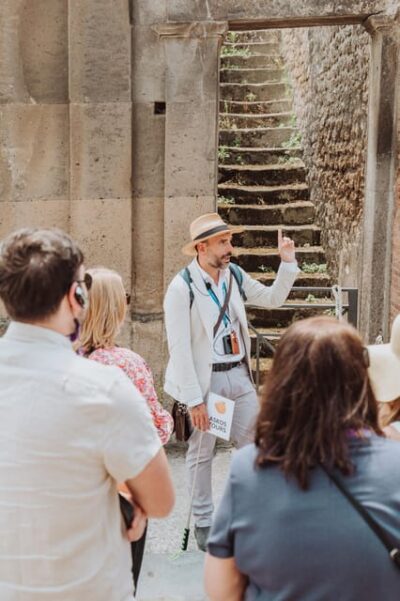
I especially like two things: the tour is archaeologist-led, which helps you connect what you see to what it meant, and the headsets make it easier to follow the guide even when you’re stopped in busy areas. You’ll also appreciate the small-group pace, since it leaves room for questions rather than turning the site into a sprint.
One consideration: the tour is not suitable for people with mobility impairments or wheelchair users. Pompeii and Oplontis involve uneven outdoor walking, so if accessibility is a concern, you’ll want to look for a different format.
Key highlights you’ll feel right away
- Two UNESCO sites in 4.5 hours: Pompeii first, then Oplontis, with time built in to keep the day moving
- Porta Marina Superiore start: you enter through Pompeii’s main entrance opposite Hortus, then hit the western highlights
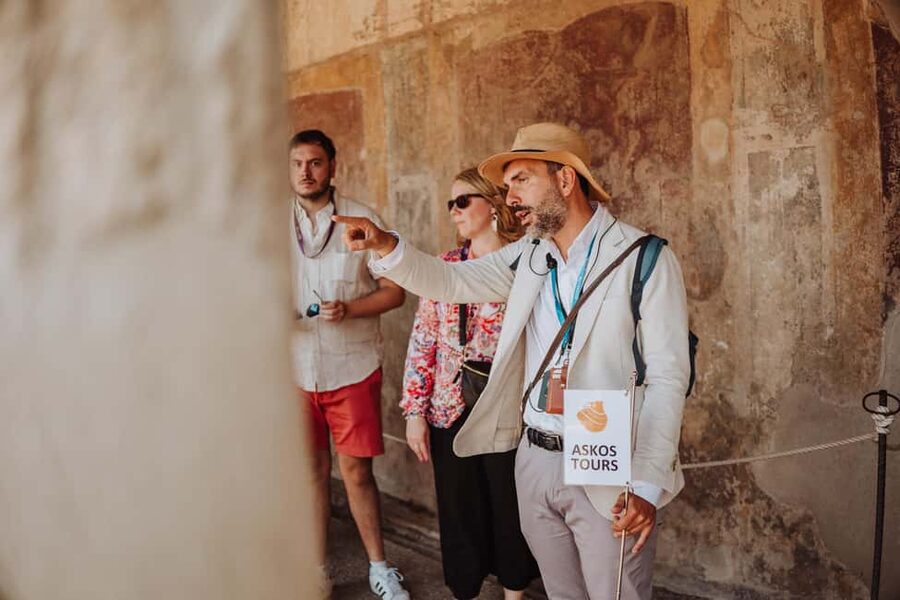
- Archaeologist-led guidance: the route is explained with context so the ruins make sense fast
- Skip-the-line for both sites: Pompeii express access plus Oplontis tickets handled for you
- Train transfer included: a one-way Circumvesuviana ticket from Pompeii to Torre Annunziata
- Villa of Poppea focus at Oplontis: opulence, frescoes, and architecture explained on-site
Pompeii and Oplontis in one outing: why this pairing works
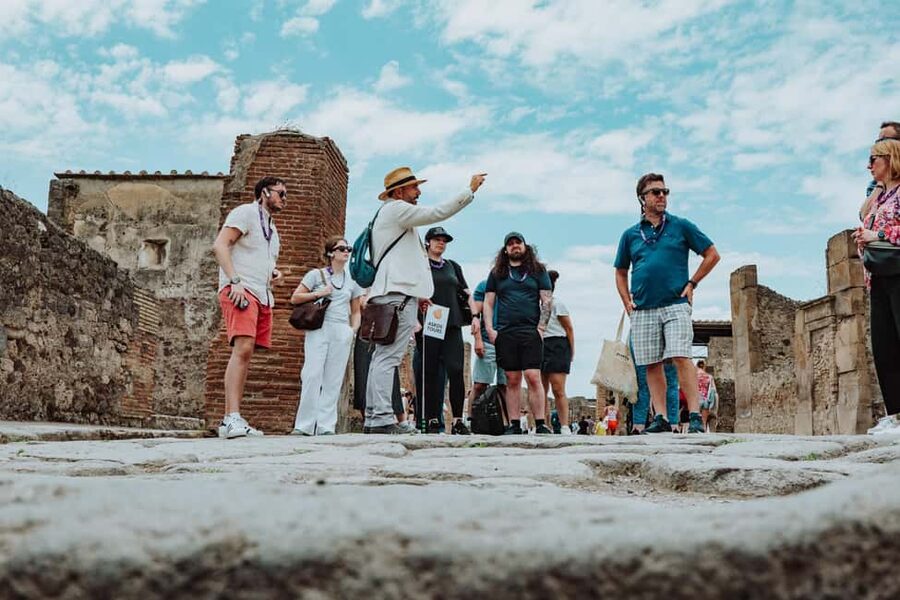
Pompeii and Oplontis are often treated like two separate days. This tour makes them connect, which is the smart part. Pompeii shows you how the city functioned day to day, while Oplontis shows you what wealth looked like across the Bay of Naples.
The timing is also practical. You get about 2 hours in Pompeii, focused on the western area, then 1.5 hours at Oplontis. That structure matters because it keeps you from spending your best energy waiting in lines or wandering without a plan.
Another detail I like is how the guide-led approach changes the feel of the ruins. Instead of reading labels, you’re listening to an archaeologist explain what the spaces were for, how the buildings were used, and why certain rooms matter. That’s the difference between seeing lots of walls and actually understanding the place.
You can also read our reviews of more tours and experiences in Pompei Campania.


Meeting point, headsets, and small-group rhythm
You meet at Via Villa dei Misteri, 2. From there, the tour lines you up at Pompeii’s main entrance, Porta Marina Superiore, opposite the restaurant Hortus, and the guide will hold an ASKOS TOURS sign so you can spot them quickly.
Headsets are included, which is a small item with a big payoff. Pompeii can feel loud and crowded, and having the audio means you’re less likely to end up half-hearing the explanation while you’re trying to read stone inscriptions or fresco remnants.
The tour is designed for a small group. That matters because you’ll get a better pace through the stops, and you’re more likely to have questions answered on the spot. In at least one recent booking, the guide’s pace was described as good and the guide was attentive to questions, which fits the “small group plus archaeologist” idea.
Practical note: the guide runs in Italian. If you’re not comfortable with Italian, this may be frustrating even with headsets. You’ll want to be honest with your language comfort level before booking.
Pompeii start at Porta Marina Superiore: how the route sets the tone
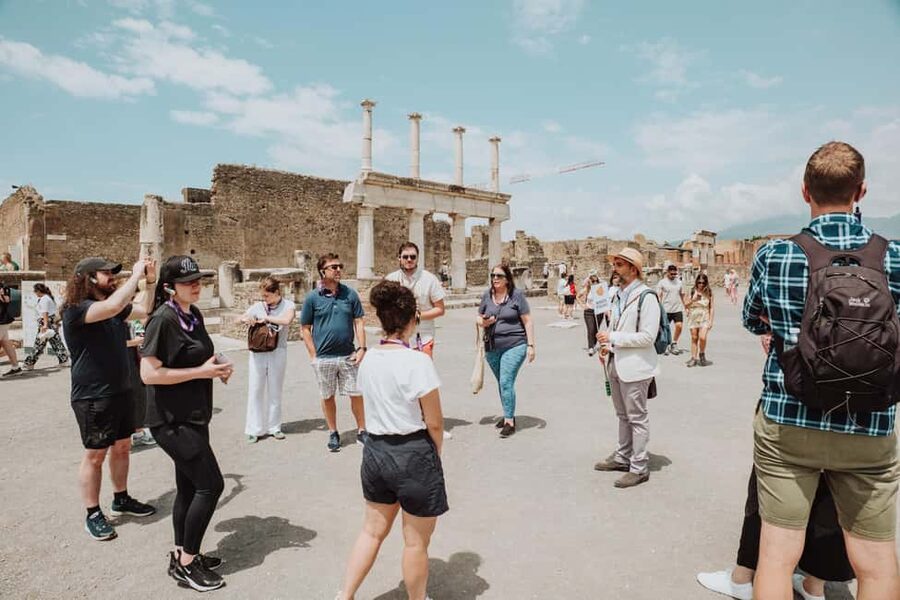
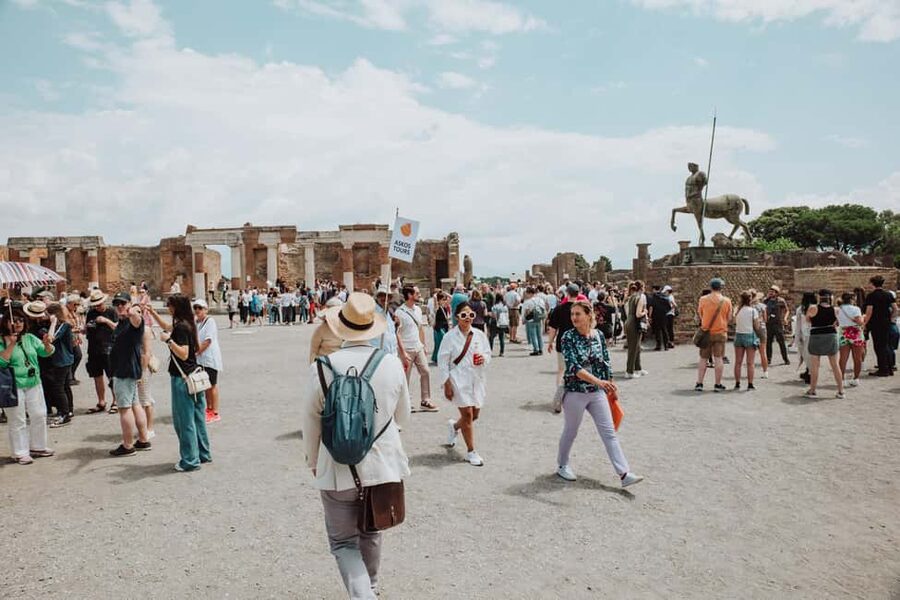
The tour begins where many people wish they were starting: at the main entrance, Porta Marina Superiore. From there, you’re walking into a curated set of Pompeii highlights in the western area for about 2 hours.
I like this approach because the route hits major anchors early. Pompeii can feel like a maze if you do it alone. By centering the walk around big civic and architectural points, the city starts to organize itself in your mind.
At Pompeii, you’ll be guided through a sequence of standout spaces. Expect a strong emphasis on public life, art on walls, and the way buildings were arranged for both function and spectacle.
Also, the tour includes time for a break and then a short transfer later in the afternoon. That keeps the day from turning into pure exhaustion, which matters when you’re trying to take in two major sites.
Forum energy: where Pompeian public life takes shape
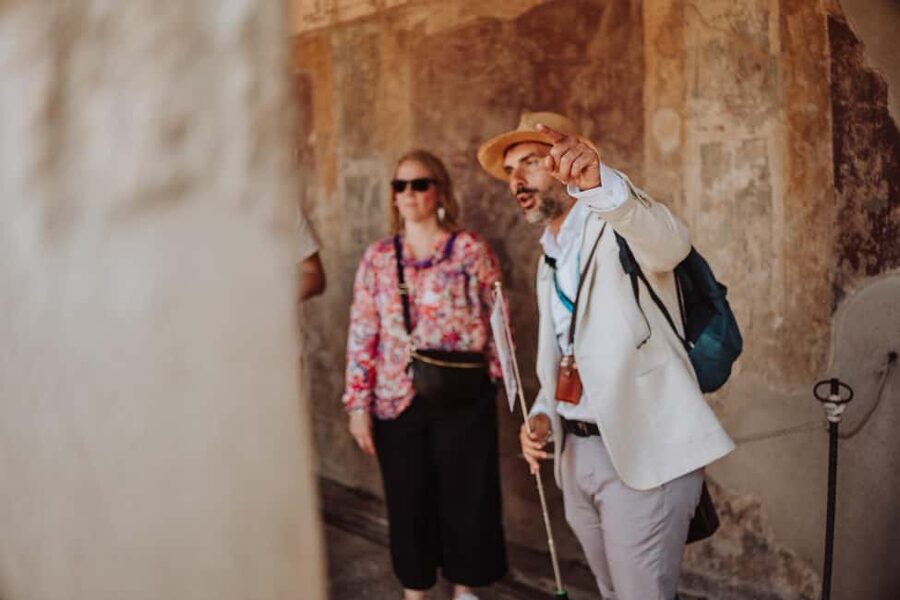
One of the most valuable parts of Pompeii is how much it explains about Roman society. The tour brings you to the Forum, often the first stop in understanding the city’s “public face.”
In this guided format, the Forum is not just a big open space. The guide frames it as the heart of public life, which helps you see the ruins as infrastructure for gatherings, commerce, and civic identity.
You’ll also see key structures linked to everyday rhythms. For example, the tour includes the Forum Baths and Terme Stabiane, which gives you a window into social life. Baths in Roman cities were not only about cleanliness. They were a place to meet, talk, and spend time.
If you’ve ever felt overwhelmed by Pompeii’s sheer size, this is a good way to reset. Instead of trying to “cover everything,” you focus on the spaces that tell you how people actually lived together.
Temple of Apollo and the big civic landmarks
After the Forum area, you move through more dramatic landmarks that help you understand religious and civic design.
The tour includes the Temple of Apollo. A temple visit is more than admiring columns and angles. With an archaeologist guide, you’re set up to think about why certain cult spaces mattered, and how religious architecture framed city life.
You’ll also see the Basilica, which is another important civic building. Basilicas in Roman towns were linked to public business and community functions, so it helps to think of it as a room for action, not just a room for viewing.
Then there are performance spaces. The tour takes you to the Large Theatre, which gives you a sense of how entertainment and civic identity overlapped. The theatre is a reminder that Pompeii was a living place with spectacle, not only a preserved snapshot.

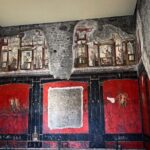
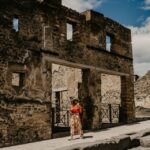

Homes with frescoes: House of Menander and ancient domestic life
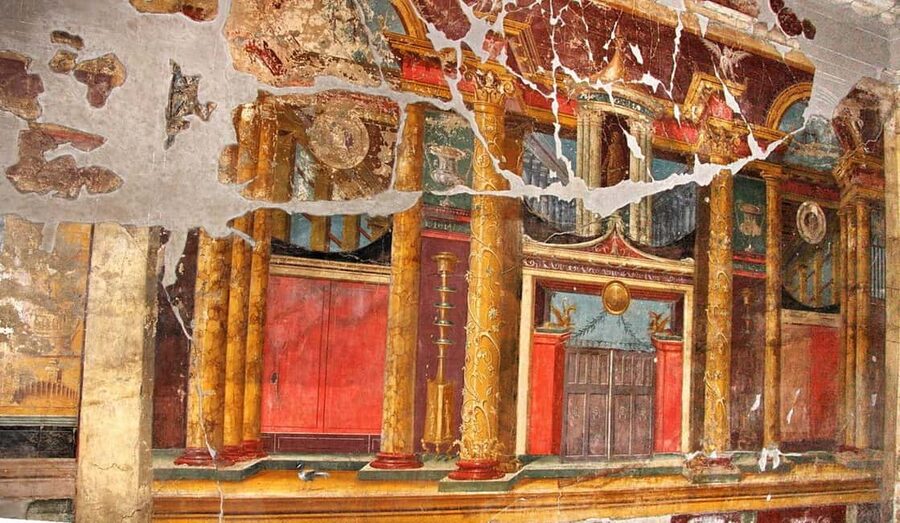
Pompeii is famous for ruins, but it’s the domestic side that often leaves the biggest impression. This tour includes the House of Menander, a stop that helps you connect private wealth to public culture.
In Pompeii, wall decoration survives in ways that rarely do elsewhere. The tour description specifically calls out stunning frescoes in ancient houses. Even when fresco fragments look small from a distance, seeing them in context is the key. The guide’s job here is to connect art with lifestyle and social meaning.
You’ll also see a cluster of spaces that show how houses were laid out for everyday use. This is where the “Pompeii western area highlights” approach pays off. You’re not just looking at one room. You’re seeing part of a living environment.
If you like architecture and daily life, this domestic emphasis is one of the reasons the tour gets a strong rating. A past booking praised the guide in Pompeii for being interesting, with a pace that felt right and good responsiveness to questions, which tends to be exactly what you want at a site with lots of visual clues.
Break, transfer, and the Circumvesuviana ride to Torre Annunziata
After your Pompeii time, you get a 30-minute break. That’s not a throwaway detail. In a 4.5-hour program, that break helps you stay mentally sharp for the second UNESCO site.
Then there’s a short transfer by train. The tour includes a one-way Circumvesuviana ticket from Pompeii to Torre Annunziata, with about 15 minutes allocated for the train segment. This is where pre-planning becomes real value. Getting the transport sorted for you helps you avoid the “end up searching for tickets while the day slips away” feeling.
The tour structure is built to keep you from feeling like you’re constantly reorienting. Pompeii first, then a quick reset, then Oplontis.
Oplontis at last: Villa of Poppea and the luxury of frescoes
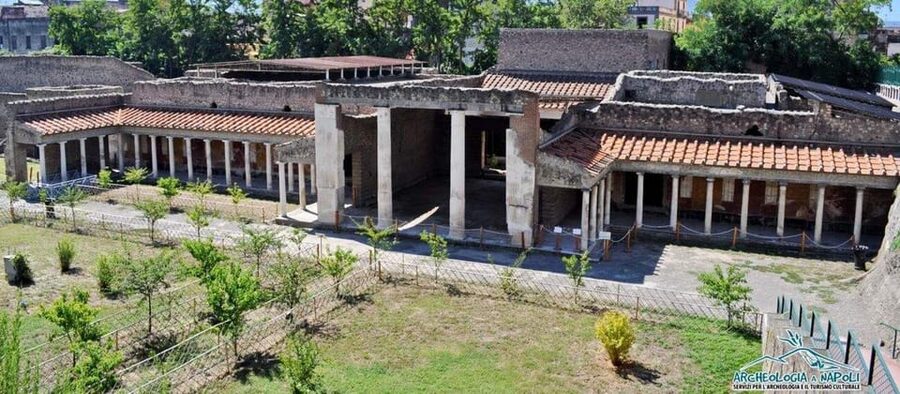
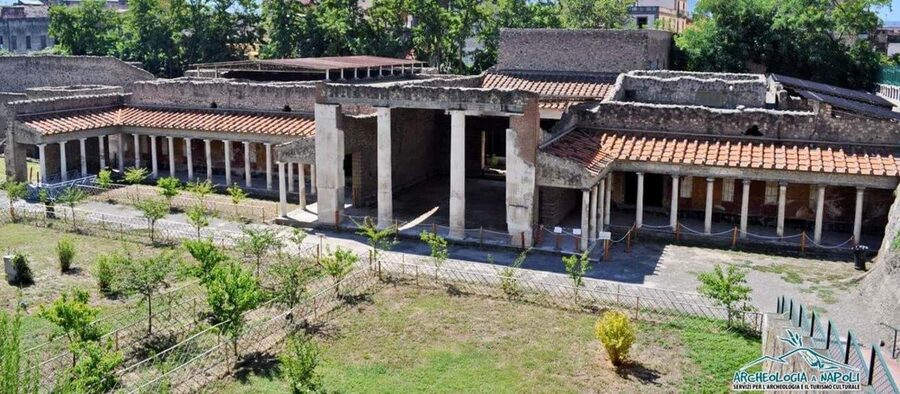
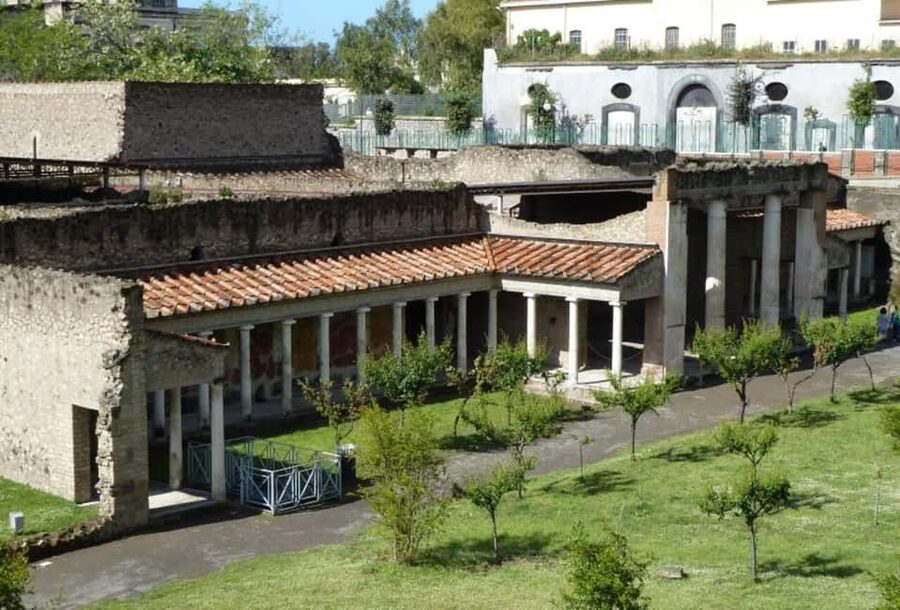
Now for the moment many people plan the whole trip for: Oplontis. You’ll spend about 1.5 hours at the Scavi di Oplontis – Villa Poppea, and the focus is clear.
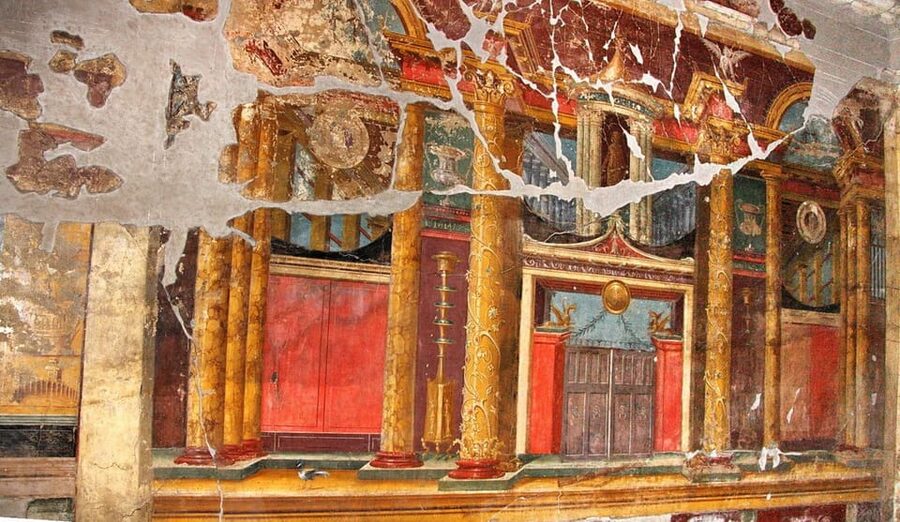
This villa is known for grand architecture and especially for exquisite frescoes. The tour keeps you from treating Oplontis like a smaller, secondary stop. Instead, it frames the villa as a window into elite lifestyle in Roman Campania.
An archaeologist guide matters here because the “wow” factor is not only the visual beauty. It’s what the guide can explain about use of space, how luxury spaces were organized, and how power and taste show up in architecture.
If Pompeii gives you the city’s structure, Oplontis gives you the contrast. You see different scales of living, and the frescoes become more than decoration. They become part of a social statement.
Also, since you’re doing both UNESCO sites in one outing, you can compare the feel of daily life and elite life without needing extra planning days.
Skip-the-line value: less time stuck, more time learning
Skip-the-line access can sound boring. But in places like Pompeii, it turns into a real advantage because your energy is limited.
This tour includes skip-the-line entry for Pompeii express plus Oplontis tickets, so you can spend your time inside the sites with the archaeologist rather than in queues. That improves value because the tour duration is tight: 4.5 hours total. You do not want that time wasted.
And the headsets help you make the most of each stop. When you have audio support, you’re more likely to catch the explanations the guide is giving while you move between structures.
Who this tour fits best, and who should consider other options
This is a strong match for you if you want guided context. If you like learning what spaces were for, not only what they look like, an archaeologist-led format is a big win.
It also fits people who want a serious Pompeii experience without committing to a full day. Two UNESCO sites in one outing is the kind of efficiency that helps you keep the rest of your Naples, Sorrento, or Amalfi plans intact.
However, if you need wheelchair access or you have mobility limitations, this tour is not suitable. That’s clearly flagged. Pompeii and Oplontis are outdoor archaeological environments, and this program isn’t designed for those needs.
Language is another fit factor. The guide is Italian. If you depend on English or you want detailed explanations in English, you may find the experience harder than you expect even with headsets.
Price and value: is $105 worth it?
At $105 per person for a 4.5-hour small-group tour, you’re paying for three things: expert-led interpretation, two UNESCO sites, and ticket logistics plus transport handling.
Here’s how I think about value:
- You’re not just buying entry. You’re buying an archaeologist-led route that connects Pompeii’s public core and domestic highlights to Oplontis’s elite villa environment.
- You’re saving time with skip-the-line access at Pompeii and Oplontis. With a short total duration, that time saving matters.
- Transport is partially handled with a one-way Circumvesuviana ticket to Torre Annunziata, so you’re not spending your day figuring out trains.
The “meals not included” detail is also part of the value math. If you want a full meal, you’ll need to plan it outside the tour. But the tour does include a break, so it’s reasonable to grab something nearby before the Oplontis segment.
One more real-world note from a recent booking: the Oplontis portion was canceled the day before, and the refund was reportedly almost immediate. That kind of disruption is not ideal, but the fact that it gets handled quickly can matter to your peace of mind.
Watch-outs to plan around before you go
The two most important planning points are already in front of you, and you should take them seriously.
First: Italian-only guidance. If you can follow Italian well enough to ask questions and understand the explanations, you’ll get more from the archaeologist-led stops. If not, you might spend a lot of time listening to words you cannot fully process.
Second: accessibility limits. Since the tour is not suitable for wheelchair users or people with mobility impairments, don’t try to “make it work” by adjusting your expectations.
Then there’s a scheduling reality of doing two sites. In one recent booking, Oplontis was canceled ahead of time. That doesn’t mean it will happen to you, but it does remind you to keep your plans flexible and double-check confirmation close to departure.
Should you book Pompeii and Oplontis with an archaeologist?
Yes, if you want the best kind of value: less wandering, more meaning. This tour is built for people who want Pompeii’s big civic spaces and domestic artistry, then want Oplontis’s Villa of Poppea with its frescoes and architecture explained by a real archaeologist.
Book it if:
- you want skip-the-line access at both UNESCO sites
- you like a structured route that hits major Pompeii landmarks and then contrasts them with Oplontis
- you’re comfortable with Italian and short walking segments at archaeological sites
- you prefer a small group pace with headsets
Skip it if:
- you need wheelchair access or mobility-friendly routing
- you want English narration, or you need very detailed explanations in English
- you’re planning a super tight schedule where a possible last-minute change would be a problem
If you match the fit points, this is a practical way to get both UNESCO sites in one well-paced, expert-guided day without turning your vacation into a logistics project.
FAQ
Where is the meeting point for this Pompeii and Oplontis tour?
You meet at Via Villa dei Misteri, 2, and the tour lines up at Pompeii’s main entrance called Porta Marina Superiore. The guide holds an ASKOS TOURS sign, and it is opposite the restaurant Hortus.
How long does the tour last?
The duration is 4.5 hours total.
What do you see during the Pompeii portion?
You spend about 2 hours exploring Pompeii’s western area with a guided archaeologist route that includes the Forum, Temple of Apollo, Foro Civile di Pompei, Basilica, House of Menander, Forum Baths, Large Theatre, and Terme Stabiane.
How long do you spend at Oplontis, and what is the focus?
You spend about 1.5 hours at Oplontis, focused on the Villa Poppea, known for its frescoes and grand architecture.
Does this tour include skip-the-line access?
Yes. It includes skip-the-line access for Pompeii (Pompeii express) and it also includes Oplontis tickets.
Is transportation between Pompeii and Oplontis included?
Yes. It includes a one-way Circumvesuviana train ticket from Pompeii to Torre Annunziata for the transfer.
Are headsets provided?
Yes, headsets are included.
Is the tour offered in English?
No. The live tour guide is listed as Italian.
Is this tour suitable for wheelchair users or limited mobility?
No. It is not suitable for people with mobility impairments and wheelchair users.
Is the tour price inclusive of meals and drinks?
No. Meals and drinks are not included.
More Tours in Pompei Campania

More Tour Reviews in Pompei Campania
Not for you? Here's more nearby things to do in Pompei Campania we have reviewed







Tour Reviews, compared.
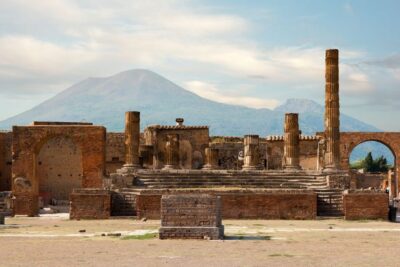
 ★ 4.8Pompeii: Entry Ticket and Guided Tour with an ArchaeologistFrom $3519,459 reviews
 ★ 4.2Pompeii: Entry Ticket with Optional Audio GuideFrom $2612,360 reviews
 ★ 4.8Pompeii: Small Group Tour with an ArchaeologistFrom $4012,264 reviews
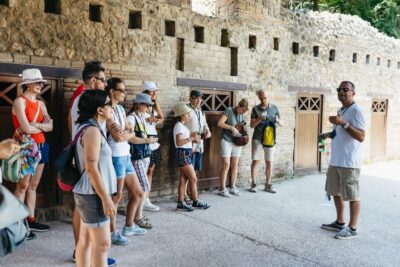 ★ 4.3Pompeii Ruins & Mount Vesuvius Day TourFrom $12011,459 reviews
 ★ 4.6Sorrento, Positano and Amalfi Full-Day TourFrom $10710,988 reviews
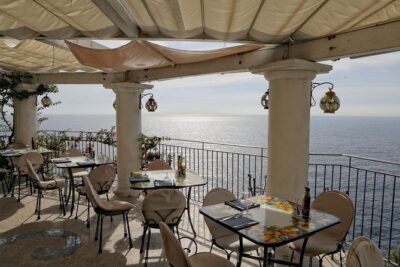 ★ 5.0Sorrento, Positano & Amalfi Coast – Small Group TourFrom $768,643 reviews
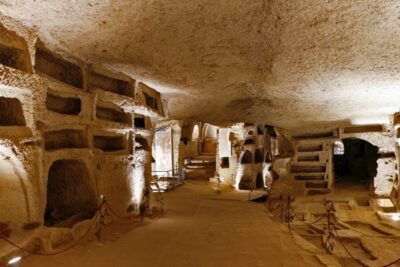 ★ 4.6Catacombs of San Gennaro Entry Ticket & Guided TourFrom $157,941 reviews
★ 5.0Pompeii Small Group Tour with an ArchaeologistFrom $356,593 reviews
★ 4.6Catacombs of San Gennaro Entry Ticket & Guided TourFrom $157,941 reviews
★ 5.0Pompeii Small Group Tour with an ArchaeologistFrom $356,593 reviews