

Tour review · TOUR REVIEWS
Pompeii 3hours Villa of Mysteries tour with an Archaeologist
Pompeii feels less like ruins and more like neighbors. In this small-group Pompeii tour, an archaeologist guide helps you walk the Porta Marina Superiore area and focus on the standout Villa of the Mysteries in just 3 hours.
I love the archaeologist-led way the guide turns buildings into daily life, from wall paintings to the rhythms of Roman homes and public spaces. I also like the built-in communication, with ear pieces that help you hear clearly even when the site gets busy.
One thing to keep in mind: at 3 hours, you are seeing highlights, not every single room, so if you want long stops inside one house, add extra time afterward.
Key takeaways before you go

- Small-group pacing that helps you see Pompeii without feeling swallowed by crowds
- Archaeologist commentary that explains what you are actually looking at, especially frescoes
- Skip-the-ticket line with the included Pompeii Plus entry
- Villa of the Mysteries access as the main event of the afternoon
- A clear route through houses, theaters, baths, forums, and temples in one outing
Pompeii in 3 Hours: Why This Tour Works
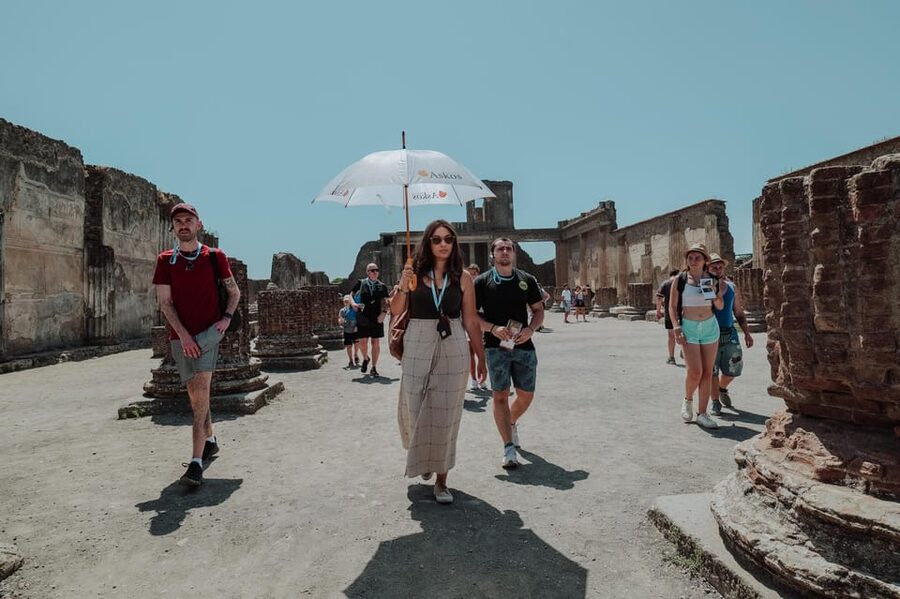
Pompeii is huge, and doing it self-guided can feel like drinking from a fire hose. This tour keeps you focused, with an archaeologist guide steering you toward the most meaningful stops and the details that make Pompeii click fast.
The biggest value here is that you are not just looking at pretty ruins. You are learning how people moved through their day, lived in their houses, worked in shared spaces, and left behind artwork that still has stories to tell.
I also appreciate the emphasis on quieter timing. The route is built so you can think, not just shuffle from one crowd to the next.
You can also read our reviews of more tours and experiences in Pompei Campania.


Meeting at Porta Marina Superiore, Then Getting Oriented Fast
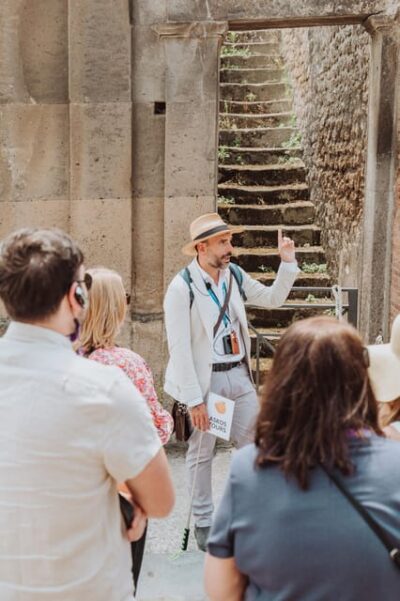
You meet at the Pompeii entrance gate called Porta Marina Superiore. The guide holds a sign that says ASKO TOURS, so it is pretty hard to miss.
This matters because Pompeii’s entrances and starting points can be confusing when you arrive. Starting in the right place helps you get your bearings quickly, and it sets you up for an efficient first walk through the site.
Weather is not a deal breaker either. The tour runs rain or shine, so wear comfortable closed-toe shoes and be ready for sun or drizzle.
The Quiet Start: Streets and Public Spaces With Meaning

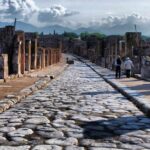
After you enter, you walk the cobbled streets into the part of Pompeii where daily life becomes obvious. The guide keeps you moving away from the busiest crush so you can actually notice architecture instead of just dodging elbows.
Public spaces are part of the experience too. You will stop in areas that once hosted debates, commerce, and religious ceremonies, and your guide explains the function behind the stone.
This is a smart approach for first-timers. Pompeii is not only about houses and murals. It is also about how a city organized itself, and the guide connects those dots in plain language.
House of the Vettii: Frescoes, Status, and Roman Home Life
A Pompeian house is where Pompeii becomes personal. The tour includes the House of the Vettii, and this is one of those stops where you start seeing everyday life in the small things.
Your guide focuses on how Romans decorated and lived inside. Expect discussion of frescoes, domestic spaces, and the kinds of artifacts that help explain how people worked, ate, and socialized.
The practical benefit is that the guide helps you look beyond the obvious. You learn what you are seeing and why it mattered, which turns a quick glance into something lasting.
House of the Faun and House of Menander: Mosaics and Urban Taste

Next comes more house time, including the House of the Faun and the House of Menander. These stops keep building the theme: Pompeii was a city of households with different personalities, wealth levels, and aesthetic tastes.
You will see how mosaic work and room layouts communicated identity. Even when you can only spend minutes in each space, the archaeologist-led explanations make the highlights easier to remember later.
If you are the type who likes visual detail, this section is for you. The art and layout clues are the quickest route to understanding what daily life may have looked like.


Large Theatre: How Entertainment Fit a Roman City
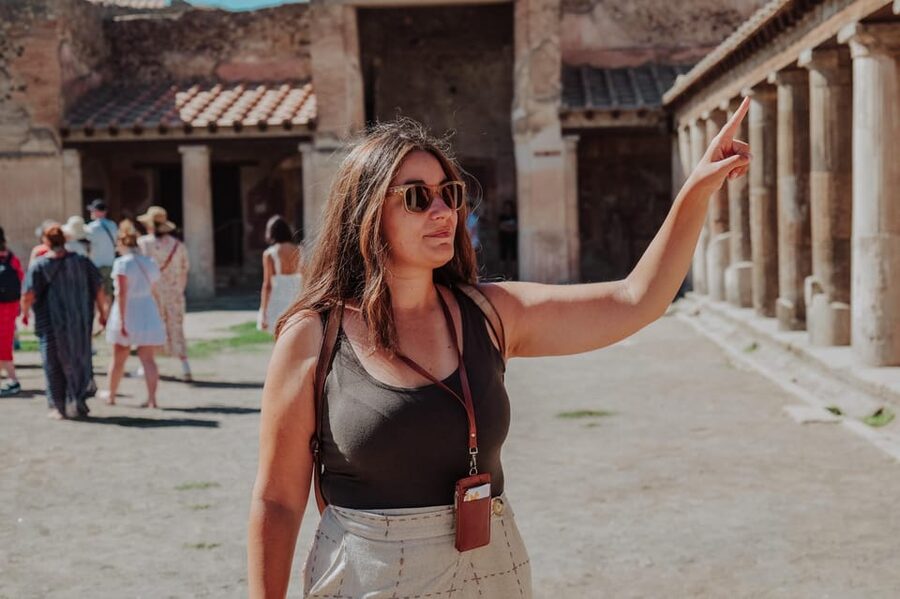
Pompeii’s Large Theatre shows the city’s public energy. The guide helps you connect the structure to what people went there to experience, and you get a sense of civic culture rather than just private life.
One payoff of visiting a theatre in a guided format is context. The shape and seating can look similar across ancient sites, but the explanations make Pompeii’s version feel specific.
It also helps to break up the house stops. After walking through homes, a public venue gives your legs and your brain a refresh.
Forum Baths, Basilica, and Foro Civile di Pompei: Politics and Routine
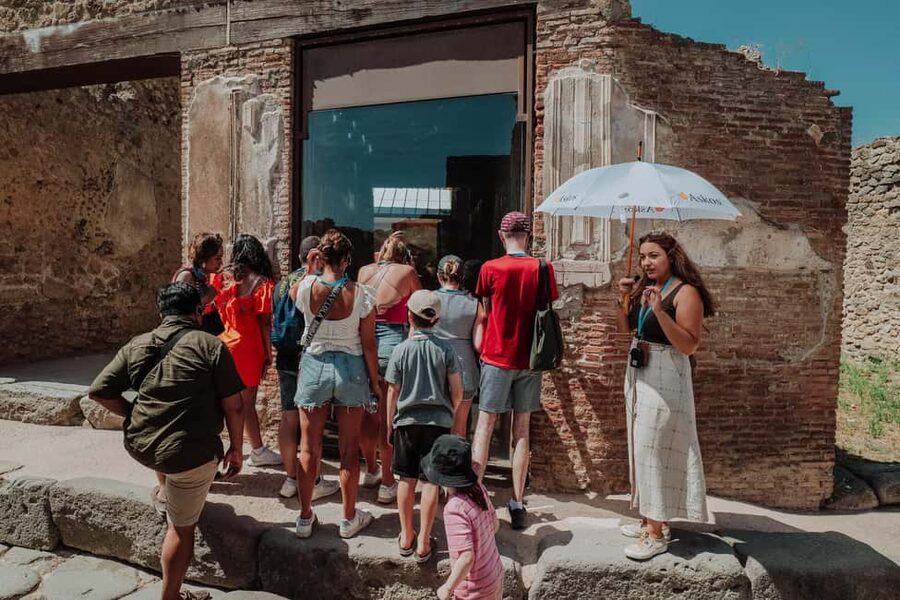
The tour includes Forum Baths, the Basilica, and the Foro Civile di Pompei. Together, these stops show how Romans handled routine, conversation, and power.
Baths are not only about hygiene. With an archaeologist guide, you see baths as social infrastructure, where people met and talked as much as they cleaned up.
Then you move into areas tied to administration and public activity. Your guide explains how these spaces shaped daily behavior, from formal gatherings to the flow of people through civic areas.
House of the Tragic Poet and Other Interiors: What a Highlight Stop Can Teach You
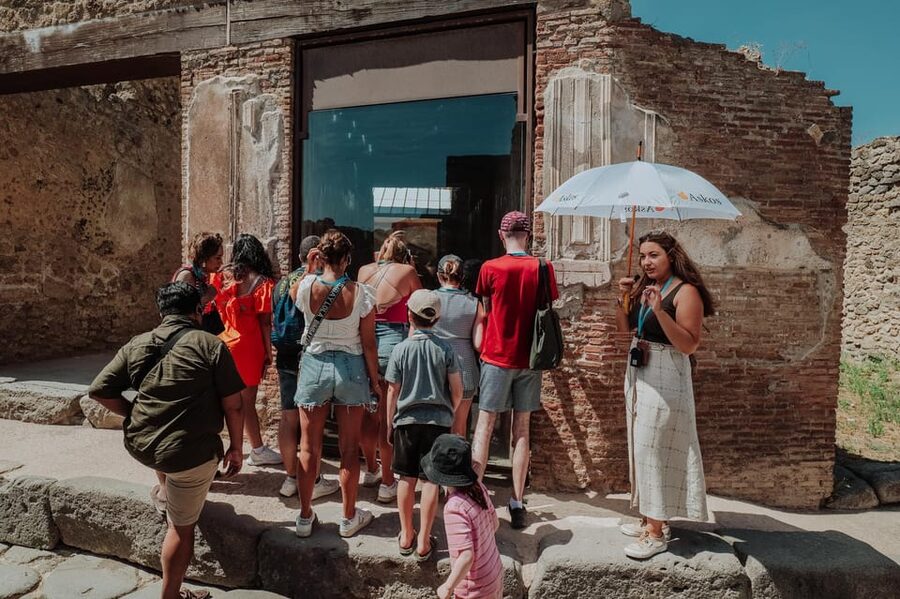
The House of the Tragic Poet is another interior stop built for impact. You will not get endless time in each room, but you will get expert framing for what to notice.
This is a real value for most visitors. Pompeii has too much to see, and unstructured time often leads to missed details. Here, you see fewer places but leave with a clearer mental picture of how the city functioned.
If you do wish for more time in a specific house, plan for it. After the tour ends, Pompeii is still there, and you can return to the areas that hooked you.
Lupanare and Temple of Apollo: Contrasts That Make Pompeii Feel Human
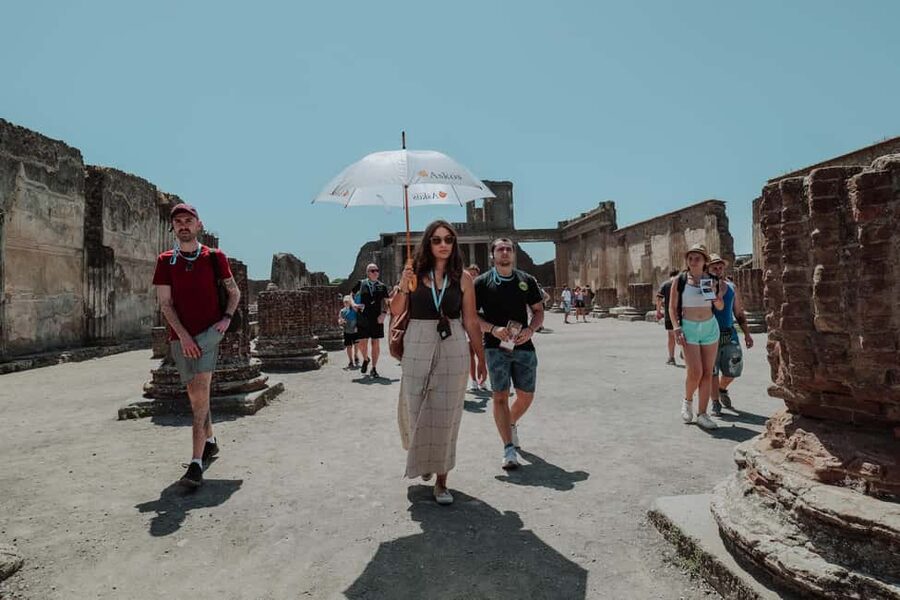
The route also includes the Lupanare and the Temple of Apollo. These are perfect contrast points, because Pompeii was not only respectable households and temples.
The Temple of Apollo stop gives you a religious thread to balance the civic and domestic side. Your guide ties the site to ceremony and community presence in the city.
The Lupanare stop adds a different kind of social reality, one that can be uncomfortable but is part of how people actually lived. Your guide keeps it contextual, so it feels less like shock and more like history with edges.
Villa of the Mysteries: The Main Event, Explained Clearly
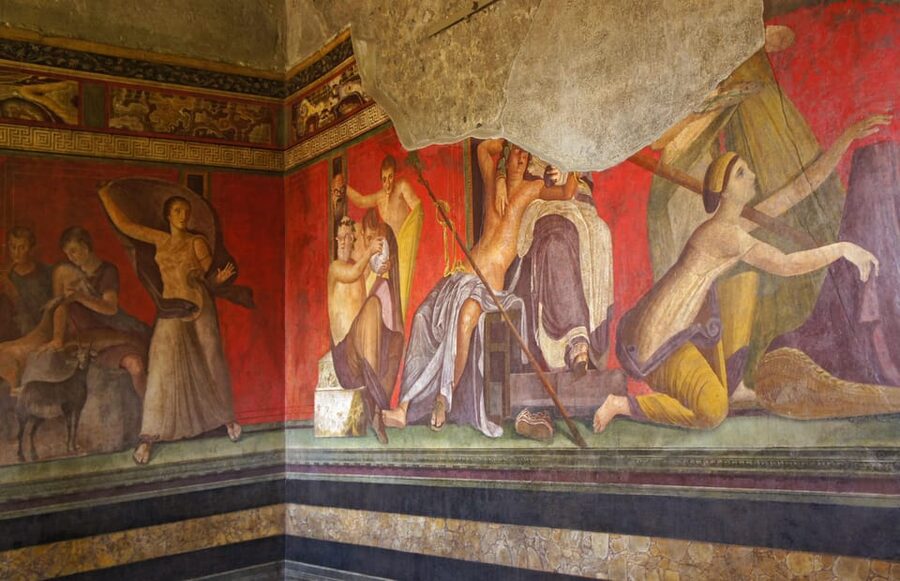
If you pick this tour, you are really picking the Villa of the Mysteries access. This is the highlight that many people hear about, and the archaeologist guide is there to help you read the famous frescoes without getting lost in guesswork.
The Villa of the Mysteries is built for visual storytelling. The guide points out details in the paintings and explains why the scenes mattered, which is the difference between seeing art and understanding it.
This stop also tends to be a calmer reset within Pompeii’s chaos. In a few cases, guides also lead you through nearby quieter areas connected to the larger complex, which can be a good chance to pause and regroup.
My practical tip: treat this as your “slow down moment.” Take a breath before you look, and give the frescoes a full look. The explanations make more sense when you stay present instead of rushing ahead.
The Itinerary Rhythm: How You Move Without Feeling Rushed
Even though 3 hours sounds tight, the route is organized to avoid that common problem where you spend half the time in transit. You get a sequence that alternates between houses, public architecture, and set-piece highlights.
The biggest advantage is focus. Each stop is chosen to support an overall story: private life, public routine, civic identity, and then the Villa’s artistic mystery.
At the same time, you should expect selection bias. Pompeii contains far more than any 3-hour tour can cover, so you are not buying “all of Pompeii.” You are buying the pieces that make Pompeii make sense.
Value Check: $88 for Pompeii Plus, With a Real Expert
At $88 per person for 3 hours, this tour can feel like a splurge if you are thinking only of “time on the ground.” The value improves when you factor what is included.
You get the Pompeii Plus entrance ticket, which covers the Archaeological Park plus the Villa of the Mysteries. That inclusion matters because Pompeii admission can become a separate line item, and you also avoid dealing with the most stressful part of any big site: ticket logistics and entrance queues.
Then add the archaeologist guide. You are paying for interpretation, not just access. The guide helps you notice what most visitors miss, like the meaning in frescoes and the practical logic behind room layouts and civic spaces.
Transportation is not included, and food and drinks are not included too. So you should plan a snack break on your own if you extend your day.
Who This Tour Suits Best (And Who Should Rethink It)
This is a great fit for first-timers who feel overwhelmed by Pompeii’s size. If you want a guided path that still gives you momentum and breathing room, this format works well.
It also suits people who love history, art, and architecture but do not want to spend hours mapping out what to see. Many visitors are glad they did one guided outing first, then wandered afterward with better context.
The main group that should rethink it is anyone who needs wheelchair access or has mobility impairments. This tour is not suitable for wheelchair users, and it is listed as not for people with mobility impairments.
Practical Tips That Will Save You Energy
Pompeii is walk-heavy, and your comfort affects your enjoyment more than you think.
- Wear comfortable closed-toe shoes. In summer, bring a hat. Flip-flops are not suitable.
- Bring your passport or ID card.
- Bring water if you can. There are refilling stations, but you will feel better if you start hydrated.
- Plan bathroom time before the tour starts. Once you are inside, breaks are not built in the way you might expect.
Also, the tour runs rain or shine. A light rain layer and a small bag for your essentials can make the difference between a fun day and a soggy one.
If you are traveling with a small pet, pets within 10 kg are allowed inside the Archaeological Park, but they must be kept on a leash.
Should You Book This Pompeii Villa of the Mysteries Tour?
Yes, you should book if you want the fastest path to understanding Pompeii, without spending your day guessing. The small-group format, archaeologist-led explanations, and the Villa of the Mysteries access are the core reasons this tour delivers.
I’d skip it if you are looking for a slow, unstructured wandering experience. With only 3 hours, you will not see everything, and some people will want more time in a single house.
The best strategy is simple: do this tour, then stay for extra self-guided time afterward where you feel curiosity. That way you get guided clarity first, then freedom when Pompeii starts to feel like your own route.
FAQ
How long is the Pompeii 3-hour Villa of the Mysteries tour?
It lasts 3 hours.
What is the price per person?
The price is $88 per person.
What is included in the tour price?
Included are the 3-hour small group tour, an archaeologist guide, and the Pompeii Plus entrance ticket (including the Archaeological Park plus the Villa of the Mysteries).
Where do I meet the guide?
Meet at the Porta Marina Superiore entrance gate of Pompeii, where the guide holds a sign reading ASKOS TOURS.
Does the tour skip the ticket line?
Yes, the tour includes skip-the-ticket-line access.
What languages are available for the live guide?
The live tour guide is available in German, Italian, French, English, Spanish, and Portuguese.
What should I bring with me?
Bring your passport or ID card, and wear comfortable closed-toe shoes (flip-flops are not suitable). In summer, a hat is recommended.
Is the tour canceled if it rains?
No. The tour takes place rain or shine.
Is this tour suitable for wheelchair users?
No. It is not suitable for wheelchair users or people with mobility impairments.
Are pets allowed in the Archaeological Park?
Small pets up to 10 kg are allowed inside the Archaeological Park, but they must be kept on a leash.
More Tours in Pompei Campania
More Tour Reviews in Pompei Campania
Not for you? Here's more nearby things to do in Pompei Campania we have reviewed







Tour Reviews, compared.
 ★ 4.8Pompeii: Entry Ticket and Guided Tour with an ArchaeologistFrom $3519,459 reviews
 ★ 4.2Pompeii: Entry Ticket with Optional Audio GuideFrom $2612,360 reviews
 ★ 4.8Pompeii: Small Group Tour with an ArchaeologistFrom $4012,264 reviews
 ★ 4.3Pompeii Ruins & Mount Vesuvius Day TourFrom $12011,459 reviews
 ★ 4.6Sorrento, Positano and Amalfi Full-Day TourFrom $10710,988 reviews
 ★ 5.0Sorrento, Positano & Amalfi Coast – Small Group TourFrom $768,643 reviews
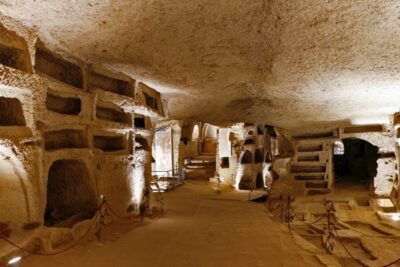 ★ 4.6Catacombs of San Gennaro Entry Ticket & Guided TourFrom $157,941 reviews
★ 5.0Pompeii Small Group Tour with an ArchaeologistFrom $356,593 reviews
★ 4.6Catacombs of San Gennaro Entry Ticket & Guided TourFrom $157,941 reviews
★ 5.0Pompeii Small Group Tour with an ArchaeologistFrom $356,593 reviews