
Tour review · TOUR REVIEWS
Pompei: Audio guide of the archeological site
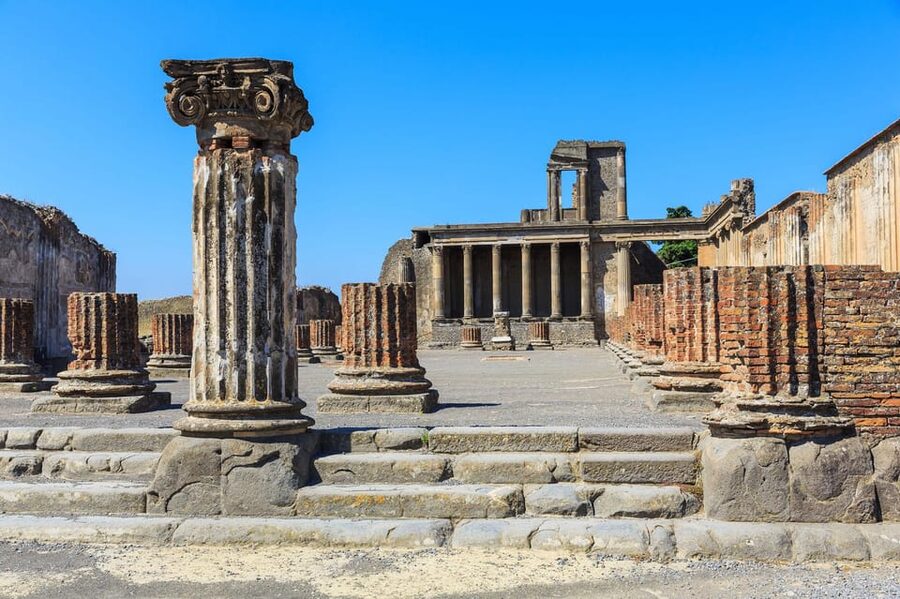
Pompeii gets a lot easier when you have the soundtrack. This audio guide by Echo Audioguides helps you make sense of the ruins, preserved under volcanic ash, with a narrated route designed to keep you moving and understanding what you are seeing. You get about 50 minutes of guided content that turns scattered stones into daily life.
I really like the compelling narration and the way it connects the city to real routines, from markets and villas to temples and household details. I also like the practical map and clear navigation, which makes it far less stressful to choose where to go next inside the archaeological site.
The one drawback to plan around is simple: you do not get the entrance ticket or earphones. If you arrive without those, you will be paying extra and may have a tougher time hearing the audio clearly.
Key things to know before you go
- Narration built for about 50 minutes so you can stay focused without getting burned out
- A map to help you follow a route with clear navigation
- Stories that connect architecture to daily life like bathhouses and household frescoes
- Unlimited offline access for up to 2 days so you can replay and take breaks
- Italian and English support through the host or greeter
- Included photo and documentation add context beyond just the audio
Pompeii With a 50-Minute Audio Route That Actually Feels Doable
Pompeii can feel like information overload, mostly because it is huge and you cannot read everything on the walls. This audio guide helps you prioritize. The guided content is designed for around 50 minutes, which is a sweet spot if you want meaning without spending your whole day hunting for context.
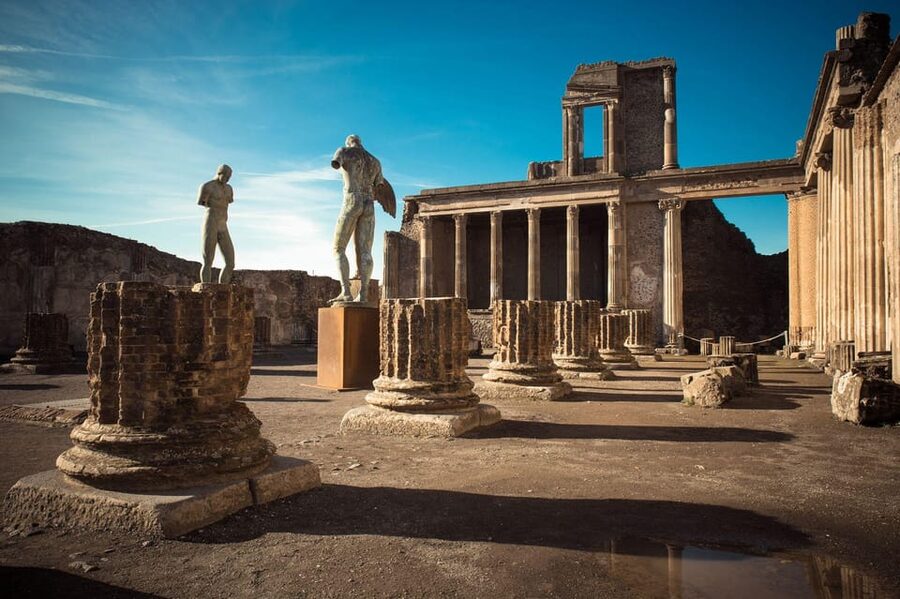
I like that the guide is not trying to cover everything at once. Instead, it focuses on bringing the city back to life: what people did, how spaces worked, and what you are looking at when you stand in front of ruins. That approach matters because Pompeii is not just a scenic ruin. It is a city plan, with public and private areas, and the audio helps you notice the difference.
Also, the narration is described as compelling and historically authentic, which is what you want in a self-guided format. When you are listening without a live guide, you need the voice to do the heavy lifting. The audio format does that by giving you stories tied to architecture, daily life, and the tragic fate of the city.
You can also read our reviews of more guided tours in Pompei Campania


The Map Is Your Best Friend in the Archaeological Site
Self-guided Pompeii usually lives or dies by navigation. Luckily, this package includes a map and gives clear navigation cues, which makes a real difference once you are inside.
Here is the practical benefit: you can keep moving without constantly stopping to figure out where you are relative to the next “must-see” type of place. If you tend to wander when you travel, that is not a crime, but Pompeii rewards planning because the ruins are spread out. The map helps you avoid the frustrating cycle of walking, realizing you are off-route, and backtracking.
A nice touch from the included materials is that you also get photo and documentation along with the digital audio file. Even if you spend most of your time listening, having those extras can help you anchor what you are hearing to what you are physically looking at. It is also helpful for remembering details afterward, when you want to replay the audio and connect the dots again.
Streets, Markets, and Villas: How the Audio Turns Ruins Into Routine
The audio guide is built around daily life. That is the big promise, and it is also the value. Pompeii’s ruins look impressive, but you get much more out of them when you understand how the city worked and who used each type of space.
As you move through the sections, the narration focuses on streets and the life around them, plus markets where everyday transactions would have happened. Then it shifts to villas, which are a different type of space than public areas. Even without a live guide, the audio helps you recognize that shift, so you are not just looking at walls and wondering what you are supposed to learn.
The guide also covers architecture in a way that supports the stories. That matters because Pompeii is full of “why is this here?” shapes. When the audio explains what a structure was for, you stop treating ruins like random fragments and start seeing the city as a system. You start to notice how people moved, gathered, and used rooms.
One more thing I appreciate: the audio includes mysteries and the tragic fate of the city. That combination keeps the experience human. Pompeii is famous for a reason, but the guide’s goal is to help you understand both the everyday life and the sudden end.
Temples and Public Spaces: Learning to Read Pompeii’s Layout

Pompeii is not only residential. You also need some context about the civic and religious side, which is where temples come in. When the audio highlights temples, it is not just adding a “place to photograph” note. It helps you connect how people would have organized their community life.
This is where a self-guided tour can go wrong if you only listen to a list of sights. If the audio does its job, you come away with a sense of what kinds of areas were meant for collective activities versus private life. You start noticing patterns, like which spaces feel more public and which ones feel tucked away.
You can use this section to reset your thinking. If you have been walking without much interpretation, the temple and public-space material can help you build a clearer mental map. Once that clicks, the rest of the city feels more coherent.
Bathhouses and Household Frescoes: The Details That Make It Feel Real
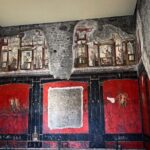
If you love “small” discoveries in a museum, Pompeii does the same thing, and this audio guide leans into that. It covers grand bathhouses and also turns toward intimate, personal spaces like household frescoes.
This matters because bathhouses and frescoes are different kinds of storytelling. Bathhouses point to shared routine and public hygiene and social life. Household frescoes point to identity, taste, and what people wanted their homes to look like. When you hear these explanations while you are standing in the right place, it is easier to imagine the scene without needing to be an expert.
Also, frescoes are one of those things you can overlook if you are rushing. The audio makes it more likely you will slow down enough to pay attention. You begin to understand that even fragments of painted surfaces can tell you something about daily aesthetics and culture.
The net effect is that the guide does not just give you big-name ruins. It gives you the emotional texture of life in the city, which is often what people remember most.
More Naples tours, ruins, coast days, and city experiences to compare
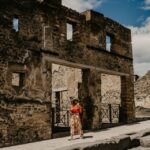
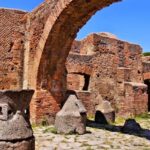



Photo and Documentation Extras: Helpful for Replay and Recall
One underrated part of any audio experience is what you can do after the walk. This package includes documentation and photo material along with the digital file. That means your understanding does not have to end when you exit the site.
Practically, you can use the offline file link to revisit your route later. You will likely catch details on the second listen that you missed during the first pass, especially if you stopped often for photos or took time to move between areas.
For me, this is the difference between “I walked around and listened” and “I learned something I can actually carry home.” Even with a short guided audio, the included extras help you rebuild the story in your mind.
Unlimited Offline Access for 2 Days: Flexibility Without the Rush
The audio guide is sold as a 2-day experience, and you receive a link to the audio file for unlimited access, even offline. That is a big deal in a place like Pompeii where your pace can change fast.
You might want to do a shorter listen during one visit, then return and replay the parts that stuck. Or you might want to break the experience into two sessions so your feet and your attention do not burn out. Either way, the offline access reduces stress because you are not dependent on signal quality at every moment.
This flexibility is also useful if you like to stop for viewpoints, people-watch when appropriate, or just take longer at a specific ruin. Pompeii is not a sprint. The 2-day window gives you room to work at a pace that fits you.
Price and Value: Why Paying $5 Can Still Mean a Real Experience
The price is $5 per person. That is low, but you should judge value by what you receive and what you must still handle yourself.
What you do receive is a digital file, a map, photo material, and documentation, plus a guided narrative that covers daily life, architecture, markets, villas, temples, bathhouses, and household frescoes. For $5, you are buying structured interpretation rather than just random audio. And because you can access the file offline for up to 2 days, you can get more than one listening session out of it.
What you do not receive is the entrance ticket to the archaeological site and earphones. That is the tradeoff. You are keeping the cost down by not bundling those items into the package price.
If you already plan to buy Pompeii’s entrance ticket anyway, this guide can be a smart add-on because it turns that ticket into a more meaningful visit. If you want everything fully bundled, including earphones and a ticket, this may not feel like the simplest option.
Languages and Host Support: Italian and English
The host or greeter language options are Italian and English. That matters because it signals you can get help in the languages most visitors actually need when they are figuring out how the audio works.
The guide is listed as available in Italian and English, so you can choose the narration language that matches your comfort level. If you want the details to land, it is worth choosing a language you can follow comfortably for a continuous 50-minute style narrative.
Who This Pompeii Audio Guide Fits Best
This experience fits best if you want a self-paced Pompeii visit with built-in structure.
You will likely enjoy it if:
- You like audio guidance more than a live group tour.
- You want historical authenticity and clear explanations tied to what you are seeing.
- You appreciate the convenience of a digital file with offline access.
- You want to control your own pace, with the option to revisit sections over 2 days.
It also works well for history-minded travelers who still want freedom. Pompeii is a place where a little planning goes a long way, and a good audio guide can do that without the pressure of matching everyone else’s schedule.
Potential Snags: When an Audio Guide Feels Misaligned
With a rating of 3.4 from 13 reviews, you should take expectations seriously. Most feedback points to usefulness, good narration, and especially the map to follow the path. That is what you want from a self-guided setup.
But there is at least one low rating that says misguided. I cannot guess the exact reason, but the general lesson is clear: audio guides can feel off if the route cues do not match how you choose to enter, where you start, or how quickly you move between sections.
To reduce the chance of that feeling, treat the included map as part of the experience, not an optional extra. If you start walking without aligning yourself to the route, the audio can become a voice in the background rather than a guide that keeps you oriented.
Also, since earphones are not included, plan for how you will listen. Good audio clarity changes everything for a narrative tour, especially in an open site where sound carries and breaks.
Should You Book This Pompeii Audio Guide?
I would book this if you want a budget-friendly, structured way to understand Pompeii without committing to a live tour schedule. The big wins for me are the compelling narration, the map and navigation, and the offline access that lets you spread the experience across 2 days.
Skip it or rethink it if you expected a fully packaged guided tour with everything handled for you, because the entrance ticket and earphones are not included. Also, if you dislike self-guided experiences that rely on you to follow a route, you may end up feeling unanchored.
If you are willing to do a little upfront orientation and you want Pompeii explained through the rhythms of daily life, this $5 audio guide can make your visit feel less like wandering and more like learning.
FAQ
How long is the audio guide?
The experience includes about 50 minutes of audio content.
Is the audio file available offline?
Yes. You receive a link to the audio file for unlimited access, and it works even offline.
How long do I have access to the guide?
Access is valid for 2 days, depending on availability and starting times.
What is included in the activity?
It includes a map, a digital file, photo, and documentation.
What is not included?
Entrance ticket to the archaeological site and earphones are not included.
What languages are available?
The host or greeter offers Italian and English, and the guide is available in Italian and English.
Can I cancel and is there a pay-later option?
You can cancel up to 24 hours in advance for a full refund, and you can reserve now and pay later (book today and pay nothing today).
More Self-Guided Tours in Pompei Campania
More Guided Tours in Pompei Campania

More Tour Reviews in Pompei Campania


Not for you? Here's more nearby things to do in Pompei Campania we have reviewed







Tour Reviews, compared.
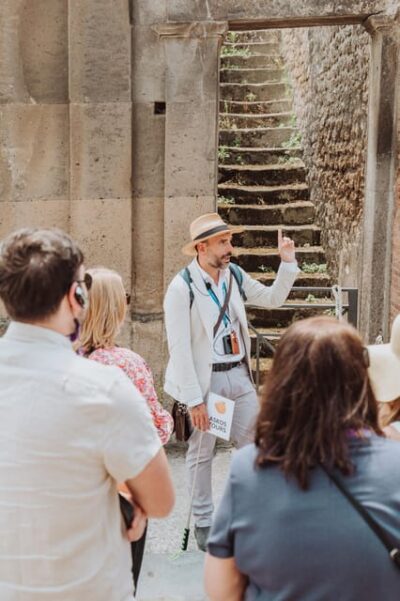 ★ 4.8Pompeii: Entry Ticket and Guided Tour with an ArchaeologistFrom $3519,459 reviews
 ★ 4.2Pompeii: Entry Ticket with Optional Audio GuideFrom $2612,360 reviews
 ★ 4.8Pompeii: Small Group Tour with an ArchaeologistFrom $4012,264 reviews
 ★ 4.3Pompeii Ruins & Mount Vesuvius Day TourFrom $12011,459 reviews
 ★ 4.6Sorrento, Positano and Amalfi Full-Day TourFrom $10710,988 reviews
 ★ 5.0Sorrento, Positano & Amalfi Coast – Small Group TourFrom $768,643 reviews
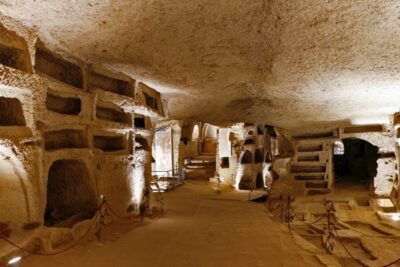 ★ 4.6Catacombs of San Gennaro Entry Ticket & Guided TourFrom $157,941 reviews
★ 5.0Pompeii Small Group Tour with an ArchaeologistFrom $356,593 reviews
★ 4.6Catacombs of San Gennaro Entry Ticket & Guided TourFrom $157,941 reviews
★ 5.0Pompeii Small Group Tour with an ArchaeologistFrom $356,593 reviews
Browse the lists this tour appears in