
Tour review · TOUR REVIEWS
Pompeii 2-Hour Private Tour
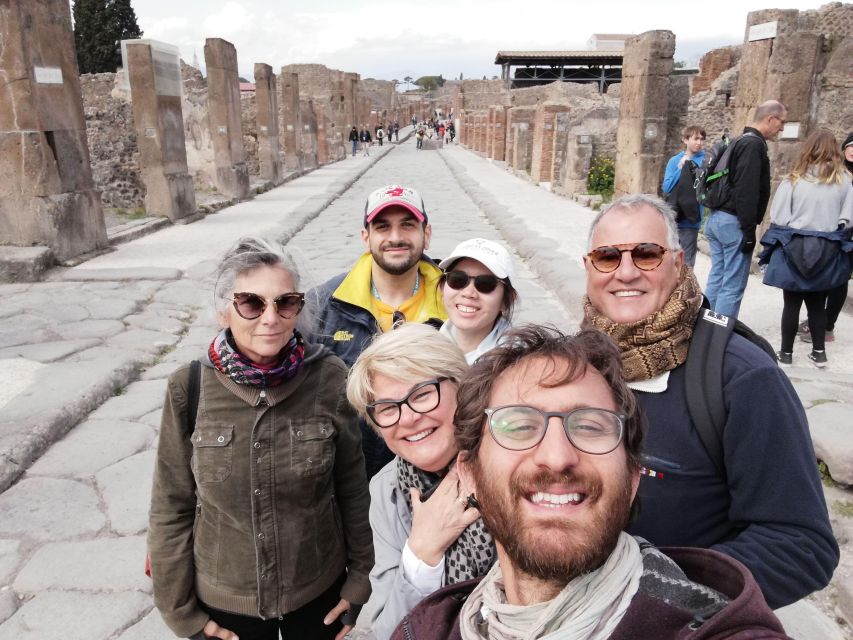
Pompeii hits hard, even in two hours. This Pompeii 2-hour private tour is set up to get you into the site fast with skip-the-line entry, then walk the most important streets with a guide who turns broken stone into a lived-in town.
What I like most is the human scale of it. With a private setup, I’d rather you get a clear, ordered route and time for questions than wander and miss the story. The second big win is the way the guide frames daily life, from slaves and ordinary workers up to very wealthy residents living close by.
One thing to consider is mobility. Even though the activity notes wheelchair accessibility, it also lists that it is not suitable for wheelchair users and people with mobility impairments, so you should confirm what walking level is realistic for your group before you go.
Key highlights

- Meet at Via Villa dei Misteri with your name sign so you can start quickly
- Forum focus plus Temple of Jupiter views to understand how Romans organized public life
- Rich-house interiors and everyday street rhythm so Pompeii feels personal, not just famous
- Plaster casts of Pompeii victims for a reminder that this was real tragedy, not just ruins
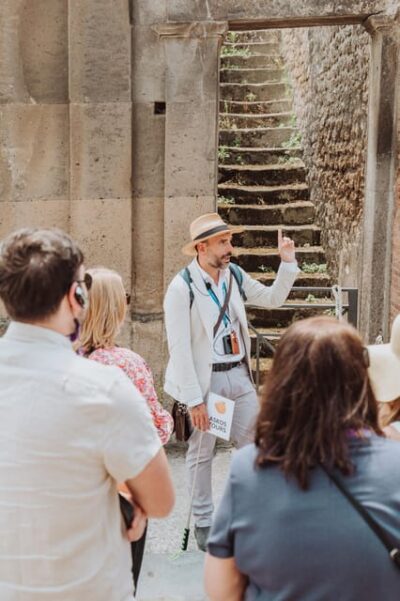
- Guides like Stefano and Antonietta who keep the pace moving and still leave room for questions
Two hours in Pompeii, and why a private guide pays off
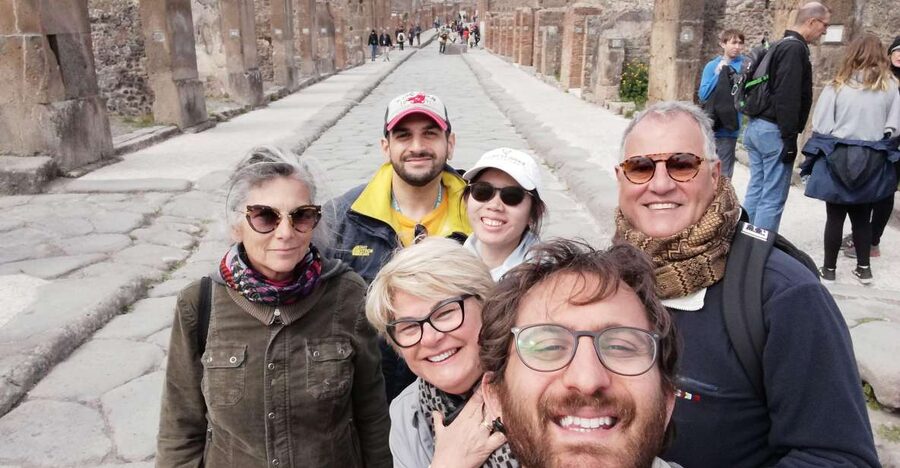
Pompeii can overwhelm you fast. There are so many rooms, corridors, and little details that you can easily spend your time chasing the wrong things. The value of a private 2-hour plan is that you get a route built for meaning, not just motion. You’re there to understand how people lived, how the city worked, and what changed when Vesuvius erupted in 79 AD.
Also, the private format matters more than you might expect. In this kind of major archaeological site, group tours often mean hearing the guide as background noise while you shuffle forward. Here, you get the chance to ask questions and slow down at the spots that catch your interest. That’s especially helpful if you’re visiting with kids, or if your group includes someone who wants the technical “how did they build this” angle and someone else who just wants the story.
The other practical advantage is time. Pompeii is huge, and a self-guided walk can become a “check off highlights” day. A guided 2-hour route gives you a strong baseline. Then you can choose what to revisit afterward on your own.
You can also read our reviews of more private tours in Pompeii Archaeological Site
Meeting at Villa dei Misteri, so you do not waste your energy
The tour starts right in Pompeii at the train station area called Scavi Villa dei Misteri. Your meeting spot is Via Villa dei Misteri, 1 (look for your guide holding a sign with your name). The first stop is Via Villa dei Misteri, 2, so you’re basically right at the doorstep of the archaeological area’s rhythm.
This is the kind of detail that makes or breaks your day. If you arrive late or wander the wrong side of the station area, you lose the advantage of a fast start. Plan to show up about 10 minutes early and keep an eye out for the name sign. In real life, that’s what helps you avoid the annoying “where are you” moment.
What to wear and pack matters here too. Pompeii is walking. You’ll want comfortable shoes because you’re moving over uneven surfaces and through museum-like pathways. Bring a hat and sunscreen, plus water. And go light: luggage or large bags are not allowed inside the sites.
The Forum and Temple of Jupiter: public life, not just scenery
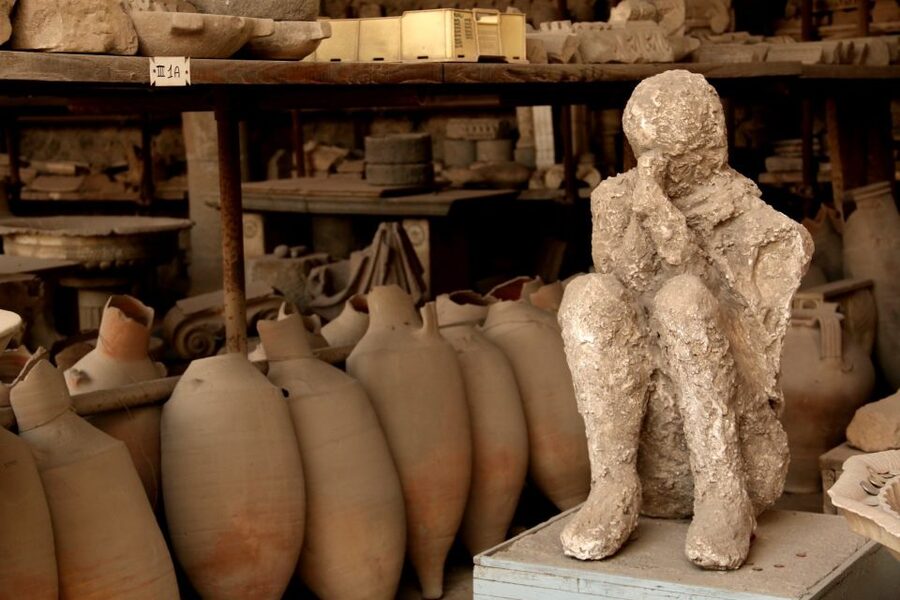
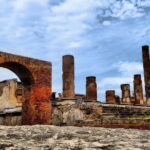
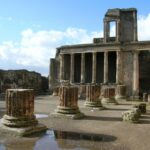
Once you’re inside, the tour steers you toward Pompeii’s core public spaces. You’ll focus on the Forum, the center where religious life, culture, and politics overlapped. This is where Pompeii stops feeling like a collection of buildings and starts feeling like a working city.
In practical terms, this part of Pompeii helps you understand something essential: Romans did not separate daily life into neat boxes. Civic decisions, worship, community events, and social status all lived side by side. The Forum layout and the key buildings around it give you a sense of where people gathered, what they valued, and how the city organized power.
The tour also includes iconic views tied to the Temple of Jupiter. Even if you do not go deep into every architectural measurement, this is where the “Roman world” feeling snaps into place. You see the scale of public religion and the importance of Rome’s gods as part of politics, not just belief.
A drawback of highlighting public spaces is that they can feel less personal than the houses and streets. But the trade-off is worth it. If you get the Forum right, you understand the rest of what you’ll see.
Streets, shops, and houses: Pompeii as a neighborhood
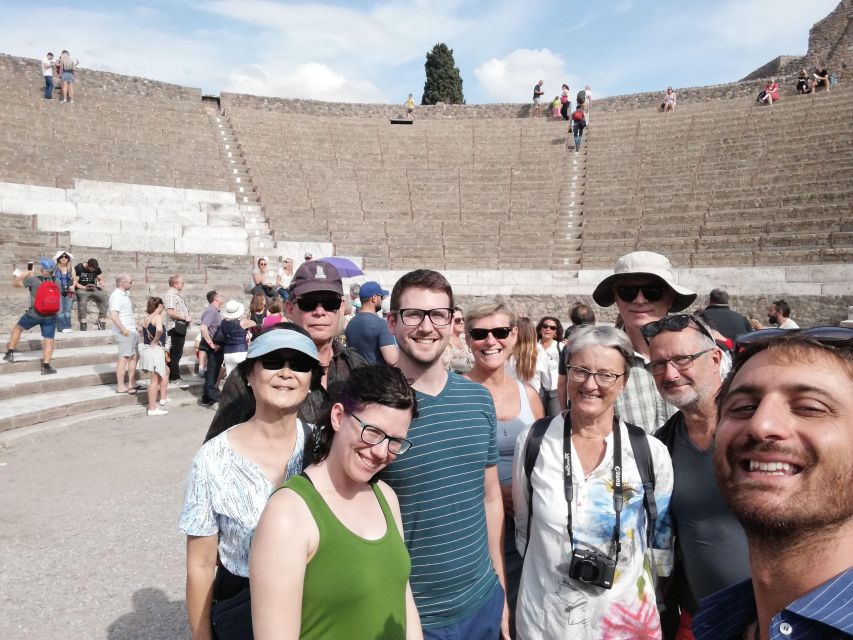
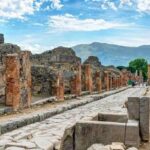
This is where Pompeii becomes real. The tour doesn’t just point at walls and move on. It links streets and buildings to daily routines, so you can imagine walking to work, meeting neighbors, buying supplies, and returning to a home that might be lavish or plain.
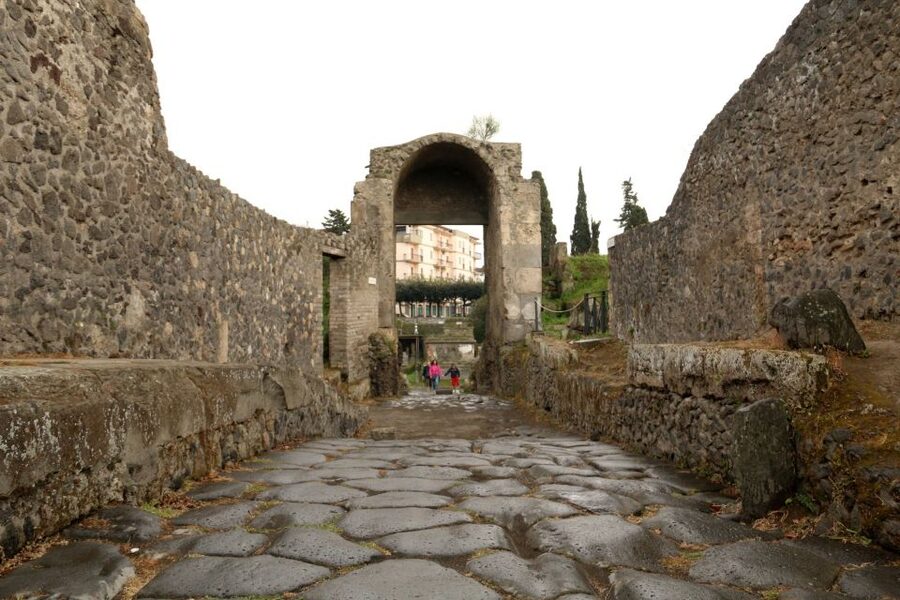
You’ll see the ruins of shops, homes, and the street layout that shaped how people moved. The big concept is that Pompeii’s residents lived with a surprising mix of social classes side by side. You get the chance to connect that idea to specific examples: the tour explains how slaves, ordinary people, and very rich families could share the same urban fabric.
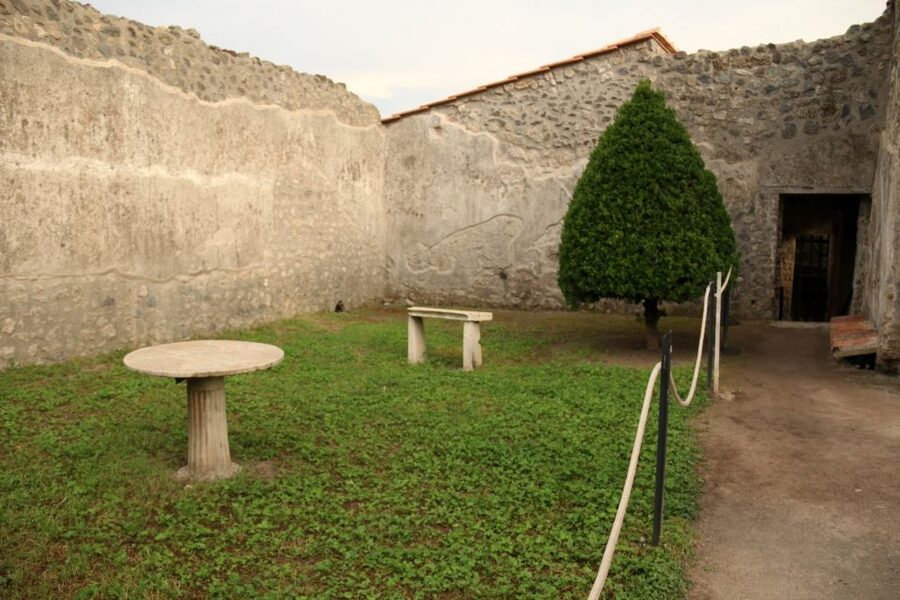
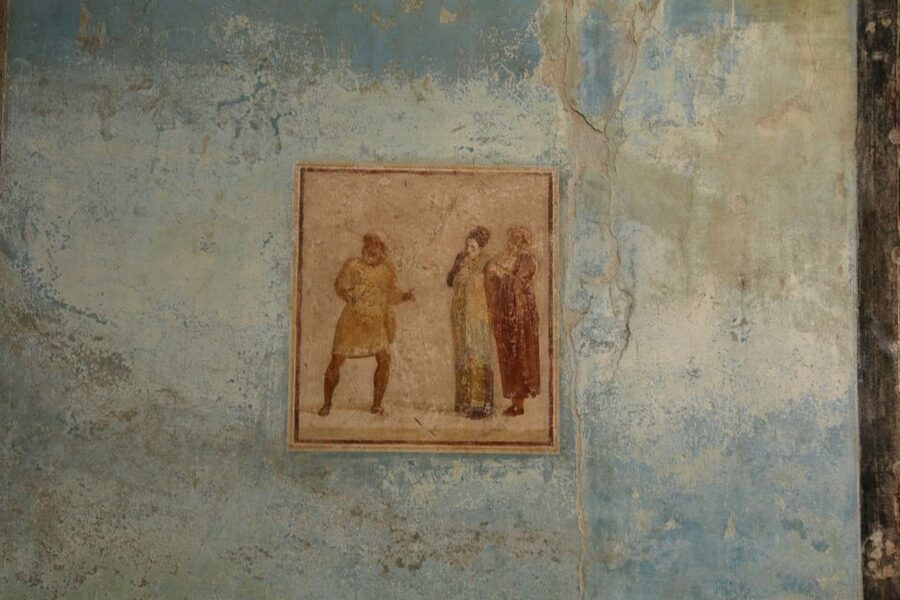
The “rich houses” stop is also an important choice. Pompeii is famous for villas and grand interiors, but the real value for you is contrast. You can compare house design and decoration to what you see in more everyday areas. That gives context to social status, privacy, and comfort, without turning the visit into pure admiration.
On some routes, guides like Antonietta have also taken families to places such as Terme Stabiane (bath areas) and the Lupanare (a site connected to prostitution). If those topics interest you, it helps that a good guide can handle them with clarity instead of awkward guessing. If they do not interest you, you still benefit from the broader city story, because baths and nightlife were part of public culture too.
The plaster casts: when the ruins stop being abstract
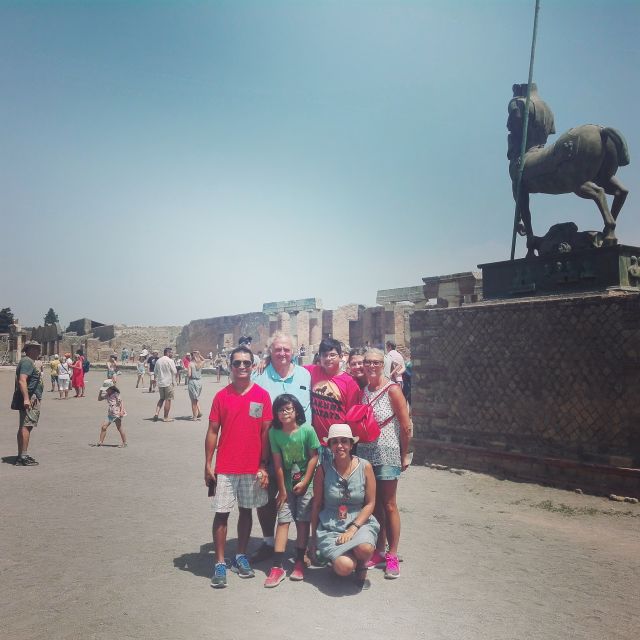
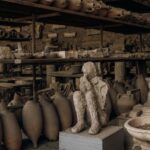
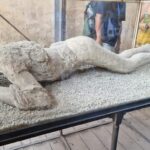
Pompeii has plenty of “wow” moments. Then it has the moment you cannot unsee: the plaster casts of people preserved in the final moments when ash and volcanic materials trapped them.
This part hits because it restores faces and postures. Stone can feel distant. These casts make it personal. You start thinking about breath, panic, the reality of sudden danger, and the way time froze for individuals who had no warning.
A guide’s job here is careful framing. You should expect the tour to explain what you’re looking at in a respectful, factual way. The best guides keep you moving, but they also give you room to absorb what you’re seeing, especially if you’re visiting with kids.
If you are sensitive about tragedy, plan for this stop. It is included here as a core highlight, and it is one of the main reasons Pompeii feels different from other ancient sites.


Your guide matters: Stefano, Antonietta, and the value of pacing
Names you may hear include Stefano and Antonietta. Both come up for good reason. The stand-out pattern is pacing plus conversation.
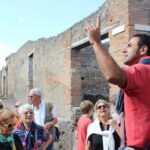
Stefano is repeatedly praised for being easy to find at the meeting point, with the name sign ready even if someone is a few minutes late. He’s also noted for answering questions and navigating the site to get ahead of crowds. That combo matters because Pompeii crowds can slow you down and break your focus.
Antonietta, often mentioned as Anto or just Ant, is highlighted for energy and for making the ruins meaningful. Her tours include a lot of “why this was built like that” and “how people used this space” explanation. In one example, she adjusted pace to support older visitors in the group and gave time for restrooms and photos, which is honestly the difference between enjoying Pompeii and feeling rushed.
Here’s what I’d take from that for your planning. If your group wants history as a story, look for a guide who clearly links physical features to daily life. If your group wants logistics, choose the kind of guide who gets you moving efficiently without turning the tour into a sprint.
Practical tips that make Pompeii feel easier on the ground
This is where you can save yourself stress.
Bring:
- Passport or ID card (and remember ID rules matter for free admission for those under 18, if applicable to your situation)
- Comfortable shoes
- Hat, sunscreen, and water
- An umbrella if rain or strong sun is possible on your day
Bags and storage:
- No luggage or large bags are allowed inside Pompeii sites
- If your bag is larger than 30 x 30 x 15 cm, it is not permitted in the sites
- There are free cloakrooms at access points where you can leave personal belongings
Timing:
- Arrive about 10 minutes before the start time, so you can meet the guide and get going. Pompeii days run on sunlight and walking time, so being a little early pays off.
Also, remember the tour is only 2 hours. That’s perfect for an orientation and highlights run. But it also means you should expect to move on fairly quickly after key stops. If there’s a specific area you care about most, do a quick follow-up walk after the tour ends.
How to get the most after your two-hour route
The best part of a guided orientation is what comes next. After the tour ends back at Via Villa dei Misteri (the same meeting point), you’ll have enough context to explore with confidence.
One practical tip from real tour experiences: if you still have energy, consider your exit strategy when you continue on your own. Exiting near the amphitheater has worked well depending on where your starting route put you. The goal is not to see everything. The goal is to pick a couple of “I want to linger here” places and actually enjoy them.
Use what your guide gave you. If they explained why the Forum mattered, you’ll recognize that same political and religious pattern when you wander. If they showed you a wealthy house, you’ll notice decoration choices and room layout more clearly when you bump into similar architecture later.
Price and value: what you’re really paying for
At $181.26 per person for a private 2-hour tour, this is not the cheapest way to see Pompeii. The value comes from what you get that self-guided visitors often struggle to recreate.
You’re paying for:
- A licensed, English-speaking guide (with English, Italian, and Spanish options listed)
- Entry tickets included
- Skip-the-line entry, which saves time when queues form
- A route that targets the most meaningful parts of Pompeii within a tight schedule
If your group includes at least one person who wants clarity, questions answered, and a structured overview, you’ll usually feel the value quickly. If your group is the type that loves to roam without stopping to think, you might prefer a self-guided ticket and audio setup.
But if you want Pompeii to make sense fast, this format is a smart middle ground. You get a guided foundation, then you can customize what you do after.
Should you book this Pompeii 2-hour private tour?
I’d book it if you want Pompeii with structure. This tour is built for fast orientation, strong highlights, and real explanation of daily life, not just photo stops. You’ll likely appreciate the skip-the-line start and the chance to ask questions because the focus is on making the ruins readable.
I’d think twice or at least confirm details first if mobility is a concern for your group. Pompeii involves walking and uneven ground, and the activity notes include mixed signals about wheelchair suitability. If that applies, message the provider and get a clear answer about what the route looks like for your needs.
If you want a two-hour “make Pompeii click” visit, with Forum-to-houses-to-plaster-casts pacing, this private tour is a solid choice.
More Private Tours in Pompeii Archaeological Site
More Tours in Pompeii Archaeological Site

More Tour Reviews in Pompeii Archaeological Site
Not for you? Here's more nearby things to do in Pompeii Archaeological Site we have reviewed



Tour Reviews, compared.
 ★ 4.8Pompeii: Entry Ticket and Guided Tour with an ArchaeologistFrom $3519,459 reviews
 ★ 4.2Pompeii: Entry Ticket with Optional Audio GuideFrom $2612,360 reviews
 ★ 4.8Pompeii: Small Group Tour with an ArchaeologistFrom $4012,264 reviews
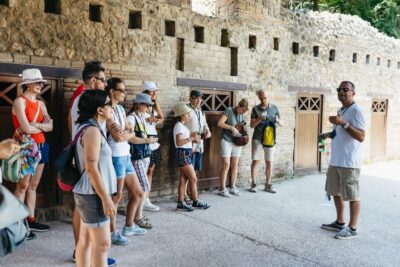 ★ 4.3Pompeii Ruins & Mount Vesuvius Day TourFrom $12011,459 reviews
 ★ 4.6Sorrento, Positano and Amalfi Full-Day TourFrom $10710,988 reviews
 ★ 5.0Sorrento, Positano & Amalfi Coast – Small Group TourFrom $768,643 reviews
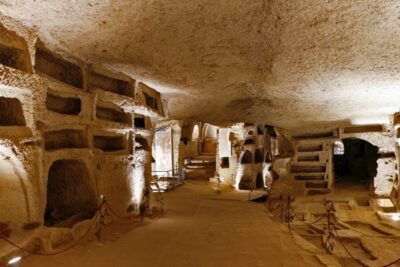 ★ 4.6Catacombs of San Gennaro Entry Ticket & Guided TourFrom $157,941 reviews
★ 5.0Pompeii Small Group Tour with an ArchaeologistFrom $356,593 reviews
★ 4.6Catacombs of San Gennaro Entry Ticket & Guided TourFrom $157,941 reviews
★ 5.0Pompeii Small Group Tour with an ArchaeologistFrom $356,593 reviews
Browse the lists this tour appears in