
Tour review · TOUR REVIEWS
Pompeii: Skip-the-Line Tour for Kids and Families
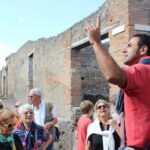
Pompeii hits different when kids are in charge. I like that this family tour uses skip-the-line reserved tickets, so you spend less time stuck and more time looking at real streets and buildings.
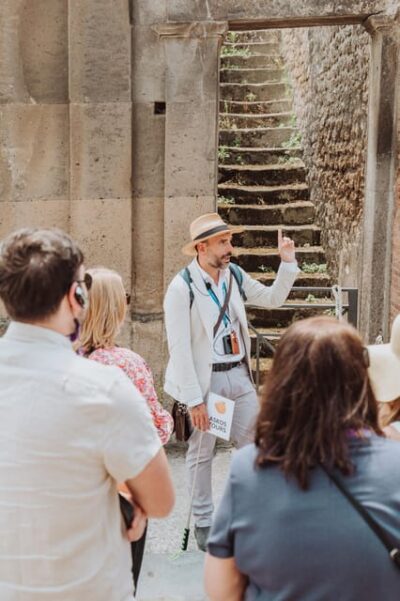
The second thing I love is how the guide makes the site feel like a story, not a lecture, with interactive learning tools that actually work on children.
One thing to consider: this is a walking tour, and it is not suitable for wheelchair users or people with mobility impairments, so plan around uneven ground and steps.
Key takeaways before you go
- Skip-the-line, separate entrance with reserved access, so you avoid the worst of the queues.
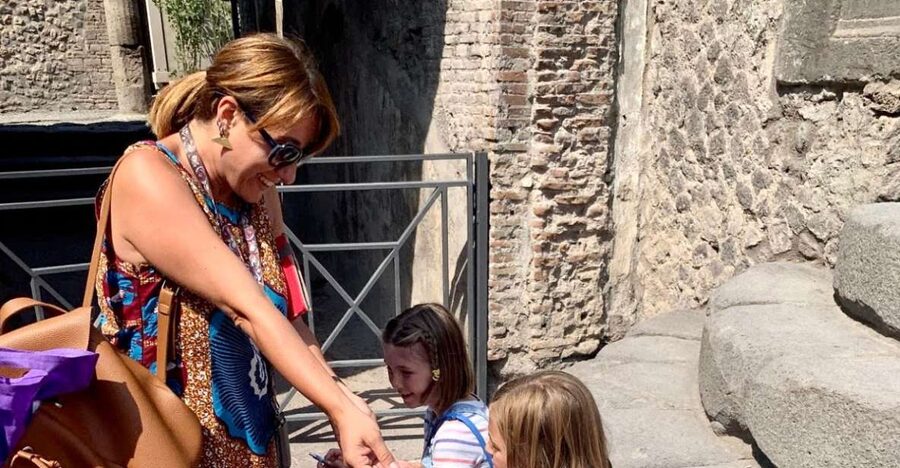
- Kids-first guiding style in English (and Italian), with games and friendly competition to keep attention.
- Interactive tools like pop-up books, iPad games, trivia, and visual learning prompts.
- A focused highlights route in just 2 hours, designed to cover key Pompeii sights without exhausting your crew.
- Small-group feel, with guides who tailor pacing and explanations to the children in front of them.
- Meet and finish near the same starting area, with two option points around Hotel Vittoria or Coffee Shop Vittoria.
Pompeii feels made for kids, if you tell the story right
Pompeii is one of those places where the facts are only half the magic. The bigger win for kids is imagining everyday life in a Roman town, then realizing that a volcano erased it all in a blink. That mix of wonder plus story is exactly what makes a family tour land.
What makes this experience work is the tone. Instead of long explanations, you get a guided walk that frames what you see as cause and effect: people lived here, they built these spaces for daily routines, then Vesuvius erupted in 79 AD and buried the city. Even the big moments like the eruption and why Pompeii was excavated later in the 1700s become understandable when they connect to what your child is looking at right now.
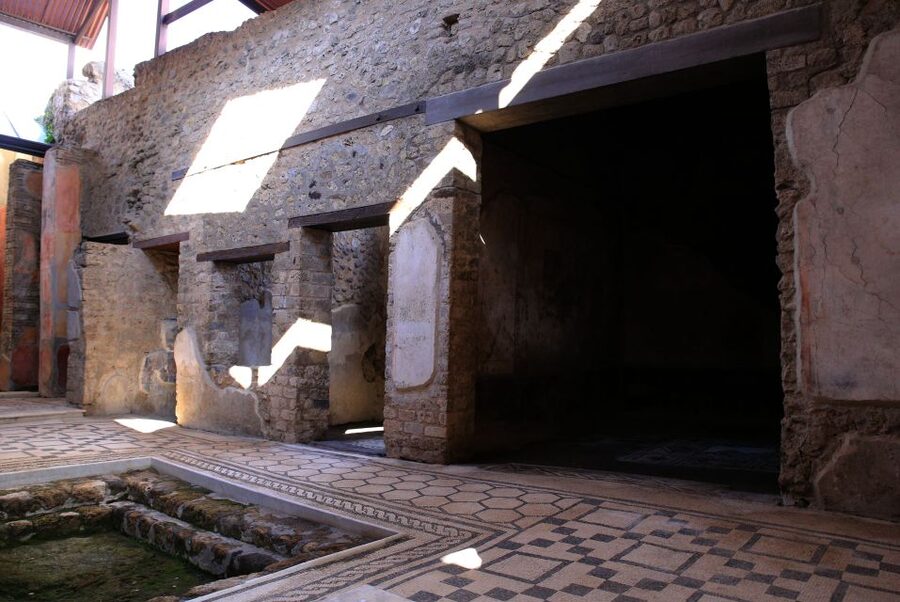
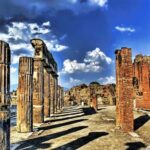
You also get to see Pompeii as a real place, not a classroom. Temples, homes, thermal baths, fountains, and even early restaurants are all part of the story, and the guide keeps steering the group back to what children find interesting: how people ate, how they relaxed, and what the town was like before the ash fell.
More Naples tours, ruins, coast days, and city experiences to compare
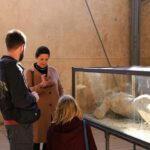
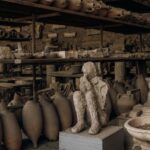
Skip-the-line tickets, what that means in real life
Pompeii can be crowded, and when you have kids, time matters more than you think. The reserved entrance and separate access are a practical win because they reduce the waiting that drains energy and patience.
It is still wise to expect some bustle once you arrive. The site is huge, and other groups will be moving through popular spots. The key difference is that you are not spending your precious 2 hours in a queue, hoping your child does not get bored or cranky.
For me, this is where the tour earns its keep. A self-guided visit can be cheaper, but with kids you usually lose time figuring out what to see and where to go, then you stand in line more. Here, the reserved access helps you start stronger, see more of the highlights route, and keep the momentum going.
Where you start, and how you keep logistics simple
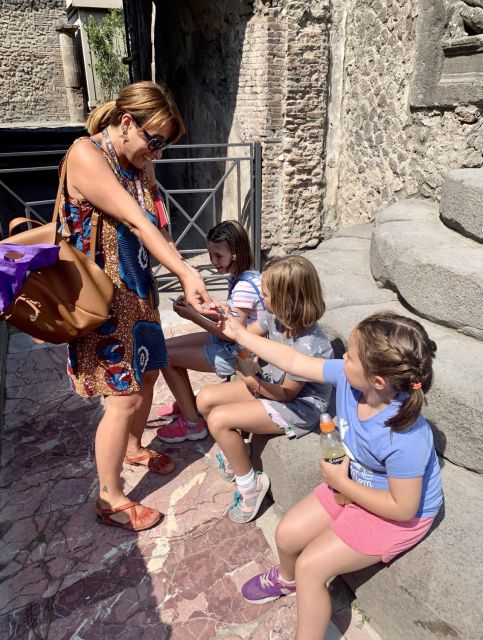
The tour offers two starting options around the Hotel Vittoria area, with a meeting point that may vary depending on what you book. Your options include Hotel Vittoria or the Coffee Shop Vittoria, and you also have drop-off choices at those same spots.
That matters more than it sounds. With children, the hardest part is often transitions, not the attraction itself. Having a clear meeting hub reduces the risk of a wasted morning and helps you get everyone fed, dressed, and ready.
The meeting coordinates are also provided, which is useful if you want to confirm your map view before you walk over. Either way, the setup is designed for families who want a straightforward plan, not a complicated puzzle.
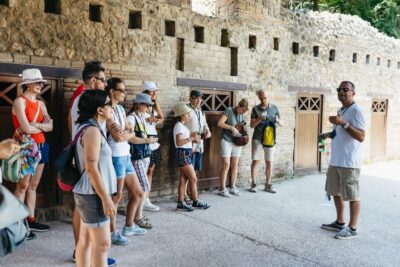
Also note the group size is described as small. Smaller groups usually mean your guide can move at a kid-friendly pace and respond to questions without losing the whole schedule.
Your 2-hour Pompeii highlights route, and what each stop is really for
This tour is built for a highlights visit, with enough structure to see major landmarks and enough flexibility to keep kids engaged. In about 2 hours, you follow the guide through a key slice of Pompeii, focusing on the places that help children understand daily Roman life.
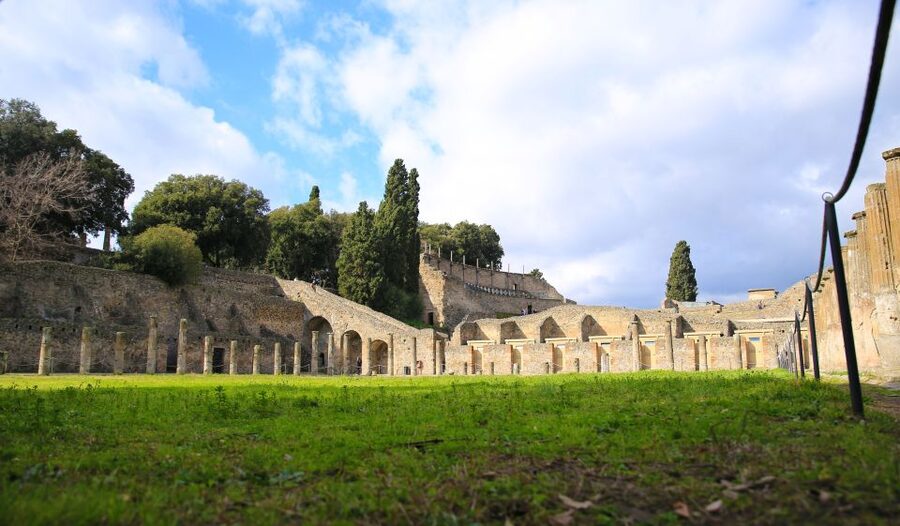
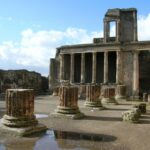
You start by walking up and into the ancient theater area. Climbing those steps gives kids something concrete to do and lets the guide explain how public spaces worked in Roman life, without turning the visit into a textbook.
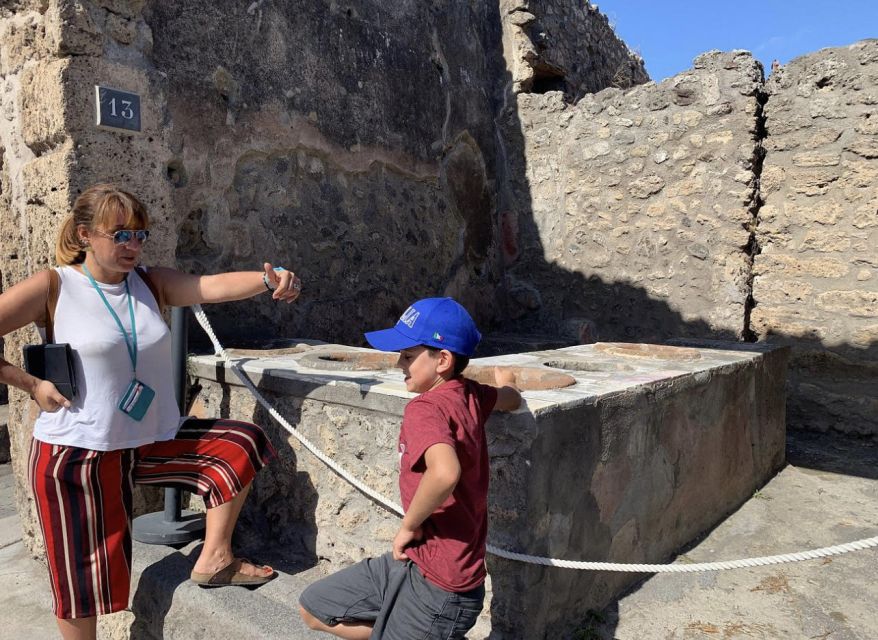
From there, you move through spots tied to ordinary routines. You visit original fountains, and you learn how the city’s water system mattered for everyday living. Then you cross thresholds tied to early restaurants, which helps children connect the town’s layout to human habits like gathering, eating, and hanging out.
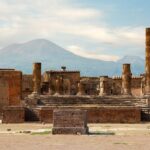
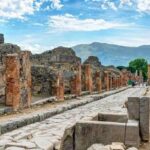
As you continue along the cobbled streets, the guide points out temples and homes. The goal is not just to name buildings, but to help you picture what the space might have felt like before the eruption. You also see thermal baths, which is a huge part of how Romans relaxed and socialized.
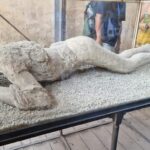
Finally, you get context around the catastrophe and aftermath. You hear how Vesuvius erupted and buried the city in ash and lava, then you learn how excavations in the 18th century revealed what is preserved today. You also cover why Pompeii became a UNESCO World Heritage Site, framed in a way that connects preservation to what children can still see.
The guide’s job: turn facts into play
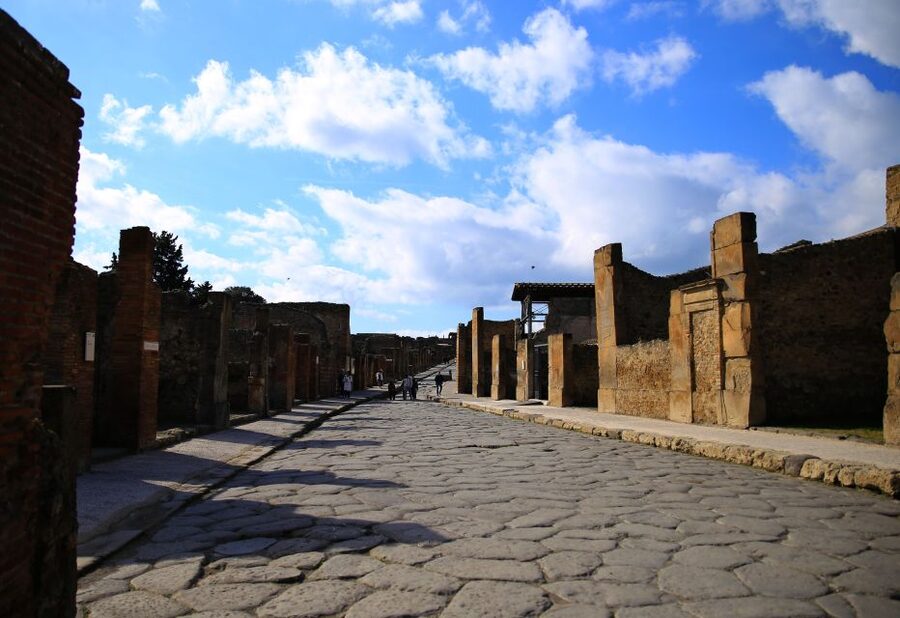
The most praised part of this tour is the way the guide keeps kids involved. That shows up repeatedly in the stories from different families and different ages, which is a good sign you are not relying on one lucky guide day.
You should expect interactive learning tools built into the walk. The guide may use pop-up books, iPad games, trivia, and visual prompts that help children keep track of the bigger story while they explore. Instead of asking for silence and listening, the guide turns attention into participation.
It is also common for guides to use friendly competition. Kids get prompted with challenges, and families describe the experience as lively without feeling chaotic. You may even get small prizes during the tour, which is a smart trick for younger kids and a nice confidence boost for shy ones.
Guides named in family experiences include Lello, Rafaela, Clelia, Vittoria, Mima, Roberta, Paula, and Florenza. I cannot guarantee the guide assignment for your date, but it is clear the provider trains guides to be energetic and patient with kids, including children with lots of questions or extra support needs.


What you see at Pompeii, and why those details matter
Pompeii can overwhelm adults, and it can totally overwhelm kids if you do not have a plan. This tour focuses on the parts that help children build a mental picture of the town.
The everyday-town angle is a big deal. You see homes and community spaces like temples and bath areas, and the guide connects them to routines: where people met, how they cleaned, where they ate, and what public life felt like. For children, that is often more memorable than dates and emperor lists.
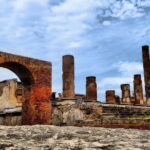
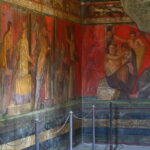
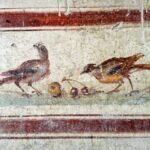
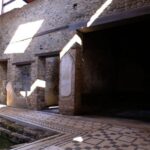
You also get rare examples of intact art and architecture. Those details matter because they help children see that Pompeii was not just ruins, it was a real civilization with real taste and skill. When the guide points out preserved design, your child has something visual to hold onto.
The volcanic story is also handled in layers. You hear about the eruption in 79 AD, then you learn why the ash preserved so much, then you hear how excavators in the 1700s uncovered the city. When those pieces click, Pompeii stops being a pile of stones and becomes a timeline with a reason.
And because this is a family-focused tour, the guide explains in smaller chunks. That pacing is one reason the experience works for mixed ages, including teens who might otherwise tune out.
The practical stuff: shoes, shade, and stamina
This is a 2-hour walking tour. Comfortable shoes are not optional. Pompeii’s terrain includes steps and uneven ground, plus the cobbled streets can be hard on feet even when the route is planned for families.
Bring a sun hat and plan for heat. The tour runs during daylight hours, and the ruins can feel exposed. Families describe that a strong guide will pace stops and keep kids comfortable, and that is exactly what you want here.
A very important limitation: the tour is not suitable for wheelchair users or people with mobility impairments. If you are managing any mobility issues, you should look for a different option.
Also, luggage or large bags are not allowed. If you travel with a lot of items, pack light. For kids, it helps to carry only what you need for comfort and water, since you will not have room to stash bulky bags.
If you are traveling with very young kids, expect the tour to be more about exploration than comprehension. Even when a toddler is not following the story, a good guide can still make the physical experience fun, through pointing, attention cues, and short breaks.
Price and value: what you are really paying for
This tour can cost more than a basic Pompeii entrance ticket plus a generic audio guide. That shows up in family experiences where people call it a pricey option. But the value math usually flips for families.
You are paying for three things that matter when you have limited time and limited attention:
- Reserved access that cuts down waiting.
- A kid-focused guide who chooses what to show and how to explain it.
- Time efficiency in a huge site, delivered in just 2 hours.
If you have older kids who can handle a longer walk, you still might prefer the guide, because the route is curated around the highlights that build understanding fast. If your kids are younger or have shorter attention spans, this type of structure becomes even more valuable.
Think of this tour as buying momentum. In Pompeii, momentum is everything. When you start late, you burn energy. When you spend too long deciding what to see, kids lose the plot. A family tour like this helps you keep the visit feeling like an adventure, not a project.
Who this Pompeii kids tour is best for
This experience is described as welcoming for all ages and all fitness levels, but the site and route still require solid basic mobility. It is best for families who want a structured highlights visit, not a deep archaeology marathon.
It also fits well when your group has mixed ages, because the guide can tune the explanation and pacing. In practical terms, it works for:
- Parents with kids who get bored by long lectures.
- Families with children who need stories and activities to stay engaged.
- Mixed-age groups where adults want context but kids need something fun to do.
If someone in your group needs wheelchair access, this is not the right match. If your family travels with big luggage, also plan ahead because large bags are not allowed.
When to go and how to plan around lines
The big scheduling note is the first Sunday of each month. Entrance is free on that day, but tickets cannot be reserved ahead of time, so entry is not guaranteed. For families, that uncertainty can be stressful, especially if you have a tight travel plan.
If you want the smoother experience, aim for a day when you can rely on reserved access. You still get crowds in Pompeii, but your tour timing and separate entrance help you keep things moving.
No matter when you go, arrive prepared to start walking promptly. Even with skip-the-line tickets, Pompeii is not a sit-down attraction. It is a walk-and-look place, so do the prep: shoes, hat, and water in a small bag you can carry.
Should you book this Pompeii kids and families tour?
Book it if your top goal is a Pompeii visit that actually feels doable with children. The reserved entrance, the kid-centered guide style, and the interactive tools all point to the same thing: this tour is designed to turn Pompeii into a story your child can follow.
Skip it if your group cannot handle walking on steps and uneven ground, since it is not suitable for wheelchair users or people with mobility impairments. Also skip if you want a free-form self-guided stroll with no structure at all, because this tour is intentionally guided and highlights-focused.
If you are balancing adult curiosity with child attention spans, I would lean toward booking. It is the kind of tour that helps you leave Pompeii with more than photos, you leave with a clear picture of what daily life in 79 AD looked like, and why its sudden end still fascinates people today.
FAQ
How long is the Pompeii skip-the-line kids tour?
The tour lasts 2 hours.
Where do we meet for the tour?
The meeting point may vary depending on the option booked. Two options listed are Hotel Vittoria and Coffee Shop Vittoria.
Does this tour include skip-the-line entry?
Yes. It includes skip-the-line access through a separate entrance with reserved entrance tickets.
What languages is the guide available in?
The live guide is available in English and Italian.
Is this tour suitable for wheelchair users?
No, it is not suitable for wheelchair users or people with mobility impairments.
What should we bring for the tour?
Bring comfortable shoes, a sun hat, and a passport or ID card for children.
Are luggage or large bags allowed?
No, luggage or large bags are not allowed.
Are unaccompanied minors allowed?
No. Unaccompanied minors are not allowed.
Do children need to be accompanied by an adult?
Yes. Children under 18 must be accompanied by an adult.
What happens on the first Sunday of the month?
Entrance is free on the first Sunday of each month, but as tickets cannot be reserved ahead of time, entry is not guaranteed.
More Skip the Line in Pompeii Archaeological Site
More Tours in Pompeii Archaeological Site

More Tour Reviews in Pompeii Archaeological Site
Not for you? Here's more nearby things to do in Pompeii Archaeological Site we have reviewed

Tour Reviews, compared.
 ★ 4.8Pompeii: Entry Ticket and Guided Tour with an ArchaeologistFrom $3519,459 reviews
 ★ 4.2Pompeii: Entry Ticket with Optional Audio GuideFrom $2612,360 reviews
 ★ 4.8Pompeii: Small Group Tour with an ArchaeologistFrom $4012,264 reviews
 ★ 4.3Pompeii Ruins & Mount Vesuvius Day TourFrom $12011,459 reviews
 ★ 4.6Sorrento, Positano and Amalfi Full-Day TourFrom $10710,988 reviews
 ★ 5.0Sorrento, Positano & Amalfi Coast – Small Group TourFrom $768,643 reviews
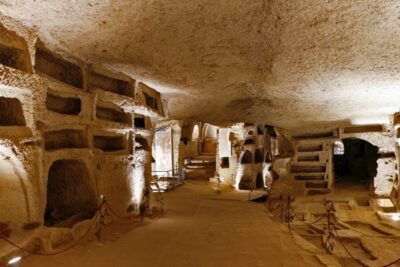 ★ 4.6Catacombs of San Gennaro Entry Ticket & Guided TourFrom $157,941 reviews
★ 5.0Pompeii Small Group Tour with an ArchaeologistFrom $356,593 reviews
★ 4.6Catacombs of San Gennaro Entry Ticket & Guided TourFrom $157,941 reviews
★ 5.0Pompeii Small Group Tour with an ArchaeologistFrom $356,593 reviews
Browse the lists this tour appears in