
Tour review · TOUR REVIEWS
Cooking Lesson: Neapolitan pasta homemade
Naples smells like flour and good decisions. This Neapolitan pasta cooking lesson in the historic center teaches you to shape fresh egg pasta the old way, then you sit down and eat what you made. I love the hands-on rhythm, from kneading to rolling, and I also love that the chef teaches you why quality ingredients matter, including Vesuvio tomatoes and homemade bread. One drawback: it is not suitable for people with gluten intolerance.
You get a true “work group” experience, not a quick demo. The class includes tools and aprons, a chef-led meal with two pasta dishes, and even a chef diploma to take home. I think the biggest consideration for your planning is timing, it is only 2 hours, so you’ll want to arrive ready to work with your hands.
Key things I’d circle on your Naples pasta lesson checklist
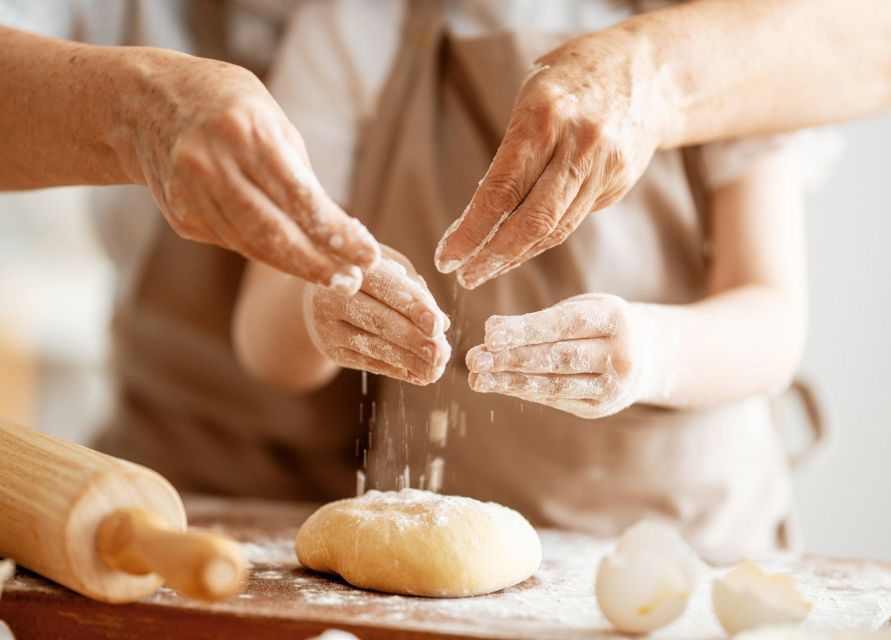
- Hand-rolled pasta only: rolling pin, no pasta machine, so you learn technique you can actually repeat later
- Ravioli and fettuccine focus: plus a teach-in on tagliolini and pappardelle shapes
- Ingredient tasting built in: organic tomato from Vesuvio and homemade bread so you connect food to place
- Two sauces, two final plates: tagliatelle with Neapolitan sauce and ravioli al ragu
- Chef Amos style: friendly teaching, clear explanations, and a fun group pace
Neapolitan pasta made by hand in Naples historical center
This lesson takes place in Naples, Campania, right in the historical center. Your meeting point is at the NAPLES COOKING LAB on Spaccanapoli, one of those streets where you can walk out the door and immediately feel you are in real Naples, not a theme park version.
There is also a backup location. Sometimes the course moves to Pizzeria Mammina in the Galleria Umberto I, and you are informed in advance if that happens. Either way, you start near central Naples sights, which is handy if you are building a tight day plan.
A small but useful detail: you skip the line through a separate entrance. That matters in crowded old towns. You want to start cooking, not waiting.
Price-wise, this is positioned as a guided, chef-led food experience, not a casual cooking demo. For $92 per person for a two-hour session, the value depends on whether you want hands-on technique and a meal included. If you just want to watch someone else cook, there are cheaper ways to eat well in Naples. If you want to learn the actual how-to, this format makes sense.
You can also read our reviews of more cooking classes in Naples

What you actually learn in 2 hours: ravioli, fettuccine, and shapes
The flow is designed to get you past the blank-page panic and into real pasta-making confidence quickly.
First, the chef explains differences between pasta types. You don’t just learn shapes for fun. You get a practical sense of how egg dough behaves, why certain cuts work better for certain textures, and why Naples cooking leans into simple ingredients treated with care.
Then you make egg pasta based on a family recipe. The lesson includes a description of the dough ingredients, and it also references a dough style from the 1800s. The key idea here is rest time, while the dough rests, you shift gears from kneading to tasting and learning about what goes into the filling and sauces later.
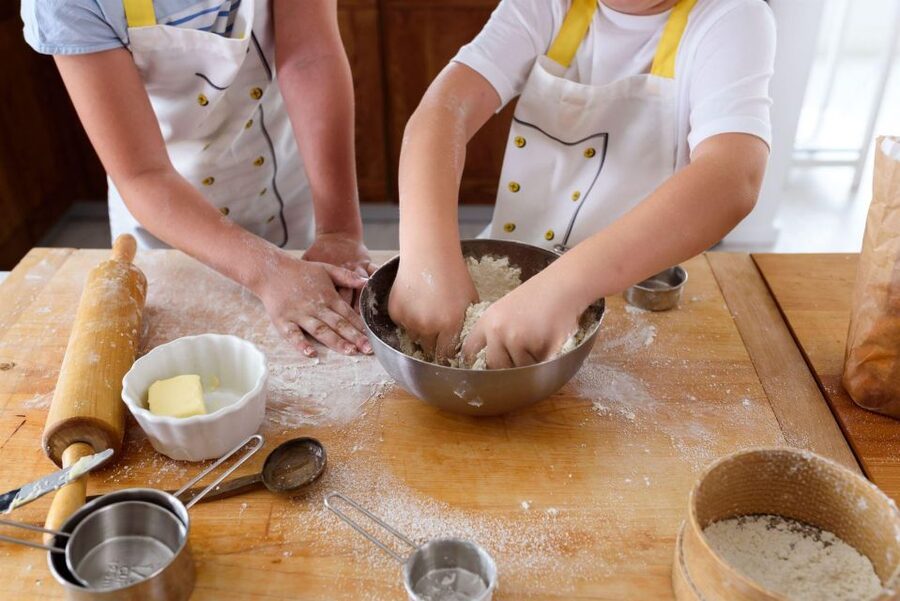
When it is time to work the dough, this class uses traditional technique. You roll it out with a rolling pin, and the instruction specifically says there is no machinery. If you have ever struggled to get dough even, you’ll probably appreciate this approach because you learn how to control thickness by hand, not by machine settings.
Next comes shaping and cutting:
- You make fettuccine and ravioli directly in the class.
- The chef also shows how to prepare tagliolini and pappardelle, even if you do not finish every single shape as part of your final cook.
For ravioli, the filling is mixed with ingredients provided during the lesson. Then you assemble and cook. You do the parts that matter: mixing, filling, shaping, and then the final cooking steps.
Finally, the pasta is cooked in water. After that, you season it with two different sauces. Your meal is not just one plain plate. You get the real Naples duo: what you made lands on your table with a proper sauce pairing.
The ingredient tasting that makes Vesuvio tomatoes matter
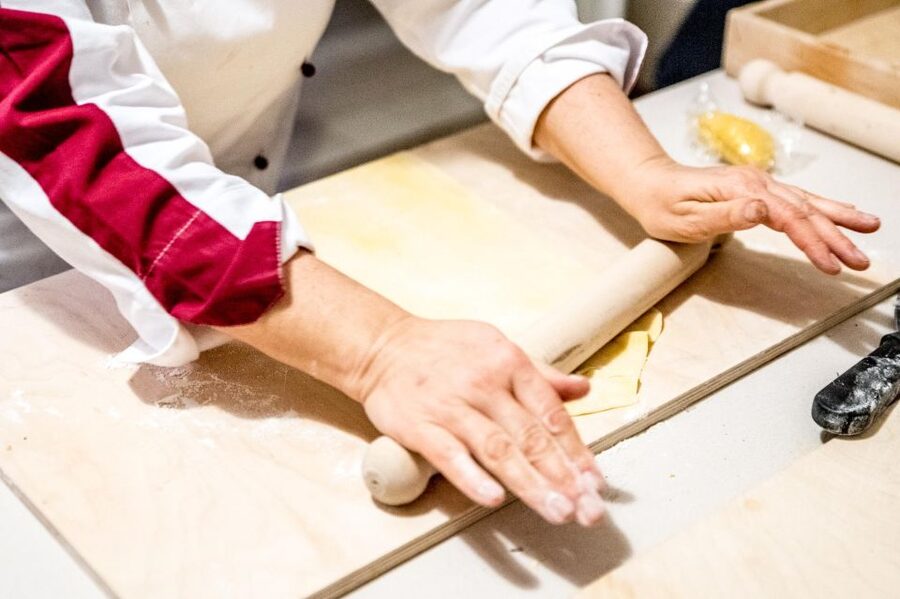
One reason I like this class is that it does not treat ingredients like background props. While the dough rests, you taste a local starter and then you get to try organic tomato from Vesuvio and homemade bread.
That timing is smart. You are already standing in the middle of dough and egg and flour. When you taste the tomato and bread during that break, it connects the lesson to the flavor logic. You start understanding that Neapolitan pasta is not about heavy spice or complicated techniques. It is about ingredient quality and restraint, then letting cooking bring it together.
If you care about food beyond the recipe card, this built-in tasting is more valuable than it sounds. Tomatoes can taste flat, watery, or bright depending on how they are grown and handled. Vesuvio tomatoes are mentioned as a highlight for a reason. It gives you something to calibrate your palate while you are still in learning mode.
You also get a local appetizer as part of the included meal. So even before you sit down to your own pasta, you are eating Naples style.
Rolling pin technique: no pasta machine, real control
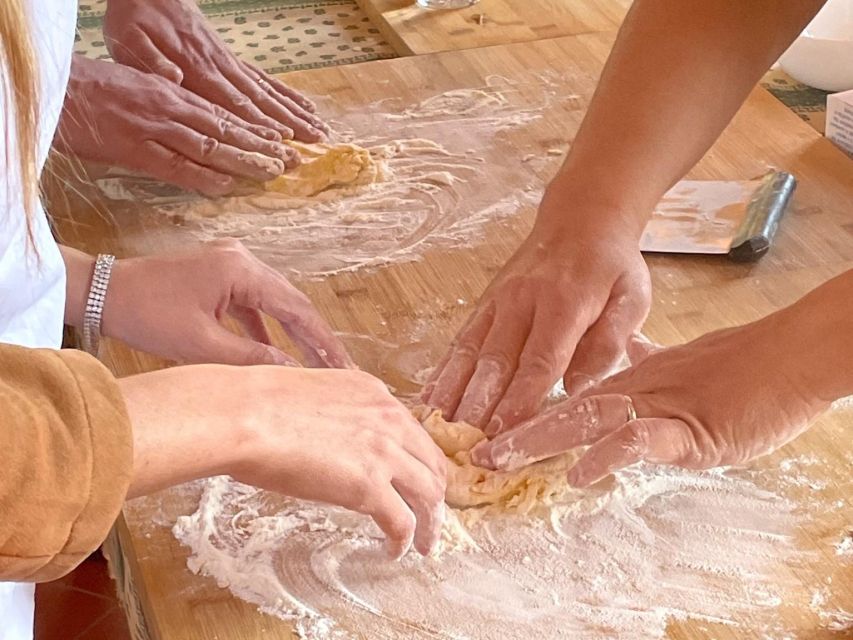
Hand-rolling pasta sounds romantic until you realize your dough might stick, tear, or turn uneven. That is exactly why I think this class is a good idea. You learn the technique under guidance, instead of trying at home with guesswork.
The chef teaches traditional methods that were taught by grandmothers, and the lesson explicitly points out techniques that can get lost over time. The message is simple: pasta is not just a dish, it is a skill set.
Practical things you’ll likely take away:
- How to handle dough while it rests, so it becomes workable
- How to roll toward even thickness, so cutting looks clean and cooks evenly
- How to avoid overhandling, because dough changes once it is worked
One reason the experience lands well in real life is the final result. If the pasta turns out delicious, it feels worth the effort. The teaching style matters, and in this class you get English, Italian, French, or Spanish instruction, so you can follow along even if your Italian is still in progress.
And yes, it is social. You eat together with your work group. It is not a silent craft workshop. It is a meal-centered class that ends with everyone sitting down.
Your two final plates: Neapolitan sauce and ravioli al ragu
After cooking, you get to eat what you made. The included dinner or lunch includes fettuccine and ravioli as part of the meal, and then the final pairing is described as:
- Tagliatelle with Neapolitan sauce
- Ravioli al ragu
That pairing is a nice way to understand Naples comfort food in one sitting. Neapolitan sauce tends to lean into tomato and simplicity, while ragu brings a heavier, slower-cooked depth. Together, they help you see how the same fresh egg dough can shine with different sauce styles.
You also get an alcoholic or non-alcoholic drink included with the meal. That is one less decision to make at the end of your cooking session, and it helps the whole thing feel like a proper food experience rather than a “class only” transaction.
One small planning thought: because you are cooking and eating during the same two hours, you may feel pleasantly tired afterward. This is not the kind of activity you schedule right before something intense. I’d put it earlier in your day or pair it with a relaxed stroll after.
More Naples tours, ruins, coast days, and city experiences to compare
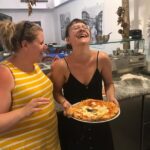
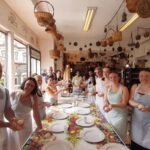
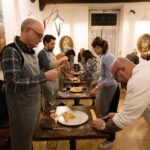
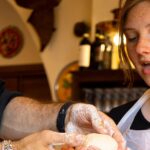
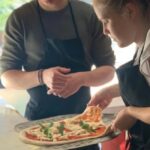
Chef Amos, clear teaching, and the chef diploma
The standout teaching vibe here is hands-on and friendly. One of the most praised details from past participants is that Chef Amos is kind and takes the time to explain things throughout the activity.
That matters more than it sounds. Pasta-making is physical. If you lose confidence mid-roll, the whole session can feel stressful. A patient chef keeps you moving, and the lesson design helps too, because it breaks the work into clear phases: dough, rest, rolling, cutting and shaping, filling, cooking, then sauces and eating.
Another included touch I really appreciate: you receive a chef diploma. It is fun, but it also signals that the experience is meant to feel like a real skill you practiced, not a quick tourist stop.
You’ll also get kitchen tools and aprons included. That makes life easy when you are traveling. You can show up in regular clothes and focus on learning without worrying about what to bring.
Price and value: is $92 per person a fair deal?
At $92 per person, you’re paying for a package: the lesson plus your meal plus tasting components. Here is what is included:
- Kitchen tools and aprons
- Lesson with the chef
- Dinner or lunch with fettuccine and ravioli
- Local appetizer
- An alcoholic or non-alcoholic drink
- Chef diploma
So you are not just buying instruction. You’re buying a guided food-and-technique experience that ends with eating two pasta-style dishes. In most cities, that meal value alone would likely cost a decent chunk of money, especially in central areas. Add the hands-on cooking skill and the chef teaching, and the price starts to look more reasonable.
Where the value might not fit:
- If you already know how to make pasta and want a long advanced session, two hours may feel short
- If you have gluten intolerance, this is not suitable, so the value question becomes moot
- If you only want to eat and not cook, you can likely find cheaper meal-only options
For the right traveler, though, I’d call it good value because you leave with real technique, plus the satisfaction of your own finished pasta on your plate.
Who should book this Naples pasta lesson?
This is best for people who want to do something with their hands and eat what they make. It suits:
- First-time pasta makers who want guided step-by-step help
- Food lovers who want Naples flavors explained through ingredients, like Vesuvio tomatoes
- Groups that like a social meal format, since you eat together with your work group
- Travelers who prefer traditional methods, especially the no-machine rolling pin style
It is also language-friendly. You can learn in English, Italian, French, or Spanish, which makes a big difference when cooking terms matter.
And a clear limitation: it is not suitable for people with gluten intolerance.
One more practical note. The lesson can be held at two locations. If you are mapping your day, make sure you plan around Naples central streets, because either Spaccanapoli or Galleria Umberto I keeps you in the thick of it.
Should you book this Neapolitan Cooking Pasta Lesson in Naples?
Book it if you want a Naples experience that is more than eating, you want to learn technique and then immediately use it. The combination of hand-rolled pasta, tastings, and a proper sit-down meal with tagliatelle and ravioli al ragu makes it feel like you get both sides of the coin: skills and flavor.
Don’t book it if:
- You need a gluten-free version, because this one is not suitable for gluten intolerance
- You only want a quick photo stop or a passive cooking show
- You are short on time and can’t fit a focused two-hour block
If you’re the type who enjoys cooking as a souvenir, not just a memory, this class is a strong choice.
FAQ
Where is the meeting point for the Neapolitan pasta cooking lesson?
The meeting point is at NAPLES COOKING LAB on Spaccanapoli street in the heart of Naples historical centre.
Can the course location change during the booking?
Yes. Sometimes it is held at PIZZERIA MAMMINA in Galleria Umberto I. You will be informed in advance if the change happens.
How long is the cooking lesson?
The duration is 2 hours.
How much does the experience cost?
The price is $92 per person.
What will I make during the lesson?
You learn to make homemade ravioli and fettuccine. The chef also shows you how to prepare tagliolini and pappardelle.
What is included in the price?
Kitchen tools, aprons, a lesson with the chef, lunch or dinner with fettuccine and ravioli, a local appetizer, and one alcoholic or non-alcoholic drink are included. A chef diploma is also included.
Is there an included drink with the meal?
Yes. An alcoholic or non-alcoholic drink is included.
What languages are the instructors available in?
The instructor can teach in English, Italian, French, and Spanish.
Is the lesson suitable for gluten intolerance?
No. It is not suitable for people with gluten intolerance.
More Workshops & Classes in Naples
More Cooking Classes in Naples
More Tour Reviews in Naples

Not for you? Here's more nearby things to do in Naples we have reviewed




Tour Reviews, compared.
 ★ 4.8Pompeii: Entry Ticket and Guided Tour with an ArchaeologistFrom $3519,459 reviews
 ★ 4.2Pompeii: Entry Ticket with Optional Audio GuideFrom $2612,360 reviews
 ★ 4.8Pompeii: Small Group Tour with an ArchaeologistFrom $4012,264 reviews
 ★ 4.3Pompeii Ruins & Mount Vesuvius Day TourFrom $12011,459 reviews
 ★ 4.6Sorrento, Positano and Amalfi Full-Day TourFrom $10710,988 reviews
 ★ 5.0Sorrento, Positano & Amalfi Coast – Small Group TourFrom $768,643 reviews
 ★ 4.6Catacombs of San Gennaro Entry Ticket & Guided TourFrom $157,941 reviews
★ 5.0Pompeii Small Group Tour with an ArchaeologistFrom $356,593 reviews
★ 4.6Catacombs of San Gennaro Entry Ticket & Guided TourFrom $157,941 reviews
★ 5.0Pompeii Small Group Tour with an ArchaeologistFrom $356,593 reviews
Browse the lists this tour appears in