
Tour review · TOUR REVIEWS
Late Afternoon Best time to visit Pompei on a private tour
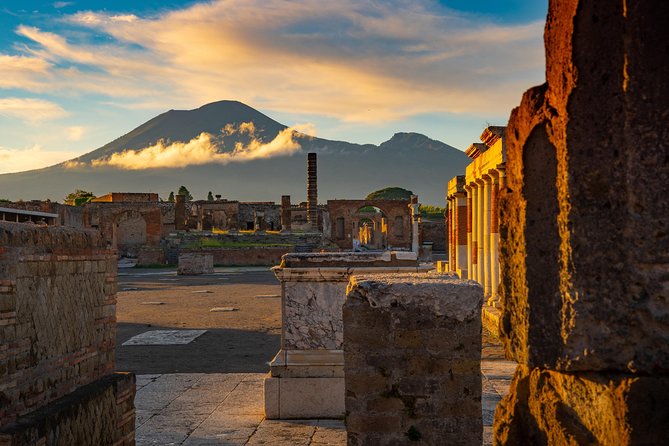
Sunset makes Pompeii feel personal. This late-afternoon private tour lets you see one of Italy’s top archaeology stops without doing the early-morning scramble, and you get a guide to connect the dots between everyday life and the AD 79 eruption. You’ll walk the cobblestone streets with a private licensed guide, hitting key highlights as the light turns warm and the crowds thin.
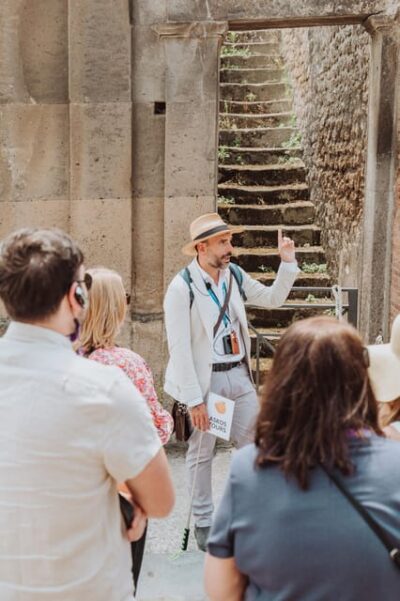
What I love most is how fast the tour moves, but never at the cost of clarity. Alex, the guide behind many glowing reviews, tells the story of Pompeii in a way that makes the site easier to understand, and he’s also quick to answer questions when you want to slow down. The second big win is the route choices: you start at Porta Marina (the sea gate) and work through the forum, baths, theatres, and major houses in a tight 2-hour loop.
One consideration: the advertised price is for the private guide, not the site entry. The entrance ticket is extra (Euro 18 for adults, free under 18), and the tour requires good weather since it may be rescheduled if conditions are poor.
Key things I’d plan around before you go
- Late-afternoon timing helps you avoid the worst heat and some of the biggest crowd pressure
- Alex’s storytelling and patience show up again and again in the guide feedback
- Porta Marina start gives you a strong arrival point and sets up the eruption story early
- A smart mix of sights pairs big public spaces with houses, baths, theatres, and food stops
- Plaster casts at the Orto dei Fuggiaschi deliver an emotional, reality-check moment
- Mobile ticket means less fuss the day of
Why late afternoon changes Pompeii (heat, crowds, and mood)
Pompeii is famous for a reason, but it can also be a slog in mid-day sun. This tour’s late timing matters because it helps you tour when your energy is higher and the site feels less exhausting. In the late hours, you tend to get more comfortable walking temperatures, and the ancient stone takes on that golden look people chase with cameras.
The other quiet advantage is the flow. Even when Pompeii is busy, late-afternoon sessions often mean you can spend more time actually looking, instead of constantly stepping aside to let people stream past. A private guide also keeps you moving in a sensible rhythm, so you’re not wasting time “figuring things out” on your own.
You can also read our reviews of more private tours in Pompeii

Getting oriented at the meeting point (and what “private” really delivers)
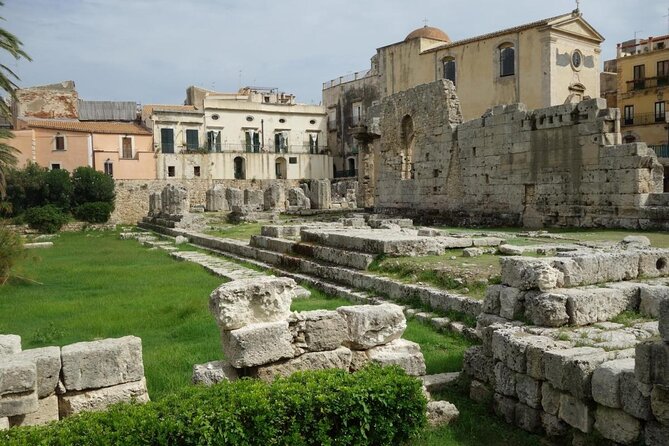
You meet at Via Villa dei Misteri, 2, 80045 Pompei NA, Italy, and the tour ends back at the same meeting point. That sounds basic, but in Pompeii it’s a big deal. Fewer logistics mean less time lost and more time watching real artifacts instead of tracing directions.
This is a true private experience. Only your group participates, so you can ask questions when they pop up and you’re not stuck waiting for a large group schedule. That flexibility is exactly what makes the late-afternoon format work well. If someone in your group is slower, the tour can still keep its quality because your guide can adjust on the spot.
Porta Marina: where the eruption story starts and your first major sights land
The visit begins at Porta Marina, the sea gate. Starting here gives you a sense of Pompeii’s geography and trade connections before you jump into the famous public spaces. Your guide opens with the dynamics of the AD 79 eruption and background on the ancient city, so the rest of the walk feels less like a checklist and more like a cause-and-effect story.
From there, you hit an impressive first cluster of highlights. The stops you’re likely to see include:
- The Forum, the main square and center of political, economic, religious, and social life
- Plaster casts, preserving people in the last moments of life
- An ancient public baths area
- A rich house chosen based on crowds, opening rotation, or your specific request
- Shops and workshops, plus the water system
- The theatre
A practical note: time inside Pompeii is precious, and Pompeii is spread out. This tour’s advantage is that it prioritizes big interpretive points early, especially the eruption framing. If you’ve only got a couple of hours and you want the most understandable highlights, this start point helps you get there fast.
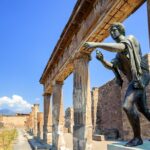
The Forum and Temple of Apollo: public power, myth, and quick context
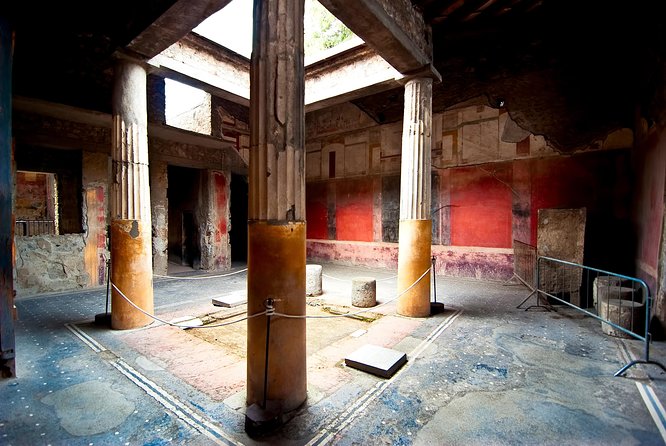
The Forum stop gives you the main square in focus, so you can picture how Pompeii worked as a living city, not just a preserved ruin. In a private format, you can actually connect the dots between roles, routines, and what you’re seeing in front of you. It’s easier to understand why this space mattered when your guide explains it as you walk through it.
Then you shift into mythology with the Temple of Apollo. Even if you’re not a classics person, Apollo is a key symbol in ancient civic religious life. This is one of those stops where the guide’s job is to translate stonework into meaning, and the tour structure gives you just enough time to get the idea without dragging you around for hours.
Stabian Baths and Teatro Grande: Roman daily life in one tight loop
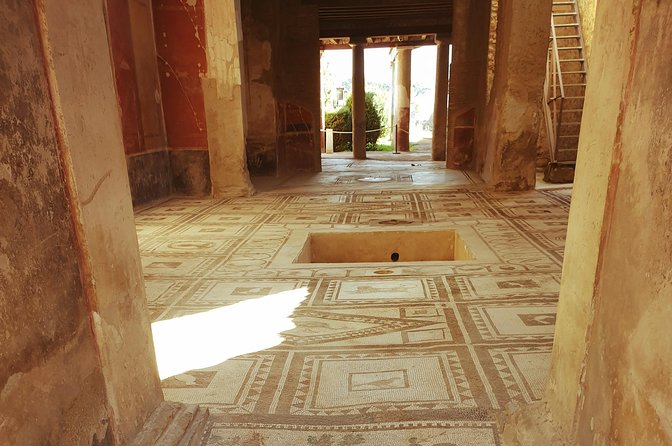
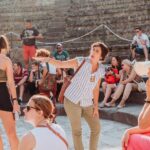
Two of the most atmospheric stops are the baths and the theatres. First up is the Stabian Baths (Terme Stabiane). Roman baths were about more than washing, they were social hubs with routines people built their day around. With a private guide, you’re not just looking at walls, you’re learning what kind of place this was in real life.
Next comes the Teatro Grande, the Greek theatre. This pairing works well because it covers both public entertainment and social rhythm. You also get a change of pace. Baths have a different feel than a theatre, and moving between them keeps the tour from becoming repetitive.
One drawback of a 2-hour private tour, though, is that it’s not a “slow museum day.” You’ll see standout sections, but you won’t have unlimited wandering time. If you love detail like floor plans and every inscription, you might wish you had a longer visit. For most people, the focused format is exactly the point.
Casa del Menandro, a 2,000-year-old bakery, and street food stops that feel real
This tour doesn’t only chase famous big names. It also brings you into the everyday world of Pompeii.
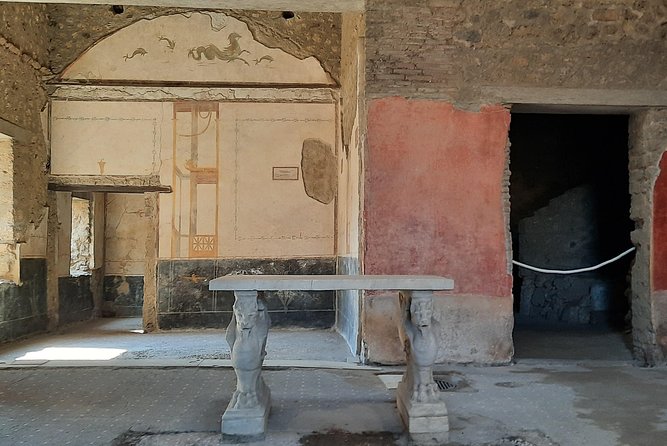
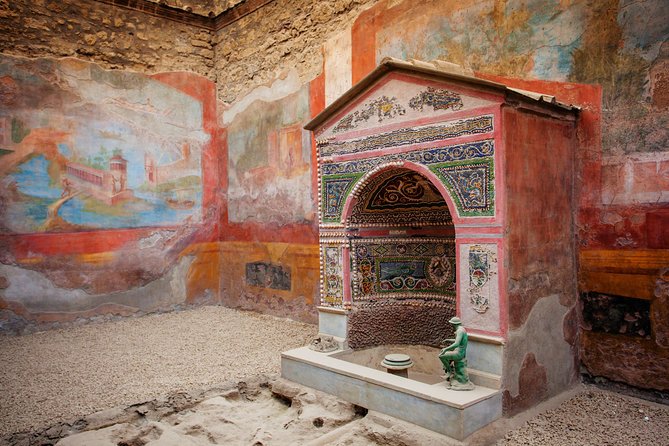
Casa del Menandro (the House of Menander) is the rich domus stop, with fresco paintings and mosaics. This kind of home helps you understand how wealth expressed itself through art and design, and it’s one of the better places for a guide to explain how spaces were used. You’ll get a clearer sense of what residents valued, beyond imagining it.
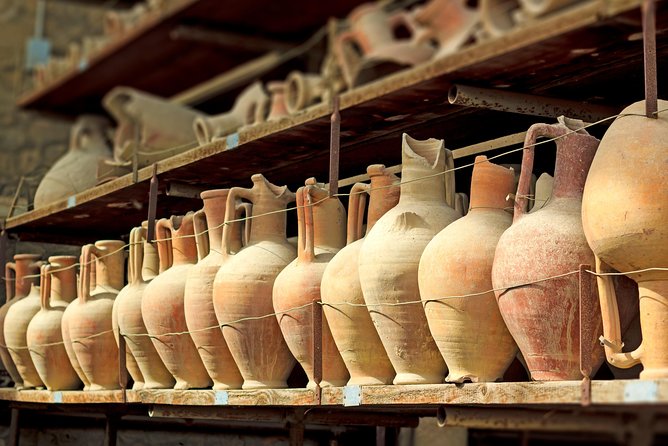
Then you step into food culture at the Panificio di Popidio Prisco, described as a bakery with oven and mills dating back around 2,000 years. That’s an unforgettable shift from architecture to function. It’s hard to forget the idea that people made bread here long before modern kitchens existed.
You also get a street food stop at the Termopolio di Vetuzio Placido, an ancient place for quick bites. Again, this isn’t a random add-on. It’s part of Pompeii’s power: you can stand in a location tied to daily eating and suddenly the city feels less like a time capsule.
If you’re traveling with kids or teenagers, these food-focused stops tend to land well. They’re visual, concrete, and easy to ask questions about.
Orto dei Fuggiaschi: the emotional stop you should leave space for
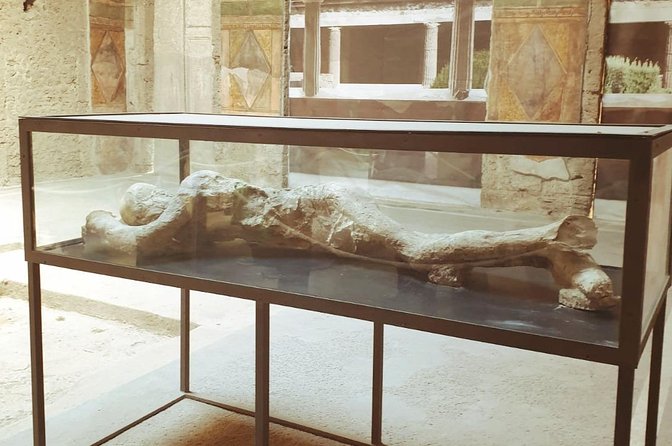
The Orto dei Fuggiaschi stop is the plaster casts area, tied to the victims of the eruption. This is the moment where Pompeii becomes more than history. Even if you’ve read about AD 79 before, seeing these casts in person hits differently because you’re not just learning, you’re confronting a human end.
I recommend treating this stop as a breathing space. Let yourself look without rushing to the next site. A private guide helps here, because you can ask questions at your own pace. Reviews for this tour strongly lean on the idea that Alex makes people feel involved and connected, which matters a lot at emotional stops like this.
Pacing and how Alex’s style affects your whole visit
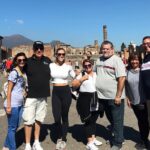
The best praise for this tour centers on the guide experience, and the name that comes up is Alex. What stands out is a combination: he’s quick moving when it counts, but he still stops to explain when you need it, or when you ask. That pacing is what makes a 2-hour tour feel worth it instead of rushed.
In feedback, you’ll also see mentions of patience with slower groups, and a sense that everyone gets included. That’s not just a nice personality trait. In Pompeii, it means you can ask the question that’s on your mind without derailing the whole day.
If your group includes a wide range of ages, this style helps. One review referenced Alex bringing Pompeii to life for a 9-year-old, which tells you he can translate the site for younger minds while still keeping the adults interested.
Tip for you: come with 1 or 2 questions you’ve been wondering about, like what people did for work, how daily routines worked, or what daily life looked like before the eruption. Your guide can build those answers into the route, and you’ll leave with more than photos.
Price and value: what $249 gets you, and what costs extra
At $249, this tour is priced for a private guide experience for about 2 hours. The big value is that you’re paying for interpretation, not just access. Pompeii can be impressive without guidance, but it can also feel like lots of stones and plaques. A good guide turns it into a connected story.
What you should factor in is the entrance ticket, which is not included. The ticket is Euro 18 for adults, free under 18. So, your true out-the-door cost becomes the guide price plus the site entry for the adults in your group.
The upside is you’re not paying extra for a long tour schedule. You’re paying for focus. If you only have a short window and want the major highlights with context, this format is often a smart use of time.
On request, the guide can also buy skip-the-line tickets. If you’re the type who hates waiting in any line, ask ahead so you can reduce day-of friction.
What to wear and when to go for comfort (late-afternoon realities)
Even with a late start, Pompeii is still outdoors. Wear comfortable walking shoes you can trust on stone and cobbles. Bring sun protection too, because “late afternoon” does not mean “cool all the way.” Light layers help, since evenings can feel cooler as the air shifts.
If weather looks iffy, treat the forecast seriously. This tour requires good weather, and if it’s canceled due to poor conditions, you’ll be offered a different date or a full refund. A stormy day can mean a different plan, so build flexibility into your Pompeii day.
Should you book this late-afternoon Pompeii private tour?
Yes, if your main goal is to see the best of Pompeii with context, without spending your day in lines or in peak heat. The private format, the structured highlights, and Alex’s guide style are exactly the ingredients you want for a short but meaningful visit.
This tour is especially worth it if:
- You have limited time and want a smart hit list of major sights
- You want less crowd stress and a more comfortable walking window
- You’d rather learn the story in real time instead of reading alone from signs
Skip it, or consider another option, if:
- You’re expecting a long, slow, every-corner exploration
- You need guaranteed operation regardless of weather, since good conditions are required
If you’re trying to get Pompeii right in one afternoon, late day plus a great private guide is a very strong combo.
More Private Tours in Pompeii


More Tours in Pompeii


More Tour Reviews in Pompeii

Not for you? Here's more nearby things to do in Pompeii we have reviewed






Tour Reviews, compared.
 ★ 4.8Pompeii: Entry Ticket and Guided Tour with an ArchaeologistFrom $3519,459 reviews
 ★ 4.2Pompeii: Entry Ticket with Optional Audio GuideFrom $2612,360 reviews
 ★ 4.8Pompeii: Small Group Tour with an ArchaeologistFrom $4012,264 reviews
 ★ 4.3Pompeii Ruins & Mount Vesuvius Day TourFrom $12011,459 reviews
 ★ 4.6Sorrento, Positano and Amalfi Full-Day TourFrom $10710,988 reviews
 ★ 5.0Sorrento, Positano & Amalfi Coast – Small Group TourFrom $768,643 reviews
 ★ 4.6Catacombs of San Gennaro Entry Ticket & Guided TourFrom $157,941 reviews
★ 5.0Pompeii Small Group Tour with an ArchaeologistFrom $356,593 reviews
★ 4.6Catacombs of San Gennaro Entry Ticket & Guided TourFrom $157,941 reviews
★ 5.0Pompeii Small Group Tour with an ArchaeologistFrom $356,593 reviews