
Tour review · TOUR REVIEWS
Guided tour of Pompeii with a local guide
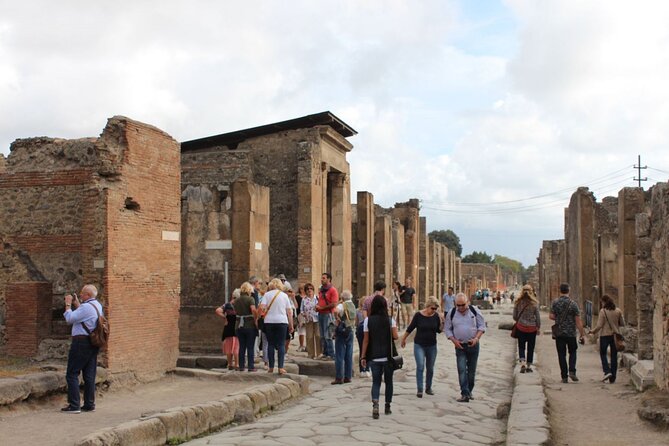
Pompeii comes alive with a good guide. In about 2 hours, you get professional, passionate guiding and you walk among preserved frescoes and cobbled streets that are easier to understand when someone explains what you’re actually looking at. One thing to plan for, the Pompeii admission ticket is not included, so you’ll pay the €19 park entry separately.
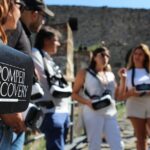
I like that this is a small-group pace, max 20 people. I also like that the tour leaves you with a mental map of the city, not just a pile of names. You will need moderate physical fitness, because you’re moving through archaeological paths and streets.
You start at Piazza Esedra in Pompei, and it runs from 2:30 pm and ends back at the same meeting point. If you want to linger after the guide leaves, you can visit the site independently. With a price of $36.28 plus admission, it can be a solid deal if you’re the type who wants context, not just photos.
Quick Hits That Matter in Pompeii
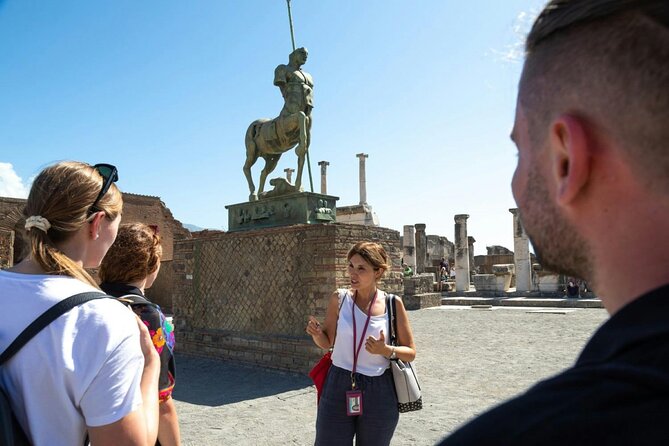
- A local guide who keeps the stories straight (expect clear, organized explanations that make the ruins feel like lived-in space).
- Frescoes and daily-life details, not just big monuments (you’ll connect art and street layout to everyday routines).
- Small group size, max 20 (more chances to ask questions than on the biggest buses).
- You get a head start, then freedom (after the guided portion, you can continue exploring on your own).
- Admission is extra (budget €19 per person for entry to the Archaeological Park of Pompeii).
How the 2-Hour Pompeii Walk Really Feels
This tour is built for a common reality in Pompeii: the site is huge, and it can be confusing without help. In roughly 2 hours, your guide turns the main streets and key building types into a story you can follow. You’re not just looking at stones, you’re learning what those spaces likely meant for the people who lived there.
The best part is the pacing. You move through ancient lanes and public spaces while your guide connects the dots, social habits, unusual curiosities, and the scale of what happened. That matters because Pompeii is full of details, and a guide helps you decide what to notice first.
Also, the tour is in English and uses a mobile ticket. That means less time messing around with printouts and more time getting inside.
You can also read our reviews of more guided tours in Pompeii


Piazza Esedra Meeting Point, and the Meeting-Point Reality

Meet at Piazza Esedra, 80045 Pompei NA, and the tour ends back at the same spot. That round-trip setup is helpful because you’re not stuck trying to figure out where to go next when you’re done.
Here’s the practical tip I’d follow: arrive early enough to find the right meeting spot without stress. One of the guide stories you’ll see tied to this tour is that the group waited when people couldn’t locate the meeting point right away, but it was still the visitors’ mix-up. Don’t make it a guessing game.
If you’re relying on public transportation, good news, the meeting area is listed as near transit. Still, in the afternoon, things can run on local rhythm rather than tourist rhythm, so I’d plan buffer time.
Ancient Streets and Patrician Homes: What You’re Looking At
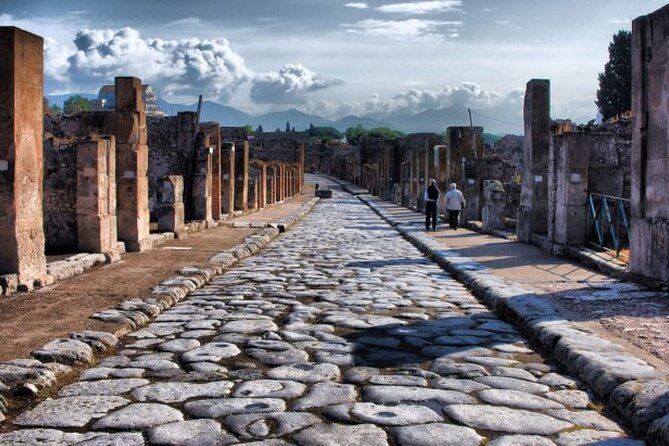
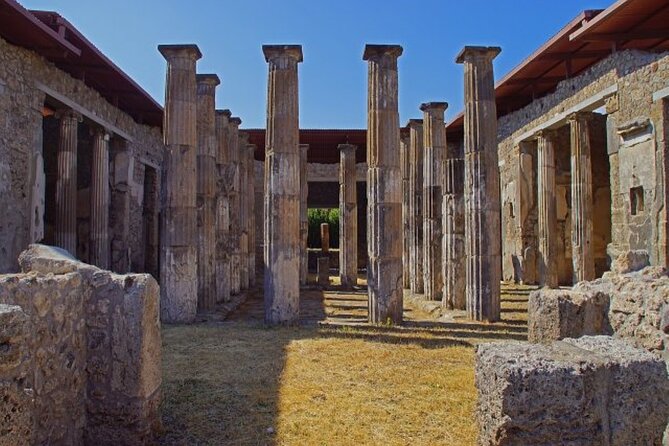
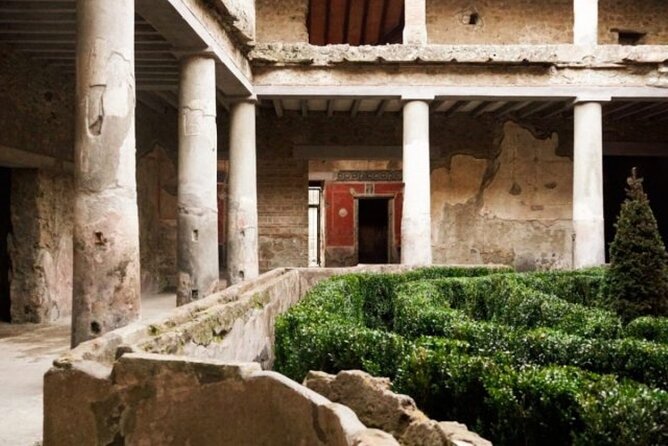
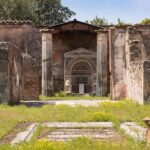
Once you’re inside the Pompeii Archaeological Park, you walk through the ancient streets with a guide who explains what those spaces were for. You’ll hear about the homes of the patrician class and how the layout reflected status and daily routines.
What I like in this approach is that it teaches you how to read a street. For example, when your guide talks about the difference between private space and areas meant for public view, you start noticing entrances, thresholds, and how rooms link to circulation. It turns the walking into a guided puzzle, and the “why” sticks better than a list of facts.
You’ll also get the sense that Pompeii wasn’t empty. Even frozen in time, the buildings communicate routines. That’s why a guide makes the visit smoother, you stop treating it like a museum display and start treating it like a city.
Possible drawback to keep in mind
Because it’s only about 2 hours, you can’t expect full coverage of every corner. If you’re the kind of traveler who wants to linger for long stretches, you’ll likely want to plan your independent time right after the tour ends.
Sacred Temples and Everyday Meaning
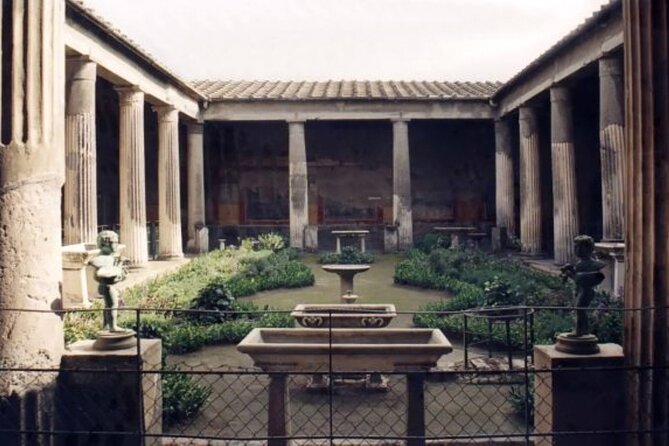
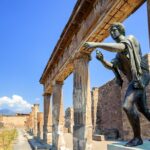
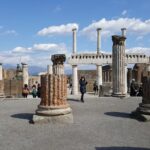
Pompeii wasn’t only about houses and street views. Your walk includes sacred temple spaces, and your guide ties them back to how people lived and believed.
This is where the guide work pays off. Temples can look similar to the untrained eye, and the details matter. When someone points out what’s meaningful about the structure and location, you stop seeing “another ruin” and start understanding why it would have drawn crowds or shaped routines.
Even if you’re not a religion-history specialist, these stops help you see the city as functional. It’s not just tragedy and spectacle. It’s people organizing life around community spaces, rituals, and shared belief systems.

Theater Stops That Explain Public Life
The itinerary includes stops connected with majestic theaters, and that’s smart. Theaters are one of the easiest ways to understand how Roman society mixed entertainment, politics, and social status.
When your guide discusses these public performance spaces, you start to grasp the “social rhythm” of Pompeii. People gathered, watched, and interacted. That helps you imagine the city as active and crowded, not silent and static.
I also like that this kind of public-space explanation gives your photos more meaning. You can look at seating and structure and know what you’re seeing, instead of just documenting ruins for later.
Frescoes, Cobbled Streets, and the Catastrophe Scale
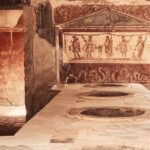
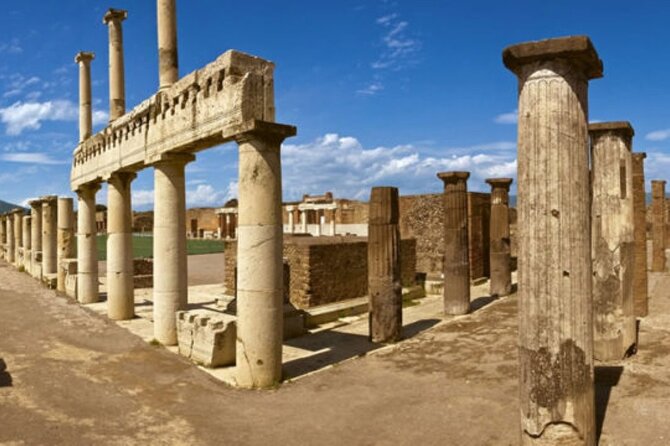
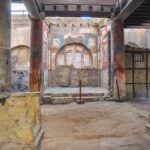
You’ll spend real time looking at preserved frescoes and cobbled streets. That combination is powerful because it connects visual art to the physical ground people walked on. Frescoes weren’t painted for the future, they were part of everyday rooms, which makes them feel more human when explained well.
Your guide will also help you understand the scale of the catastrophe that struck the city and the legacy it left behind. That part is crucial. Pompeii is famous for preservation, but your guide helps you understand what was preserved and why that makes the site both astonishing and heartbreaking.
Also, there’s a specific kind of “wow” you get when you see preserved details in place. You don’t have to imagine what used to be there, the site gives you strong visual anchors. Add a guide who knows how to explain them, and you’ll come away with a much stronger impression than from a rushed self-walk.
One more helpful detail, this is a moderate-fitness walk. With cobbled ground and uneven paths, you’ll want comfortable shoes and a steady pace. Plan for walking time, not just museum time.
Small-Group Quality: The Difference Between Okay and Excellent
This is capped at 20 travelers, and that size is a big deal in Pompeii. In a larger group, questions can get swallowed, and the pace can get rigid. In a smaller group, your guide can actually manage the flow while still staying conversational.
The guide reputation attached to this tour is strong, with examples like Gennaro being described as funny, informative, patient, and incredibly knowledgeable about details. That mix matters. It’s easier to stay focused when the guide makes the information feel human, not like a script.
You’ll also notice the organization side. One experience note highlights that the tour waited when the meeting point caused confusion. That tells me the operator is aware that Pompeii signage and meeting locations can be tricky, and they plan for it.
After the Guide: How to Use Your Independent Time
When the guided portion ends, you can visit the site independently. That’s a great bonus because it lets you follow your own interests after you get oriented.
Here’s how I’d use it smartly: return to the spaces your guide emphasized and spend time where you felt “I want to see that again.” Since your guide already gave you context, your second pass becomes faster and more rewarding. You’ll also be able to slow down if you stumble on a detail you want to photograph or read longer.
Because your tour ends back at the meeting point, you’re not left juggling “where do I go now” logistics. You can simply keep exploring from there.
Price and Value Check: $36.28 Plus €19 Admission
The tour price is $36.28 per person, for about 2 hours, with a specialized local guide and guided support for the full duration. The catch is clear: admission to the Archaeological Park of Pompeii is not included and costs €19.00 per person.
So is it worth it? It usually is if you fall into one of these categories:
- You want the major sites and building types explained in a way you’ll remember.
- You appreciate a guide who adds context about social habits, curiosities, and how the city worked.
- You want orientation fast because you don’t want Pompeii to feel overwhelming.
If your plan is mostly to roam and take your own photos, you might not need a paid guide. But for first-timers, a good guide often saves time and confusion. In Pompeii, that is real value, not fluff.
Also, the tour is typically booked about 22 days in advance on average. If you’re traveling in peak season or on a weekend, it’s worth locking in your time early rather than hoping.
Who Should Book This Pompeii Guided Tour
This one is a strong fit if you want a focused, guided “first look” at Pompeii that makes the ruins easier to interpret. It’s especially good for families and groups who want a clear plan in a limited timeframe.
It’s also a good match if you’re interested in understanding how daily life worked, not only the dramatic disaster story. The walk includes streets, patrician houses, sacred temples, and theater spaces, so you get a broader view of city life rather than a single theme.
If you’re comfortable with moderate walking and uneven ground, you should be fine. If you prefer very slow visits with long stops at each area, you’ll likely feel the 2-hour limit and will want extra independent time.
Should You Book This Guided Pompeii Walk?
I’d book it if you want Pompeii to make sense quickly and if you value a guide who can explain what you’re seeing. The combo of a small group, a clear English narrative, and the chance to continue on your own after the tour is a good use of time.
Skip it only if you already know Pompeii well, or if you’re planning to spend most of your day wandering without needing a structured explanation. In that case, you might choose a different approach and spend your money elsewhere.
If you do book, show up early enough to find Piazza Esedra without stress, wear grippy shoes for cobbles, and budget the €19 admission on top of the tour fee.
FAQ
How long is the Pompeii guided tour?
It lasts about 2 hours.
What is the meeting point for the tour?
The meeting point is Piazza Esedra, 80045 Pompei NA, Italy.
What time does the tour start?
The start time is 2:30 pm.
Is Pompeii admission included in the price?
No. The Pompeii Archaeological Park admission fee is not included and costs €19.00 per person.
What language is the tour offered in?
The tour is offered in English.
How large is the group?
The tour has a maximum of 20 travelers.
Is there free cancellation?
Yes, free cancellation is available up to 24 hours in advance for a full refund.
Is the ticket mobile?
Yes, the tour uses a mobile ticket.
More Guided Tours in Pompeii



More Tours in Pompeii

More Tour Reviews in Pompeii

Not for you? Here's more nearby things to do in Pompeii we have reviewed







Tour Reviews, compared.
 ★ 4.8Pompeii: Entry Ticket and Guided Tour with an ArchaeologistFrom $3519,459 reviews
 ★ 4.2Pompeii: Entry Ticket with Optional Audio GuideFrom $2612,360 reviews
 ★ 4.8Pompeii: Small Group Tour with an ArchaeologistFrom $4012,264 reviews
 ★ 4.3Pompeii Ruins & Mount Vesuvius Day TourFrom $12011,459 reviews
 ★ 4.6Sorrento, Positano and Amalfi Full-Day TourFrom $10710,988 reviews
 ★ 5.0Sorrento, Positano & Amalfi Coast – Small Group TourFrom $768,643 reviews
 ★ 4.6Catacombs of San Gennaro Entry Ticket & Guided TourFrom $157,941 reviews
★ 5.0Pompeii Small Group Tour with an ArchaeologistFrom $356,593 reviews
★ 4.6Catacombs of San Gennaro Entry Ticket & Guided TourFrom $157,941 reviews
★ 5.0Pompeii Small Group Tour with an ArchaeologistFrom $356,593 reviews