
Tour review · TOUR REVIEWS
Private Pompeii and Herculaneum with Wine Tasting – Full Tickets
Pompeii feels close enough to touch. This private day pairs two UNESCO sites, with priority admission at both stops so you can spend your time walking instead of waiting. You also get round-trip comfort transfers in a Mercedes van, plus a guide who keeps the ruins feeling human, not just impressive.
I especially like the way the visit is structured for real understanding: Pompeii gets the full sweep from city center to private life, and Herculaneum is treated as its own place with its own clues. One thing to consider is the wine tasting and typical lunch is an add-on, and the provided pricing details don’t match perfectly, so it’s smart to confirm the exact amount when you book.
Key Highlights That Make This Tour Worth Your Time
- Priority admission at both Pompeii and Herculaneum to reduce waiting time
- Deluxe Mercedes van with AC, free Wi-Fi, and fresh water for the long day
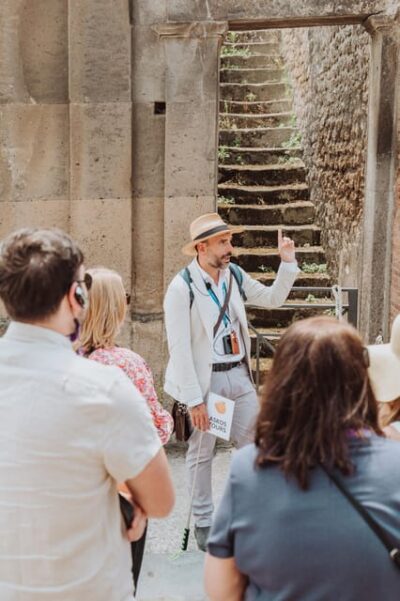
- Expert licensed guide who explains what you are seeing as you go
- Pompeii focus on everyday spaces like forums, homes, baths, taverns, and bakeries
- Herculaneum emphasis on contrasts like domus layouts, sewer system, and carbonized wood
- Vesuvius-area winery lunch option with a guided vineyard walk and multiple wine pours
Why Pair Pompeii and Herculaneum in One Long, Guided Day
Pompeii and Herculaneum are cousins, not clones. Yes, both were swallowed in the same 79 AD eruption, but they feel different once you are standing there. Pompeii gives you the big-city feeling, with major public buildings and layers of neighborhoods. Herculaneum reads more like a refined seaside getaway, with houses where the details still reward your slow look.
This kind of one-day pairing works because your guide can point out the differences while you are still fresh. In particular, the Herculaneum stop is framed around how its buildings and daily routines compare to Pompeii, including elements like second-floor spaces, the sewer system, and even carbonized wood. Those specifics matter because they stop the sites from blending into one big pile of stones.
The other reason it works is simple logistics. You are not trying to coordinate transit between two distant ruin areas while also managing tickets and timing. Instead, the day is organized as one continuous sightseeing arc, with priority entry doing the heavy lifting on crowds.
More Naples tours, ruins, coast days, and city experiences to compare


From Your Hotel to the Ruins in a Deluxe Mercedes Van
If you have ever tried to DIY Pompeii on a tight schedule, you know the friction adds up fast. This tour handles the transport with a deluxe Mercedes van and a professional driver. You get AC, free Wi-Fi, and fresh water, which is not just comfort, it helps you stay steady for a long day of walking.
Pickup is flexible. The tour notes that you can be collected from hotels, vacation rentals, train stations, and cruise terminals or ports. When you book, you specify your pickup location, and your day starts with someone already holding the plan together.
You are also not dealing with the “where do we meet again?” stress. The tour uses mobile tickets, and the skip-the-line entry is built into the setup for both sites. In practice, that means you can spend more of your energy inside the ruins where the stories are, not outside fighting lines.
Skip the Lines in Pompeii: Forum, Homes, Baths, Taverns, and Casts
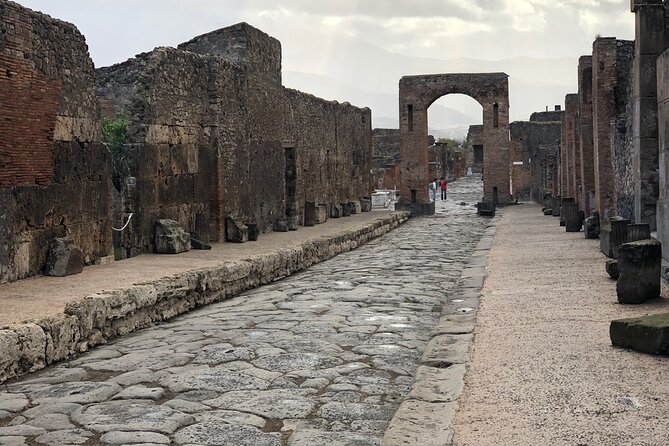
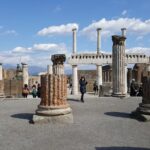
Pompeii is huge, so a private guide is not a luxury, it is the map. The Pompeii portion is designed as a walk through the city’s structure, starting near the Ancient Walls and moving toward major public spaces like the Grand Theatre. From there, the heart of the visit centers on the Forum, which served as the political and religious core of town.
You will get routed through the kind of stops that change Pompeii from a photo album into a lived-in city:
- The Basilica, described as the palace of justice
- The Temple of Apollo
- The Macellum, the fish, bread, and meat market
- The Temple of Jupiter and the granaries
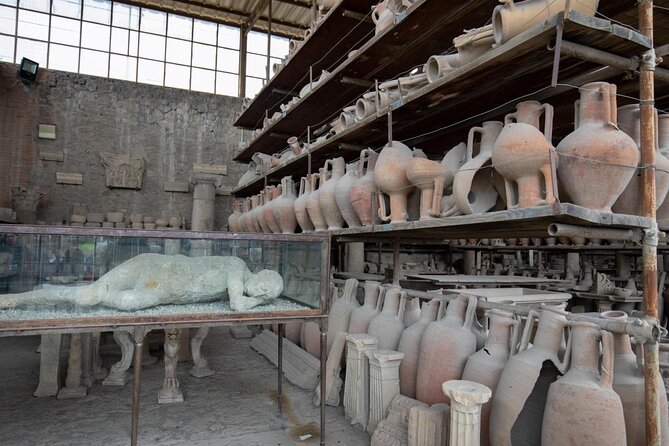
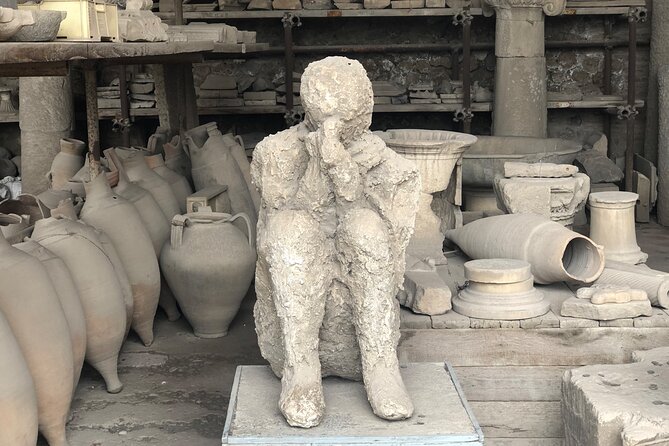
- Details around victims’ plaster casts connected to those who died during the eruption
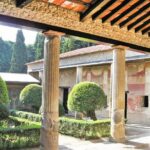
One of the strongest parts of Pompeii here is that you do not stay only in “big monuments.” The tour also includes private homes with gardens and decorative interiors like frescoes and mosaics. You also get time in bath-houses and ancient taverns, plus references to places like bakeries (Pistrinia) and Thermopolia, which were wine and food bars.
Pacing is also built for sanity. The tour says the visit is flexible and at your own pace. In a place like Pompeii, that is the difference between rushing past doors and noticing the small things that reveal daily routines.
The only “watch out” with Pompeii is wear-and-tear on your feet. Even with a guide, this is still a long walking day. If you are prone to fatigue, wear supportive shoes and plan to take short pauses when your guide offers them.
The Pompeii Priority Ticket Advantage (and What to Still Expect)
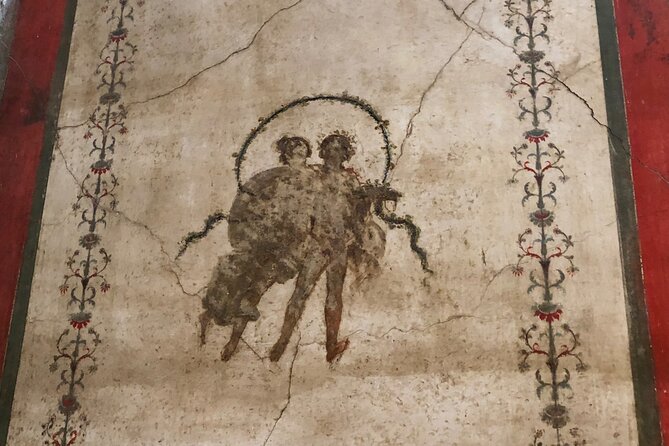
Priority admission helps, but it does not eliminate everything. Pompeii is still Pompeii: the crowds shift, the routes get busy, and you still need to keep an eye on where you are in relation to your group.
That said, the skip-the-line tickets at both Pompeii and Herculaneum are one of the biggest value drivers in this tour. You gain time where it counts: inside the ruins, close to the architecture and the details that take effort to see.
A nice bonus, based on how this experience is guided, is the inclusion of the plaster casts that are associated with the tragedy of the eruption. In one past experience, the guide made sure the group also saw casts in the museum area, which helps complete the emotional and historical arc without feeling like a detour.
If you want the best day possible, come prepared for sun, uneven surfaces, and lots of stairs and ramps. Priority tickets handle entry time, but the ground game is still real.
Cantina del Vesuvio Wine Tasting and Lunch: What the Extra Cost Buys
This is the only part of the day that costs extra, and it is worth understanding what you are paying for.
The winery stop is at Cantina del Vesuvio Winery Russo Family, described as family-run and organic, with vines and olive groves at the foot of Mount Vesuvius. The setup includes a short guided walk through the vineyards and olive groves, tied to how the “Lacryma Christi” wines and extra-virgin olive oil are produced.
Then you eat. The lunch is described as a set menu with:
- Appetizers like bruschetta, provolone cheese, salame, and capocollo
- Main course: spaghetti with cherry tomatoes “del Piennolo” from Vesuvius
- Dessert: pastiera, wheat and ricotta cake
On the wine side, the tasting is structured with five different wines served, including Rosé Sparkling, White, Rosé, Red, Red Riserva, and finally Malvasia, a sweet dessert wine. The listing also notes a kids menu and a vegetarian option.
Pricing detail needs a quick check. The tour text lists €28 per person for the tasting and lunch, while another part of the details lists €45 per person. Before you go, confirm the exact fee when you book so you do not get surprised on the day.
Is it worth it? If you like pairing history with something local and scenic, yes. The winery portion is also a reset. After hours in ruins, sitting down for food and wine helps you process what you saw and gives your legs a real break.
You can also read our reviews of more food & drink experiences in Pompeii




Herculaneum Compared to Pompeii: Domus Gardens, Mosaics, and the Beach Scene
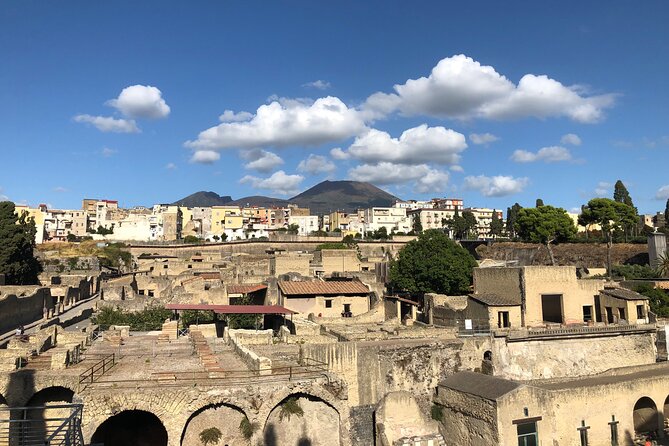
Herculaneum is smaller, which is good news for your energy. Instead of trying to cover everything fast, the visit focuses on the kind of houses and details that make this site feel eerily intact.
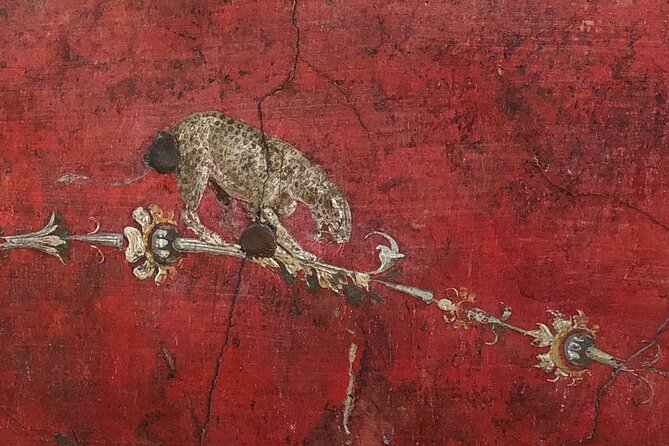
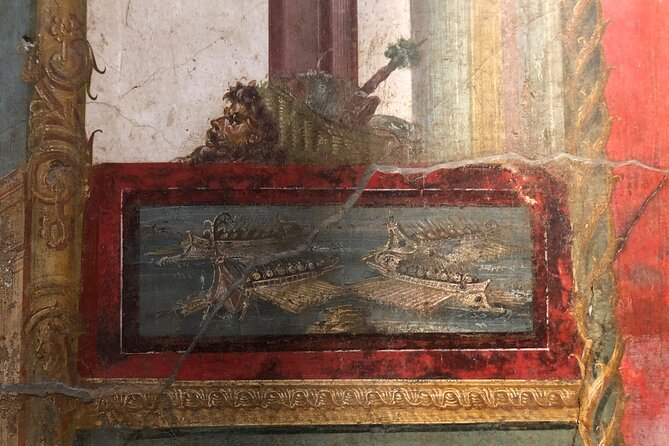
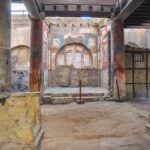
The heart of Herculaneum here is the exploration of domus, ancient private homes with gardens. The tour highlights specific house examples such as the House of the Deer and vivid frescoes like those in the House of the Skeleton. It also points you toward standout mosaic work, including glass-pasta mosaics associated with the House of Neptune and Amphitrite.
What I like about this Herculaneum approach is that it does not treat it as a smaller rerun of Pompeii. You get a special focus on differences: second floors, the sewer system, and carbonized wood are mentioned as examples of how Herculaneum’s fabric tells different parts of the story.
The bath-house scene gets attention too, including the “female section” framing used by the guide. Then you walk into the pool of the ancient city gymnasium, followed by a look at the ancient city beach.
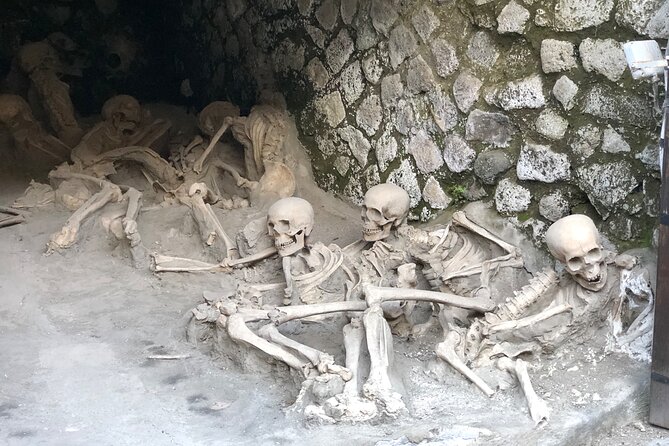
The final emotional note of the visit is the reference to skeletons of citizens found during the eruption. It is intense subject matter, but it is handled in the context of how the eruption affected a seaside community. It also helps you see how the same disaster created different traces depending on where people lived.
One practical consideration: one past review flagged that Herculaneum was closed on a Wednesday. If your travel date is a Wednesday, I would confirm the operating status close to departure.
Timing, Pacing, and How to Avoid the Typical Ruins Fatigue
This is listed as an 8 to 9 hour day, so it is not a quick hit. The best way to handle long ruin time is to think in chunks. Pompeii first, then a winery reset, then Herculaneum.
In Pompeii, you are likely to spend about two and a half hours, and the tour says the length is flexible at your pace. That’s enough time to cover major public areas and also get into the more personal spaces like homes, baths, and food stops.
In Herculaneum, the visit is set at about two hours. That length suits a site where details reward attention, and where rushing can actually make you miss the “why does this look different?” moments.
The winery portion is about 1 hour 15 minutes, and it is a good middle-of-the-day pressure release. Even if you do not consider yourself a wine person, the vineyard and olive grove walk gives you a fresh change of scenery right after Pompeii.
My biggest practical tip: bring comfortable shoes and a light layer for the heat shifts. You are walking on uneven ground, and you’ll do better if you do not have to constantly adjust your feet or your energy.
What the Guide Adds, Based on Real Feedback
The most praised parts of this tour are not abstract. They are very practical: guide clarity, passion, and how well the experience runs from pickup to drop-off.
Several past experiences explicitly credit guides like Giuseppe and Dario for explaining what you are seeing and why it matters. That is key in Pompeii and Herculaneum, because the ruins can look like random columns and wall fragments unless someone connects them to daily life. The tour descriptions emphasize everyday spaces like markets, taverns, bakeries, baths, and private gardens. Guides who can interpret those spaces help you build a mental picture fast.
Warm communication also shows up in the feedback. Pre-visit email communication is mentioned as a standout, and so is the ability to customize the tour to interests as you go.
There is also a real-world logistics win. One review notes support for a husband who was on crutches, with the guide making sure he was taken care of. That kind of flexibility can matter more than you expect, especially in places with uneven surfaces.
Price and Value: What You’re Really Paying For
At $669.28 per person for a private tour, you should judge value by what you buy with the money.
First, you are paying for a full day with two sites. Most costs in this area are time and stress, not just money. Priority tickets at both ruins are included, and private transport reduces the risk of your schedule falling apart. The Mercedes van features also lower fatigue so you can enjoy the ruins rather than recover from transit.
Second, this price includes licensed guiding services all day. That is what turns ruins into understanding. Pompeii especially is so large that without a guide you can feel lost quickly, even if you read a guidebook.
Finally, the price is private format, meaning you are not sharing your day with strangers. The “your group only” model is good if you want questions answered as you go, and if you have your own pace.
Keep in mind the winery lunch and tasting is extra, with the cost stated as either €28 or €45 depending on which part of the details you look at. If you plan to add it, that is part of the overall value math.
If you want a classic “best of” day with minimal waiting, private handling, and meaningful guiding, this is priced in a way that matches that level of service.
Who This Tour Fits Best (and Who Might Prefer Something Else)
This experience fits best if you want:
- A guided visit to both UNESCO sites in one day
- Priority entry, with less time stuck in lines
- A structured route through Pompeii’s public center and private life
- A comparison-focused Herculaneum visit, not just another ruins stop
- The option of a winery break with lunch and multiple tastings
It might be less ideal if you prefer a free-and-flex day where you choose every turn alone. Pompeii especially rewards guidance, but some travelers simply want freedom more than interpretation.
If you are traveling in a group of friends or family, the listing notes group discounts. That can help make the private format feel more reasonable.
So, Should You Book This Private Pompeii and Herculaneum Tour?
I would book it if you want a smooth, low-stress day that blends Pompeii’s big-city layout with Herculaneum’s more intimate, luxury resort feel. The priority entry at both sites is a clear win, and the guided focus on everyday spaces makes the ruins easier to understand.
Before you decide, confirm two things: the exact extra fee for the winery lunch and tasting (because the details list two different numbers), and the operating status for Herculaneum if your day falls on a Wednesday.
If you want Pompeii to feel like a story you can follow, not just a place you walked through, this is the kind of private day that usually delivers.
FAQ
How long is the Pompeii and Herculaneum tour?
It runs about 8 to 9 hours.
Is pickup included?
Yes. Pickup is offered from hotels, vacation rentals, train stations, and cruise terminals or ports. You choose your pickup place when booking.
Are skip-the-line tickets included?
Yes. Priority admission tickets for both Pompeii and Herculaneum are included.
What language is the tour in?
The tour is offered in English.
Is this a private tour?
Yes. It is private, and only your group participates.
Does the tour include the wine tasting and lunch?
No. Wine tasting and typical lunch at Cantina del Vesuvio are not included in the main tour price and are an add-on you pay on the spot.
How much does the winery lunch and tasting cost?
The details list €28 per person in the stop description, and €45 per person in the inclusions section. Confirm the exact amount when booking.
How long do you spend at each site?
Pompeii is about 2 hours 30 minutes, and Herculaneum is about 2 hours. The winery stop is about 1 hour 15 minutes (if you add it).
Is there a guide during the whole day?
Yes. The tour includes licensed tour guide service all tour long, plus a professional licensed driver.
What is the cancellation policy?
Free cancellation is offered up to 24 hours in advance for a full refund.
Is Herculaneum always open?
One review mentioned Herculaneum was closed on a Wednesday. If your date is a Wednesday, it is smart to double-check operating hours before you go.
More Food & Drink Experiences in Pompeii
More Tickets in Pompeii


More Tour Reviews in Pompeii



Not for you? Here's more nearby things to do in Pompeii we have reviewed






Tour Reviews, compared.
 ★ 4.8Pompeii: Entry Ticket and Guided Tour with an ArchaeologistFrom $3519,459 reviews
 ★ 4.2Pompeii: Entry Ticket with Optional Audio GuideFrom $2612,360 reviews
 ★ 4.8Pompeii: Small Group Tour with an ArchaeologistFrom $4012,264 reviews
 ★ 4.3Pompeii Ruins & Mount Vesuvius Day TourFrom $12011,459 reviews
 ★ 4.6Sorrento, Positano and Amalfi Full-Day TourFrom $10710,988 reviews
 ★ 5.0Sorrento, Positano & Amalfi Coast – Small Group TourFrom $768,643 reviews
 ★ 4.6Catacombs of San Gennaro Entry Ticket & Guided TourFrom $157,941 reviews
★ 5.0Pompeii Small Group Tour with an ArchaeologistFrom $356,593 reviews
★ 4.6Catacombs of San Gennaro Entry Ticket & Guided TourFrom $157,941 reviews
★ 5.0Pompeii Small Group Tour with an ArchaeologistFrom $356,593 reviews
Browse the lists this tour appears in