
Tour review · TOUR REVIEWS
Pompeii Skip the Line Ticket + Guide Book with itineraries
Pompeii gets much easier with timed entry. This combo gives you skip-the-line access and a take-home guidebook that helps you pace your day and actually make sense of what you’re seeing. My favorite part is the flexibility, and I also liked how the included map helps you find the big sights without feeling lost. The one drawback to consider is that it is not a live guided tour of Pompeii, so you’ll rely on the guidebook as your main explainer.
You enter through Piazza Anfiteatro, and the setup is straightforward: you show your voucher at the information point on Via Roma 123 in Pompeii. That makes the start of your visit smooth, so you can spend your time walking the ruins instead of hunting for the right door. If you only want a quick, simple checklist with zero reading, this may feel more “self-guided with support” than “full service.”
Key Things I’d Focus On
- Skip-the-line entry saves you time at the busiest moment of the day
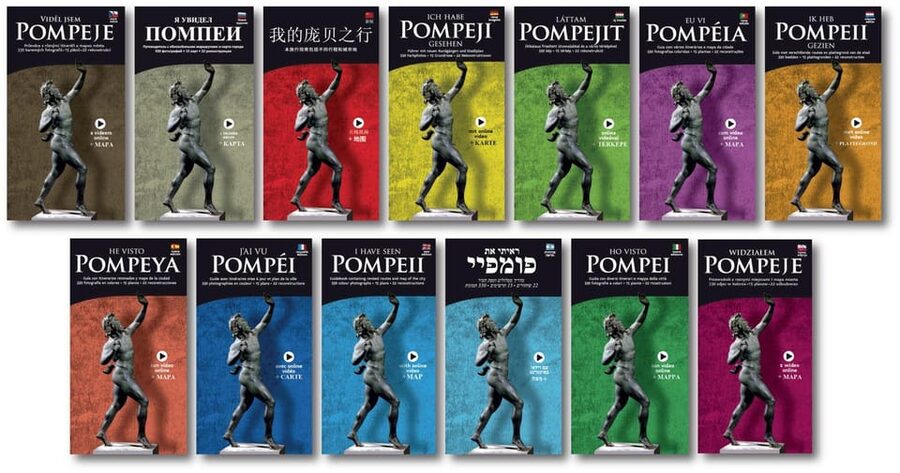
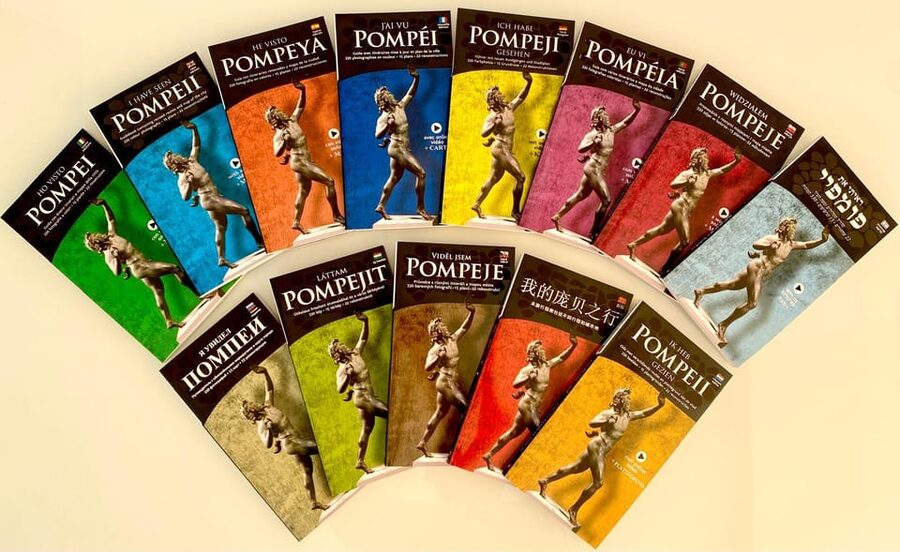
- Guidebook in 13 languages includes itineraries for 2, 4, or 6 hours
- Updated map helps you navigate the park and choose your route
- Self-paced ruins time so you can linger at the places that grab you
- Roman highlights like fresco houses, spas, theaters, and the best-preserved amphitheater
- Victims’ casts add a sobering, human layer to the story
Skip-the-Line Entry at Piazza Anfiteatro, Without the Headache
The biggest practical win here is the timed, skip-the-line Pompeii entrance. Even if you’re not in “I hate crowds” mode, Pompeii lines can turn your day into a slow shuffle. Getting through faster means you spend more of your one-day ticket actually looking at the ruins, not waiting for permission to enter.
You access the archaeological park through the Piazza Anfiteatro entrance. The meet point is at the information point located at Via Roma 123, Pompeii. When you arrive, you show your voucher to the operator for easy access. This kind of clear meet-point detail matters because Pompeii is big, and “just follow the signs” can eat up time.
Once you’re in, the pace is up to you. The ticket is valid for one day, and you can enter from 9:00 am until 5:00 pm. That window is useful if you prefer a slower morning, or if you want to time your day around heat and shade. It also means you can adjust if your feet are feeling better or worse than expected.
Finally, remember the park is a walking experience. The included advice is exactly what you’d expect in Campania: comfortable shoes, water, and a sun hat. Pompeii has plenty to see, but your comfort will decide how much you enjoy it.
More Naples tours, ruins, coast days, and city experiences to compare


Pompeii in Your Own Rhythm: The 2, 4, or 6-Hour Guidebook Plan
This experience is built around a guidebook plus itineraries, not a spoken lecture. You get an updated map and suggested routes that match three time options: 2 hours, 4 hours, or 6 hours. That’s a smart way to handle Pompeii because the “right” amount of time depends on how you travel.
If you choose the 2-hour route, you’re basically doing a high-impact highlights loop. You’ll focus on the core visual and historical anchors, so you still leave with a clear impression of the city rather than wandering randomly.
For 4 hours, you start to get the benefits of sequencing. You can connect the dots between neighborhoods and building types. This is where you might slow down for the frescoed houses and then pivot to major public spaces like theaters and temples.
Go 6 hours, and you’ll have the breathing room to linger. Pompeii rewards this. You can stop to look at details on walls, compare how different areas of the city are laid out, and spend time with the victims’ casts without feeling rushed.
One important note: one guidebook is available for every two participants. If you’re traveling solo, you’ll likely need to make do with a shared book option, so it helps to travel with someone who doesn’t mind quick page turns.
The guidebook is also available in 13 languages. That matters because the difference between “I saw stuff” and “I understand what I’m seeing” often comes from translations that are clear enough to read while you walk.
What’s Included, What’s Not, and Why That Matters for Your Day
Let’s keep expectations straight, because this can affect whether you’ll feel satisfied.
Included:
- Entrance ticket for the Pompeii Ruins
- Guidebook (in 13 languages)
- Map
- Itineraries for 2, 4, or 6 hours
Not included:
- Transfer (no transportation provided)
- A guide in the sense of a person walking with you
- Food and beverages
That last point is practical. You can plan your day assuming you’ll need to buy or bring water and snacks yourself. Pompeii can be hot, and you’re spending most of your one day on your feet.
The other “not included” is the live guide. Since you’re walking independently, your day will feel best if you like to read while you go. If you prefer a live explanation, you may end up wanting answers on the spot that the book can’t deliver in real time. On the flip side, the self-paced setup is great if your attention span is selective, because you can follow what truly grabs you.
Frescoed Houses, Street Grid, and the Shock of Real Scale
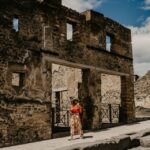
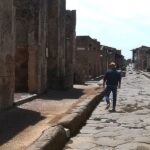
Pompeii is famous for its preserved Roman streets and the sense that the city is frozen mid-life. What makes that click for first-timers is walking the scale of the lanes. The experience is set up so you can explore at your own pace through the city’s millennial streets and focus on the frescoed houses.
Here’s what I’d pay attention to as you move:
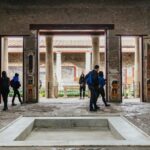
- Fresco houses help you understand how art lived inside everyday life. You’re not just looking at ruins, you’re reading decoration meant to impress residents and visitors.
- The streets help you understand how people moved. Even if you don’t know Roman urban planning, you’ll feel the logic as you walk from public-facing areas to more private spaces.
One drawback of self-guided exploration is that it’s easy to see everything in the wrong order. That’s where the itinerary structure helps. Instead of aimlessly bouncing between sites, you follow a suggested rhythm that keeps the city understandable.
Also, plan for stairs and uneven surfaces. Pompeii is outdoors, and it’s historic, which means you should treat your route like a gentle workout, not a museum stroll.
Spas, Temples, and Shops: Seeing the City as a Daily Machine
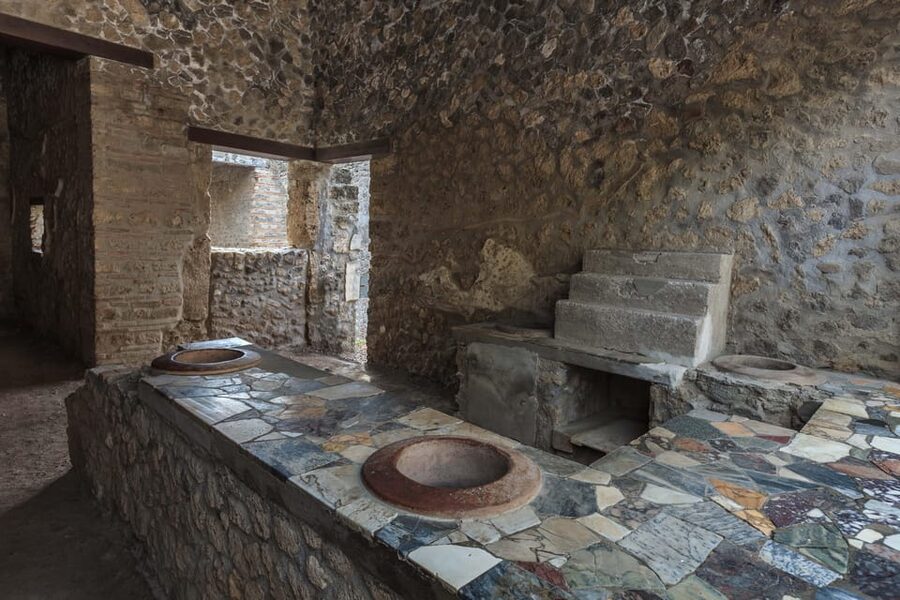
The guidebook experience is especially good if you like turning ruins into a picture of daily routines. The listed highlights include spas, temples, and shops, plus a look at places that served fast food.
A spa in Pompeii is more than a fancy bath. It’s part of social life, a hub of movement, and a place where people gathered. When you stop and read your guidebook notes, you’ll start to see why these spaces matter.
Temples give you a different angle, more civic and spiritual. Even without deep background, it’s easier to make sense of what you’re looking at when your route pairs these buildings with the neighborhoods around them.
Shops are where you get a glimpse of economic life. The guidebook helps you frame what you’re seeing, so it doesn’t just turn into a list of old walls.
Then there’s the Thermopolis, described as the coffee-fast food of the time. If you’ve ever grabbed a quick drink on a busy street, you’ll understand the idea immediately. Thermopolia served hot and ready items to people who were out and about. Seeing it in Pompeii connects the dots between architecture and routine.
The best way to use these stops is to avoid trying to “collect” them all. Pick a couple and stay long enough to look at details and read what the guidebook points out. Short stops are fine, but Pompeii rewards slow attention.
You can also read our reviews of more guided tours in Pompei Campania

Theaters, Brothels, and the Victims’ Casts: The Human Side of the Ruins
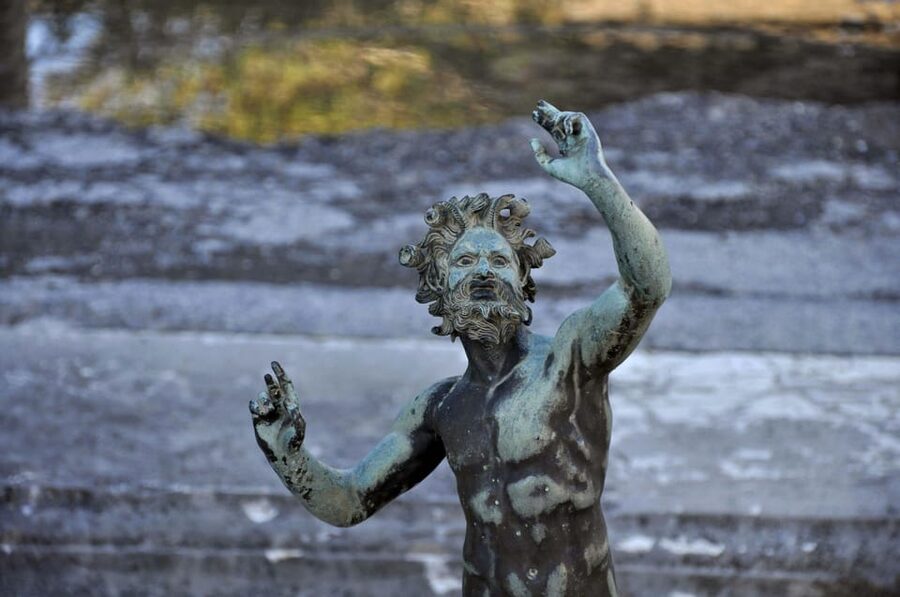
Pompeii is not only buildings. It’s people. The included highlights specifically call out theaters, brothels, and the casts of the victims of the eruption.
Theaters help you picture entertainment as a public event. You’ll recognize why a Roman city invested in places for shows. Even in ruins, these spaces communicate scale and design.
Brothels are a delicate topic, but they matter for understanding everyday life in Pompeii. If you read your guidebook prompts while you’re there, you’ll get context that turns the site from shock value into history.
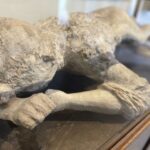
And then you reach the victims’ casts. This is the moment that often slows visitors down the most. Even with a tight schedule, this is a stop where you should give yourself a few minutes of quiet reading and looking. If you rush it, you lose the emotional weight the site is meant to carry.
Because your itinerary is flexible, you can choose when you see these heavier parts of Pompeii. Some people prefer to start lighter and save them for later. Others like to get the emotional core out of the way so the rest of the walk feels more grounded.
One of the Best-Preserved Roman Amphitheaters: Finishing Strong
One of the most memorable highlights is one of the best-preserved Roman amphitheaters. Amphitheaters are hard to fake. They have a distinctive shape, and in Pompeii you can still sense how the crowd would have packed in and how the space directed views toward the action.
If you choose a longer itinerary, you’ll likely end the day in a place like this, because it serves as a strong visual finish. If you’re doing the 2-hour plan, you may want to prioritize it earlier, so you don’t end up skipping it because of time pressure.
This is also where your comfort matters. Amphitheater viewing often involves time looking up and around, and it can be exposed to sun depending on the exact spot you choose. Bring your sun hat and plan to take breaks, even if you think you’re fine. Pompeii doesn’t care how enthusiastic you feel.
Price and Value: When $41 Makes Sense, When It Might Not
The listed price is $41 per person for a day in Pompeii with skip-the-line access plus a guidebook and map. For many people, that’s fair value because you’re not just paying for entry. You’re paying for saved time at the gate and for a souvenir guidebook in 13 languages with 2, 4, or 6-hour itineraries.
That matters because Pompeii is big enough that entry alone can feel like you’re sightseeing blindly. The guidebook reduces that risk. It helps you plan your route, so you spend fewer minutes wondering what you’re looking at and more minutes actually understanding it.
That said, I’d be smart about checking total value for your exact group. One negative experience you should consider is the complaint that the package can feel expensive if you have access to free or discounted entry for parts of your group, such as children or seniors over 65. The takeaway is simple: compare this package cost to what you would pay for entry alone for your party before you lock it in.
Also, prices can vary depending on how the package is purchased and what options are selected. Before you pay, make sure you understand what you’re getting: entrance plus the guidebook. If that matches your needs, $41 is likely a good deal for the time saved and the learning you’ll get.
Tips for a Comfortable Visit (Shoes, Sun, and Smart Routing)
You don’t need special gear, but you do need realistic day-planning.
Start with shoes. Pompeii involves uneven ground and lots of steps. Comfortable shoes is not a suggestion, it’s the difference between enjoying ruins and dreading every turn.
Bring water and a sun hat. Campania sun can be intense, and you’ll be outside almost the entire time.
Then use the guidebook itineraries as your anti-stress tool:
- If you’re doing 2 hours, don’t wander off your route just because something looks interesting. Pick one or two “detours” max.
- If you’re doing 4 hours, you can afford a little curiosity. Stop longer at the frescoed houses or one of the public spaces.
- If you’re doing 6 hours, you can slow down for the heavier moments like the victims’ casts and still have time for the amphitheater.
One more practical tip: if you’re reading the guidebook on the move, you’ll enjoy Pompeii more. It turns the ruins into recognizable rooms, functions, and street-life details.
Finally, keep the goal simple: you’re not trying to see everything. You’re trying to understand what Pompeii felt like when it was a living city, not just a list of famous stops.
Should You Book This Pompeii Skip-the-Line Bundle?
Book it if you want skip-the-line entry plus an easy way to structure your visit with an updated map and 13-language guidebook itineraries. It’s a strong fit for independent travelers who like to read while they walk, and who would rather trade a little “guide talk” for more control over pacing.
Skip it or compare alternatives if you expect a true live guide experience walking you through the ruins. This setup is about self-guided exploration. Also, do a quick value check if your group includes people who may qualify for free or discounted entry, since the package price may feel less attractive then.
If you like practical tools, clear starting points, and the chance to spend your one day where it matters most, this Pompeii package is an efficient way to get there, understand more, and still feel like you owned your day.
FAQ
How long does this Pompeii ticket with guidebook last?
It is valid for one day, and you can enter the archaeological park from 9:00 am until 5:00 pm.
What does the ticket include?
You get an entrance ticket for Pompeii Ruins, a guidebook in 13 languages, a map, and itineraries for 2, 4, or 6 hours.
Where do I go to access the park?
You enter through the Piazza Anfiteatro entrance. Meet at the information point at Via Roma 123, Pompeii, and show your voucher for easy access.
Is a live guide included during the visit?
A live guide is not included as part of the experience details provided. The format is self-guided with the guidebook and map.
What languages are available?
The guidebook is available in 13 languages, and the instructor is listed as English, Italian, Spanish, and French.
Can I cancel or pay later?
Free cancellation is available up to 24 hours in advance for a full refund. You can also reserve now and pay later, based on availability of starting times.
More Guided Tours in Pompei Campania
More Tickets in Pompei Campania
More Tour Reviews in Pompei Campania


Not for you? Here's more nearby things to do in Pompei Campania we have reviewed





Tour Reviews, compared.
 ★ 4.8Pompeii: Entry Ticket and Guided Tour with an ArchaeologistFrom $3519,459 reviews
 ★ 4.2Pompeii: Entry Ticket with Optional Audio GuideFrom $2612,360 reviews
 ★ 4.8Pompeii: Small Group Tour with an ArchaeologistFrom $4012,264 reviews
 ★ 4.3Pompeii Ruins & Mount Vesuvius Day TourFrom $12011,459 reviews
 ★ 4.6Sorrento, Positano and Amalfi Full-Day TourFrom $10710,988 reviews
 ★ 5.0Sorrento, Positano & Amalfi Coast – Small Group TourFrom $768,643 reviews
 ★ 4.6Catacombs of San Gennaro Entry Ticket & Guided TourFrom $157,941 reviews
★ 5.0Pompeii Small Group Tour with an ArchaeologistFrom $356,593 reviews
★ 4.6Catacombs of San Gennaro Entry Ticket & Guided TourFrom $157,941 reviews
★ 5.0Pompeii Small Group Tour with an ArchaeologistFrom $356,593 reviews
Browse the lists this tour appears in