
Tour review · TOUR REVIEWS
Pompeii: Tour with Archaeologist Guide & Skip-the-Line Entry
Pompeii hits different with an expert lead. This 2-hour Pompeii tour with an archaeologist guide pairs priority entry with real context, so you see the city as it functioned, not just as a pile of walls. What makes it especially compelling is the chance to focus on how people lived, ate, worked, and entertained right up to the Vesuvius eruption in 79 AD.
Two things I really like: the skip-the-line access that saves time at the entrance, and the guided interpretation that turns plaster casts, buildings, and artifacts into a story you can actually follow.
I also like the pacing. You hit a chain of major stops, from the Porta Marina area to the civic heart around the Forum, with just enough time at each location to understand what you’re looking at. The live guide experience is supported with a radio setup when groups get larger, which helps when Pompeii is packed.
One practical drawback to know: the tour is not suitable for wheelchair users or people with mobility impairments. Also, the site rules say no bags (so plan for that if you’re traveling light but carrying day essentials).
Key Highlights You Should Know Before You Go
- Priority entry means less time stuck in queues and more time inside the excavations
- Official archaeologist guide turns ruins into everyday life, not just dates and names
- Radioguide support can be included when groups reach a certain size (plus audio guidance in smaller same-language groups)
- A focused route hits major zones like theater spaces, bath areas, and the Forum
- Real-world planning tips come from the guide, including how to make the most of your time afterward
Pompeii, In Real Time: Why 2 Hours Works
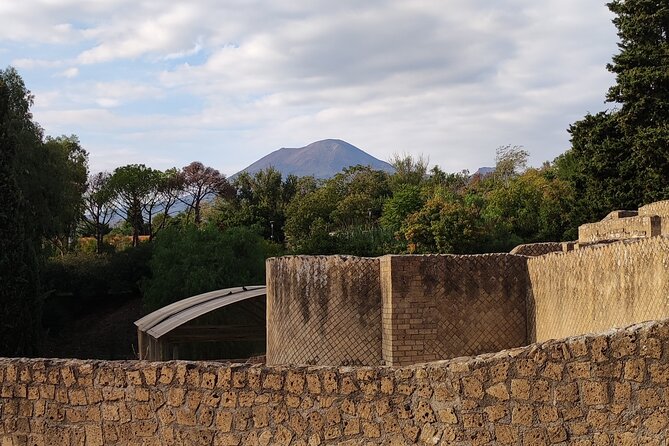
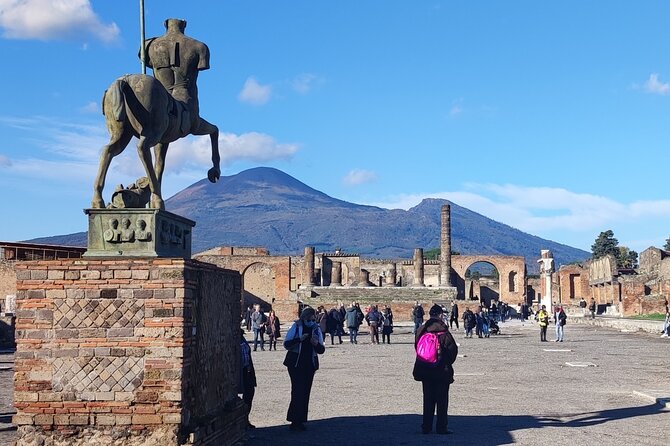
Pompeii is the world’s most famous “frozen” Roman city. Because Vesuvius buried it in 79 AD under ash and debris, a huge portion survived in place. That makes the site a UNESCO World Heritage destination you can walk through, and feel like you’re reading a city that never fully finished its day.
The tricky part is that Pompeii is big, uneven, and easy to misunderstand. Go alone and you can end up seeing impressive remains without knowing why one street matters or how a particular space fits into daily routine. That’s where a specialist guide changes the game. In a short 2-hour window, you get the meaning behind what you see.
You can also read our reviews of more guided tours in Pompei Campania


Skip-the-Line Entry: The Value of Getting In Fast
This tour includes an official entrance ticket and skip-the-line entry. In plain terms, it protects your energy. Pompeii is popular, and queues can eat into the only hours most people have.
You also avoid a common first-time problem: standing in the wrong place, reading signs too late, or losing the moment you’re ready to start. Priority access helps you arrive inside with momentum.
It’s not that you’ll “see everything” in 2 hours. It’s that you’ll see the most important places with a plan, and you’ll still have time to keep exploring after the guided portion ends.
Meeting at the Welcome Box: How the Tour Starts Smoothly
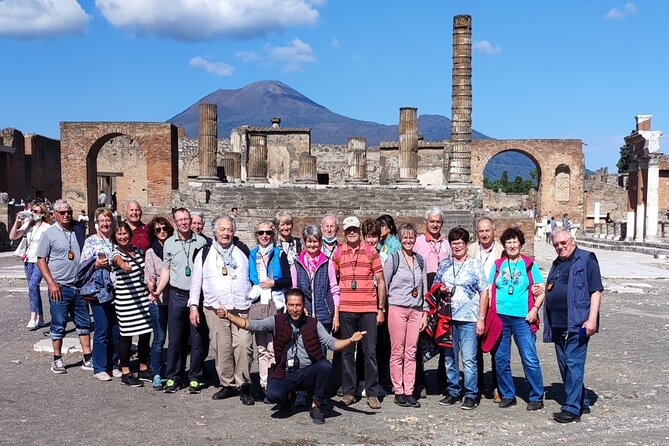
You meet at the Welcome box, and the tour ends back at that same meeting point. That matters because Pompeii is not exactly friendly to last-minute navigation. You don’t want to spend your paid time figuring out where your group is.
A helpful note from real-world experience: locating the meeting spot can be tricky if you arrive late or the signage feels unclear. I’d treat the Welcome box like your anchor point, and plan to arrive early enough to get settled before your group gathers.
If you’re bringing a day bag, double-check the site rule that bags are not allowed. You’ll want a workaround ready, because the tour itself doesn’t provide storage. On the plus side, there are reports of lockers near the gates, plus water fountains in the site area (often unmarked), which can save you later if you need a reset.
The Pompeii Route: What You See and Why Each Stop Matters

This tour is built around a sequence of highlights. The stops are short, but each one is chosen to teach you a theme: city movement, work and leisure, home life, food culture, bathing, and civic power. Here’s how the walk adds up.
Porta Marina: Getting Your Bearings at the City Gate
You begin near Porta Marina. Gates are more than entrances. They hint at trade, travel, and how the city interacted with the outside world. In a preserved place like Pompeii, that question becomes physical. You can stand where people entered, imagine the traffic, and start noticing how streets were shaped for movement.
This first stop is only around ten minutes, so the goal isn’t to linger. It’s to give you orientation so later spaces make sense.
More Naples tours, ruins, coast days, and city experiences to compare



Teatro Piccolo: How Pompeii Enjoyed Its Evenings
Next comes the Teatro Piccolo. It’s a reminder that Pompeii wasn’t all work and commerce. Like any city, it had spaces for entertainment, social time, and public life.
A guide is especially useful here because the remains can look fragmentary. With context, you learn what kind of performances happened, what the space signaled in daily culture, and why these buildings mattered even after centuries under ash.
House of Menander: Homes, Wall Art, and Social Clues
The House of Menander is one of the tour’s deeper-feeling stops (about fifteen minutes). A private home in Pompeii is like a time capsule, and it tells you more than just architecture.
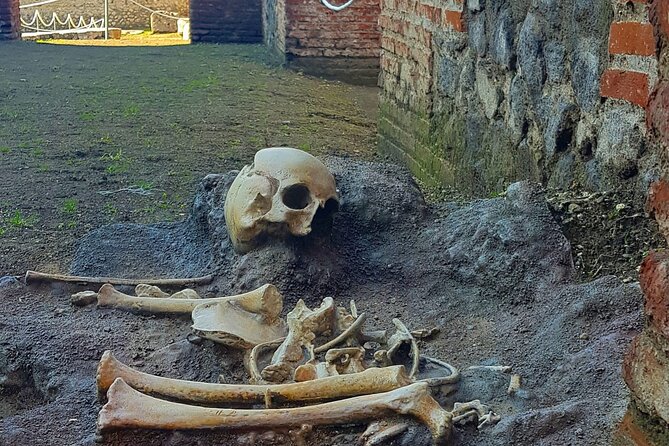
I like this stop because it shifts you from “public Pompeii” into “family Pompeii.” You start seeing how art and decoration communicated identity, wealth, and taste. The idea of plaster casts also comes into play with this kind of interpretation on-site, helping you picture what people looked like in the final moments.
Drawback to consider: some home remains can be visually confusing if you don’t know where to look. That’s exactly why the guide’s job here is crucial, and you’ll feel it most in this segment.
Thermopolium: Fast Food Culture in Roman Form
At the thermopolium, you see a type of everyday eatery. This stop is around fifteen minutes and it’s one of those moments where Pompeii stops being abstract. You get a picture of street-level consumption, quick meals, and how commerce worked on a daily basis.
It’s also a good contrast point after the theater. Entertainment buildings told you how people spent free time. A thermopolium shows how they handled meals in between.
Terme Stabiane: Baths, Routine, and Public Life
Then you move to Terme Stabiane, another fifteen-minute stop. Baths in Roman cities weren’t just about cleanliness. They were social hubs, conversation spaces, and a piece of the city’s routine.
If you like architecture, this is a satisfying stop because bathing spaces include functional details that make the building’s purpose obvious once it’s explained. It’s also one of the best areas to notice how Roman urban life shaped leisure into something built into daily schedules.
Lupanare: A Contentious Topic Handled With Context
The Lupanare takes about twenty minutes. It’s a sensitive subject, and the value of an archaeologist-led explanation is that you’re not left guessing. You learn what the site likely represented and how to interpret what remains without turning the visit into shock viewing.
This is also one of the stops where your guide’s storytelling matters. The best guides connect the topic to broader social structure, not just sensational details.
Foro Civile di Pompei: The Civic Heart, Explained
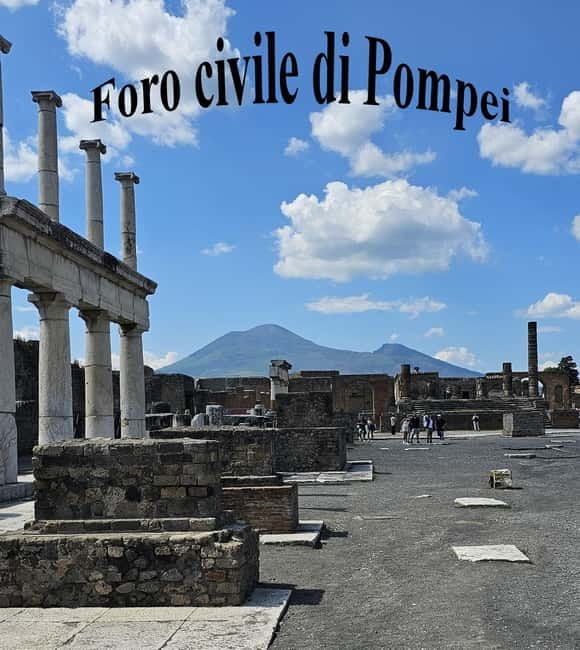
You finish at the Foro Civile di Pompei, with guided time plus a short break. This is where Pompeii feels most like a living city layout. The Forum is where power, business, and civic identity mixed in one place.
You’ll get about fifteen minutes of guided focus here, plus around ten minutes of free time. That free time is important. It lets you look longer at what clicked for you and return to details without the pressure of catching up with the group.
Audio, Radioguide, and Earpiece Reality

This tour uses live guiding, and there’s a built-in audio system approach depending on group size and language match.
- The guided tour includes the radioguide when passing 8 participants.
- If your group does not exceed 4 participants in the same language, the tour will be done with an audio guide plus a tour guide in English.
Language options are listed as Italian, Spanish, French, English, and German.
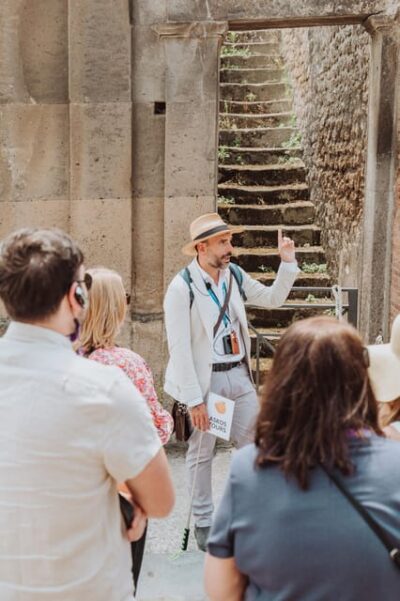
One honest note: in crowded places, clarity matters. Some groups report the earpieces can be loud, but they also say the setup is necessary because Pompeii gets busy fast. If you’re sensitive to sound, consider bringing ear protection you can tolerate for a short period.
Tips to Make the Most of Your Free Time After the Tour
Those ten minutes by the Forum might feel short, and they are. But they’re the perfect chance to do a “quality check” of what you want to return to next.
Here’s how I’d use that time:
- Revisit the area that made the most sense during the explanation.
- Take photos, but keep looking for architectural details you might miss on a quick glance.
- Watch for shade and footing. Pompeii paths can feel relentless, and planning matters.
Then, after the guided portion ends back at the meeting point, you’re free to keep exploring on your own.
Because this tour ends where it begins, you can reset your plan without the stress of figuring out a new pickup location.
Price and Value: Is $57 Worth It?
At about $57 per person for a 2-hour official guide experience, the value is mainly about time and understanding.
If you’re the type who learns best by seeing and hearing context, a guided format saves you mental work. Pompeii is not self-explanatory. A specialist guide helps you interpret what you’re walking through, so your photos look better and your memories stick longer.
If you’re visiting Pompeii on a tight schedule, skip-the-line access matters too. Paying for less waiting is real value, even before you think about the historical explanations.
Also consider this: you’re not paying for a long day tour. You’re paying for a concentrated hits package, the kind that makes sense for first-time visitors.
Who This Tour Fits Best
This tour is a strong choice if you:
- Want an expert-run introduction to Pompeii without spending half a day finding your way
- Prefer a guided route with key stops, rather than wandering and hoping you understand what you’re seeing
- Are comfortable with a walking tour format on uneven ground
- Like the idea of a focus on daily life, including food and civic spaces
It’s not a good fit if you need wheelchair access or have mobility impairments, since it’s not suitable for those needs. It also isn’t listed for people over 95 years.
A Note on the Guides: You Can Feel the Difference
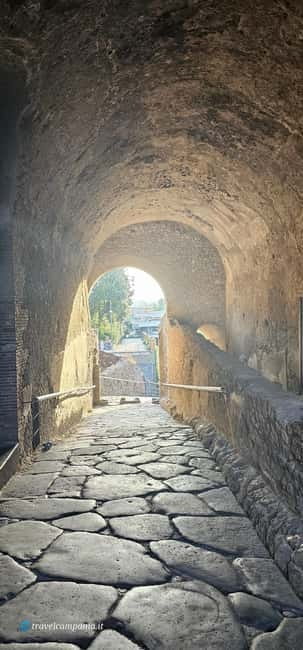
The experience can come down to delivery. Some names that have shown up in the guide line include Angelo (Travelcampania), plus guides such as Teresa, Lilian, Paolo, Mario, Roberta, and Imme, and one guide named Lilian(e) in another language variant.
When you’re lucky, the guide does two things at once: keeps the pace moving and makes you notice details. Some guides also help you avoid the worst crowd pockets by choosing where to go in a smarter order, which can make the tour feel more comfortable even when the site is busy.
Should You Book Pompeii with an Archaeologist Guide and Skip-the-Line Entry?
If this is your first trip to Pompeii, I think it’s an easy yes. The combination of skip-the-line entry and a true archaeology-focused explanation is exactly what turns Pompeii from “cool ruins” into a place with human scale.
Book it if you want:
- A structured path through the highlights
- Clear explanations of buildings and daily life
- A low-stress way to get inside quickly and start seeing the city’s logic
Skip it only if you’re already comfortable planning Pompeii on your own, or if you cannot do a walking route and you need accessibility support that this format does not offer.
FAQ
How long is the Pompeii tour?
The guided tour lasts about 2 hours.
What does the ticket include?
You get a Pompeii Express entrance ticket to visit the archaeological site, plus an authorized archaeology guide.
Does it really skip the ticket line?
Yes, this experience includes skip-the-line entry with priority access.
Where do I meet the guide?
You start at the Welcome box. The activity ends back at the meeting point.
What languages is the tour offered in?
The live tour guide is available in Italian, Spanish, French, English, and German.
What do I need to bring?
Bring your passport or ID card. Copies are accepted for both passports and ID cards for adults and children.
Is the tour suitable for everyone?
It is not suitable for people with mobility impairments, wheelchair users, or people over 95 years.
More Guided Tours in Pompei Campania
More Tours in Pompei Campania


More Tour Reviews in Pompei Campania

Not for you? Here's more nearby things to do in Pompei Campania we have reviewed






Tour Reviews, compared.
 ★ 4.8Pompeii: Entry Ticket and Guided Tour with an ArchaeologistFrom $3519,459 reviews
 ★ 4.2Pompeii: Entry Ticket with Optional Audio GuideFrom $2612,360 reviews
 ★ 4.8Pompeii: Small Group Tour with an ArchaeologistFrom $4012,264 reviews
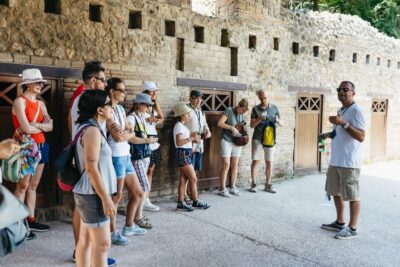 ★ 4.3Pompeii Ruins & Mount Vesuvius Day TourFrom $12011,459 reviews
 ★ 4.6Sorrento, Positano and Amalfi Full-Day TourFrom $10710,988 reviews
 ★ 5.0Sorrento, Positano & Amalfi Coast – Small Group TourFrom $768,643 reviews
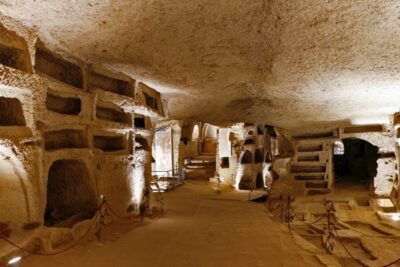 ★ 4.6Catacombs of San Gennaro Entry Ticket & Guided TourFrom $157,941 reviews
★ 5.0Pompeii Small Group Tour with an ArchaeologistFrom $356,593 reviews
★ 4.6Catacombs of San Gennaro Entry Ticket & Guided TourFrom $157,941 reviews
★ 5.0Pompeii Small Group Tour with an ArchaeologistFrom $356,593 reviews
Browse the lists this tour appears in