
Tour review · TOUR REVIEWS
Pompeii: Skip-the-Line Ticket with Audio Guide and Map
Pompeii hits hard, even before you step inside. This skip-the-line entry gives you a flexible time window, and the audio guide plus updated map help you pace your visit without feeling lost. The one catch to plan for: the audio experience can depend on setup, and you must bring a valid ID to rent the audioguide.
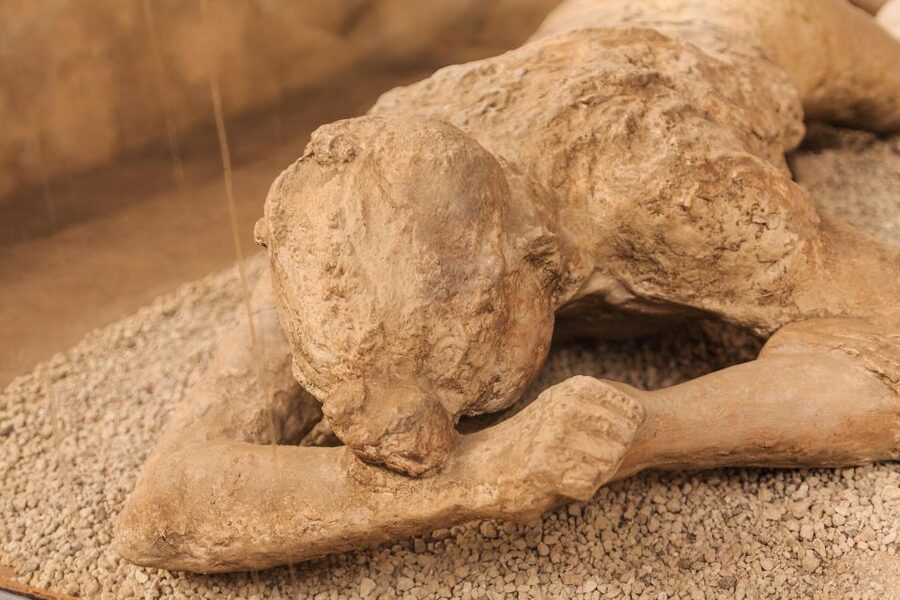
I like that you can shape the day to your interests. You can hunt down standouts like the amphitheater and the chilling casts of the victims at a speed that works for you, whether you zoom through or linger. Just remember, this is not a sit-and-watch type of outing.
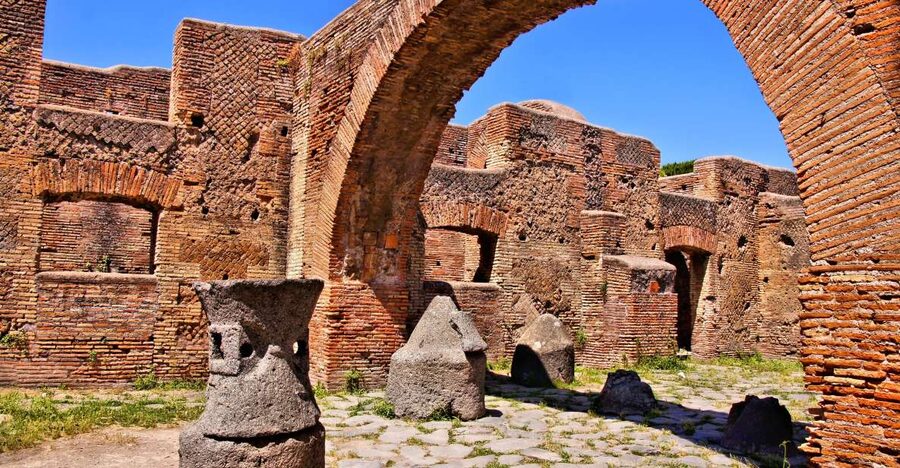
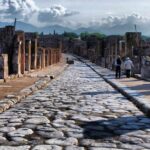
If you want a one-day Pompeii plan that feels thoughtful rather than rushed, this is a solid fit. You’ll see the everyday Rome of Pompeii too, from frescoed houses and spas to temples, shops, a thermopolis, theaters, and brothels.
Key highlights you should know before you go
- Skip-the-line entry from 9:00 to 15:00, so you can arrive when your day allows
- Audio guide in multiple languages, including English, Italian, French, German, Hebrew, Russian, Chinese, Portuguese, and Spanish
- Updated map for self-guided navigation, designed to help you find the best stops fast
- Must-see sights included on your route, like the amphitheater and the casts of the victims
- A real picture of daily life, with frescoed houses, spas, temples, shops, thermopolis, theaters, and brothels
Skip-the-Line Entry and the Best 9:00 to 15:00 Time Window

This ticket lets you enter Pompeii on your schedule within a clear window: from 9:00 am until 3:00 pm. That matters because Pompeii can get crowded, and waiting at the entrance is the kind of time sink you do not need on a limited visit.
If you want quieter photos, go earlier in the window. If you’re coming from another stop and your morning is tied up, you still have room to work with. The main advantage is psychological as much as practical: you do not have to rush to hit a strict tour start, and you can adjust once you see how big the site feels in person.
More Naples tours, ruins, coast days, and city experiences to compare


Where to Meet Around Vesuvio Outside Pasticceria De Vivo
The meeting point is outside the office next to Pasticceria De Vivo, and the team is usually wearing blue and yellow jackets. Aim to arrive a few minutes early so you can confirm what you need for the day, especially if you’re planning to rent the audioguide on site.
One small but important note: this kind of self-guided setup relies on you having the right gear ready before you start walking. The clearer your start is, the smoother the rest of Pompeii goes.
Your Self-Guided System: Audio Guide, Updated Map, and the ID Requirement
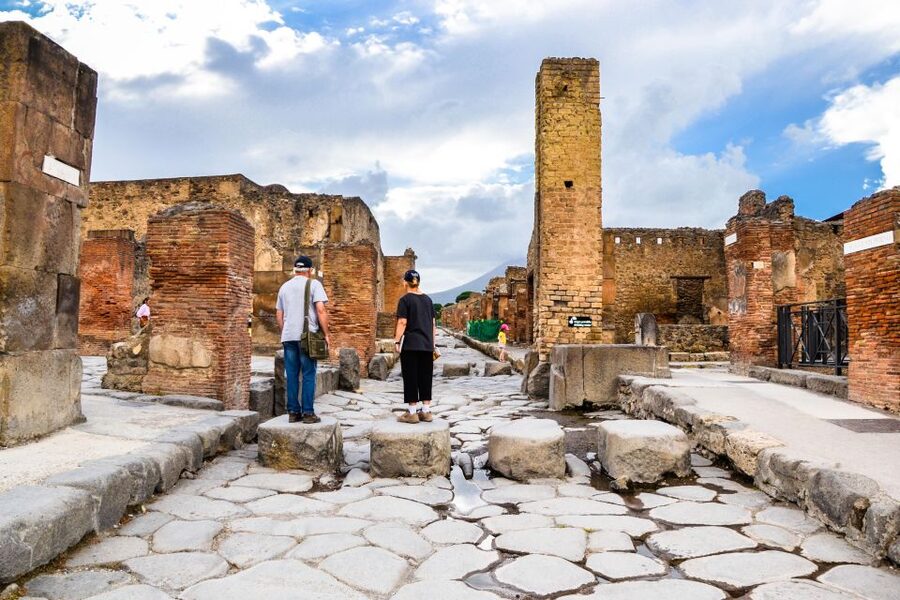
This is a self-guided visit with an audio guide and map. That means you’re in charge of timing. You’ll pause when you want, rewind if you’re curious, and move on before you get bored.
The audio guide is included, with language options offered for many visitors. The audio lineup includes English, Italian, French, German, Hebrew, Russian, Chinese, Portuguese, and Spanish. There’s also an instructor available in English, Italian, Spanish, and French, which can help you get set up if you need guidance.
Here’s the key detail you should not skip: it’s important to bring a valid ID document to rent the audioguide. If you forget it, you may be forced to handle the rental differently than you planned. I treat this like passport-level prep, because one missing document can derail your whole audio-based experience.
Also keep in mind a practical warning from real-world experience: Pompeii connectivity can be unpredictable. That can affect any audio setup that relies on downloads. Even if the ticket says the audioguide is included, plan to have your device ready, and be prepared for a less-than-perfect audio start.
How to Navigate Pompeii Without Rushing (Map + Your Pace)
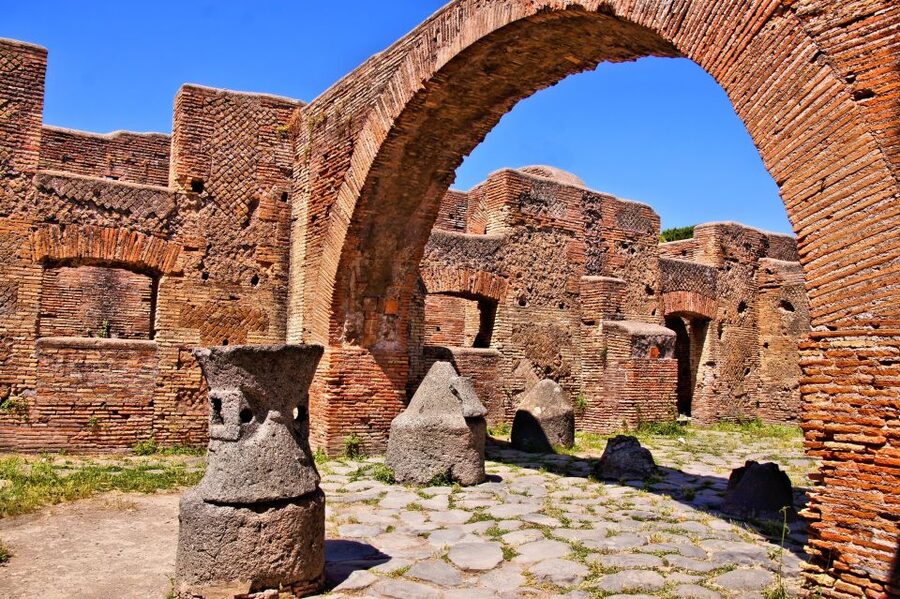
Pompeii is large, and the temptation is to try to see everything like it’s a checklist. With a map and audio guide, you can do better than that. Your goal is to create a route that makes sense, then use the audio as your guide rather than letting it control your whole day.
A simple strategy:
- Pick one or two “big mood stops” (like the amphitheater or the victims casts).
- Use the map to connect those with neighborhoods that interest you, like houses for art and daily life, or public buildings for crowds and spectacle.
- Save “supporting details” for when you’re already near them, so you’re not zigzagging across the site.
The self-paced format is the real value here. You’re not trapped in a group rhythm, and you can spend more time where you’re genuinely curious, such as frescoed rooms or the places that show what people ate, drank, and did for fun.
The Biggest Hits: Amphitheater, Victims Casts, and the Shock of Pompeii
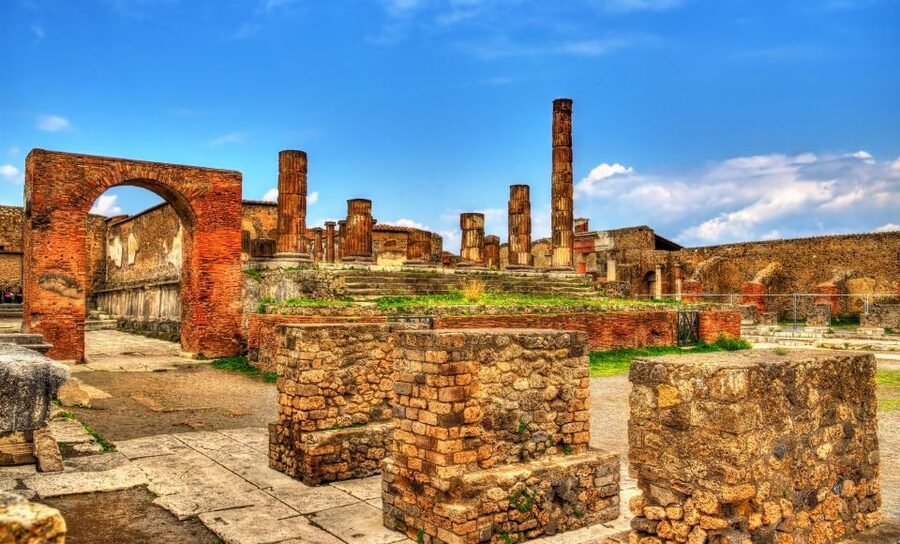
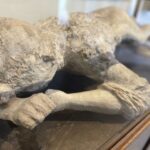
If Pompeii has one emotional center, it’s the sections that connect the city to the eruption. Seeing the casts of the victims is often the moment the site stops feeling like a museum and starts feeling like a record of real lives cut short. It’s intense, and it stays with you.
Right next to the awe, you get the spectacle. Pompeii’s well-preserved Roman amphitheater shows what entertainment looked like in Roman times. Even if you’re not a history nerd, it helps you understand the social side of the city. People gathered, watched, reacted, and socialized. It’s a reminder that Pompeii was not only about ruins, it was about routine too.
Use your audio guide around these anchors. The audio helps you put the physical space into context, so you know what you’re looking at and why it matters.
You can also read our reviews of more guided tours in Pompei Campania


Frescoed Houses, Spas, Temples, and Shops: Daily Life in Roman Mode
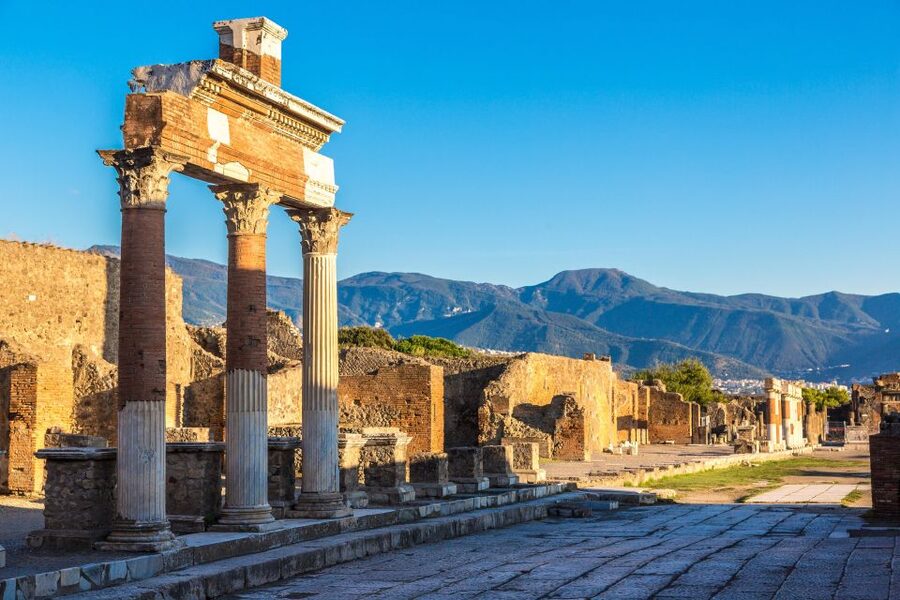
One of the best parts of this experience is the mix of what you’ll actually see. Pompeii is not just one type of place. You’ll move through the city’s everyday world: frescoed houses, spas, temples, shops, and the thermopolis (a kind of coffee-fast-food spot of the time).
Frescoed houses matter because they show taste, status, and how people wanted their rooms to feel. You’re not just looking at walls, you’re looking at private expressions of wealth and daily aesthetics.
Spas are where you understand social habits. They weren’t only for washing. They were for lingering, talking, and moving through the city’s rhythms.
Temples put religion into the map of daily life. They explain that public belief shaped behavior in obvious and subtle ways. Even without a long lecture, seeing these spaces helps you connect the dots between civic life and personal life.
Shops and the thermopolis add the everyday layer that makes Pompeii click. The thermopolis is especially cool because it sounds like a tiny detail until you realize it’s an entire habit: quick food and drink on the go. It’s the kind of place that makes the past feel closer to your own routines.
The result is a city that feels lived in, not just fallen down.
Theaters, Brothels, and the Human Side of a Roman City

Pompeii does not sanitize its story. You’ll have the chance to see places like theaters and even brothels. In a normal museum setting, you might get a polite summary. Here, you walk through the physical spaces, and the scale makes the topic feel real.
Theaters help you understand entertainment and community gatherings. They’re about public life, but also about how people passed time together.
Brothels, on the other hand, are one of the clearest reminders that cities run on human needs and human behavior. If you feel uneasy about this topic, it’s still worth knowing it exists, because it rounds out the portrait. Pompeii was a functioning city, with all the messy parts included.
If you want a lighter emotional load, balance these stops with more artwork-focused areas like frescoed interiors or quieter corners suggested by your map. That’s the advantage of doing this at your pace.
Victims Casts and the Eruption Story: Why the Audio Matters
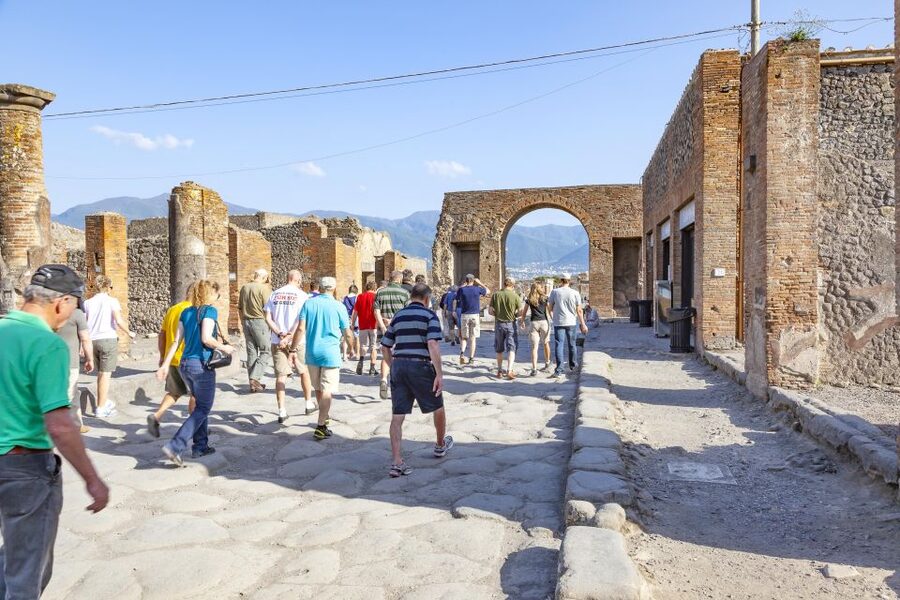
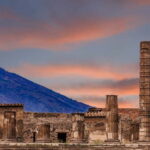
The audio guide does more than describe ruins. It helps you connect what you’re seeing to the story of Mount Vesuvius and the eruption that preserved Pompeii.
When the site explains the why behind the what, the cast figures, ruined rooms, and collapsed spaces stop being just dramatic scenery. You start to understand the sequence: how the disaster unfolded, and why Pompeii’s remains became such a detailed snapshot of everyday life.
If your audio setup behaves well, you can move through Pompeii with a running narrative. If it struggles, you can still enjoy the physical highlights, but the experience will likely feel more like wandering through rooms without the connecting thread.
Timing Tips: How to Build a Smart One-Day Route
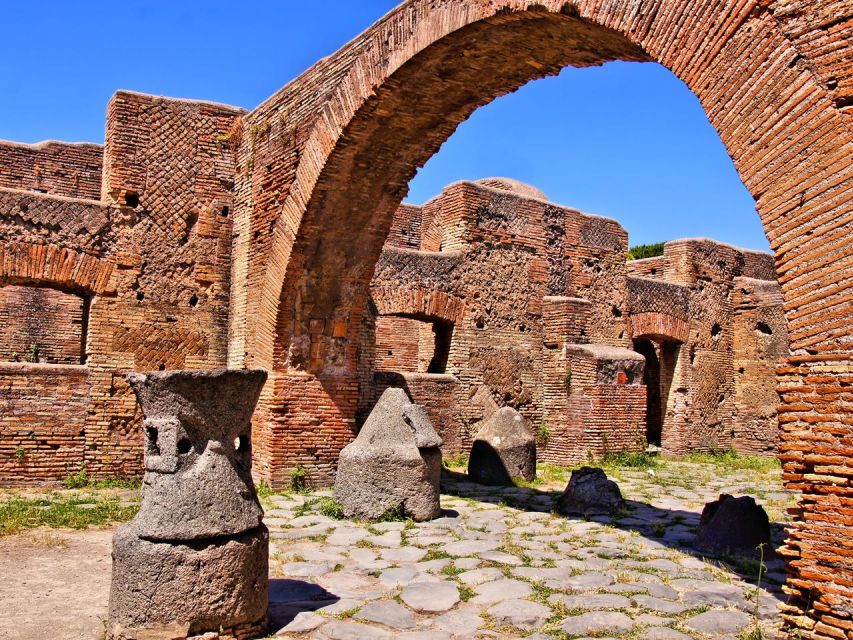
You only have one day, and Pompeii is big enough that your route choices matter. With the self-guided format, you’ll do best if you treat Pompeii like neighborhoods rather than attractions.
A practical one-day approach:
- Start with your top two priorities (for most people, amphitheater and victims casts).
- Then pick one theme for the middle of your visit: houses and artwork, or public and entertainment spaces.
- Save the rest for the final stretch so you don’t feel forced to rush past the details you actually care about.
If you start early, you might enjoy a calmer feel as you move through key areas. One real-world experience noted that going in the morning can mean fewer people around, which makes it easier to take your time.
Price and Value: Is $44 Worth It for Skip-the-Line Plus Audio?
At $44 per person, you’re paying for speed and structure without the rigidity of a timed group tour. The ticket component is listed as €20, and the audio guide is included. Even if you don’t do the math on every component, the value is clear: entrance time matters at Pompeii, and audio helps you get more meaning from what you see.
Here’s who tends to get the best value:
- You want to control pacing and avoid waiting in line.
- You like learning as you walk, not in a classroom setting.
- You plan to actually use the audio guide instead of treating it as a backup.
If you strongly dislike audio or you’re the type who prefers guide-free wandering only, you might question whether this package adds enough value. But if you want a meaningful Pompeii experience without committing to a full guided group, this ticket is a fair deal.
What to Bring, What to Avoid, and Comfort Basics
Pompeii is a walking day. The essentials are simple: wear comfortable shoes and comfortable clothes.
There’s also a baggage rule: oversize luggage is not allowed, and you should not bring luggage or large bags. Light and practical wins. If you tend to travel with a heavy backpack, consider downsizing so you’re not stuck dealing with storage constraints.
Also note a health-fit reality. This is not suitable for people with mobility impairments, and it’s also listed as not suitable for people with heart problems or altitude sickness. If any of those apply, you should choose a different Pompeii format that’s safer and more comfortable for you.
Languages and What They Mean When You’re Ready to Listen
This tour is set up for visitors across language groups. The instructor languages include English, Italian, Spanish, and French. The audio guide languages go much wider, including English, Italian, French, German, Hebrew, Russian, Chinese, Portuguese, and Spanish.
This matters because Pompeii’s details can be easy to miss without explanation. When you hear the audio in your language, you’ll spend less time guessing what you’re looking at and more time connecting what you see to the city’s story.
If you’re traveling with mixed language needs, this broad audio coverage makes planning easier. It’s a good option when not everyone wants the same language.
Should You Book This Pompeii Skip-the-Line Audio Tour?
I’d book it if you want: skip-the-line entry, self-guided pacing, and an audio layer that gives you context for the big emotional and architectural stops like the amphitheater and the victims casts. It’s also a great choice if you enjoy moving at your own pace, and you’re willing to do the small prep needed for the audioguide rental.
I’d think twice if you know you’ll struggle with ID documents, or if you’re relying on connectivity-heavy audio downloads. In that case, plan to have a backup mindset for how the audioguide will work on the day.
Overall, this is a practical way to experience Pompeii in one day, with enough structure to feel meaningful and enough freedom to keep it enjoyable.
FAQ
What time can I enter Pompeii with this ticket?
You can enter the site anytime from 9:00 am until 3:00 pm.
How long is the Pompeii visit?
The duration is listed as 1 day.
What is included in the ticket price?
It includes a Pompeii skip-the-line ticket and an audio guide.
Where do I meet the team?
Meet outside the office next to Pasticceria De Vivo. The team is usually wearing blue and yellow jackets.
What languages are available for the audio guide?
The audio guide is available in English, Italian, French, German, Hebrew, Russian, Chinese, Portuguese, and Spanish.
Do I need an ID to use the audioguide?
Yes, it’s important to bring a valid ID document to rent the audioguide.
Are large bags allowed inside?
No. Oversize luggage and luggage or large bags are not allowed.
Is this experience suitable for everyone?
It is not suitable for people with mobility impairments, people with heart problems, or people with altitude sickness.
More Guided Tours in Pompei Campania
More Tickets in Pompei Campania
More Tour Reviews in Pompei Campania


Not for you? Here's more nearby things to do in Pompei Campania we have reviewed








Tour Reviews, compared.
 ★ 4.8Pompeii: Entry Ticket and Guided Tour with an ArchaeologistFrom $3519,459 reviews
 ★ 4.2Pompeii: Entry Ticket with Optional Audio GuideFrom $2612,360 reviews
 ★ 4.8Pompeii: Small Group Tour with an ArchaeologistFrom $4012,264 reviews
 ★ 4.3Pompeii Ruins & Mount Vesuvius Day TourFrom $12011,459 reviews
 ★ 4.6Sorrento, Positano and Amalfi Full-Day TourFrom $10710,988 reviews
 ★ 5.0Sorrento, Positano & Amalfi Coast – Small Group TourFrom $768,643 reviews
 ★ 4.6Catacombs of San Gennaro Entry Ticket & Guided TourFrom $157,941 reviews
★ 5.0Pompeii Small Group Tour with an ArchaeologistFrom $356,593 reviews
★ 4.6Catacombs of San Gennaro Entry Ticket & Guided TourFrom $157,941 reviews
★ 5.0Pompeii Small Group Tour with an ArchaeologistFrom $356,593 reviews
Browse the lists this tour appears in