
Tour review · TOUR REVIEWS
Pompeii: Skip-the-Line Ticket and Guidebook with Itineraries
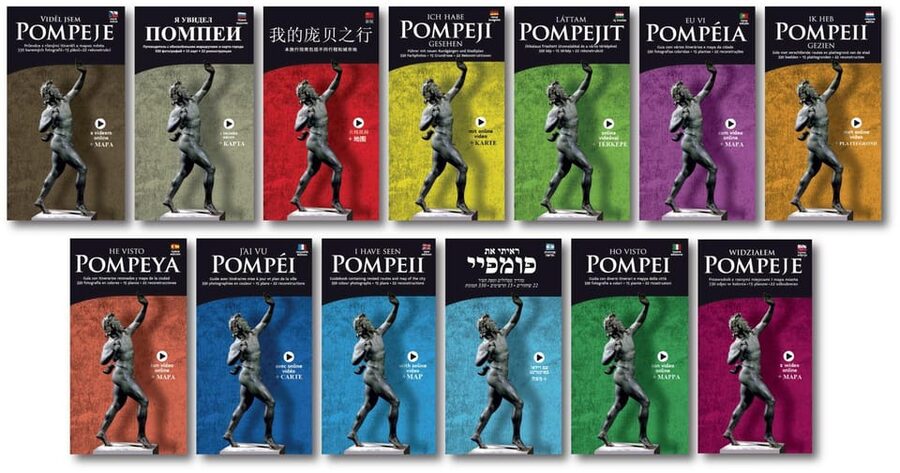
Pompeii is big, and crowds make it worse. This experience fixes that with a skip-the-line ticket and 2, 4, or 6 hour itineraries you can follow at your own pace, plus an updated map to keep you from zigzagging in circles. I also like that the guidebook stays with you as a souvenir. One drawback to consider: this is not a live, walking guide. You’re touring independently with a book, which can disappoint if you were expecting a human instructor.
If you enjoy history you can touch, Pompeii delivers fast. You’ll walk the millennial streets and read the city through its spaces, from everyday shops to public buildings.
And since entry runs 9AM to 5PM, you get real flexibility. You can do a tight route or settle in for longer, without feeling trapped by a set group schedule.
Key Takeaways Before You Go

- Skip-the-line entry saves time when Pompeii is at peak demand.
- Self-guided itineraries let you choose 2, 4, or 6 hours, based on your energy level.
- Updated map + guidebook helps you find major highlights without getting lost.
- A wide range of Pompeii stops includes amphitheater, frescoed homes, spas, temples, shops, theaters, and more.
- Vesuvius eruption context is built into the route so the ruins make sense, not just look impressive.
Skip-the-Line Entry, and Why It Matters at Pompeii
Pompeii works best when you enter with momentum. Once you’re inside, the site is huge, the paths can feel confusing, and time vanishes quickly. Getting skip-the-line access means you trade waiting in a slow line for actual walking, which is usually the better use of your day.
Also, this ticket is set up for independent touring. That’s important, because Pompeii rewards personal pacing. You might want to pause for frescoes, or linger by the amphitheater steps. With this setup, you decide how long you stay in each area, instead of being herded.
One more practical point: your entry window is 9AM to 5PM. If you can arrive early in that range, you’ll likely have an easier time moving through the site and managing your route with less crowd pressure.
More Naples tours, ruins, coast days, and city experiences to compare


Where You Meet, and How You Actually Get In
Meet your team outside the office, usually marked with blue and yellow jackets. The staff point is at VIA ROMA 123, POMPEI. When you arrive, you show your voucher at the information point so you can access the Pompeii Archaeological Park.
The entrance tied to your reservation is Piazza Anfiteatro. That detail matters because Pompeii has multiple access points and it’s easy to waste time wandering. Once you’re at Piazza Anfiteatro, you can focus on the ruins instead of logistics.
Bring your passport or ID card, and wear comfortable shoes. Pompeii is stone underfoot, and you’ll do a lot of it.
The Guidebook Is the Experience, Not Just a Handout
Here’s the key truth: you’re getting a guidebook with itineraries and an updated map, not a live commentary walk.
That sounds obvious on paper, but it’s the kind of thing that can turn a great day into a frustrating one if you expected a human guide. If you like structure without pressure, you’re in the right place. If you want someone talking in real time, you’ll need a different kind of tour.
The payoff is that the guidebook is reusable for your entire visit. You can stop, read, then move on. The itineraries are designed in chunks: 2, 4, or 6 hours. That makes planning simpler when you don’t know how fast you’ll walk or how long you’ll linger.
And yes, it stays with you as a souvenir. That’s a small detail, but I like it because Pompeii can blur in memory after you leave. Having the guidebook in hand helps you remember what you saw.
Choosing 2, 4, or 6 Hours: Plan Your Tempo
One of the best things about this experience is that it respects your pace.
- If you choose the shorter option, you’ll still hit the core highlights, but you’ll need to stay efficient with your stops.
- If you pick 4 hours, you’ll usually have enough time for the amphitheater plus several neighborhoods of homes and public spaces.
- If you go for 6 hours, you can slow down for details like frescoes, the texture of daily life in shops, and the emotional weight of the victim casts.
My advice: don’t pick based only on ambition. Pick based on how you usually feel after walking for a couple of hours. Pompeii is not a museum you “power through.” It’s a city. Cities take time.
If you’re the type who loves reading, you’ll likely want 4 to 6 hours. If you’re mainly there for the big monuments and photos, 2 to 4 can work.
The Amphitheater and the Heart of Pompeii
Start with the amphitheater if you want the day to grab you quickly. This is one of the best-preserved Roman amphitheaters, and it gives you a sense of how public life worked in Pompeii.
When you’re standing in or near this kind of venue, you immediately understand why the city’s ruins still feel alive. It’s not just walls. It’s space built for crowds, noise, performance, and spectacle.
A practical tip: the amphitheater is a good anchor point for orientation. Once you know where you are relative to the amphitheater, you can navigate the rest of the site more confidently using your updated map and the guidebook itinerary.
More Naples tours, ruins, coast days, and city experiences to compare




Frescoed Houses, Temples, and What You Can Read in the Stone
Pompeii’s homes are often the most surprising part for first-time visitors. You see frescoed houses, and you start to notice how art sat beside daily routines. The painted surfaces make the city feel personal, not just archaeological.
You’ll also come across temples and other civic or religious spaces. These areas help you understand the city’s structure. It’s not random. Pompeii was organized around places where people gathered, worked, worshiped, and shopped.
Here’s the value of touring with a guidebook: the ruins can look like a collection of interesting rooms unless someone helps you interpret what you’re seeing. The guidebook is built to do that, including historical context around the city and the eruption of Mount Vesuvius.
If you’re short on time, prioritize the most readable highlights: frescoes, public spaces, and the transitions between streets and buildings. Even in limited time, you’ll walk away with real understanding.
Spas, Shops, and the Thermopolis for Everyday Life
Pompeii isn’t only grand monuments. It’s also everyday life, and that’s where the site gets extra fun.
You’ll see spas, shops, and the Thermopolis. The Thermopolis was basically the coffee-fast food of the time, a place for quick hot drinks and food. That detail is exactly why Pompeii works. It connects you to routine. People ate, drank, worked, and socialized here long before the eruption ended it.
This is where you’ll enjoy moving slowly enough to notice the layout. The guidebook and updated map help you identify what each spot was for, so you don’t just stare at stone. You see function.
I also like that the experience includes places such as theaters and brothels. Those stops give you a fuller picture of the city’s social life, including adult entertainment and leisure.
The Victim Casts and the Mount Vesuvius Story
This is the emotional center of Pompeii. The casts of the victims are one of the most powerful sights, because they make the tragedy immediate rather than abstract. Even if you’re not a “sad history” person, you’ll feel the weight here.
The guidebook includes history about Pompeii and the eruption of Mount Vesuvius, which is important. Without context, you can miss why this city became such a rare time capsule. With context, the ruins stop being just impressive and start being meaningful.
If you’re doing the 2-hour itinerary, I’d still try to give this section a moment. You don’t need to linger for hours, but you should not skip it if it affects you even a little. It’s part of what makes Pompeii different from other Roman sites.
Tickets, Tickets, Tickets: A Real-World Detail to Watch For
One review clue that matters for your day: some people needed to pick up paper tickets at a shop near where they started, before entering the park. That might not happen for everyone, but it’s a smart thing to be ready for.
Also, a different review mentioned wanting clearer English directions for which way to go. So, if you’re relying on signs, plan for the possibility that language support could be patchy in a specific moment.
My advice: arrive with buffer time. If you’ve got a hard deadline to catch, Pompeii is not the place to gamble. Give yourself extra time to sort out ticket pickup and orientation, then commit to your route.
Value for Money: Is $41 a Fair Deal?
At $41 per person for a skip-the-line entry plus a guidebook and map, the value is solid, especially if you hate wasting time in lines.
You’re paying for three things:
- Time saved by avoiding the ticket line
- A practical plan with 2, 4, or 6 hour options
- A souvenir guidebook you can keep
If you enjoy independent exploring and you’re comfortable reading your way through a site, this format is a great match. It’s also good value compared with tours that cost more for a live guide when your real goal is to walk and absorb.
If you’re the type who wants a live instructor doing all the explaining, you might feel shortchanged by the book format. In that case, you may want a tour that clearly offers a human guide, not just self-guided materials.
Who This Works Best For
This experience fits you if you:
- Want Pompeii entry without line stress
- Prefer to move at your own pace
- Like having structure, but not someone pacing you
- Plan to spend at least a few hours really looking
It might be less ideal if you:
- Expected a human guide walking with you
- Need very explicit wayfinding help at every step
- Want a highly guided narrative at each stop rather than reading explanations in the guidebook
Should You Book This Pompeii Ticket?
I’d book it if you want a smart, self-guided Pompeii day with less waiting and more freedom. The combination of skip-the-line access and an itinerary-based guidebook is exactly how you turn a big site into a satisfying experience, not a blur of stone.
Skip it only if your main goal is a live spoken guide and you’ll feel annoyed by a book-based format. Also, if you’re arriving without much buffer time, plan ahead. Ticket pickup and directions can take a few extra minutes in real life.
If you’re flexible and you like to explore, Pompeii deserves your attention. This ticket style helps you give it that attention without wasting your day in queues.
FAQ
How long can I explore Pompeii with this experience?
The ticket is valid for one day, and the guidebook offers itineraries designed for 2, 4, or 6 hours.
Is this a guided tour with a person walking with me?
You explore independently. You’ll use the guidebook and map to navigate and learn about Pompeii and the eruption of Mount Vesuvius.
What time is entry available?
You can enter from 9AM to 5PM.
Where do I meet the team, and how do I find the entrance?
Meet the team outside their office (often with blue and yellow jackets). The staff meet point is at VIA ROMA 123, Pompei. The entrance for your reservation is Piazza Anfiteatro.
What languages are available?
The instructor/staff languages listed are English, Italian, Spanish, and French. The guidebook is provided in multiple languages.
What should I bring with me?
Bring your passport or ID card, and wear comfortable shoes and clothing suitable for walking.
More Skip the Line in Pompei Campania
More Tickets in Pompei Campania


More Tour Reviews in Pompei Campania



Not for you? Here's more nearby things to do in Pompei Campania we have reviewed











Tour Reviews, compared.
 ★ 4.8Pompeii: Entry Ticket and Guided Tour with an ArchaeologistFrom $3519,459 reviews
 ★ 4.2Pompeii: Entry Ticket with Optional Audio GuideFrom $2612,360 reviews
 ★ 4.8Pompeii: Small Group Tour with an ArchaeologistFrom $4012,264 reviews
 ★ 4.3Pompeii Ruins & Mount Vesuvius Day TourFrom $12011,459 reviews
 ★ 4.6Sorrento, Positano and Amalfi Full-Day TourFrom $10710,988 reviews
 ★ 5.0Sorrento, Positano & Amalfi Coast – Small Group TourFrom $768,643 reviews
 ★ 4.6Catacombs of San Gennaro Entry Ticket & Guided TourFrom $157,941 reviews
★ 5.0Pompeii Small Group Tour with an ArchaeologistFrom $356,593 reviews
★ 4.6Catacombs of San Gennaro Entry Ticket & Guided TourFrom $157,941 reviews
★ 5.0Pompeii Small Group Tour with an ArchaeologistFrom $356,593 reviews
Browse the lists this tour appears in