
Tour review · TOUR REVIEWS
Pompeii: guided tour of the ruins and cooking class fresh pasta
Pompeii hits hard, then you eat pasta. What makes this day special is the private guided walk through Pompeii’s big sights and the cooking class that turns the whole trip into something you taste, not just see. Two things I really like are the clear explanation from guides such as Clelia or Lello, and the chance to cook with produce picked right in the garden. The main drawback to plan for is the extra Pompeii entrance ticket cost, plus the fact that the ruins ticket works for just one entry.
I like the small group feel. The max is 10 travelers, and that matters when you’re moving through busy ruins where a larger group can mean you spend more time waiting than learning.
Then comes the payoff: a garden in the Pompeian countryside with views of Vesuvius and the Lattari Mountains, where hosts like Sabrina (and sometimes Rosalba) guide you through making pasta and eating together. It’s a 5 to 6 hour day, but it’s built to keep you fed, relaxed, and focused.
Key things I’d mark on your mental map
- Private guide for Pompeii with a focused route through the major stops, not random wandering
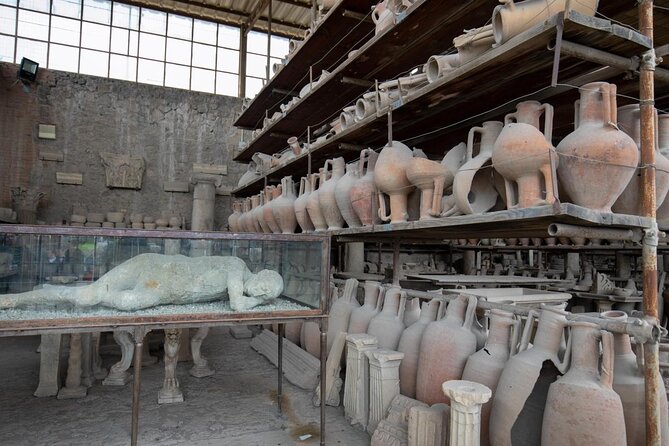
- A stop-by-stop ruins plan that includes theaters, key houses with frescoes, thermal baths, and temples
- Countryside garden lunch with produce picked in the garden and views toward Vesuvius
- Hands-on pasta time where you make the dough and shape your own pasta
- Gragnano wine with lunch, plus soft drinks and water to keep the day easy
- Small group (10 max), which makes it easier to ask questions and move at a sane pace
Pompeii ruins first, then a real meal
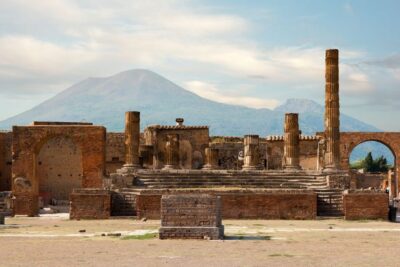
This tour works because it uses Pompeii like a living classroom, then switches to Campania cooking as your reward. You start at Scavi di Pompei (Viale delle Ginestre), then head into the Archaeological Park with a guide and a plan.
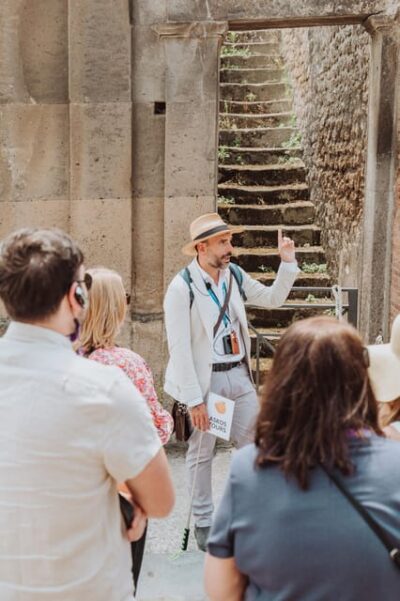
The ruins portion is about 2 hours, and it’s the kind of route where you leave with a sense of how the city was laid out and what each site was for. That’s the real value of a guided walk here. Pompeii is huge, and if you try to do it solo, you often end up staring at stones and hoping it all connects.
You’ll also notice that the walk isn’t just “look at this wall.” The route includes public spaces, religious sites, and daily life spots, so the city starts to feel like a place people actually lived, worked, and shopped.
You can also read our reviews of more guided tours in Pompeii

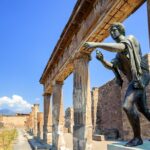
The Archaeological Park route: theaters, baths, forums, and temples
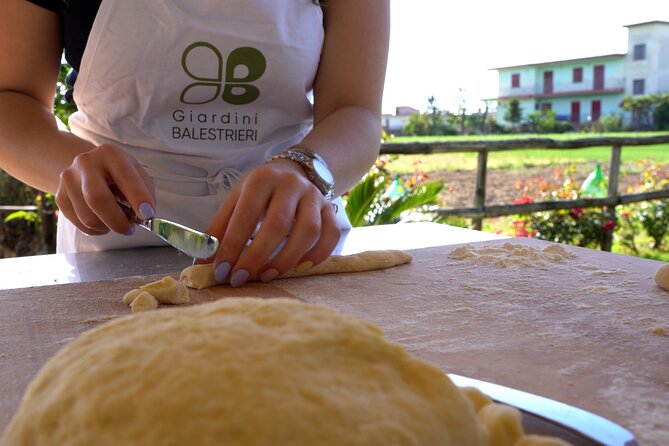
Stop 1 covers a classic highlights sweep, and it’s unusually well-targeted for a half-ruins day. Your guide (often described with names like Clelia, Lucy, Carla, and Lello) takes you through:
- The theaters, where you get a feel for entertainment in a Roman city and how crowds moved
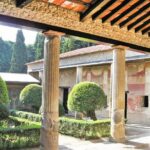
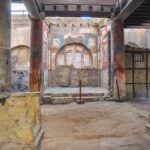
- Important houses with frescoes and decorations, which helps you understand wealth, taste, and everyday interior design
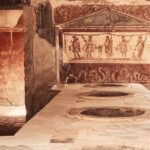
- Via dell’abbondanza, lined with shops and workshops, so you see the commercial spine of Pompeii
- Thermal baths, including the way the spaces are set up, not just that they exist
- The brothel area (the house of pleasure), which is uncomfortable, yes, but historically important
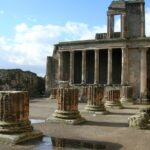
- The forum and monuments, the civic core where power and public life met
- Temples of Apollo and Jupiter, plus the Basilica, which adds the religious and administrative layer
What I like about this list is that it balances “big wow” sights with places that teach you how Pompeii functioned. You get the city’s rhythm: culture, commerce, baths, religion, and governance.
The main consideration is pace and walking surfaces. The ruins are uneven and you’re on your feet for a chunk of time. One review noted slower movement for a foot injury, which suggests the guides can adjust when needed, but you should still expect real walking.
The one-entry ticket reality (and why timing matters)
You pay for Pompeii entrance separately, currently listed as €20 per person. That’s normal for the park, but it matters because your ticket is tied to entry timing.
Also, plan your day around the idea that the ruins portion is scheduled and then you move on. One traveler pointed out that since the tickets are only valid for one entry, it can be hard to go back later without paying again. If you love ruins and want extra time wandering, ask about it in advance, because the second half is part of the experience schedule.
If you’re the type who always wants one more hour in a museum room, this is the one logistical friction point. The upside is that the schedule keeps the day from becoming a slog, and it ensures you reach the countryside garden for lunch.
From the ruins to the Pompeian countryside garden
After the archaeological walk, you get transferred to a garden in the Pompeian countryside. This is where the tour changes gear from Roman stone to Campania trees and views.
Expect a setting with olive and citrus trees and a view that reaches toward Vesuvius and the Lattari Mountains. That visual reset matters. Pompeii can feel intense, because it’s haunting and very physical. The garden section gives you space to breathe, eat, and treat the day like a complete experience instead of two unrelated activities.
In reviews, this garden is strongly associated with Giardini Balestrieri, and that lines up with the provider name, so you’re not just being dropped somewhere random. You’re arriving at a working-feeling place where ingredients come from the property.
Cooking class in a real garden: you pick, you prep, you cook
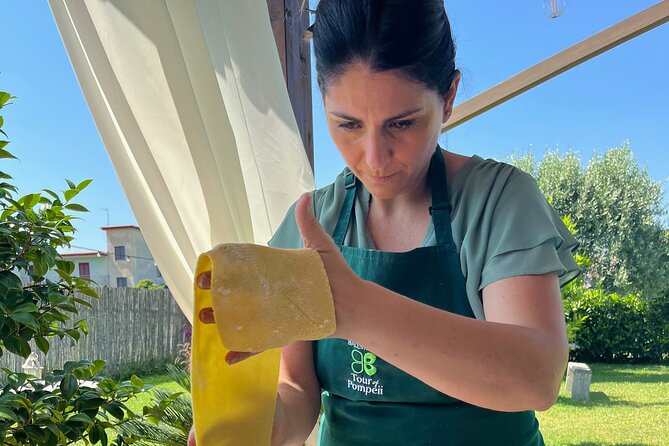
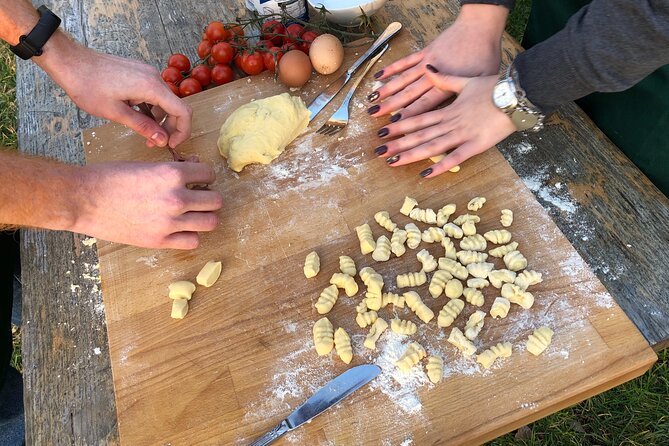
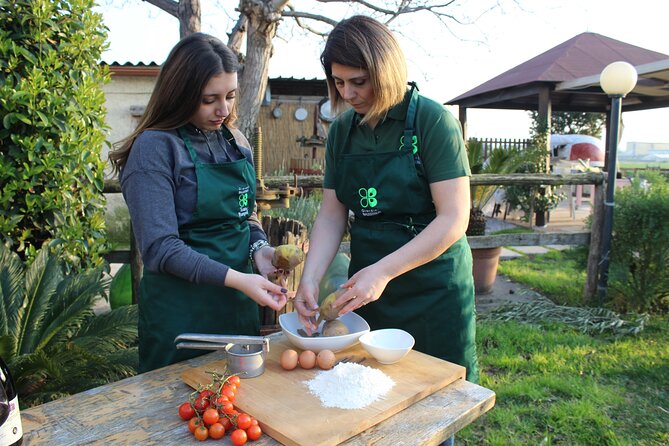
Stop 2 is where you stop being a spectator. You’ll be guided to the garden, where produce is picked for your meal. You’ll then prepare lunch using that produce.
The tour description says you’ll learn how to cook a typical dish from the tradition. In practice, you should expect a hands-on pasta session, and based on the cooking experiences described by different guides and hosts, the format is similar even if the pasta shape changes.
Here’s what you can realistically plan for based on the class accounts:
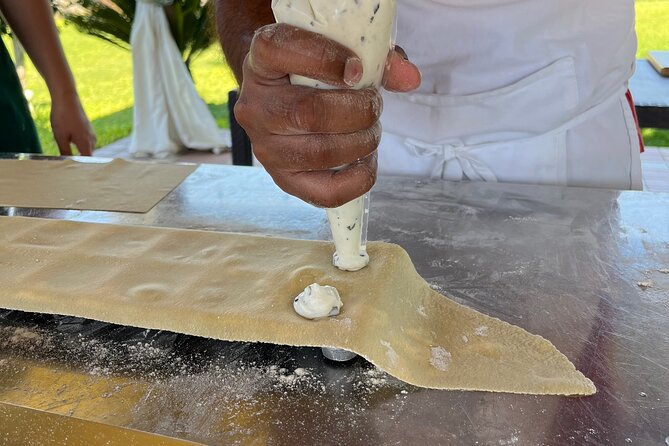
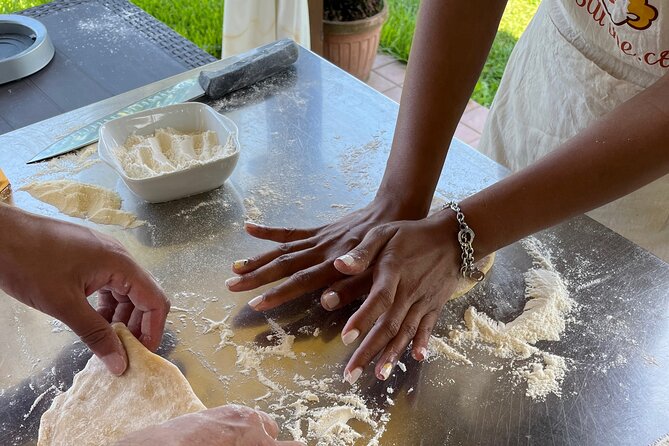
- You make your own pasta, with help from the host
- You may shape something like ravioli (one group highlighted ravioli-making)
- You may also make something like gnocchi (another group highlighted potato gnocchi)
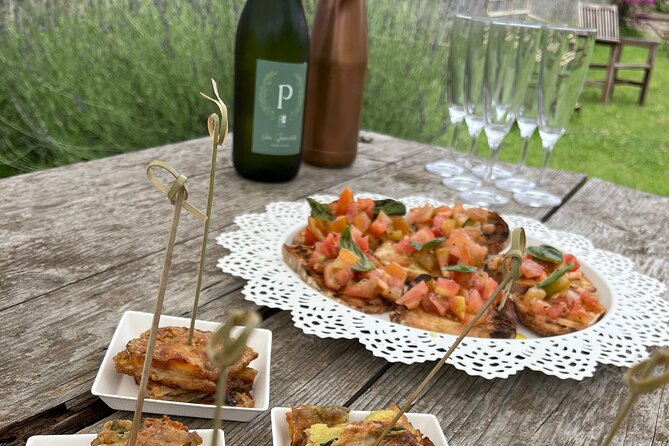
- There may be appetizers to start you off, often with bruschetta and fresh vegetables from outside
- You might finish with a dessert such as lemon cake or tiramisu, depending on the day
The best part, in my mind, is that the cooking isn’t presented as a demo where you watch. The class format puts you in the work, and it turns the ingredients into a story you can taste.
The host is often described as Sabrina in multiple accounts, and she’s credited with explaining the garden plants, teaching techniques, and keeping the group relaxed. Reviews also mention Rosalba and family members helping out, which tells me this isn’t a cookie-cutter studio class. It’s tied to a home setting and a real kitchen rhythm.
You can also read our reviews of more cooking classes in Pompeii

What lunch actually feels like (and what you’re included for)
You’re not just eating pasta. The tour includes a full meal structure:
- Lunch or dinner (the activity includes lunch, based on the itinerary flow)
- Dessert
- Soda, still and sparkling water
- Alcoholic beverages: 1 glass of Gragnano DOC wine
You’ll also likely get extra drinks like limoncello in some cases, because one account specifically mentions homemade limoncello along with wine. Still, for your planning, rely on what’s included: one glass of Gragnano DOC wine.
Gragnano wine is a good match for this part of the day. It’s local to the region and pairs naturally with tomato-forward sauces and herb flavors. If you’re food-minded, this is the sort of detail that makes the day feel intentional instead of just packaged.
One more small tip: go hungry, but not frantic. The day includes a lot of walking before lunch, so you’ll be ready for real food. The appetizers, when offered, are also a smart buffer, so you don’t go from ruins dust to full pasta production all at once.
Price and value: is €20 extra really the only catch?
At $300.40 per person, this isn’t a budget option. But it’s not just “buy a ticket, get a guide.” You’re paying for:
- a private transportation setup
- a guided Pompeii route with a designated guide
- a hands-on cooking class in a garden setting, including ingredients picked on site
- a meal that includes dessert, plus water/soft drinks, plus one glass of Gragnano DOC wine
And then there’s the small group angle. A max of 10 travelers means you’re more likely to get answers to questions and help during the pasta process. In a larger setting, pasta classes can become busy, with limited interaction. Here, the descriptions repeatedly point to personal attention and a home-like pacing.
The part you should mentally budget for is the €20 Pompeii entrance ticket per person. If you’re comparing costs, don’t forget that. The other “cost” is time management. The ruins ticket logic means you can’t assume you’ll pop back in later for extra browsing.
Overall, I think the value lands best for people who want a guided Pompeii visit and also want food to be part of the story. If you only want ruins, you might prefer a cheaper ruins-only guide. If you want both history and a hands-on meal, this is priced like an experience day, not a quick add-on.
Who this is best for, and who should skip it
This tour makes sense if you:
- want Pompeii clarity from a guide, including the “why” behind key sites
- love cooking or at least enjoy learning a new technique hands-on
- like the idea of eating where ingredients come from, with views and a slower rhythm
- prefer a small group (10 max) over a crowded experience
It might be less ideal if you:
- only care about reading signage and want maximum free time inside the park
- need a fully seated experience, because the ruins require significant walking
- are on a tight budget and would rather spend on independent meals than a guided class
For families, the cook-and-eat setup can work nicely, but you should consider the pacing and the walking in the ruins area. The good news is that guides in the accounts seemed willing to accommodate slower movement when needed.
My booking advice: should you do Pompeii plus pasta?
If you want a day that feels like Pompeii plus Campania, not Pompeii plus a generic meal, I’d book it. The winning combination is the guided walk through major ruins, then a garden-based cooking class where you make pasta and eat together.
The decision hinges on two things:
1) Are you okay paying the Pompeii entrance fee on top of the tour price?
2) Do you like structured time more than wandering time?
If your answers are yes, you’ll likely love the flow: ruins in the morning energy, then a countryside lunch with pasta you shaped yourself, plus local wine. It’s one of the more complete ways to experience Pompeii without ending the day feeling like you only did the hard part.
FAQ
Is the Pompeii entrance fee included?
No. Entrance to the Pompeii ruins is listed as €20 per person and is not included.
How long is the tour?
The full experience runs about 5 to 6 hours total, with about 2 hours for the ruins and about 3 hours for the cooking and garden lunch portion.
What language is the tour offered in?
It is offered in English.
Is the group small?
Yes. The maximum group size is 10 travelers.
What’s included for drinks and meals?
You get soda or pop (still and sparkling water), dessert, and lunch or dinner. Alcohol included is 1 glass of Gragnano DOC wine.
Where does the tour start and end?
It starts at Scavi di Pompei, Viale delle Ginestre, 80045 Pompei NA, Italy and ends back at the meeting point.
Is private transportation included?
Yes. Private transportation is included.
What will I do during the cooking class?
You’ll cook a typical dish from the tradition and use produce picked by hand from the garden. You also eat the meal you prepare.
Are service animals allowed?
Yes, service animals are allowed.
What is the cancellation policy?
Free cancellation is available. You can cancel up to 24 hours in advance of the experience start time for a full refund.
More Guided Tours in Pompeii



More Tours in Pompeii


More Tour Reviews in Pompeii

Not for you? Here's more nearby things to do in Pompeii we have reviewed





Tour Reviews, compared.
 ★ 4.8Pompeii: Entry Ticket and Guided Tour with an ArchaeologistFrom $3519,459 reviews
 ★ 4.2Pompeii: Entry Ticket with Optional Audio GuideFrom $2612,360 reviews
 ★ 4.8Pompeii: Small Group Tour with an ArchaeologistFrom $4012,264 reviews
 ★ 4.3Pompeii Ruins & Mount Vesuvius Day TourFrom $12011,459 reviews
 ★ 4.6Sorrento, Positano and Amalfi Full-Day TourFrom $10710,988 reviews
 ★ 5.0Sorrento, Positano & Amalfi Coast – Small Group TourFrom $768,643 reviews
 ★ 4.6Catacombs of San Gennaro Entry Ticket & Guided TourFrom $157,941 reviews
★ 5.0Pompeii Small Group Tour with an ArchaeologistFrom $356,593 reviews
★ 4.6Catacombs of San Gennaro Entry Ticket & Guided TourFrom $157,941 reviews
★ 5.0Pompeii Small Group Tour with an ArchaeologistFrom $356,593 reviews
Browse the lists this tour appears in